The Alamo
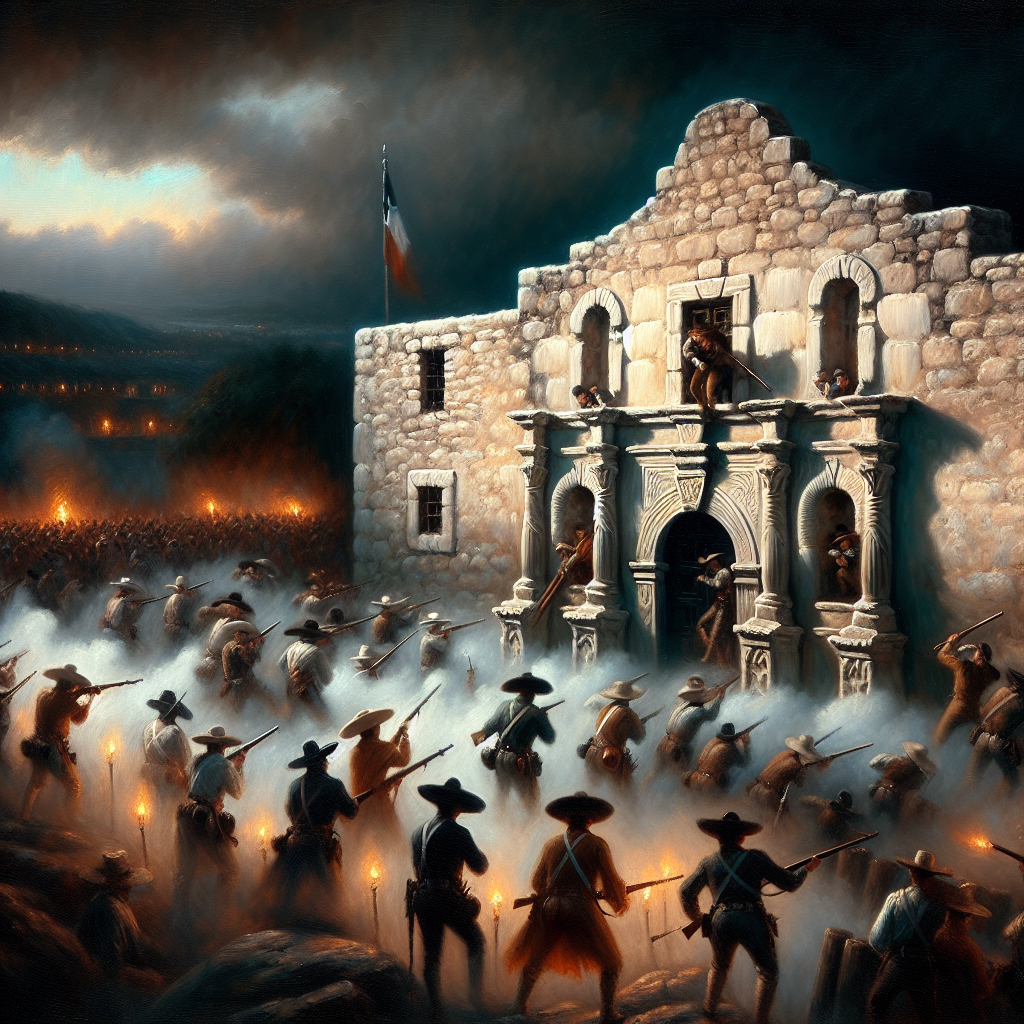
The siege of the Alamo lasted 13 days in February and March of 1836, ending on March 6 when Mexican General Antonio López de Santa Anna's army of roughly 1,800 soldiers overran a crumbling Spanish mission held by fewer than 200 Texan defenders. Every defender was killed, among them frontier celebrities Davy Crockett and Jim Bowie. The battle was a catastrophic military defeat. What it became, almost immediately, was something more durable than a victory: a myth of heroic sacrifice that "Remember the Alamo" compressed into three words, a rallying cry that powered the Texas Revolution to its successful conclusion six weeks later when Sam Houston's army routed Santa Anna's forces at the Battle of San Jacinto in 18 minutes.
The standard telling of the Alamo, fixed in popular culture by a century of novels and films, requires some complication. The Texan colonists fighting for independence from Mexico had, in many cases, entered Texas specifically because Mexico had abolished slavery and they intended to re-establish it. Santa Anna was not simply a tyrant but the head of a sovereign government putting down a rebellion in its own territory by settlers who had agreed to Mexican law when they arrived. The approximately 8 Tejanos — native-born Mexicans — who died alongside the Anglo defenders are mostly forgotten in the mythology, as are the enslaved people who survived and were sent to Santa Anna's headquarters.
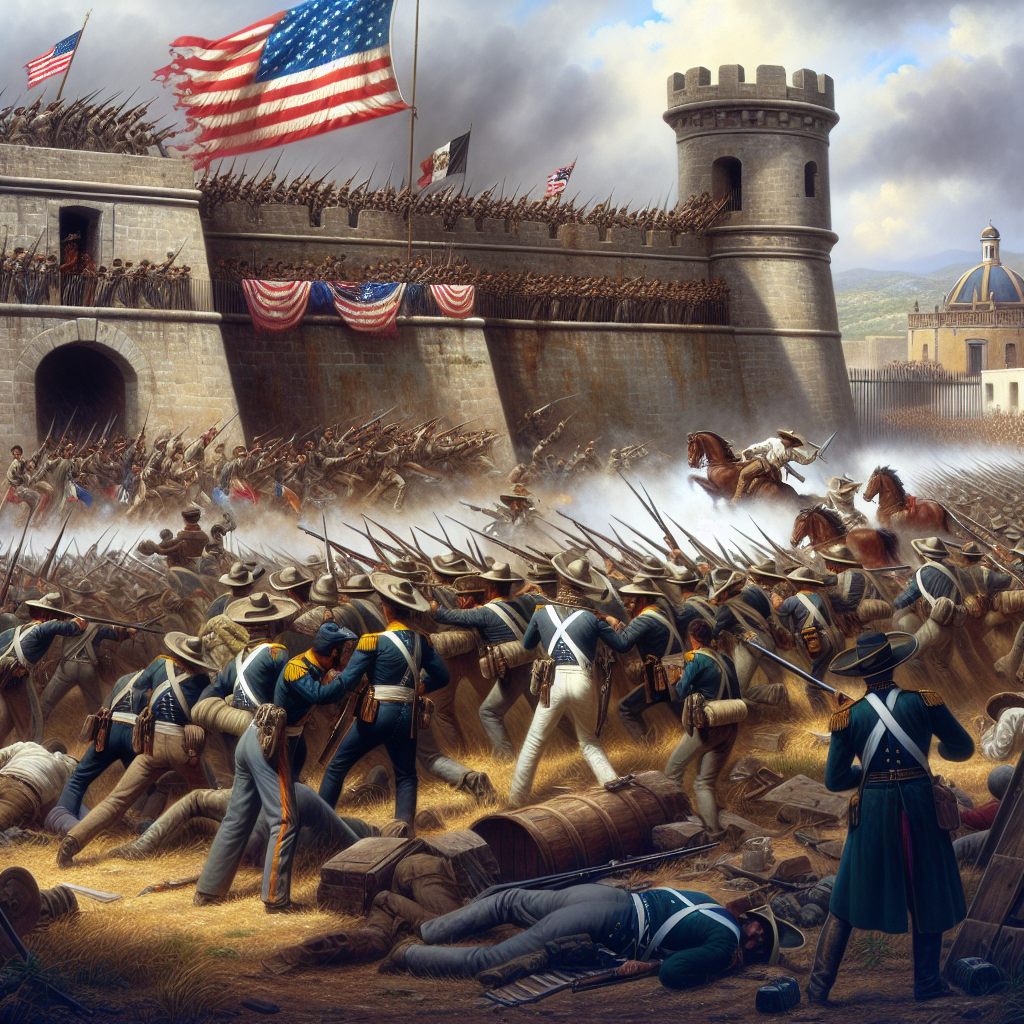
Texas joined the United States in 1845, directly provoking the Mexican-American War and adding 268,000 square miles to the country — setting in motion a cascade of consequences that included the Compromise of 1850, Bleeding Kansas, and ultimately the Civil War. The Alamo itself, returned to the Catholic Church and then to the state of Texas, became a museum and pilgrimage site whose narrative has been contested ever since, most recently in battles over how prominently to acknowledge the pro-slavery motivations of the rebellion. The building survives in downtown San Antonio, smaller than most visitors expect, surrounded by hotels.

| Siege dates | February 23 – March 6, 1836 |
| Location | San Antonio, Texas |
| Defenders | ~185–260 (all killed) |
| Mexican force | ~1,800 under General Santa Anna |
| Notable defenders | William Barret Travis, Jim Bowie, Davy Crockett |
| Texas independence | March 2, 1836 (declared during siege) |
| Texas annexed | December 29, 1845 |
| Date | February 23 – March 6, 1836 |
| Location | San Antonio, Texas |