Sectionalism
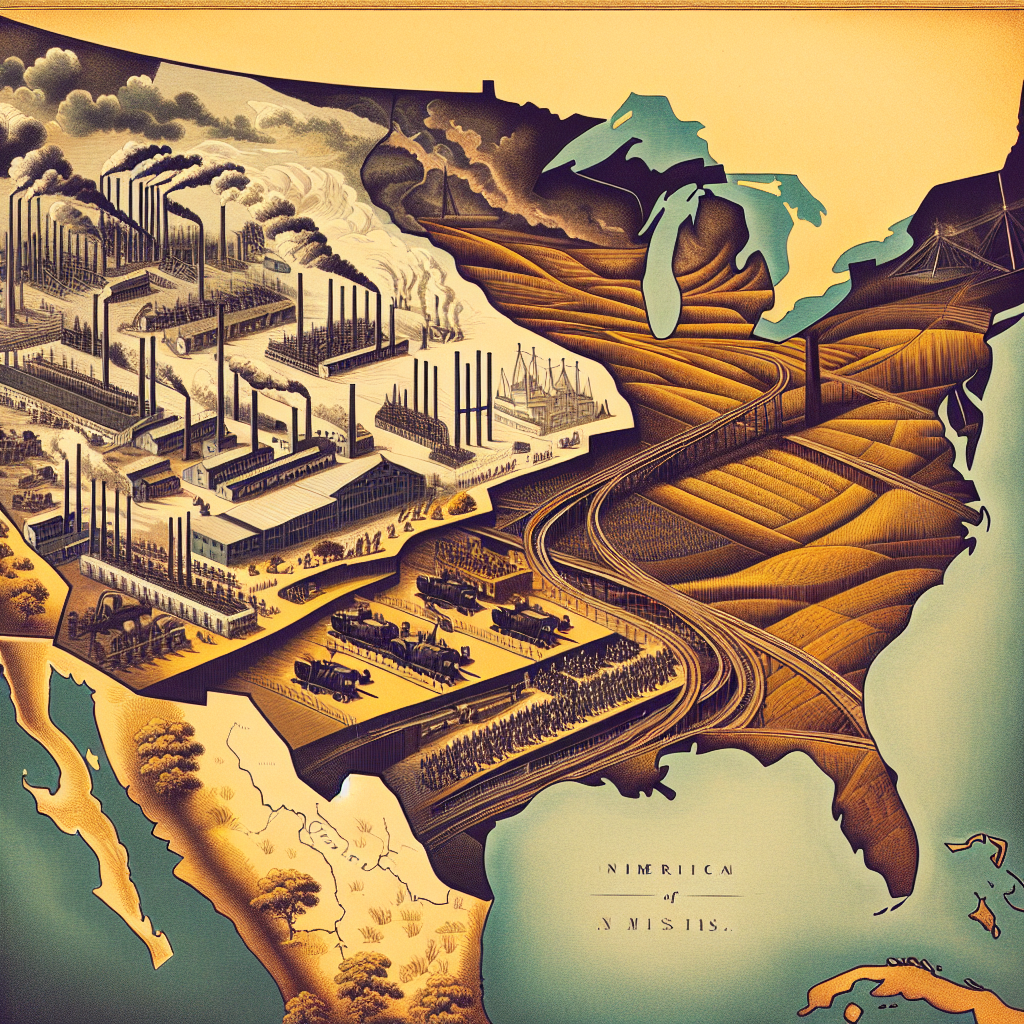
Sectionalism is the tendency of people to place the interests of their region above those of the nation as a whole, and no country has been more acutely afflicted by it than the United States. From the Constitutional Convention onward, the differences between the slave-labor agricultural economy of the South and the free-labor commercial and industrial economy of the North generated a persistent friction that compromises could contain but never resolve. Every major political crisis between 1820 and 1861 — the Missouri Compromise, the Nullification Crisis, the Compromise of 1850, Bleeding Kansas — was at its core a sectional crisis, a negotiation over whether slavery would be permitted to expand and which region would control the political machinery of the federal government.
The economic gap between the sections widened steadily through the antebellum period. Northern industrialization, immigration, and railroad construction accelerated while the Southern economy deepened its dependence on cotton and enslaved labor. Southern political leaders, acutely aware that population growth in the North was eroding their representation in the House, fought with increasing desperation to maintain parity in the Senate through the admission of slave states to balance free ones. The admission of California as a free state in 1850 and the potential admission of Kansas and Nebraska without slavery threatened to tip the balance permanently.
Abraham Lincoln's election in 1860 — a candidate who had not appeared on the ballot in most Southern states and who won without a single Southern electoral vote — was understood in the South as proof that the political system could no longer protect Southern interests. South Carolina seceded within weeks. Sectionalism had reached its terminal point. The Civil War resolved the question of national unity by force, but sectional differences in culture, economy, and political identity did not disappear afterward — they reorganized around new fault lines that remain visible in American politics today.




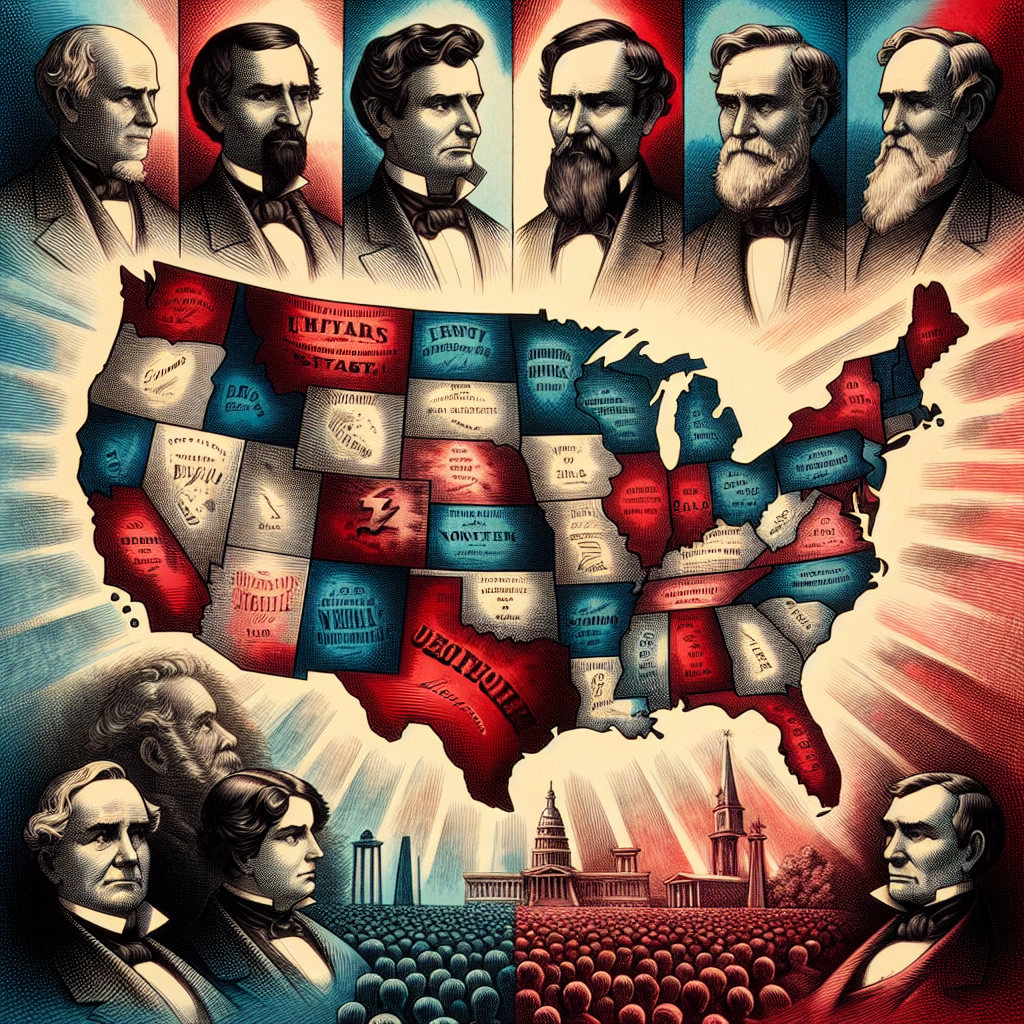
| Core divide | Free-labor industrial North vs. slave-labor agricultural South |
| Key crises | Missouri Compromise (1820); Nullification Crisis (1832); Compromise of 1850; Bleeding Kansas |
| Political tool | Senate balance between slave and free states |
| Tipping point | Election of 1860 — Lincoln wins without Southern electoral votes |
| Resolution | Civil War, 1861–1865 |
| Key theorist | John C. Calhoun — states' rights and nullification doctrine |
| Years | 1787–1865 |
| Location | United States |