March on Washington
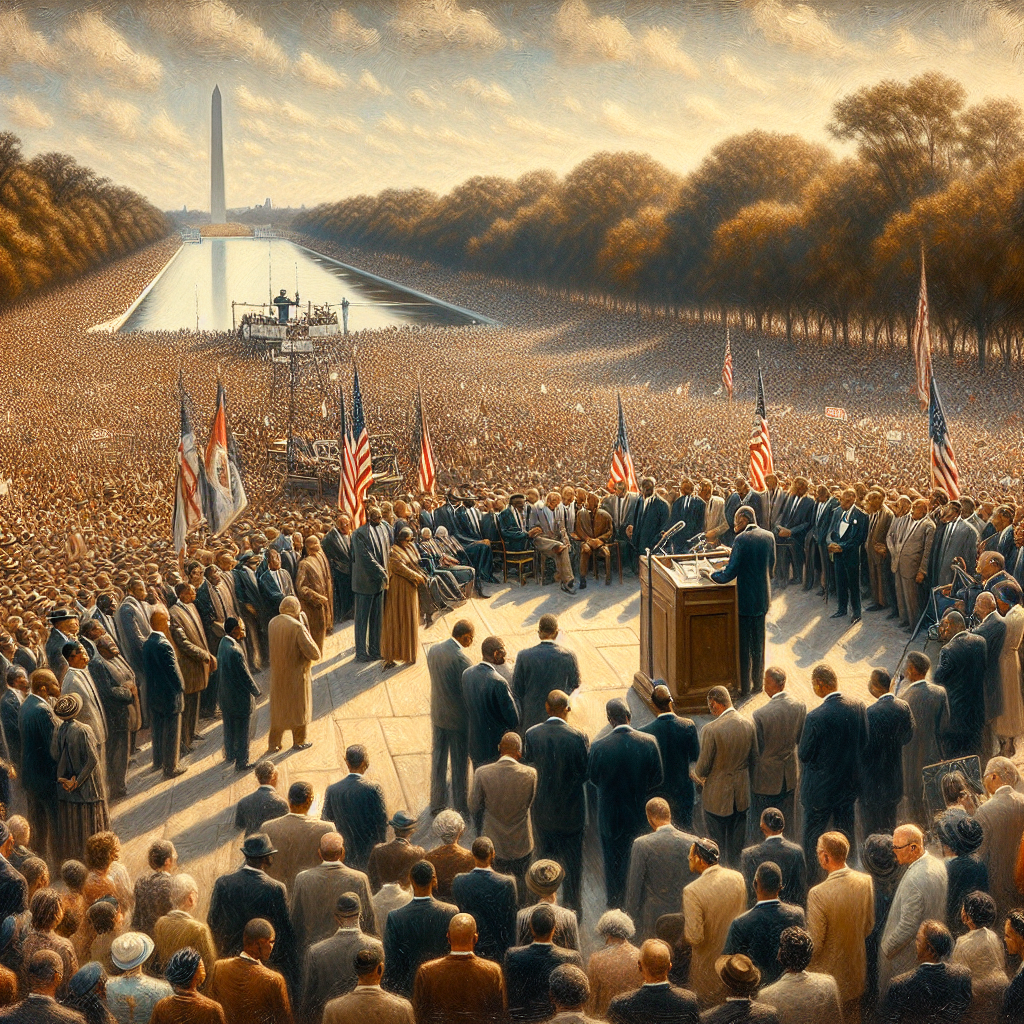
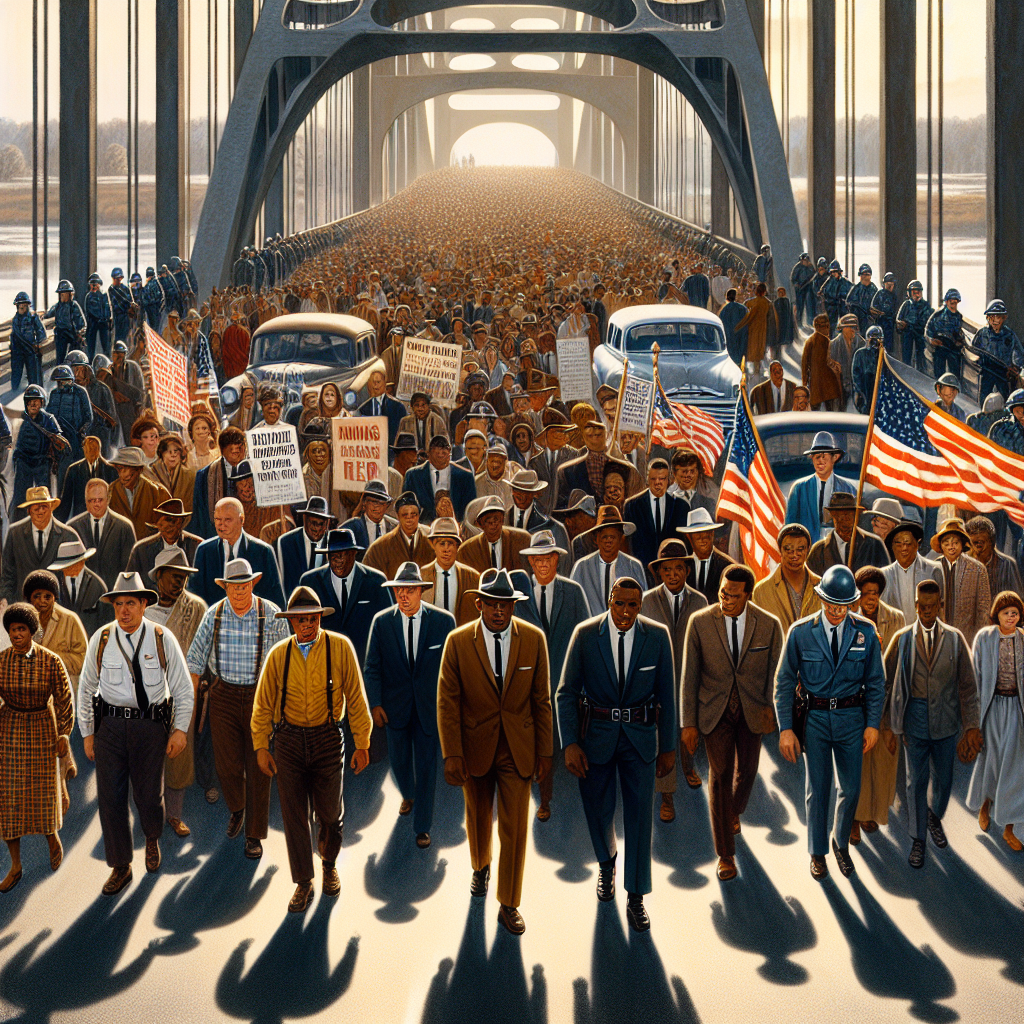
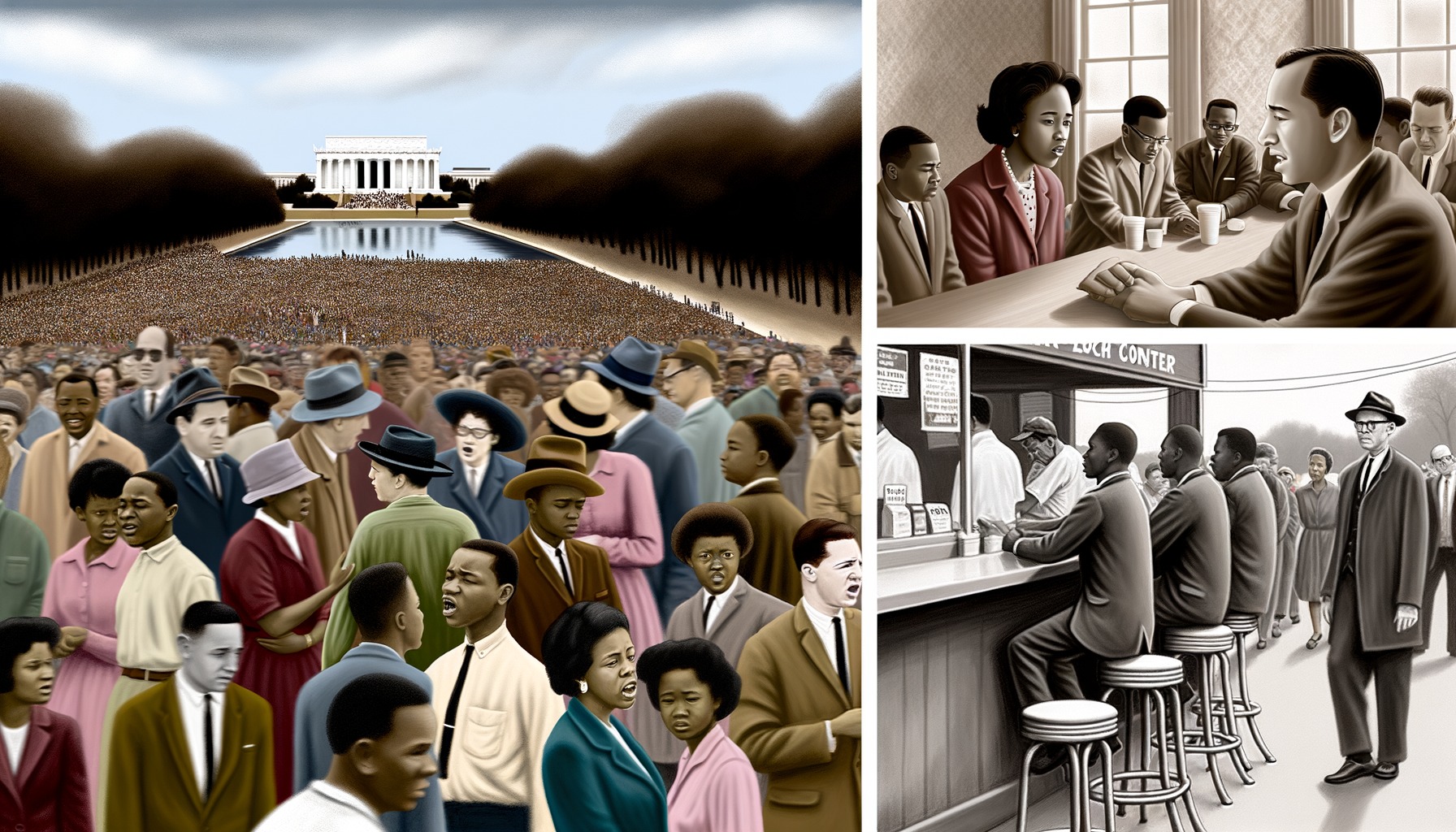
The March on Washington for Jobs and Freedom on August 28, 1963, was the largest demonstration in American history to that point — 250,000 people gathered at the Lincoln Memorial on a Wednesday in August, a crowd so large that its organizers had spent weeks worrying the logistics would collapse. It didn't collapse. It was orderly, peaceful, and electric. The march was organized by A. Philip Randolph, the 74-year-old labor leader who had first proposed a march on Washington in 1941 and been talked out of it by Franklin Roosevelt's promise of an executive order banning discrimination in defense industries, and by Bayard Rustin, a gay Black organizer whose logistical genius put 250,000 people in the right place on the right day — and who was kept in the background because his sexual orientation was considered politically radioactive.
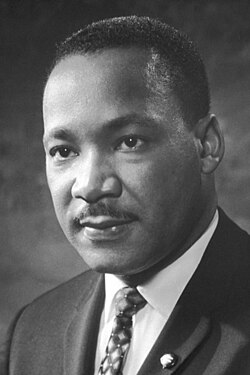
Ten speakers addressed the crowd. John Lewis, then 23 and chairman of SNCC, delivered a speech that had been watered down under pressure from march organizers who feared its militancy would alienate the Kennedy administration and congressional moderates. The original text called for marching through the heart of Dixie the way Sherman did, nonviolently but without quarter. Lewis was persuaded to soften it. The address he delivered was still the most confrontational of the day. The last speaker was Martin Luther King Jr., who had prepared a formal address. Partway through, the gospel singer Mahalia Jackson, standing behind him on the platform, called out: "Tell them about the dream, Martin." King set aside his text and delivered the improvised peroration that became the "I Have a Dream" speech — the most celebrated piece of American oratory since the Gettysburg Address.
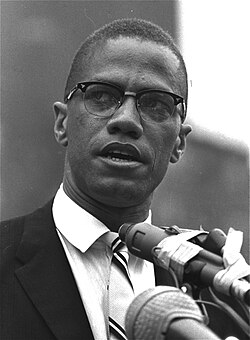
The march's immediate political impact was real but complicated. Kennedy watched it on television from the White House and met with the leaders afterward, calling it "impressive." It built pressure for the civil rights legislation he had proposed in June and that Johnson would pass the following year. But it also revealed tensions within the movement — between those who believed in working within the system and those who had concluded the system required fundamental structural change, between the integrationist vision King articulated and the separatist currents that Malcolm X was simultaneously amplifying. King's dream was beautiful and necessary and true. The question of whether American institutions were capable of making it real was already being answered, in the streets of Birmingham and the jails of Mississippi, with more ambiguity than the Lincoln Memorial's grandeur suggested.
| Date | August 28, 1963 |
| Location | Lincoln Memorial, Washington, D.C. |
| Attendance | ~250,000 |
| Organizers | A. Philip Randolph, Bayard Rustin |
| Key speeches | John Lewis (SNCC); Martin Luther King Jr. |
| King's speech | "I Have a Dream" (partly improvised) |
| Demand | Civil rights legislation and economic justice |
| Political result | Built momentum for Civil Rights Act of 1964 |
| Date | August 28, 1963 |
| Location | Washington, D.C. |