Civil Rights Era
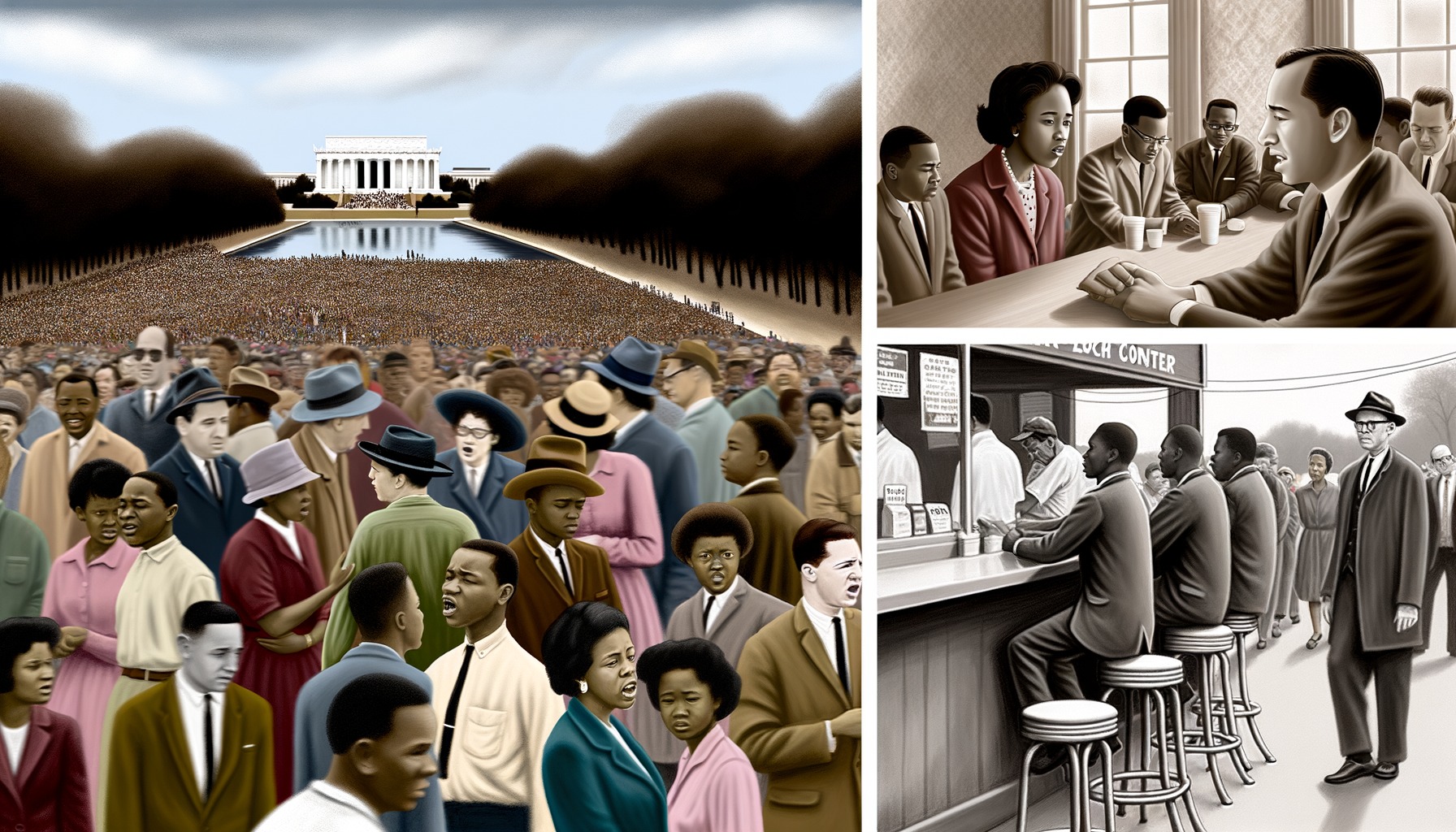
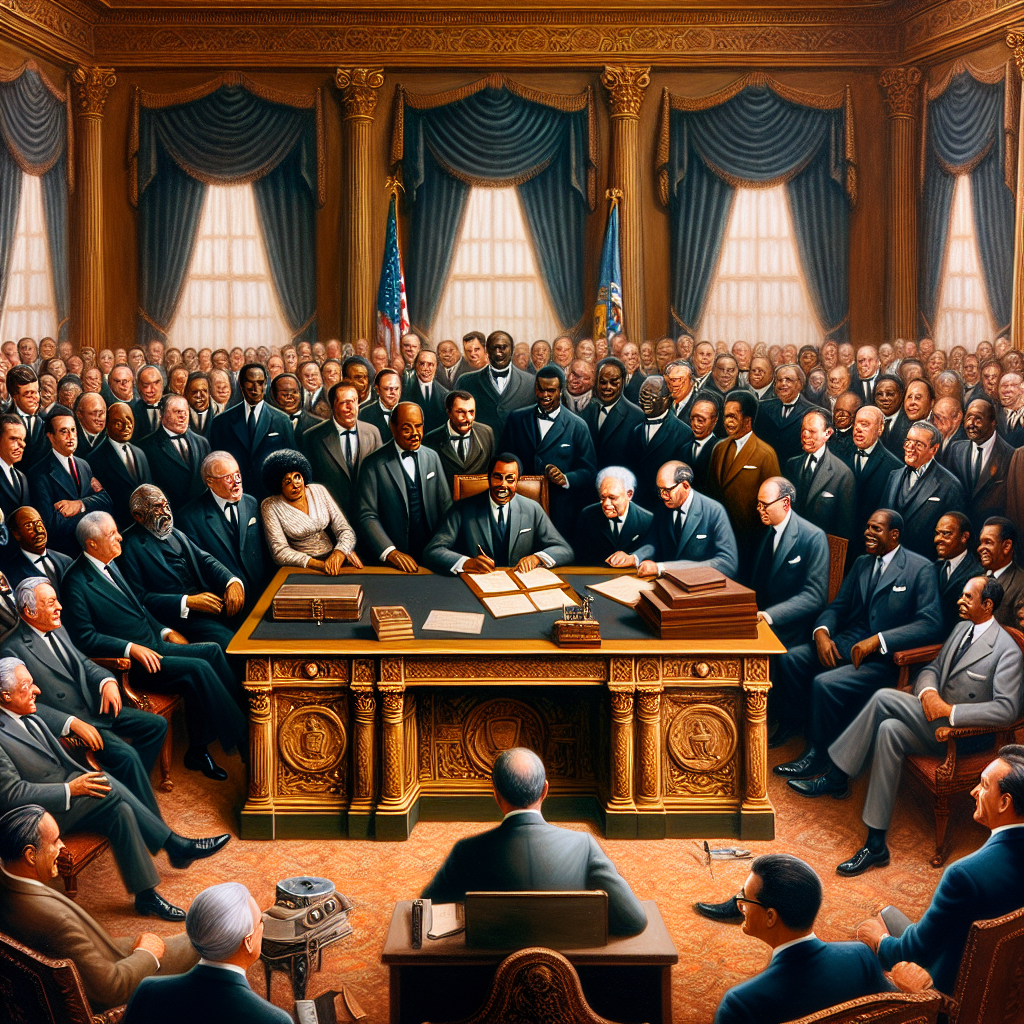
The fourteen years between Brown v. Board of Education in May 1954 and the assassination of Martin Luther King Jr. in April 1968 produced more federal civil rights legislation than the previous 89 years combined. Brown declared school segregation unconstitutional. The Civil Rights Act of 1964 banned discrimination in public accommodations and employment. The Voting Rights Act of 1965 dismantled the legal architecture that had stripped Black Americans of the franchise across the South. The Fair Housing Act of 1968 outlawed discrimination in housing. Each of these laws was extracted from a Congress and a country that had to be moved by organized, sustained, public Black demand.
The movement that produced these laws was less a single organization than a coalition of overlapping campaigns. The NAACP Legal Defense Fund, led by Thurgood Marshall, won Brown through two decades of careful litigation. The Montgomery Bus Boycott of 1955–56, sparked by Rosa Parks and led by King, demonstrated that economic boycotts and nonviolent direct action could move local power. The Student Nonviolent Coordinating Committee, founded in 1960 after the Greensboro sit-ins, drove voter registration in Mississippi at gunpoint. The Southern Christian Leadership Conference, the Congress of Racial Equality, and dozens of local organizations sustained the pressure that brought federal action.
The federal response was forced and reluctant. President Eisenhower sent federal troops to Little Rock in 1957 only after Governor Orval Faubus had openly defied a court order. John Kennedy was more comfortable making civil rights speeches than passing civil rights legislation; the 1963 March on Washington was meant to pressure his administration, not celebrate it. Kennedy's assassination in November 1963 brought Lyndon Johnson to the presidency — a Texas politician who, despite his earlier segregationist record, used every legislative skill he possessed to push the Civil Rights and Voting Rights Acts through a Senate that had killed civil rights bills for a century.
By 1968 the legal foundation of Jim Crow was demolished — and the limits of what legal change alone could accomplish were becoming visible. Urban uprisings in Watts in 1965, Newark in 1967, and Detroit in 1967 exposed economic and policing realities that civil rights laws had not addressed. The movement itself fractured between integrationist and Black Power strands. King's assassination in Memphis on April 4, 1968 — where he had gone to support striking sanitation workers — marked the symbolic end of the era. The Voting Rights Act remained intact, but the work of making American democracy actually multiracial was only beginning.

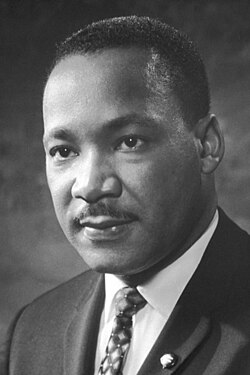
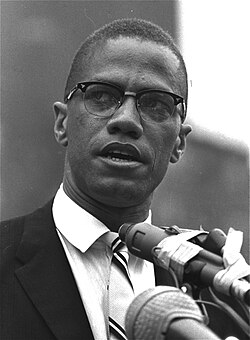

| Duration | 14 years (1954–1968) |
| Brown v. Board of Education | May 17, 1954 |
| Montgomery Bus Boycott | December 1955 – December 1956 |
| March on Washington | August 28, 1963 |
| Civil Rights Act | July 2, 1964 |
| Voting Rights Act | August 6, 1965 |
| Fair Housing Act | April 11, 1968 |
| MLK assassinated | April 4, 1968, Memphis, Tennessee |
| Date | May 17, 1954 – April 4, 1968 |
| Location | United States |