Los Angeles
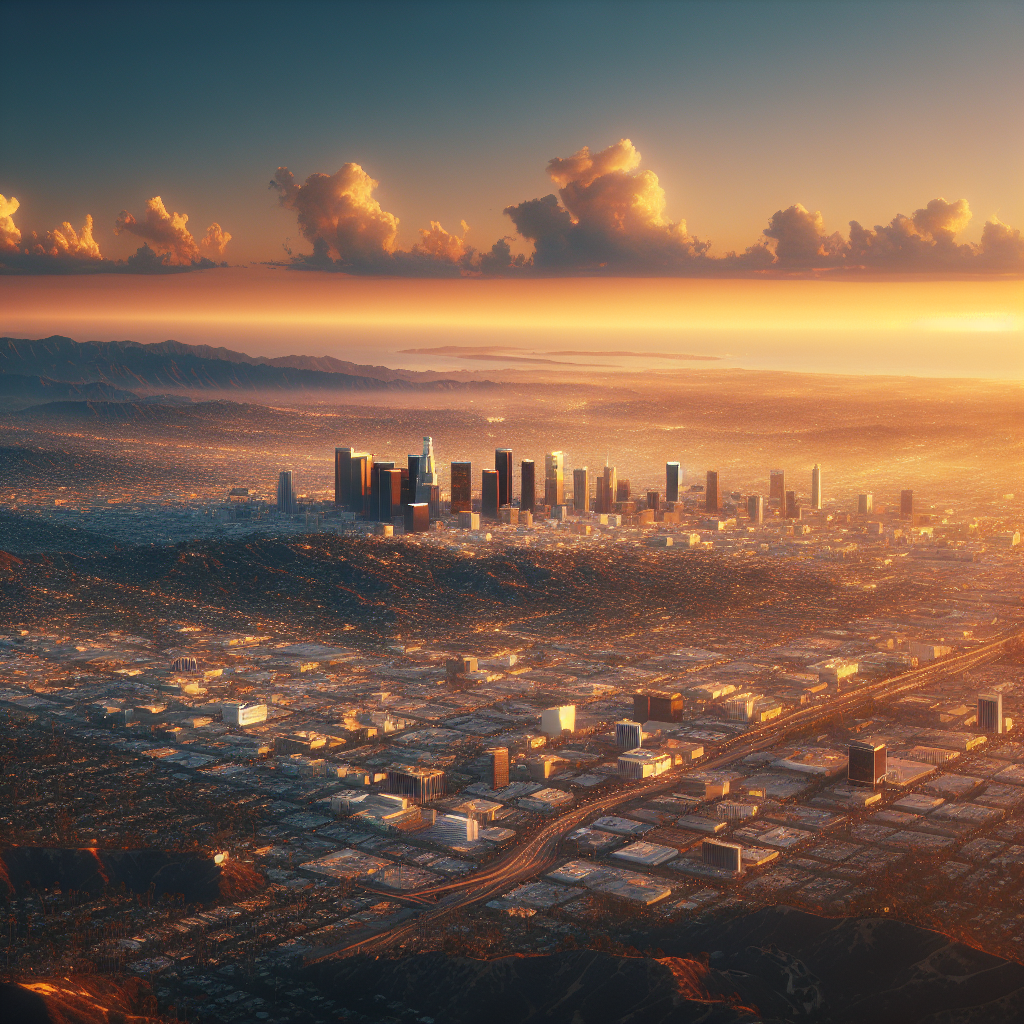
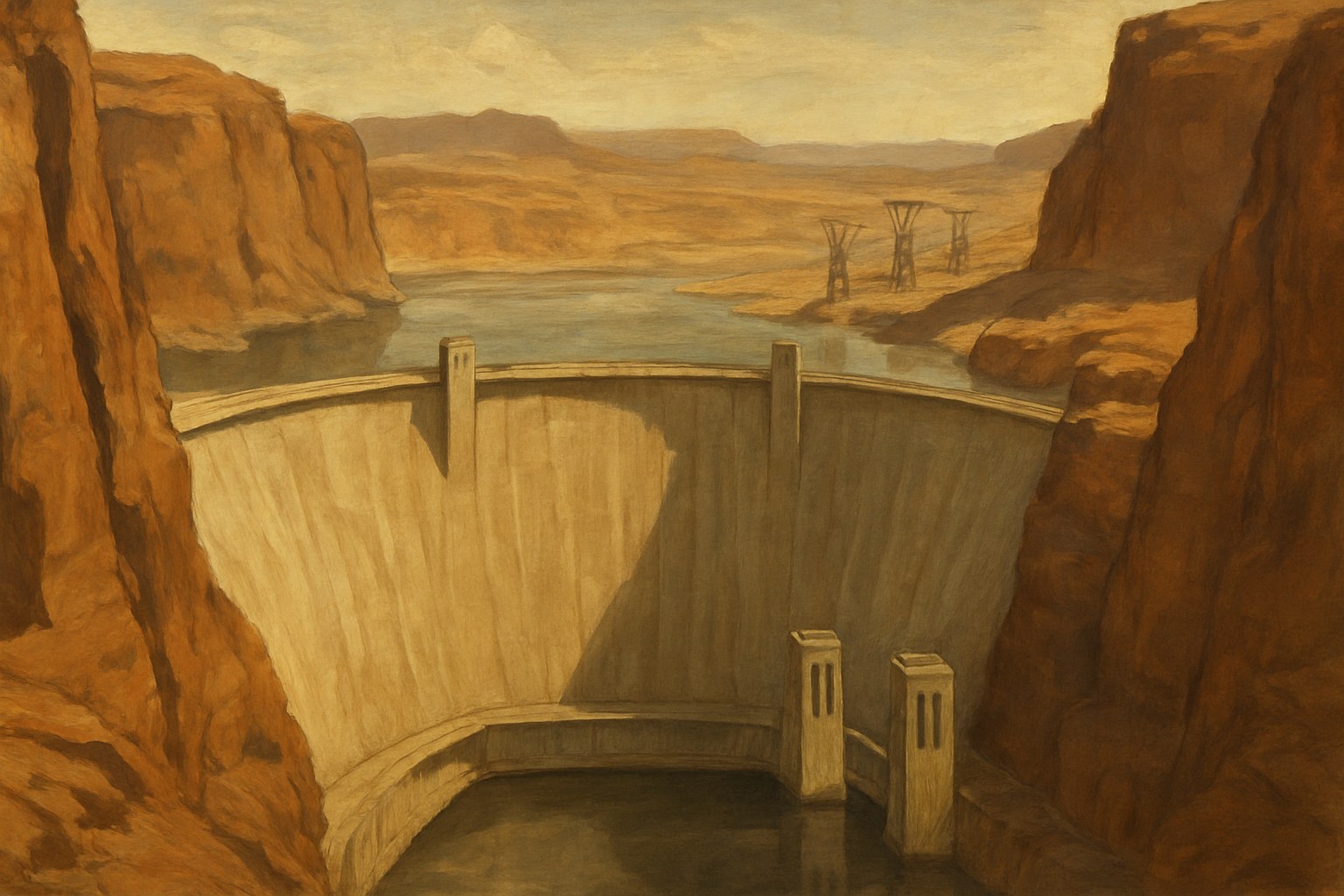
Los Angeles was a small Spanish mission town of a few thousand people when California joined the United States in 1850. Within a century it had become the second-largest city in the country, a growth rate without parallel in American urban history. The city had no navigable river, no natural harbor deep enough for large ships, and no reliable local water supply — every one of those deficiencies was overcome by engineering, capital, and a promotional machine that sold Southern California sunshine to a cold and crowded East. The completion of the transcontinental railroad connection to Los Angeles in 1876 and the arrival of the Los Angeles Aqueduct water from the Owens Valley in 1913 were the two infrastructure events that made the city possible at scale.
The film industry arrived in the 1910s, drawn by the reliable light, the varied terrain, and the distance from Thomas Edison's patent enforcers on the East Coast. By the 1920s Hollywood had made Los Angeles the cultural capital of American popular entertainment and the most recognizable city on earth in terms of its imagery. The defense industry of World War II and the Cold War poured federal money into Southern California aerospace and manufacturing, drawing millions of workers — Black Americans from the South, Latinos from Mexico and Central America, Asian immigrants from across the Pacific — and making Los Angeles the most ethnically complex major city in the United States.
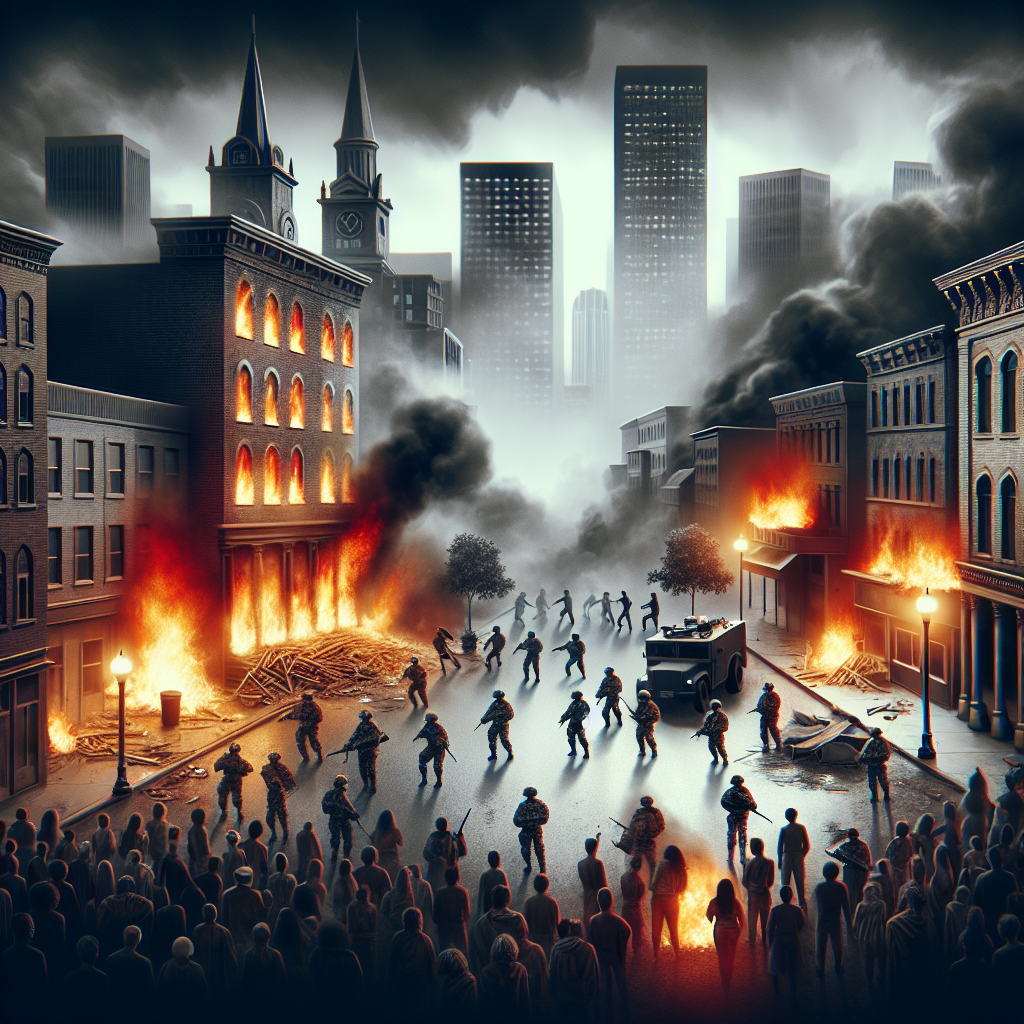
The city's contradictions have produced recurring crises. The Zoot Suit Riots of 1943, the Watts Riots of 1965, and the Los Angeles Riots of 1992 — triggered by the acquittal of police officers who beat Rodney King on videotape — each exposed the gap between the city's self-image as an open, opportunity-rich metropolis and the reality of its racial hierarchies. Los Angeles remains the center of the American entertainment industry, the largest port complex in the Western Hemisphere, and a city whose demographics — no single ethnic or racial majority — may be the most accurate preview of what the United States as a whole will look like in the mid-21st century.
| Founded | 1781, as El Pueblo de Los Ángeles |
| State | California |
| Key infrastructure | LA Aqueduct from Owens Valley, completed 1913 |
| Film industry | Hollywood established as film capital, 1910s–1920s |
| Major events | Watts Riots (1965); LA Riots (1992) |
| Port | Port of Los Angeles/Long Beach — largest in Western Hemisphere |
| Population | Approximately 3.9 million city; 13.2 million metro (2020) |
| Years | 1781 |
| Location | Los Angeles, California |