Seattle
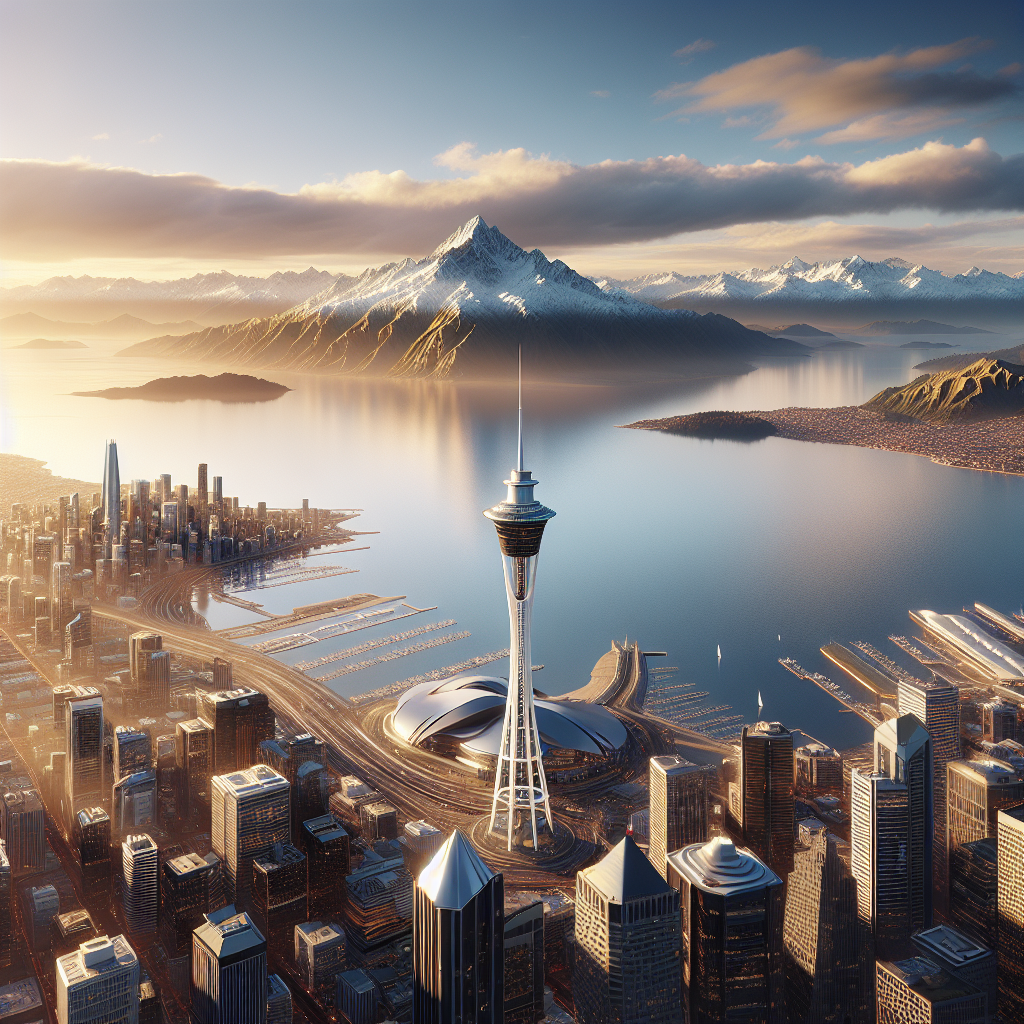
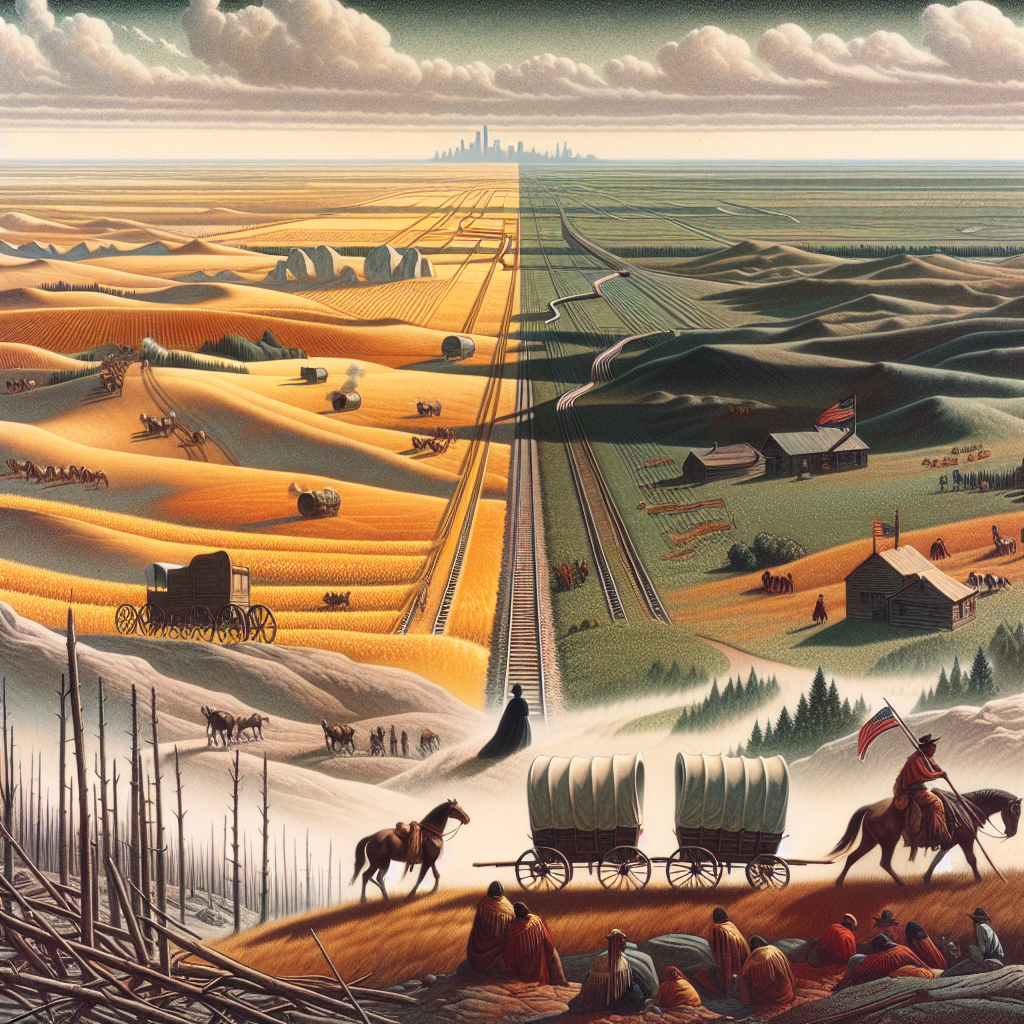
Seattle sits at the far northwestern corner of the contiguous United States, on a narrow strip of land between Puget Sound and Lake Washington, surrounded by mountains and close enough to Canada that the border has always shaped its economy and character. The Duwamish people had lived on the land for thousands of years when American settlers arrived in the early 1850s and named their town after Chief Seattle of the Suquamish and Duwamish tribes — one of the few American cities to bear an Indigenous name with a direct connection to the people who were displaced to make room for it. The city incorporated in 1869 and grew steadily until the Klondike Gold Rush of 1897 transformed it almost overnight into the primary outfitting and embarkation point for prospectors heading to Alaska.
The Boeing Company, founded in Seattle in 1916, became the defining institution of the city's 20th century. Boeing's wartime production of B-17 and B-29 bombers made Seattle an essential node in the American war effort; its postwar commercial aviation dominance made it a global industrial capital. The company's fortunes set the rhythm of Seattle's economy for decades — a 1971 billboard near the airport read "Will the last person leaving Seattle please turn out the lights?" during a Boeing-driven recession. The technology industry that arrived in the 1980s with Microsoft and in the 1990s with Amazon diversified the city's economic base and made the Seattle metropolitan area one of the wealthiest in the United States.
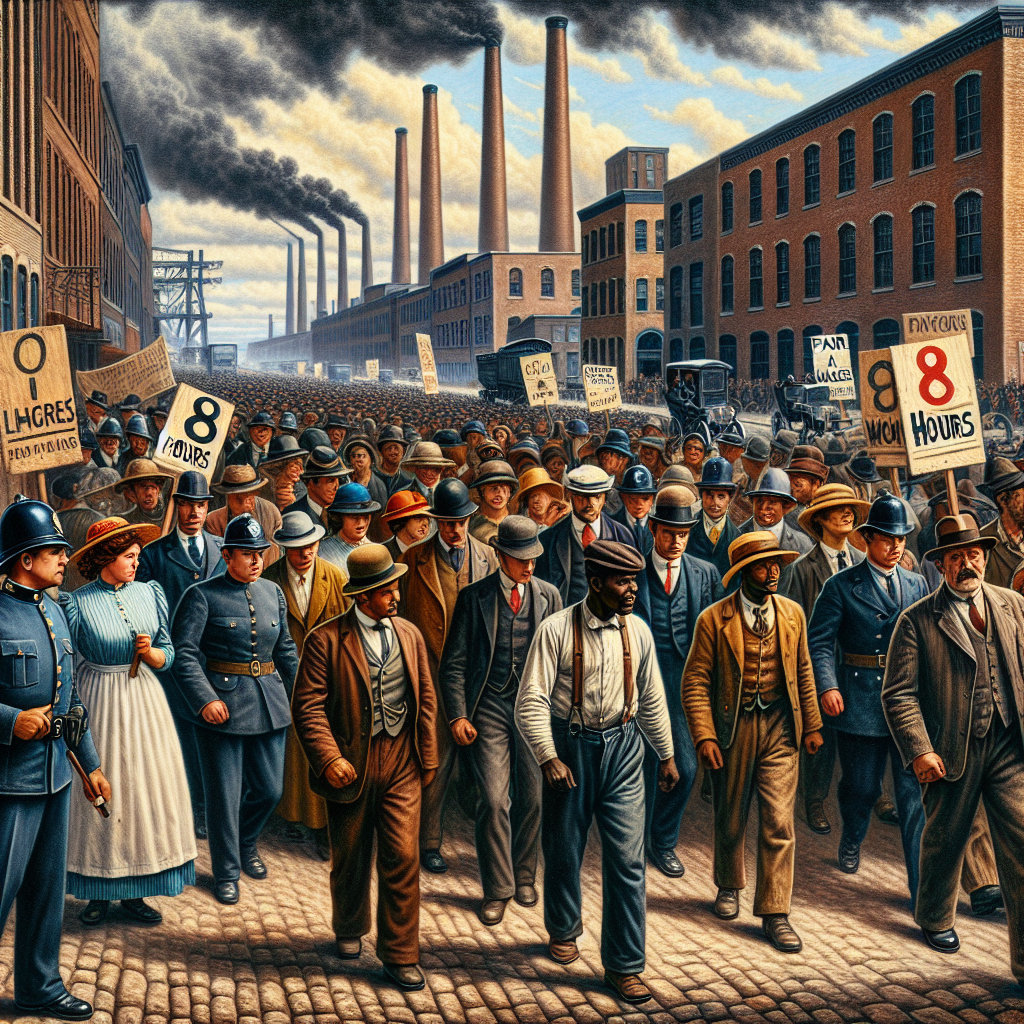
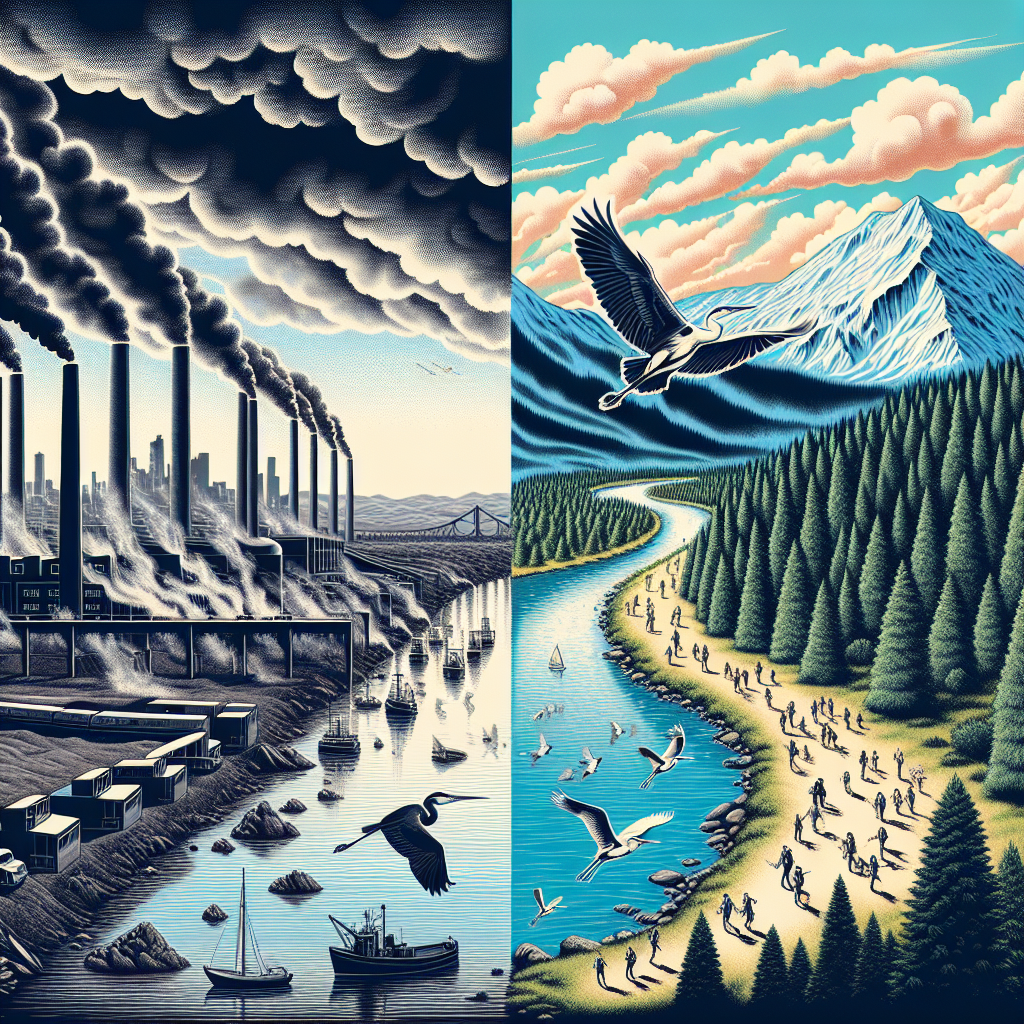
Seattle has been a laboratory for American labor and progressive politics since the general strike of 1919 — the first city-wide general strike in American history — through the World Trade Organization protests of 1999, which introduced the term anti-globalization to mainstream political discourse. Chief Seattle's 1854 speech, often quoted as a meditation on the relationship between humanity and the natural world, was substantially rewritten by later editors but remains one of the most cited and debated texts in the literature of American environmentalism.

| Founded | 1851; incorporated 1869 |
| State | Washington |
| Named for | Chief Seattle of the Suquamish and Duwamish tribes |
| Gold Rush role | Primary outfitting point for Klondike Gold Rush, 1897 |
| Key industry | Boeing (1916); Microsoft (1975); Amazon (1994) |
| Labor history | First citywide general strike in U.S. history, 1919 |
| Population | Approximately 737,000 city; 4 million metro (2020) |
| Years | 1851 |
| Location | Seattle, Washington |