Early Republic
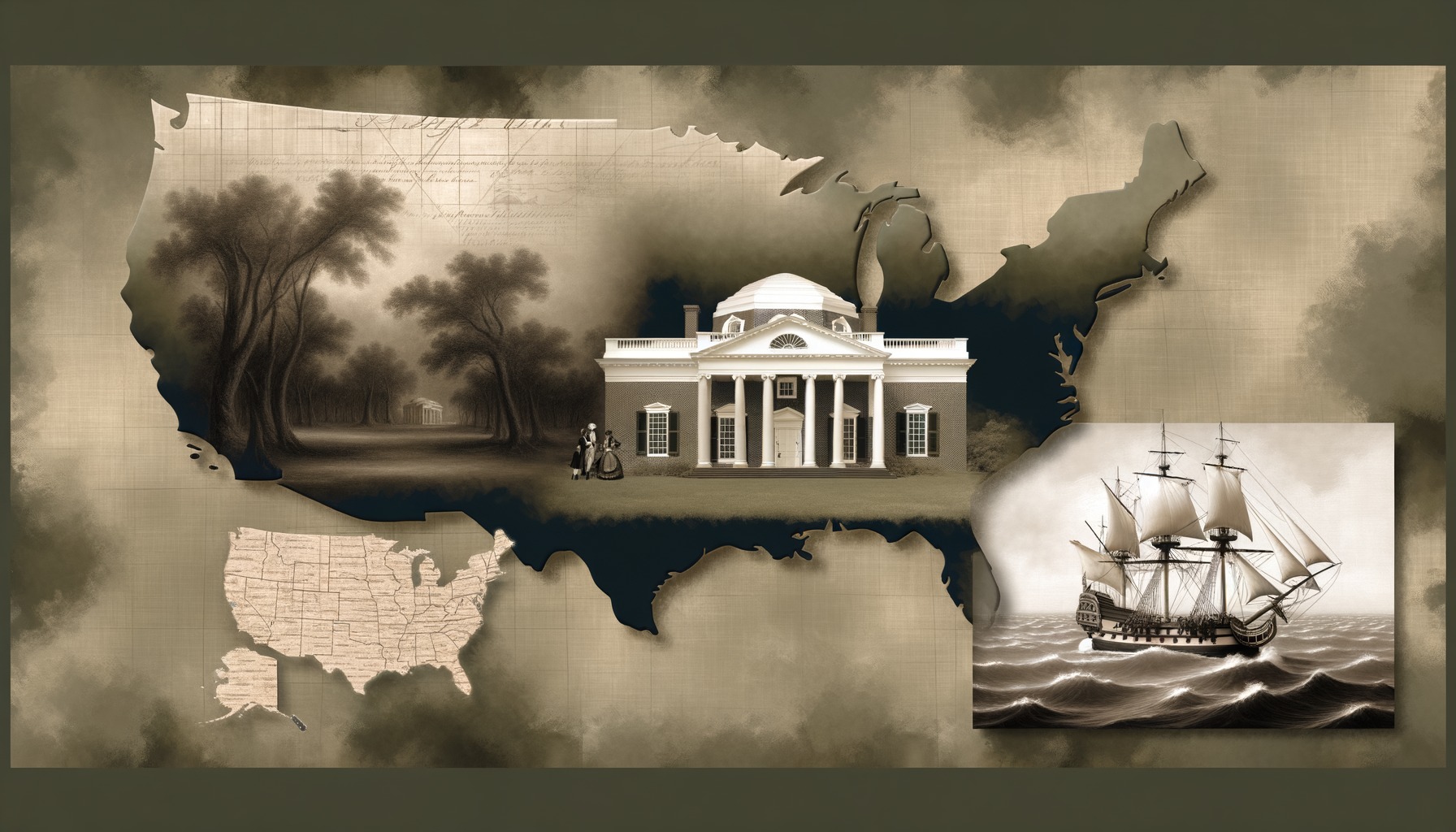
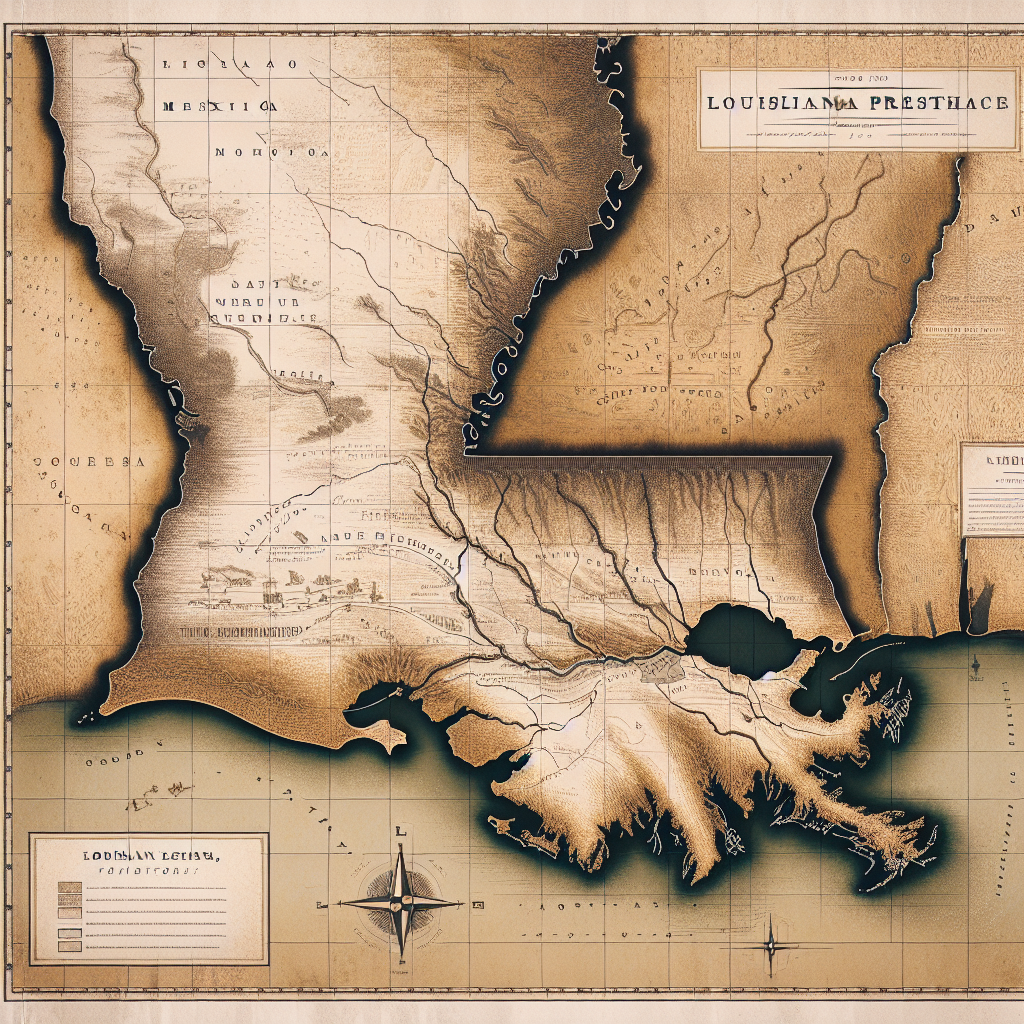
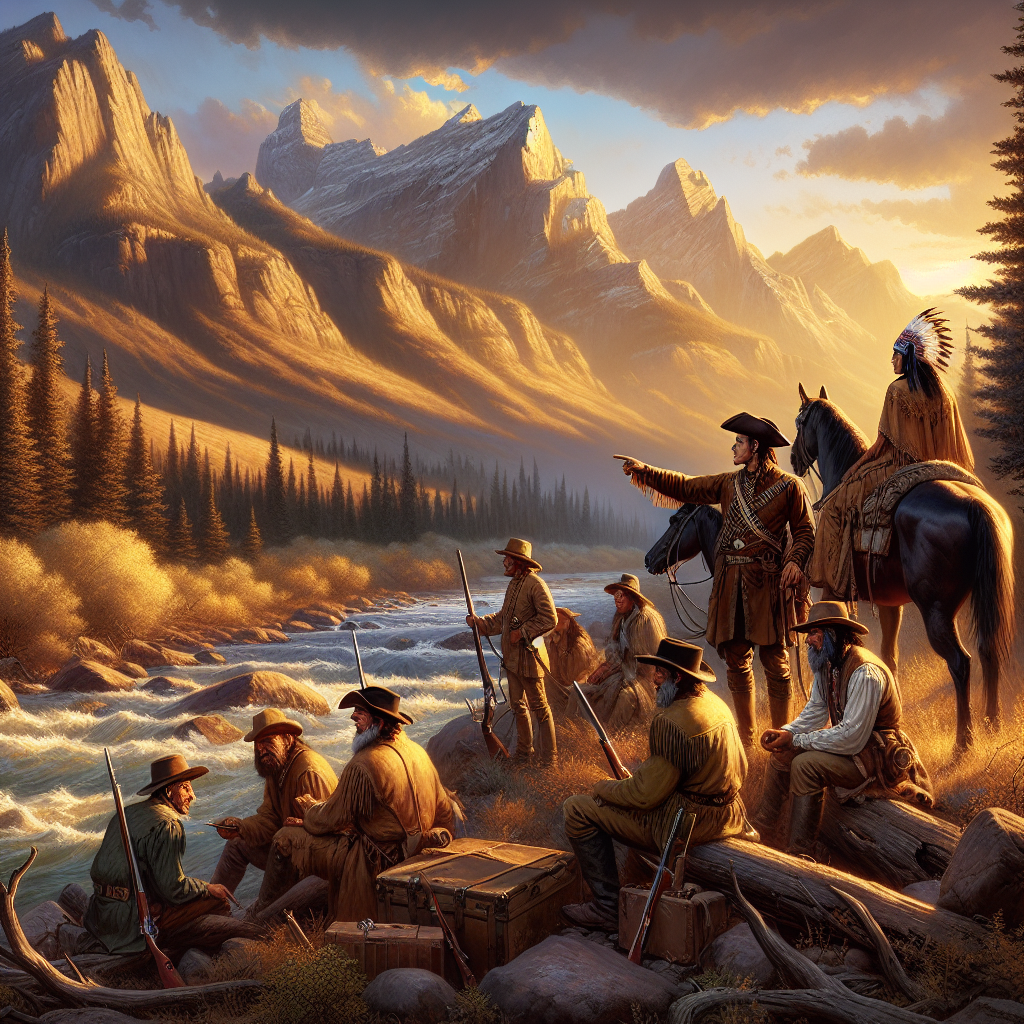
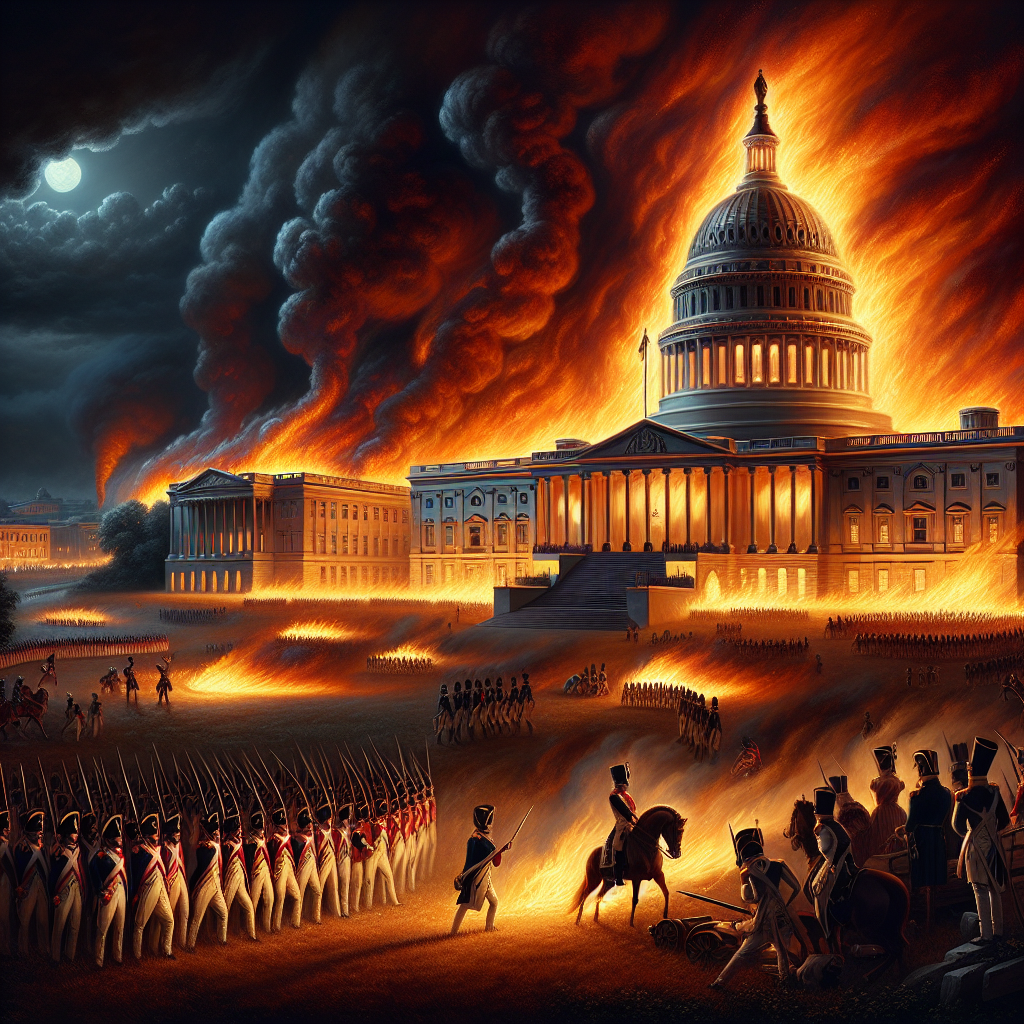
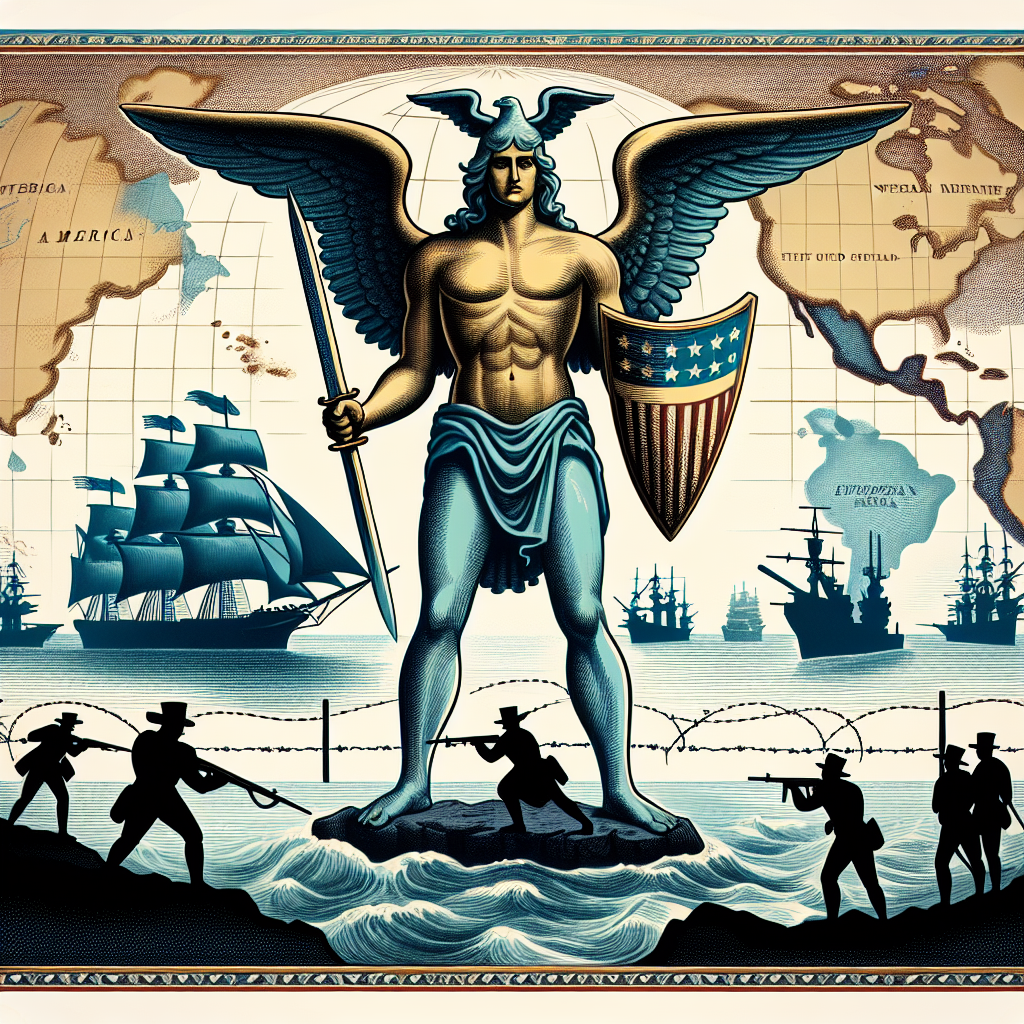
The 28 years between Thomas Jefferson's 1801 inauguration and Andrew Jackson's 1829 swearing-in transformed the United States from a fragile coastal experiment into a continental power. The Louisiana Purchase doubled the country's territory overnight in 1803. The Lewis and Clark Expedition mapped a path to the Pacific. The War of 1812 — a strange, almost-lost second war with Britain — established that the republic could survive a foreign invasion. The Monroe Doctrine of 1823 declared the Western Hemisphere off-limits to further European colonization, a bold claim from a nation still too weak to enforce it militarily.
This was the era of the Virginia Dynasty — Jefferson, Madison, and Monroe occupied the presidency for 24 of the 28 years between 1801 and 1825, all of them slaveholding planters from a single state. The Federalist Party, which had built the financial and constitutional architecture of the new nation under Washington and Adams, collapsed after the War of 1812. By 1820, the Jeffersonian Republicans were so dominant that James Monroe won reelection without an electoral opponent — the so-called Era of Good Feelings, a phrase that would prove premature.
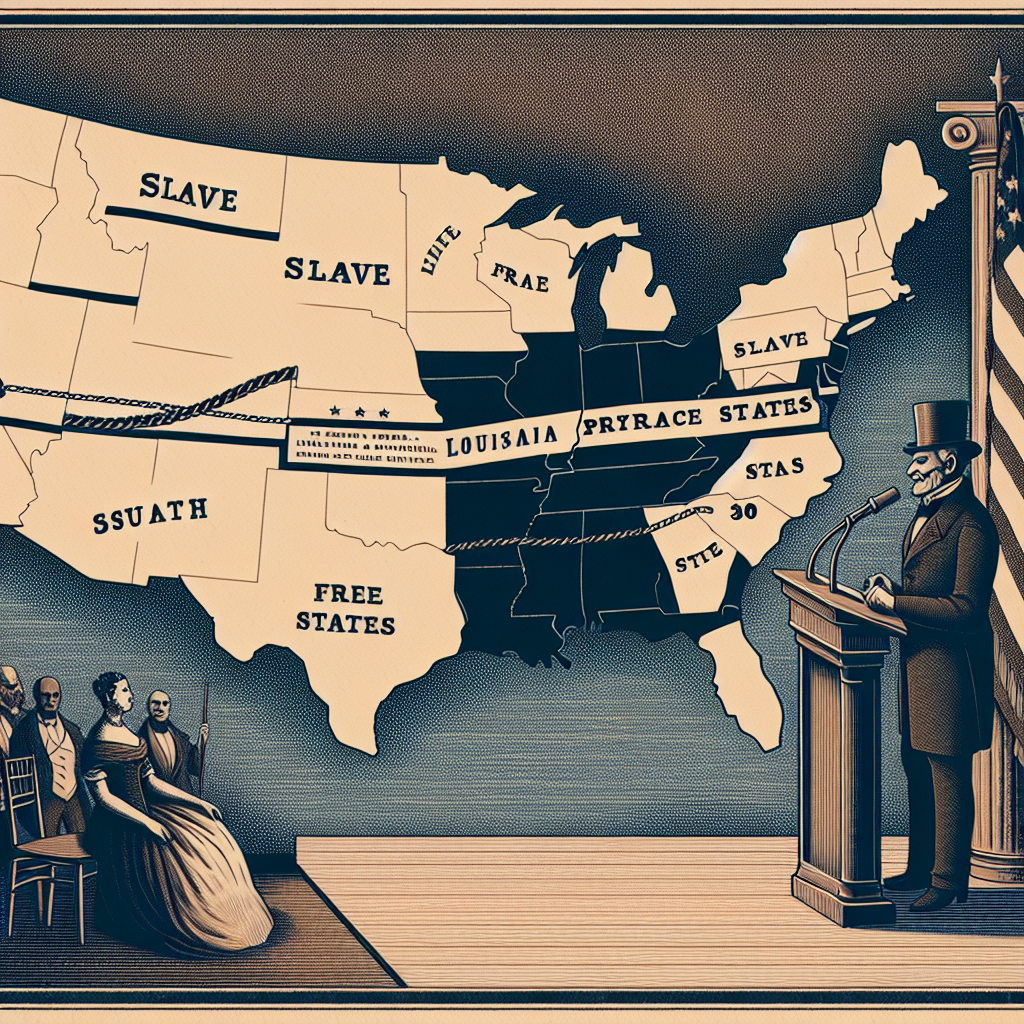
The Missouri Compromise of 1820 revealed what the good feelings had concealed. Missouri's application for statehood as a slave state forced Congress to confront the question the founders had deferred: whether new territory carved from the Louisiana Purchase would be slave or free. The compromise admitted Missouri as a slave state, Maine as a free state, and drew a geographic line — 36°30' — across the rest of the territory. Jefferson, writing from Monticello, called the news "a fire bell in the night" and predicted it would mark the knell of the Union. He was off by 40 years.
By 1828, the political order built around landed gentlemen-statesmen was visibly collapsing. Property requirements for voting had been dropped by most states. The election of 1828 brought Andrew Jackson — a frontier general with no formal education and a famously violent temper — to the White House on a wave of white male democratic enthusiasm that the founders had specifically tried to channel and constrain. The republic the founders had built was about to be remade in an image they would not have recognized.
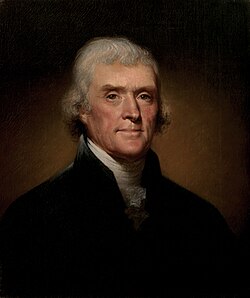
| Duration | 28 years (1800–1828) |
| Louisiana Purchase | April 30, 1803 — territory doubled |
| Lewis and Clark Expedition | 1804–1806 |
| War of 1812 | 1812–1815 |
| Monroe Doctrine | December 2, 1823 |
| Missouri Compromise | March 6, 1820 |
| Presidents | Jefferson, Madison, Monroe, J.Q. Adams |
| End of era | Election of Andrew Jackson, 1828 |
| Date | March 4, 1801 – March 4, 1829 |
| Location | United States |