Morrill Act
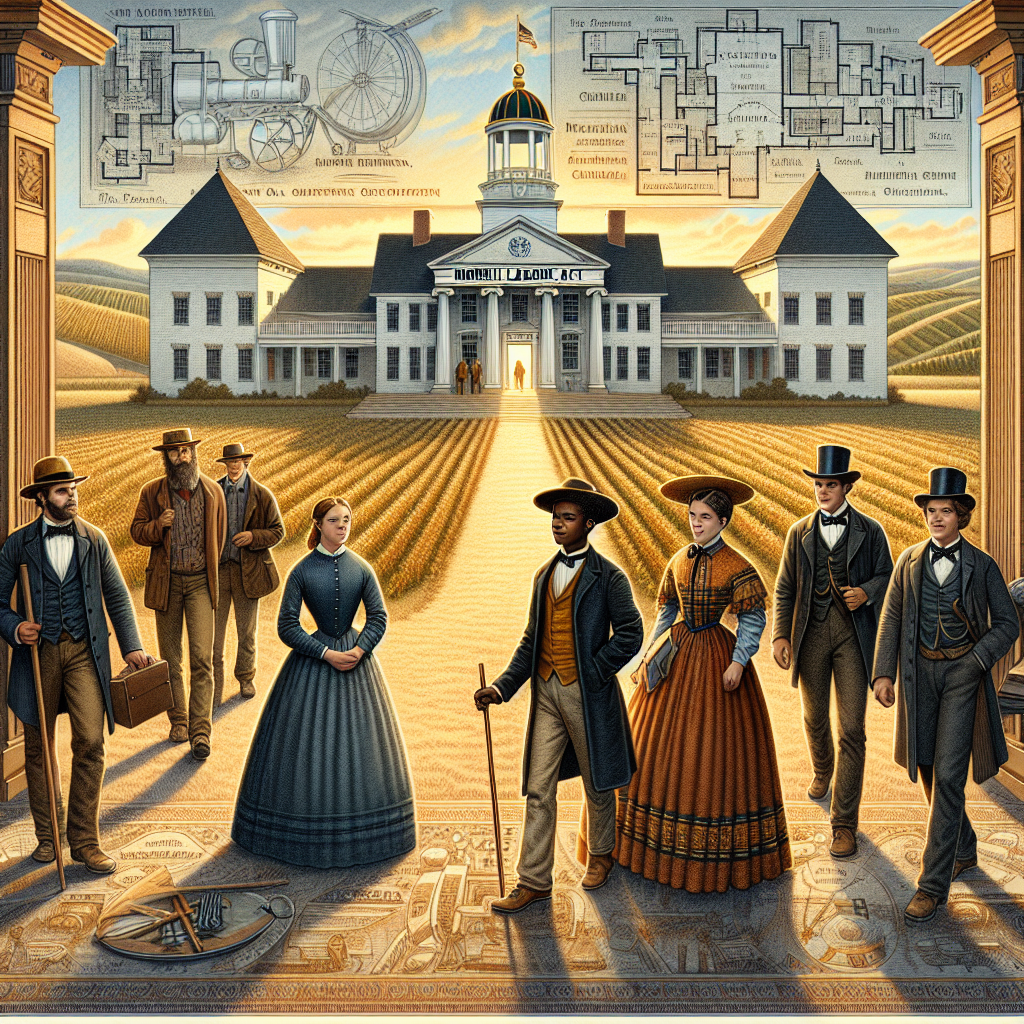
Justin Morrill was a Vermont congressman with no college degree who spent nearly a decade pushing a bill that would have seemed utopian to anyone who thought seriously about it: the federal government would give each state 30,000 acres of public land per congressional representative, and states would use the proceeds to fund colleges teaching agriculture, engineering, and the "mechanic arts." The first Morrill Act passed Congress in 1859. President Buchanan vetoed it as unconstitutional. Lincoln signed the revised version on July 2, 1862 — the same summer as the Pacific Railway Act and the Homestead Act, a legislative trio that together remade the American interior.
The land-grant institutions created under the Morrill Act include some of the largest and most consequential universities in the country: Cornell, MIT, the University of California system, Michigan State, Iowa State, Texas A&M, and 59 others. They were built on a democratic premise that was genuinely radical for 1862: that a farmer's son or a mechanic's daughter deserved access to rigorous higher education, and that practical knowledge — agronomy, engineering, veterinary science — was as worthy of university study as Latin and Greek. By the late 19th century, the agricultural experiment stations attached to land-grant colleges were generating scientific advances in crop yields that fed a rapidly industrializing nation.
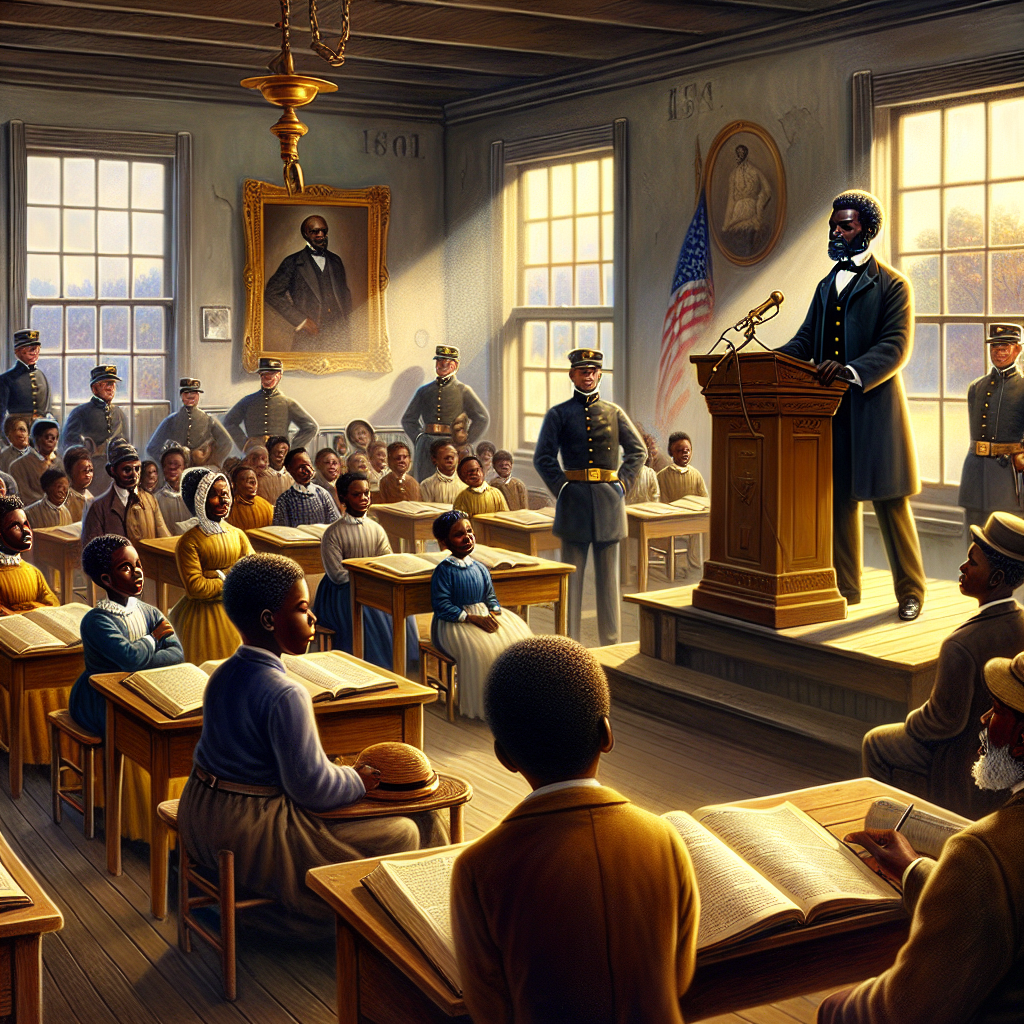
The 1890 Second Morrill Act extended land-grant funding with a condition that was simultaneously progressive and accommodating: states could receive funds only if they admitted students without racial discrimination, or if they established separate institutions for Black students. Most Southern states chose the latter, creating the historically Black colleges and universities — including Tuskegee, Florida A&M, and Alcorn State — that educated generations of Black Americans shut out of white land-grant institutions. The system's dual architecture preserved both the democratic aspiration and the racial hierarchy of the era that produced it.



| First Morrill Act | July 2, 1862 (signed by Lincoln) |
| Second Morrill Act | 1890 (extended funding; established HBCU land-grants) |
| Sponsor | Representative (later Senator) Justin Morrill of Vermont |
| Land grant | 30,000 acres per congressional representative per state |
| Institutions created | 69+ colleges and universities |
| Notable land-grants | Cornell, MIT, UC system, Texas A&M, Michigan State |
| HBCU land-grants | Tuskegee, Florida A&M, Alcorn State, and others |
| Date | Signed July 2, 1862 |
| Location | Washington, D.C. |