The National Grange
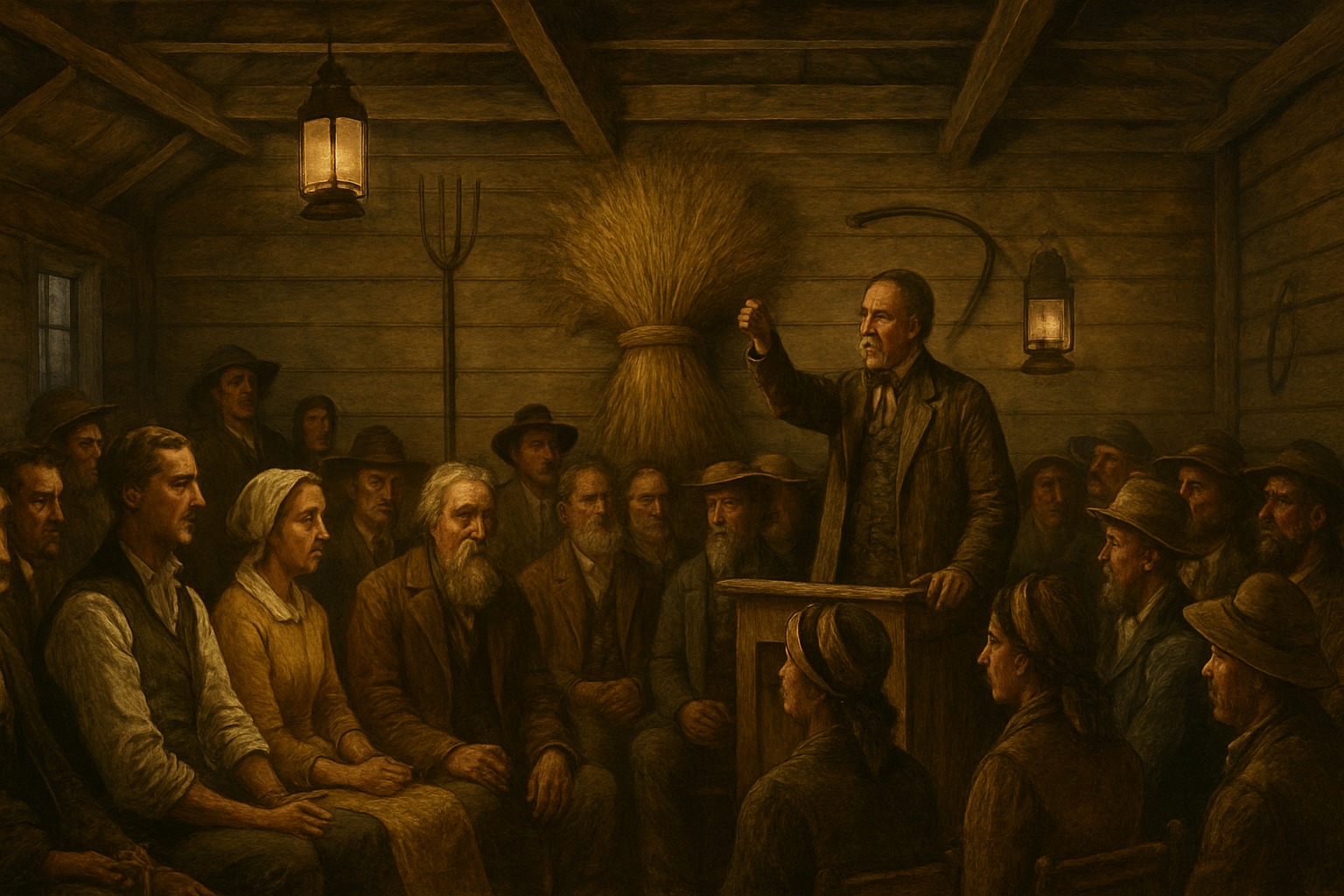
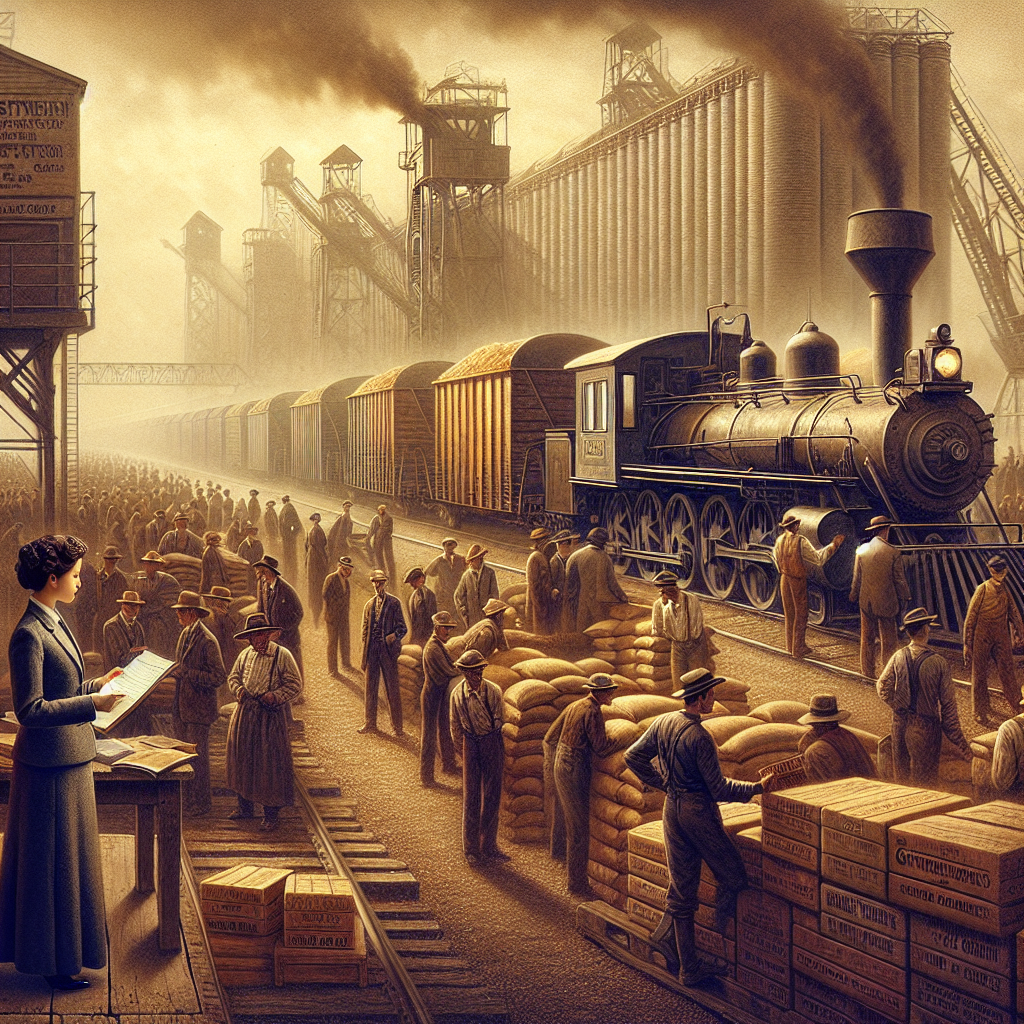
In the hard years after the Civil War, American farmers found themselves squeezed between falling crop prices and the powerful railroads and grain elevators that carried and stored their harvests. In 1867 Oliver Hudson Kelley founded the Order of the Patrons of Husbandry, known as the Grange, a fraternal society meant to combat the isolation of rural life through fellowship, education, and mutual aid. It spread across the farm belt with startling speed.
The Grange quickly became a political force. Convinced that the railroads and elevator operators were gouging them, Grangers organized to demand that state legislatures regulate freight and storage rates, and in several Midwestern states they succeeded, winning a set of measures known as the Granger Laws. When the railroads challenged that regulation, the Supreme Court upheld it in the 1877 case Munn v. Illinois, affirming that businesses affected with a public interest could be regulated by the states.
Beyond politics, the Grange tried to free farmers from the middlemen who profited off them. It organized cooperatives to buy supplies and sell crops, ran its own stores and even factories, and pioneered the kind of collective economic action that later farm movements would take up. Its lodges became centers of rural social life, open to women as full members at a time when few organizations were.
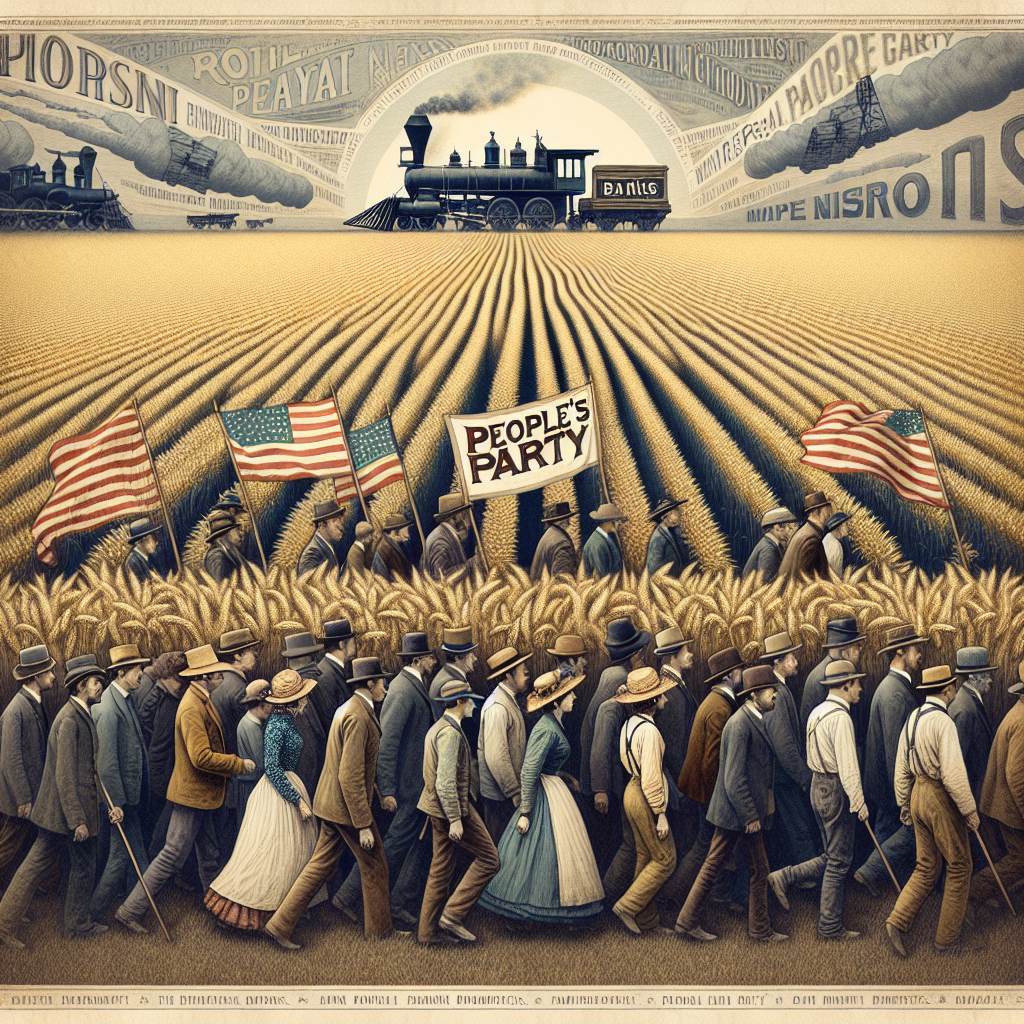
The Grange's political heyday faded, but the agrarian discontent it channeled did not. Its demands and its organizing helped seed the Farmers' Alliances and the Populist movement that shook American politics in the 1890s. Though diminished, the National Grange survives to this day as a rural civic organization — the enduring institution of a farmers' revolt that reshaped the relationship between government and business.
| Founded | 1867 |
| Founder | Oliver Hudson Kelley |
| Type | Farmers' fraternal order |
| Fight | Railroad and grain-elevator rates ("Granger Laws") |
| Court | Munn v. Illinois (1877) |
| Legacy | Seeded the Populist movement |
| Date | Founded 1867 |
| Location | Washington, D.C. |