American Exceptionalism
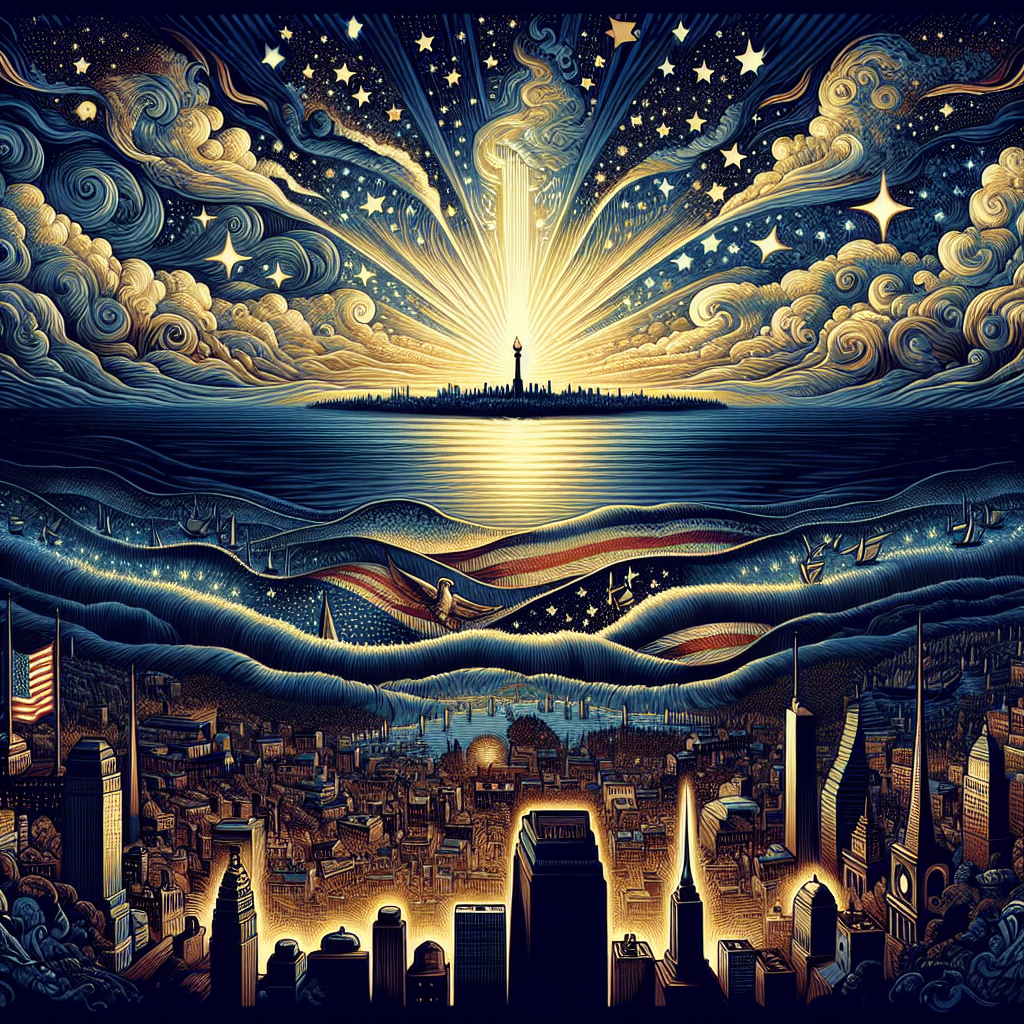
John Winthrop told the Massachusetts Bay colonists in 1630 that they would be "a city upon a hill" — watched by the world, obligated to succeed. It was a warning as much as a boast. But the phrase lodged itself in the American imagination, and over four centuries it became shorthand for a persistent conviction: that the United States is not merely a powerful nation but a different kind of nation, founded on universal principles rather than ethnicity, geography, or dynastic accident.
Alexis de Tocqueville gave the idea its name in 1831, observing that America was "exceptional" in its democratic culture, geographic circumstances, and absence of feudal inheritance. By the 20th century, exceptionalism had become both a foreign policy operating assumption and a domestic political touchstone. Every Cold War president invoked it. Ronald Reagan turned Winthrop's phrase into a campaign theme. Barack Obama, asked whether he believed in American exceptionalism, said he did — just as he suspected the British believed in British exceptionalism, a comparison that scandalized many of his critics.
The concept carries critics across the political spectrum. Historians point out that the "exceptional" nation also practiced slavery for 246 years, dispossessed indigenous peoples across a continent, and excluded women from civic life for most of its history. Others argue that exceptionalism, taken as license rather than obligation, produces exactly the arrogance it was originally meant to check — a nation so certain of its goodness that it stops examining its behavior.
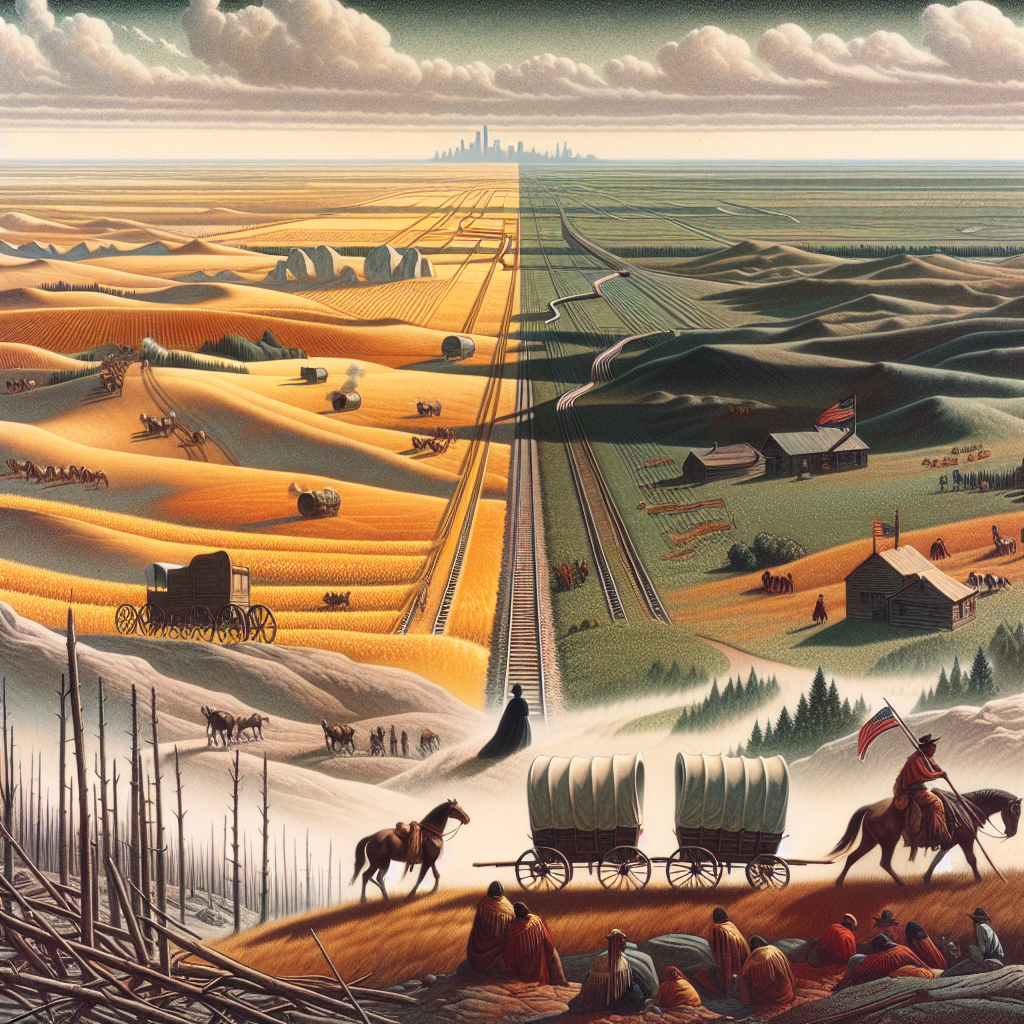
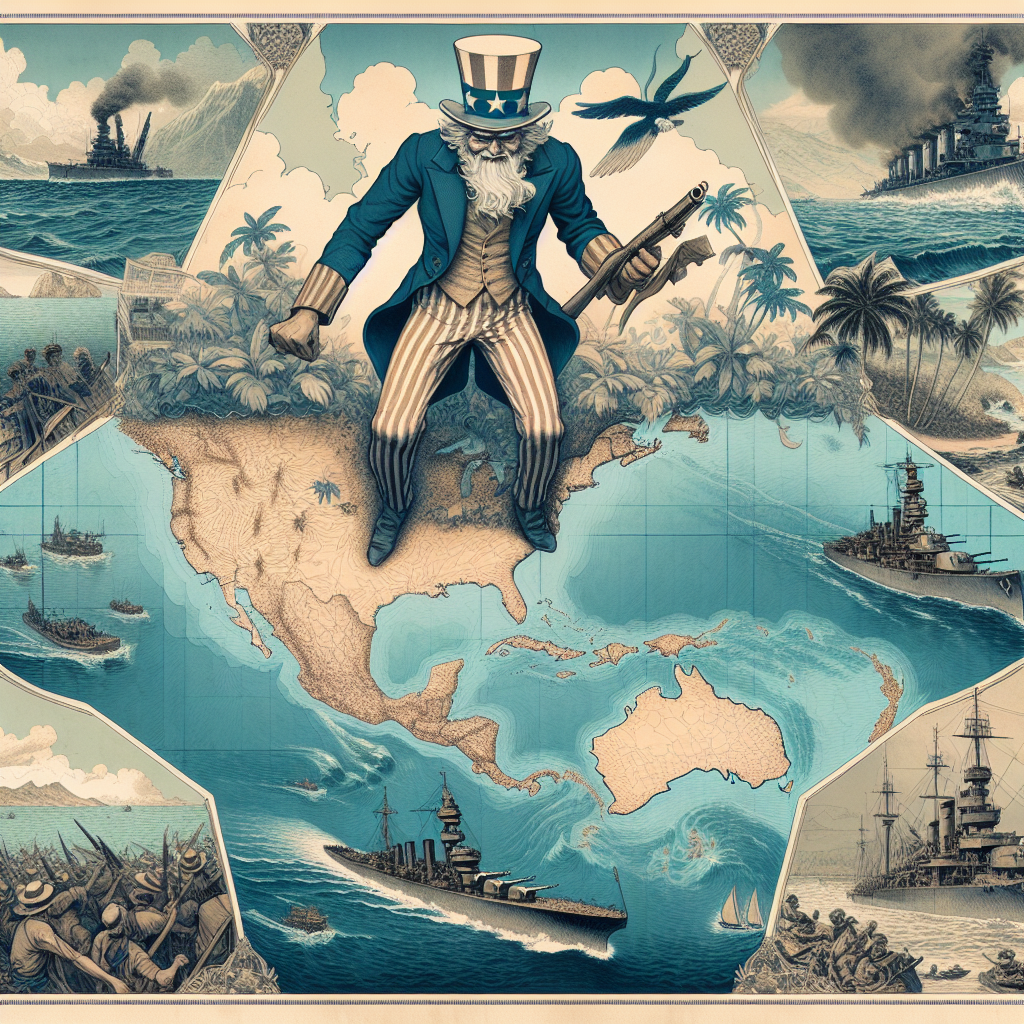
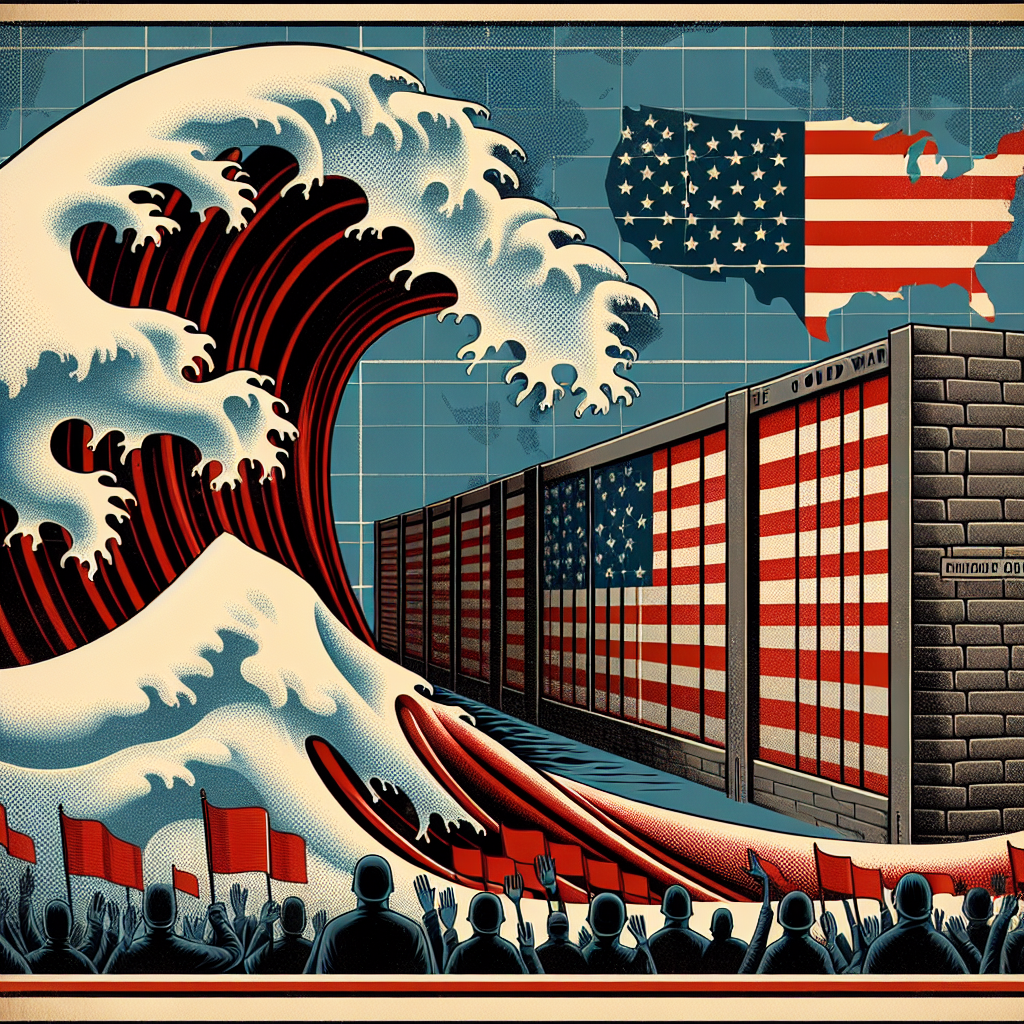
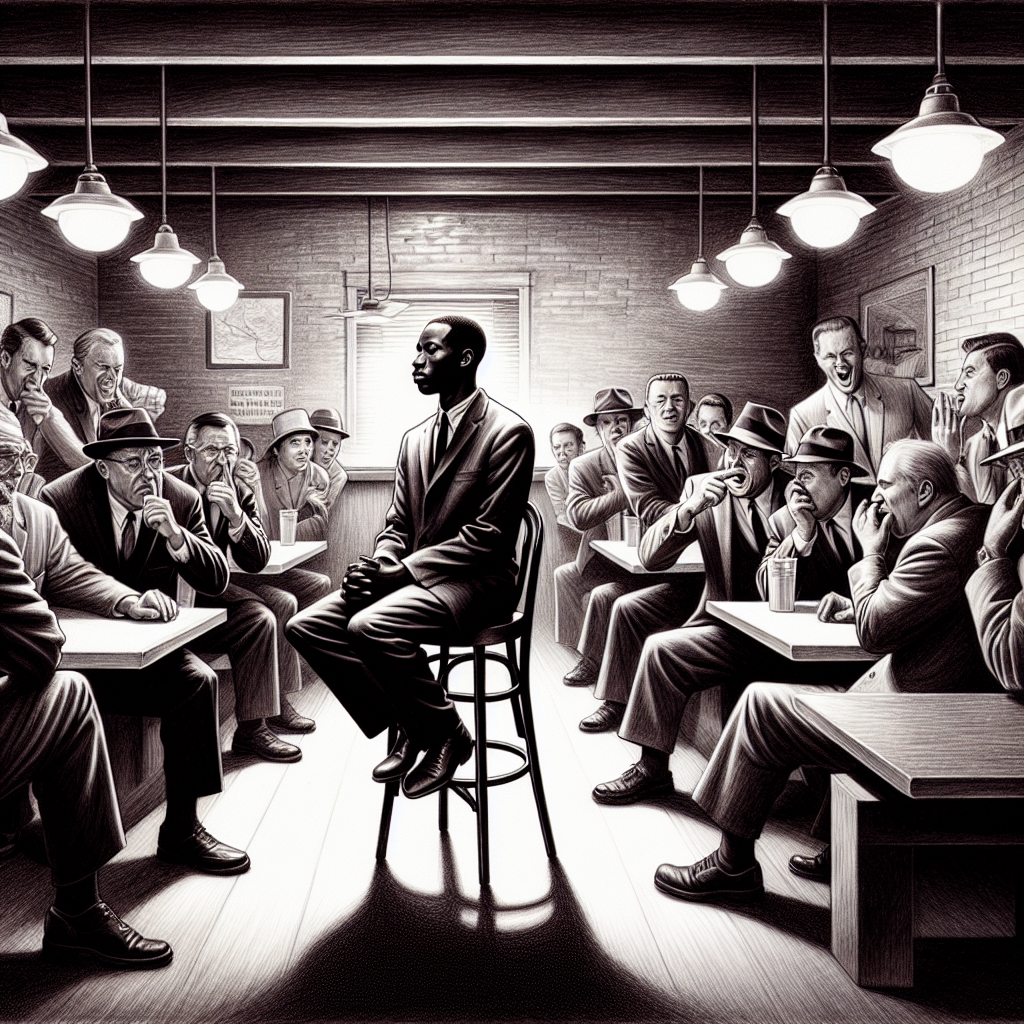
| Origin phrase | John Winthrop, "A Model of Christian Charity," 1630 |
| Named by | Alexis de Tocqueville, "Democracy in America," 1831–1840 |
| Political usage | Central to Cold War rhetoric; Reagan, Clinton, Obama all invoked it |
| Key tension | Obligation vs. entitlement; moral standard vs. self-justification |
| Notable critics | Howard Zinn, Noam Chomsky; isolationists from the right |