SEATO
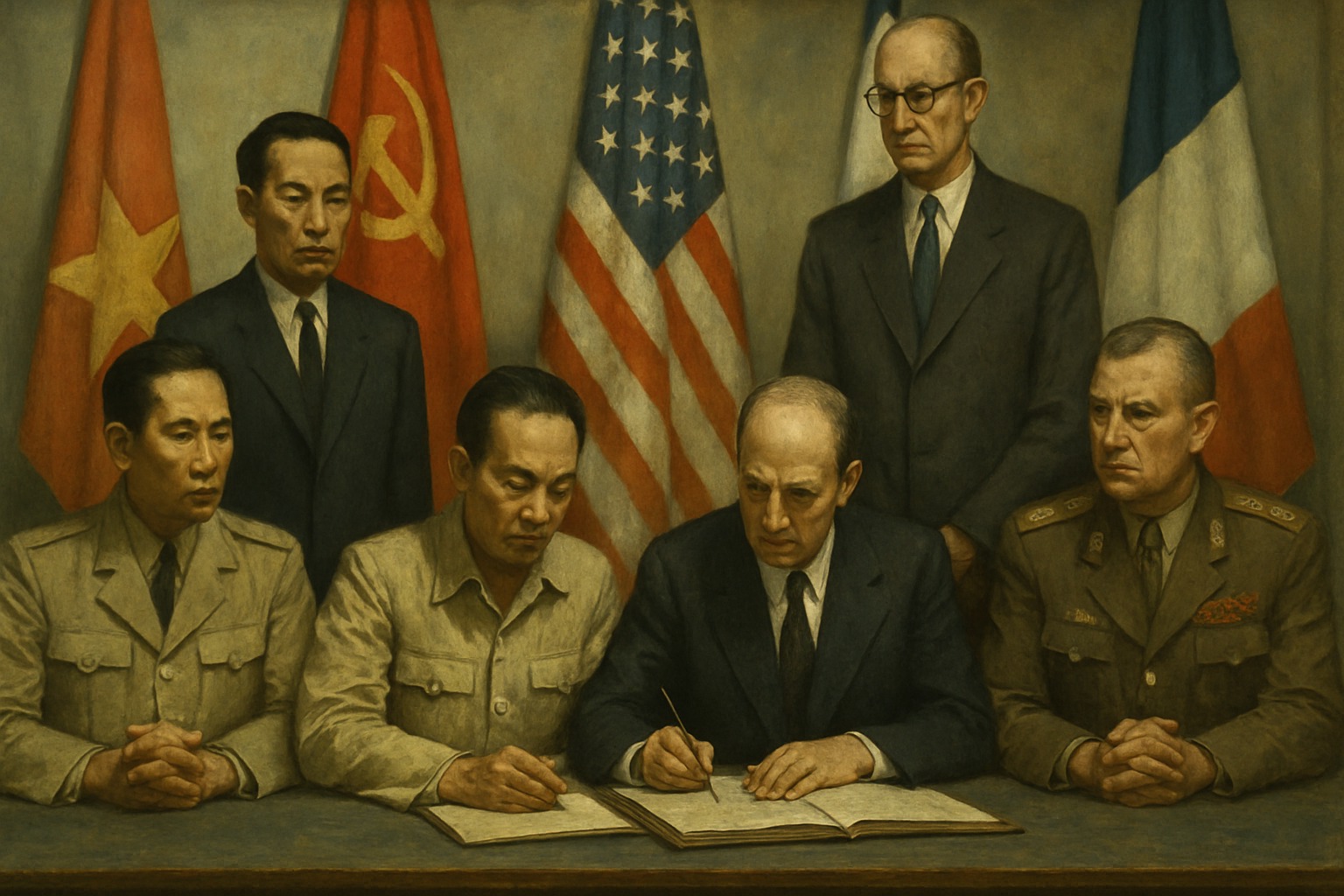
When France's defeat in Indochina in 1954 opened the door to communist advance in Southeast Asia, the United States moved to build a barrier. The Southeast Asia Treaty Organization, created that year by the Manila Pact, was meant to be a NATO for Asia — a collective-defense alliance that would draw a line against the spread of communism in the region. Washington conceived it as a key piece of the strategy of containment applied to the Cold War's new front in Asia.
The alliance was flawed from the start. Unlike NATO, SEATO had few actual Asian members — its ranks were dominated by the United States, Britain, France, Australia, and other outside powers, while most of the Southeast Asian nations it was meant to protect declined to join. It had no standing forces and no unified command, functioning more as a paper commitment than a real military machine.
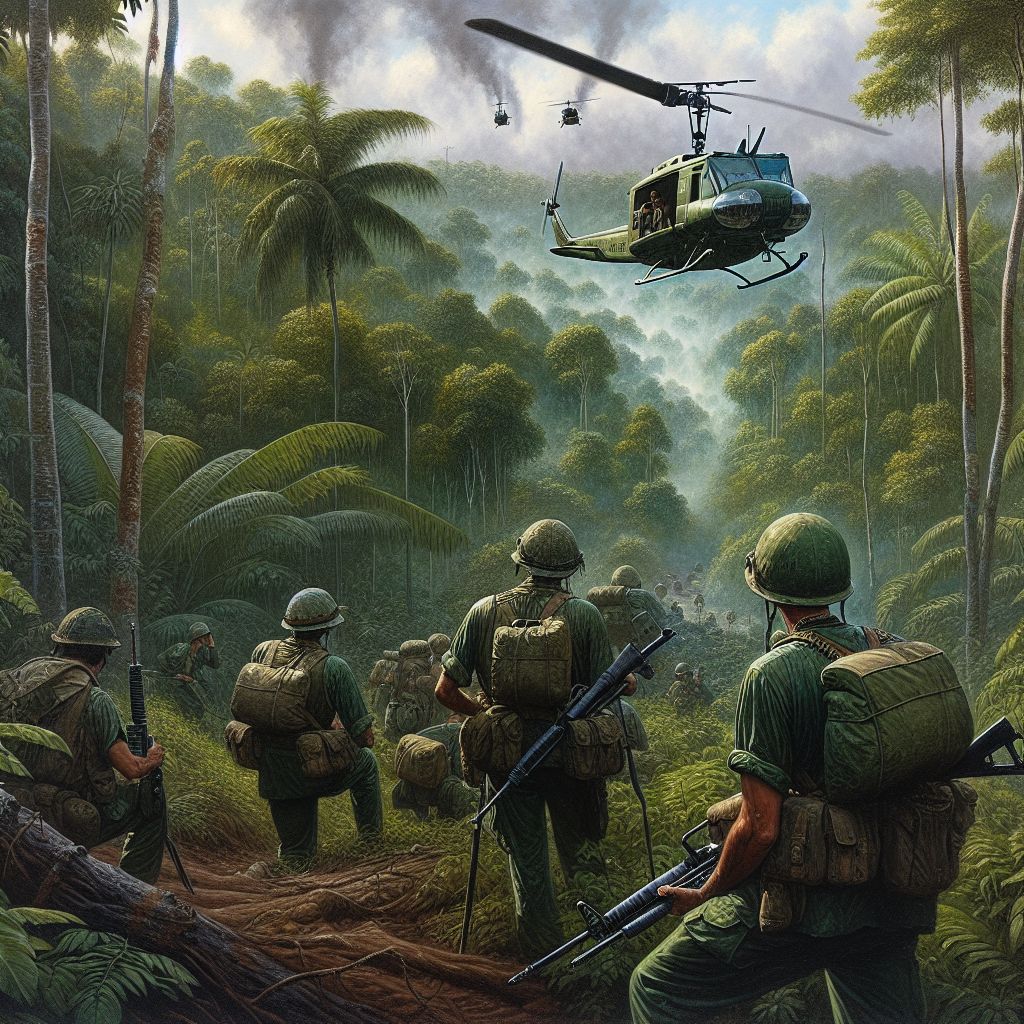
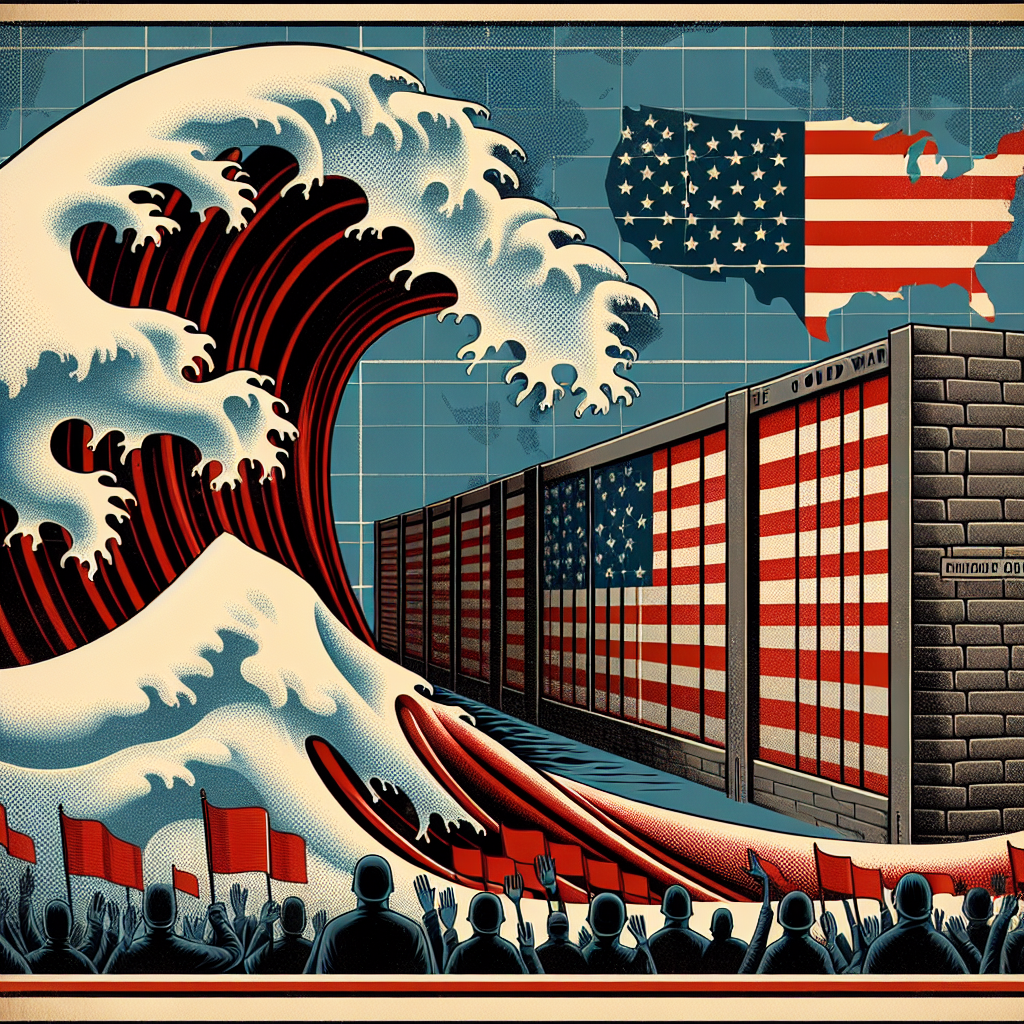
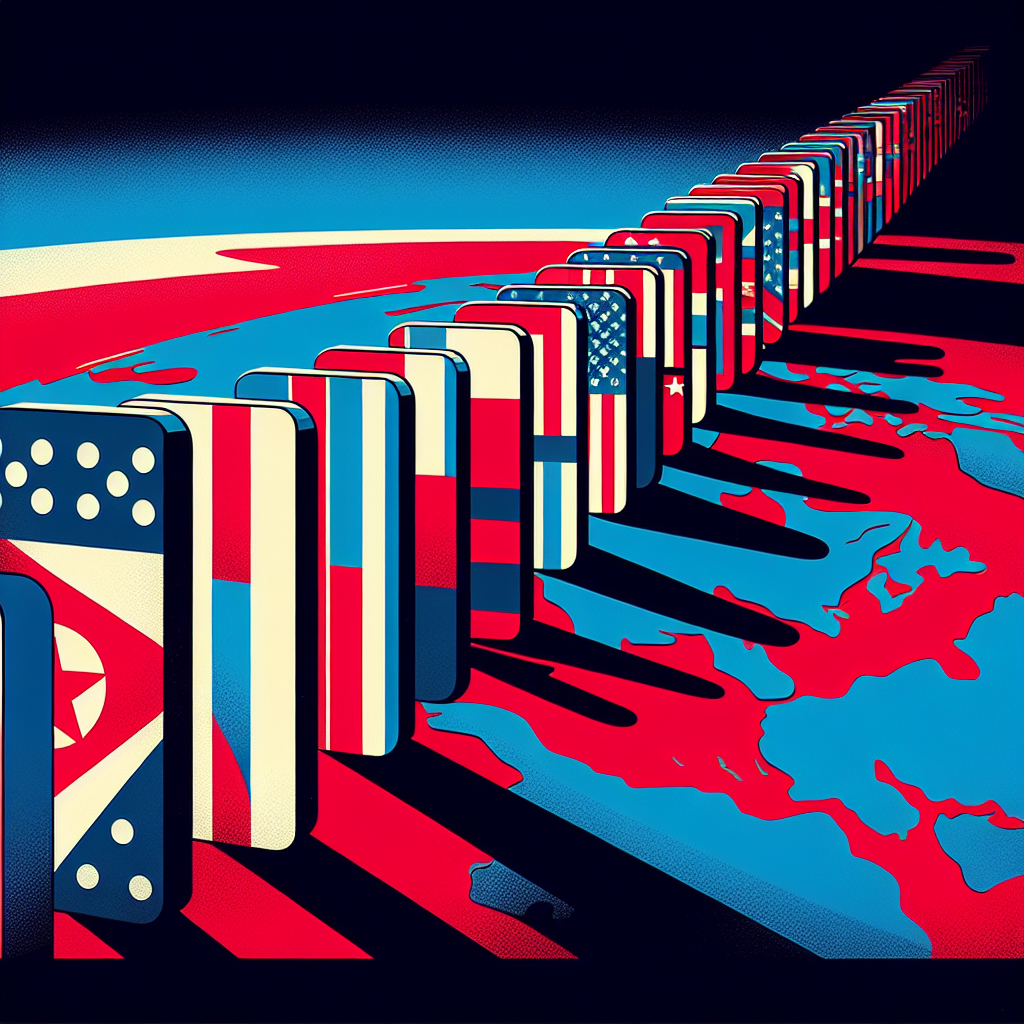
SEATO's chief significance turned out to be as a justification. The United States cited its obligations under the treaty to legitimize its deepening involvement in Vietnam, framing intervention as the defense of a treaty partner against communist aggression. The organization thus became entangled with the domino theory — the belief that the fall of one nation to communism would topple its neighbors in turn — that drove American policy in the region.
The Vietnam War exposed SEATO's emptiness. It could neither prevent the conflict nor shape its course, and as American involvement collapsed the alliance lost whatever purpose it had. SEATO was formally dissolved in 1977, remembered less as a bulwark than as a cautionary tale about the limits of containment and the danger of alliances built on strategic theory rather than genuine shared commitment.
| Formed | 1954 (Manila Pact) |
| Led by | The United States |
| Purpose | Contain communism in Southeast Asia |
| Model | NATO (a "NATO for Asia") |
| Weakness | Few Asian members, no joint army |
| Dissolved | 1977 |
| Date | 1954–1977 |
| Location | Bangkok, Thailand |