Weather Forecasting in America
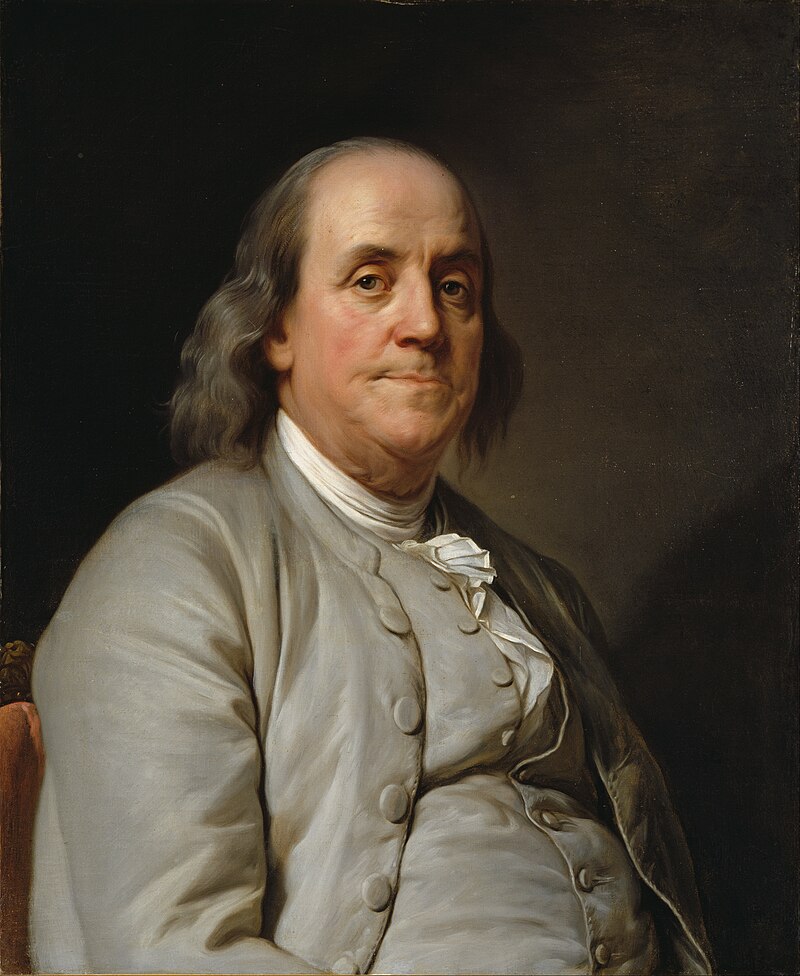
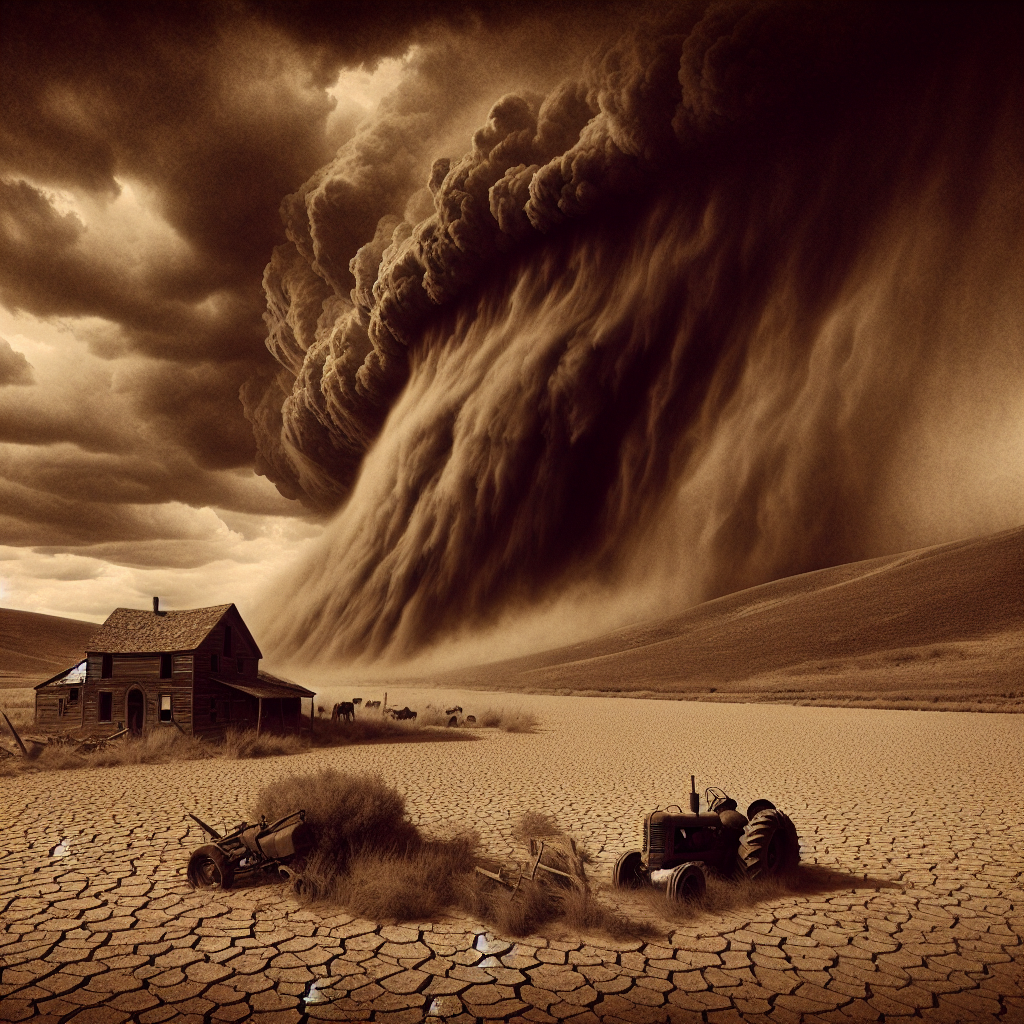
In October 1743 Benjamin Franklin set up in Philadelphia to watch a lunar eclipse and lost it to a northeast storm that blew in off the coast. Weeks later he learned that his brother in Boston, well to the northeast, had seen the eclipse clearly and had not felt the storm until hours after Philadelphia did. The wind at the surface came out of the northeast, yet the storm itself had traveled northeast, against it. Franklin drew the conclusion that mattered — a storm was a moving system, not a local accident of the air.
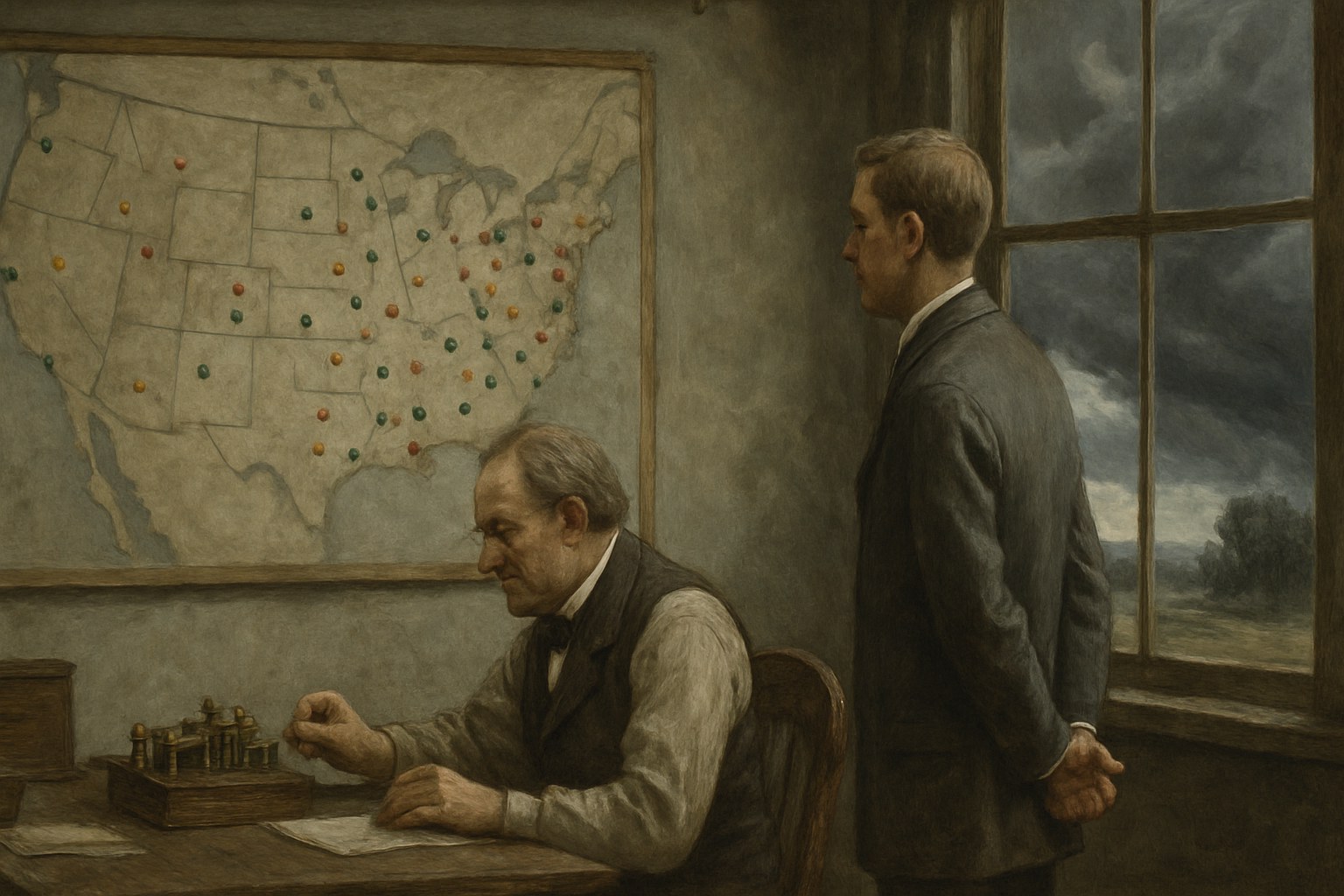
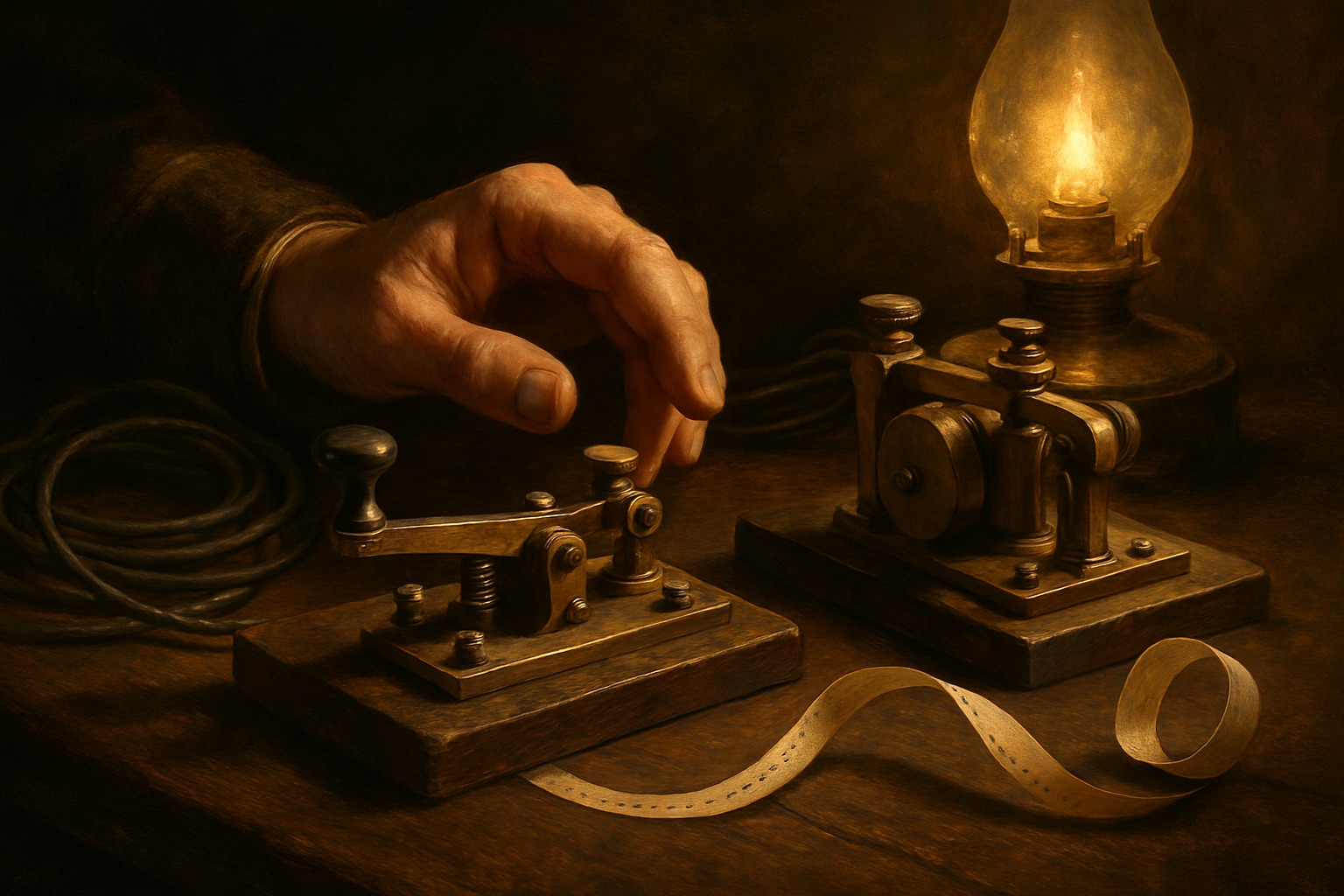
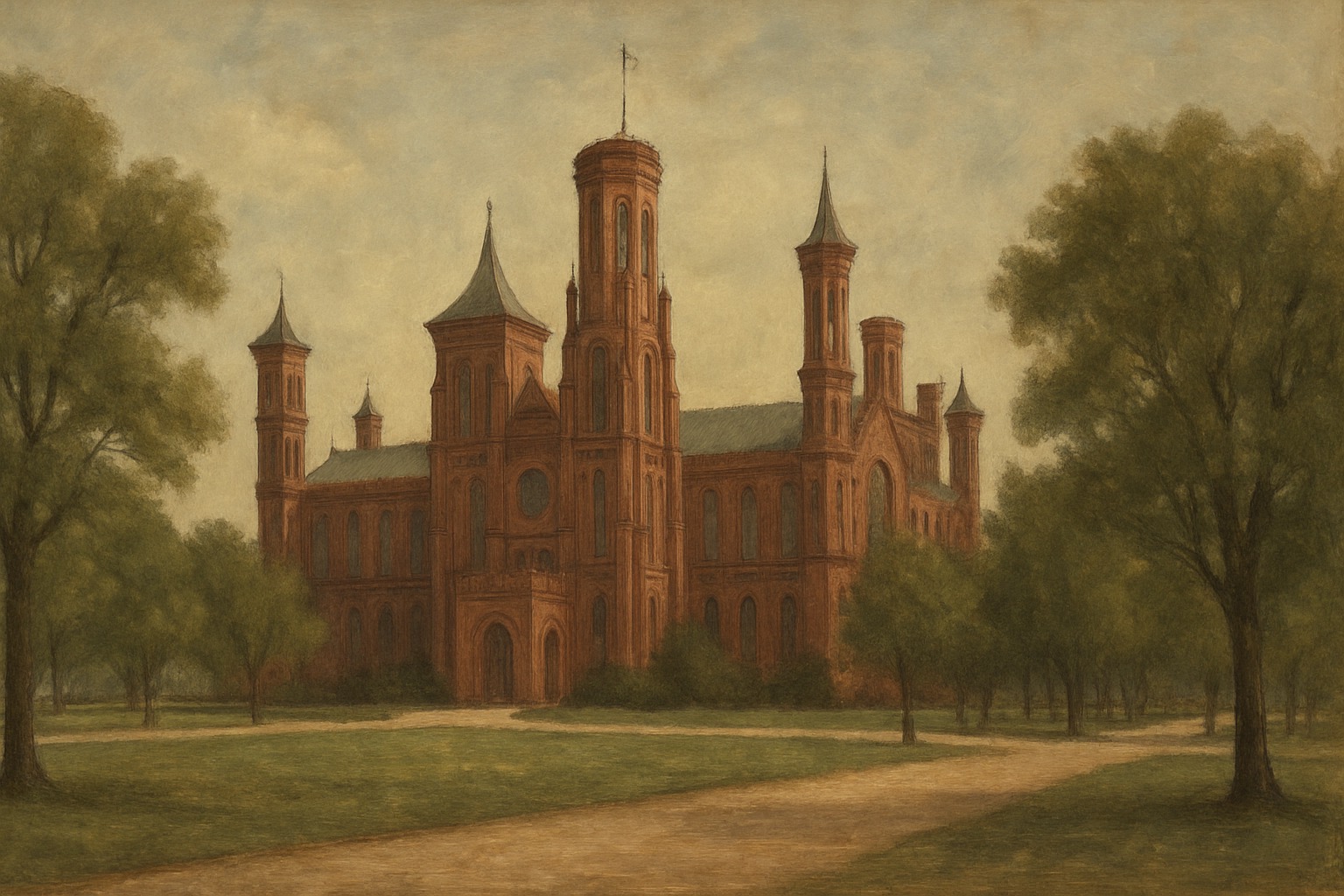
A moving storm can in principle be outrun, but only by a message faster than the wind, and for a century no such message existed. The telegraph supplied it. In 1849 Joseph Henry, first secretary of the Smithsonian Institution, persuaded the telegraph companies to carry morning weather reports free of charge and recruited a network of volunteer observers across the country, some six hundred of them by the eve of the Civil War. In the Smithsonian's great hall he hung a map of the United States studded with colored disks showing the morning's weather. For the first time Americans could watch the weather approach.
Congress put the work on a permanent footing in 1870, first under the Army Signal Service and after 1890 under a civilian Weather Bureau, but forecasting remained an art of pattern recognition — this map resembles that map, so expect what happened last time. The physics arrived from Norway, where Vilhelm Bjerknes argued that the atmosphere obeyed equations that could in principle be solved. In 1922 the British mathematician Lewis Fry Richardson spent six weeks computing a six-hour forecast by hand and got an answer that was badly wrong. The equations were sound. The arithmetic was hopeless without a machine.
The machine came after the Second World War. In 1950 a team led by Jule Charney ran the first successful numerical forecast on the ENIAC computer at Aberdeen, spending roughly a day of computing to predict a day of weather. Satellites followed — TIROS-1 returned the first pictures of cloud systems from orbit in April 1960 — and radar filled in the small scale that the satellites and the equations both missed. The cumulative gain has been steady and very large. A five-day forecast today is about as reliable as a one-day forecast was in the 1970s, and hurricane track errors have fallen by roughly two-thirds over the same span.

| First insight | Franklin, 1743 — storms move as systems |
| Enabling tool | The telegraph — a warning that outruns the weather |
| First network | Smithsonian volunteer observers, from 1849 |
| Federal start | 1870, under the Army Signal Service |
| First computer forecast | ENIAC, 1950 |
| First weather satellite | TIROS-1, April 1960 |
| Date | 1743-present |