The National Park Service
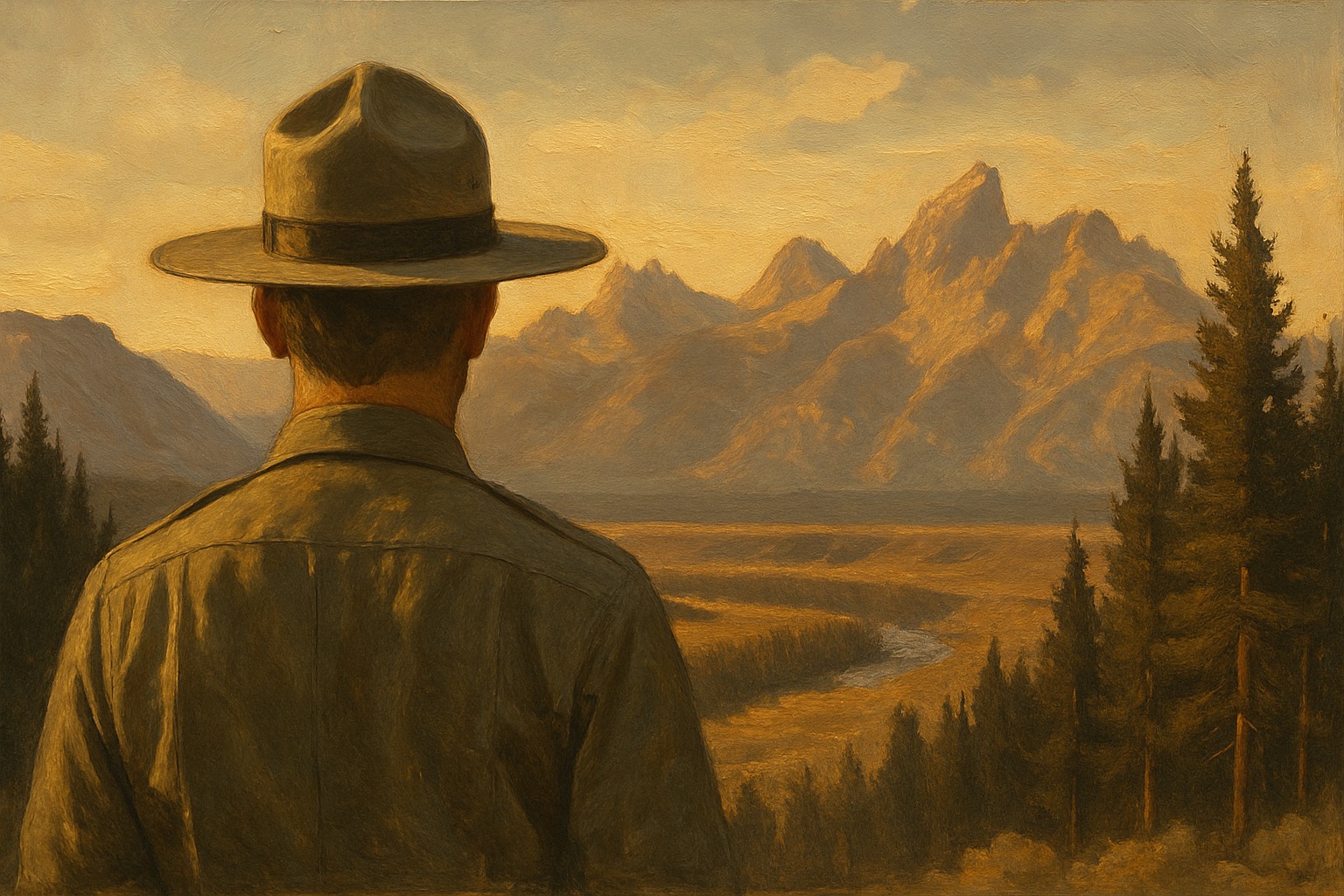
By 1916 the United States had more than a dozen national parks and dozens of monuments but no single agency to run them. They were scattered under the Interior Department, guarded in places by the U.S. Army, and vulnerable to logging, grazing, and poaching wherever oversight was thin. The National Park Service, established by the Organic Act that August, gave the parks a unified guardian with a famously contradictory mandate: to conserve the scenery and wildlife unimpaired for the enjoyment of future generations while also leaving them open to the public that owned them.
The agency's first director, the wealthy borax executive Stephen Mather, and his deputy Horace Albright set out to make the parks beloved enough to be politically untouchable. They courted railroads and automobile clubs, built roads and grand lodges, cultivated the press, and welcomed the rising tide of car-borne tourists. The strategy worked. Visitation soared, Congress kept adding parks, and the ranger in the flat campaign hat became a trusted figure of American public life. The tension between promotion and preservation, though, was built into the mission from the start.
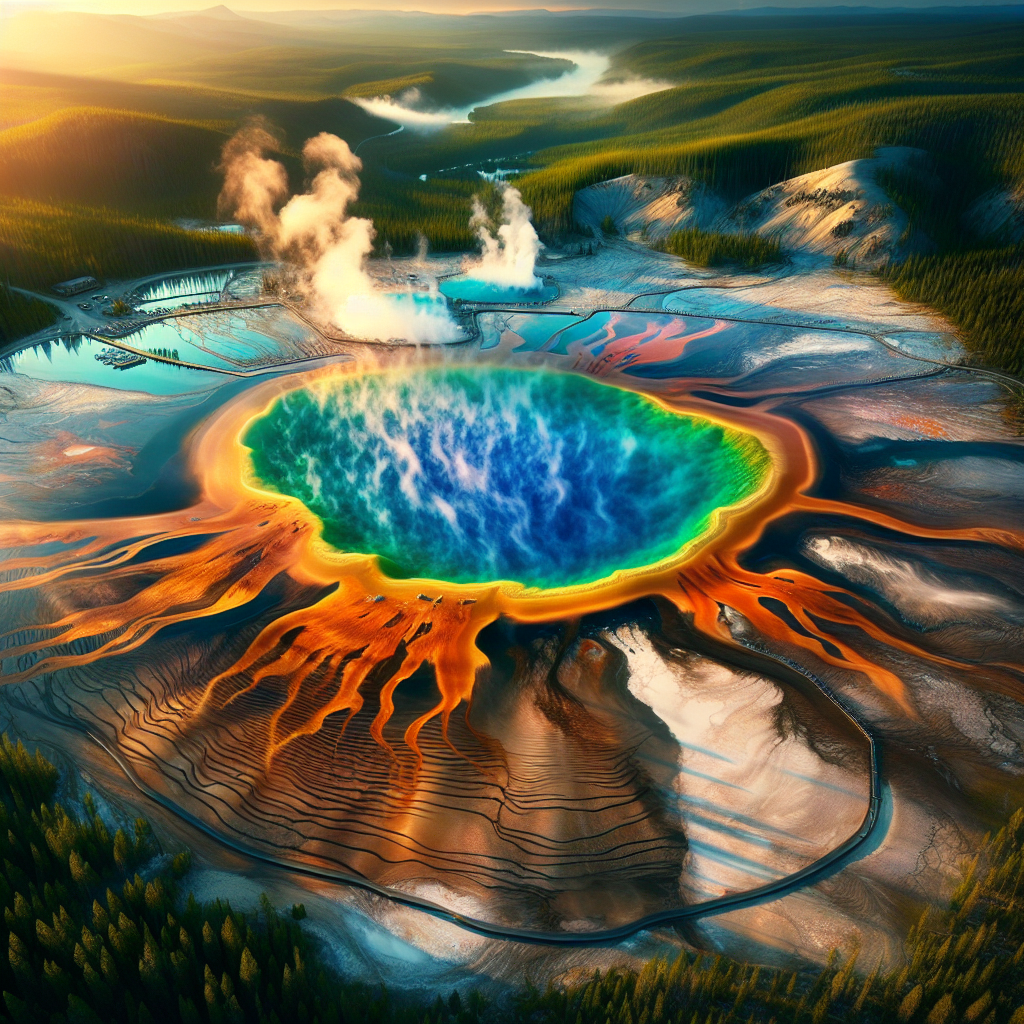
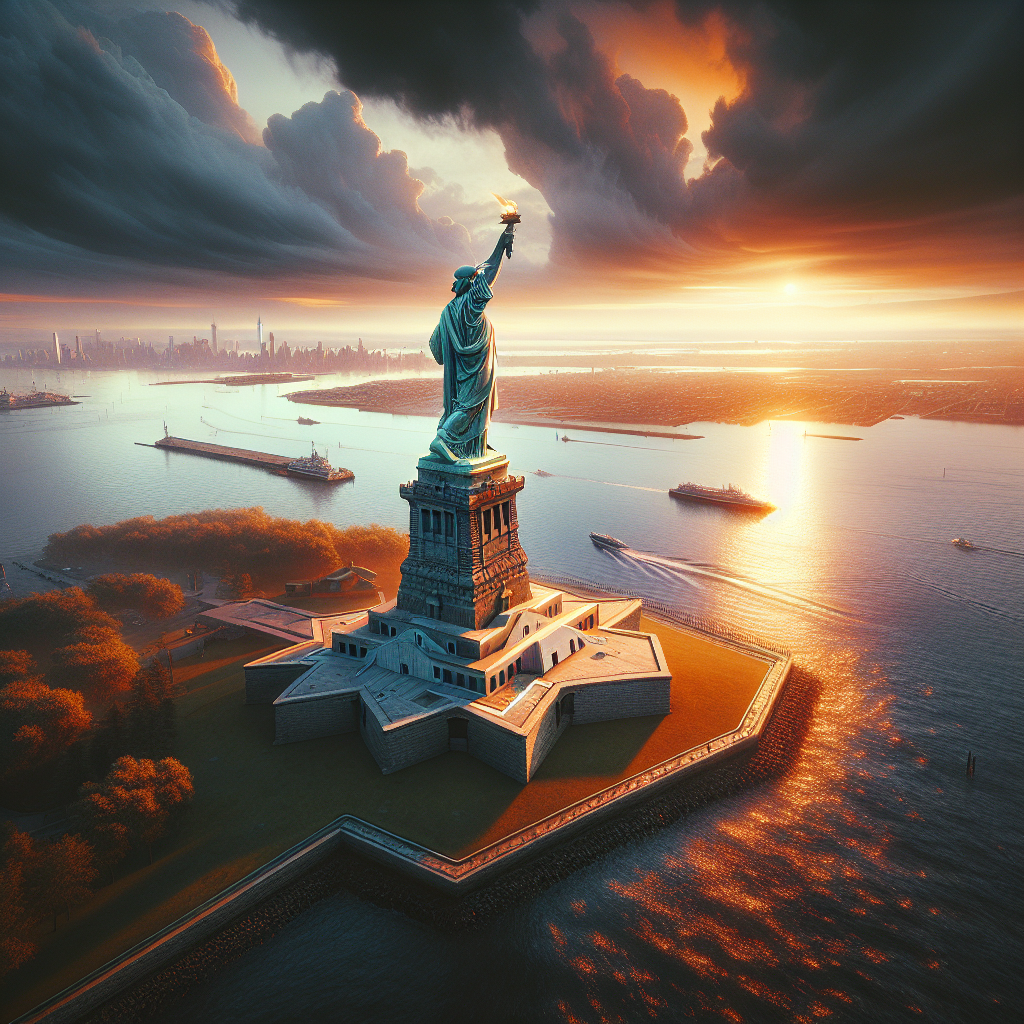
Over the decades the service's charge widened far beyond western landscapes. It came to administer battlefields, historic homes, monuments, seashores, and urban sites, so that its holdings tell the nation's human story as well as its natural one — Gettysburg and the Statue of Liberty as much as Yellowstone and the Grand Canyon. By the twenty-first century the system spanned more than four hundred units across every state and territory, drawing hundreds of millions of visits a year and employing rangers as scientists, historians, and interpreters.
The writer Wallace Stegner called the national parks the best idea America ever had, democratic in the deepest sense — magnificent places owned by everyone and reserved for no one's private use. The Park Service made that idea durable, turning a loose collection of reserves into a permanent institution that other nations copied. Its central tension endures, over how to welcome crowds without loving the parks to death, but the principle it defends — that a republic should hold some of its land in trust forever — has not seriously been in doubt since 1916.
| Established | August 25, 1916 (the Organic Act) |
| Parent | U.S. Department of the Interior |
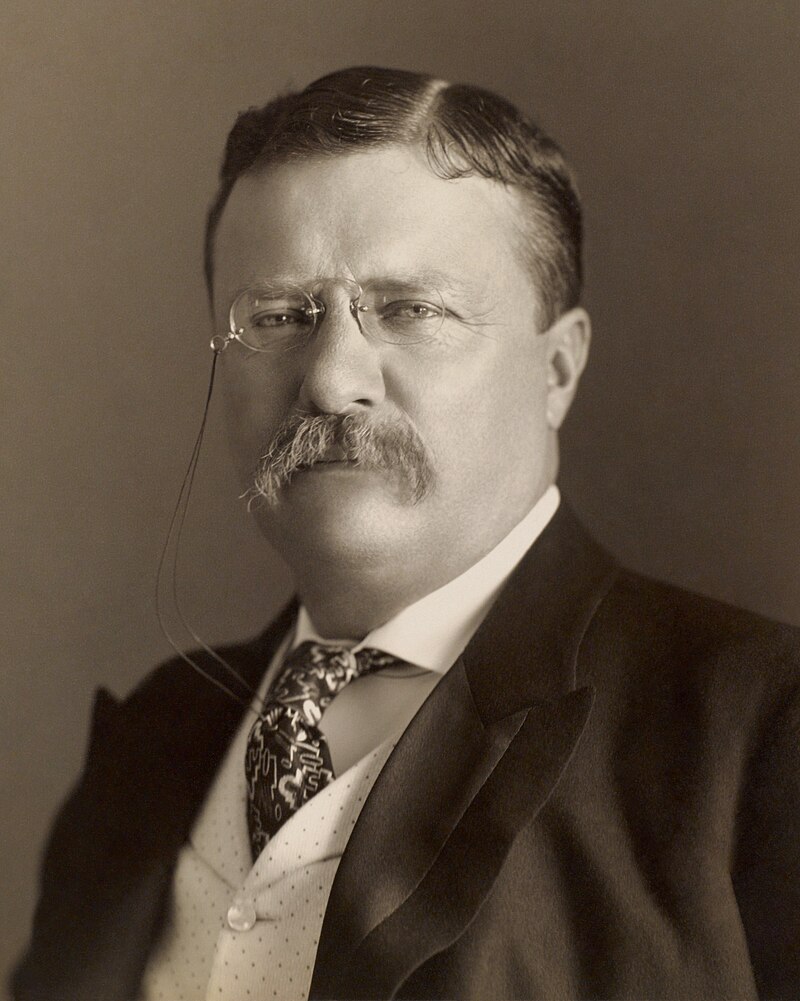
| First Director | Stephen Mather |
| Mandate | Conserve parks "unimpaired for future generations" |
| System | 400+ units in every state and territory |
| First national park | Yellowstone (1872) |
| Symbol | The ranger's flat "campaign" hat |
| Date | Established August 25, 1916 |
| Location | Washington, D.C. |