James Buchanan

James Buchanan arrived at the White House in March 1857 with the most impressive résumé of any man to hold the office — congressman, senator, minister to Russia, Secretary of State, minister to Great Britain — and proceeded to preside over one of the most catastrophic presidential failures in American history. The nation he inherited was fracturing over slavery, and Buchanan, a Pennsylvania Democrat who sympathized deeply with Southern interests, did almost nothing to stop it. By the time he left office four years later, seven states had seceded and the country was days from war.
His handling of the secession crisis set the template for inaction. When Southern states began leaving the Union after Lincoln's election, Buchanan declared secession unconstitutional — and then declared that the federal government had no power to prevent it. He refused to resupply Fort Sumter, refused to reinforce federal garrisons in the South, and spent his final weeks in office watching the Union dissolve while insisting there was nothing a president could legally do.
He was the only president never to marry, and the only one from Pennsylvania. His 15-year relationship with Alabama senator William Rufus DeVane King — the two shared a home in Washington for years — has been the subject of historical speculation. Whatever its nature, Buchanan left Washington in 1861 convinced history would vindicate him. It has not.
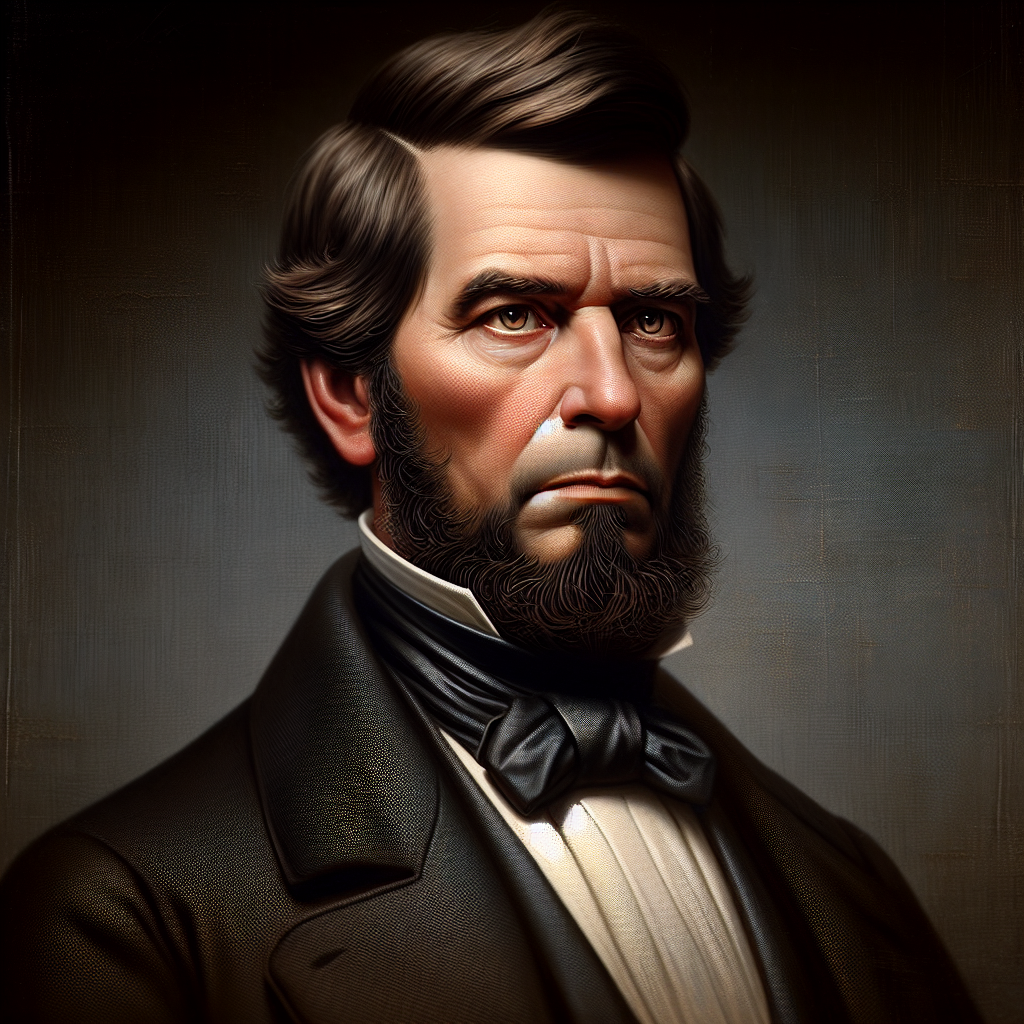

| Born | April 23, 1791 — Cove Gap, Pennsylvania |
| Died | June 1, 1868 — Lancaster, Pennsylvania |
| Term | March 4, 1857 – March 4, 1861 |
| Party | Democrat |
| Preceded by | Franklin Pierce |
| Succeeded by | Abraham Lincoln |
| Distinction | Only president never to marry; only president from Pennsylvania |
| Date | April 23, 1791 – June 1, 1868 |
| Location | Washington, D.C. |