South Carolina

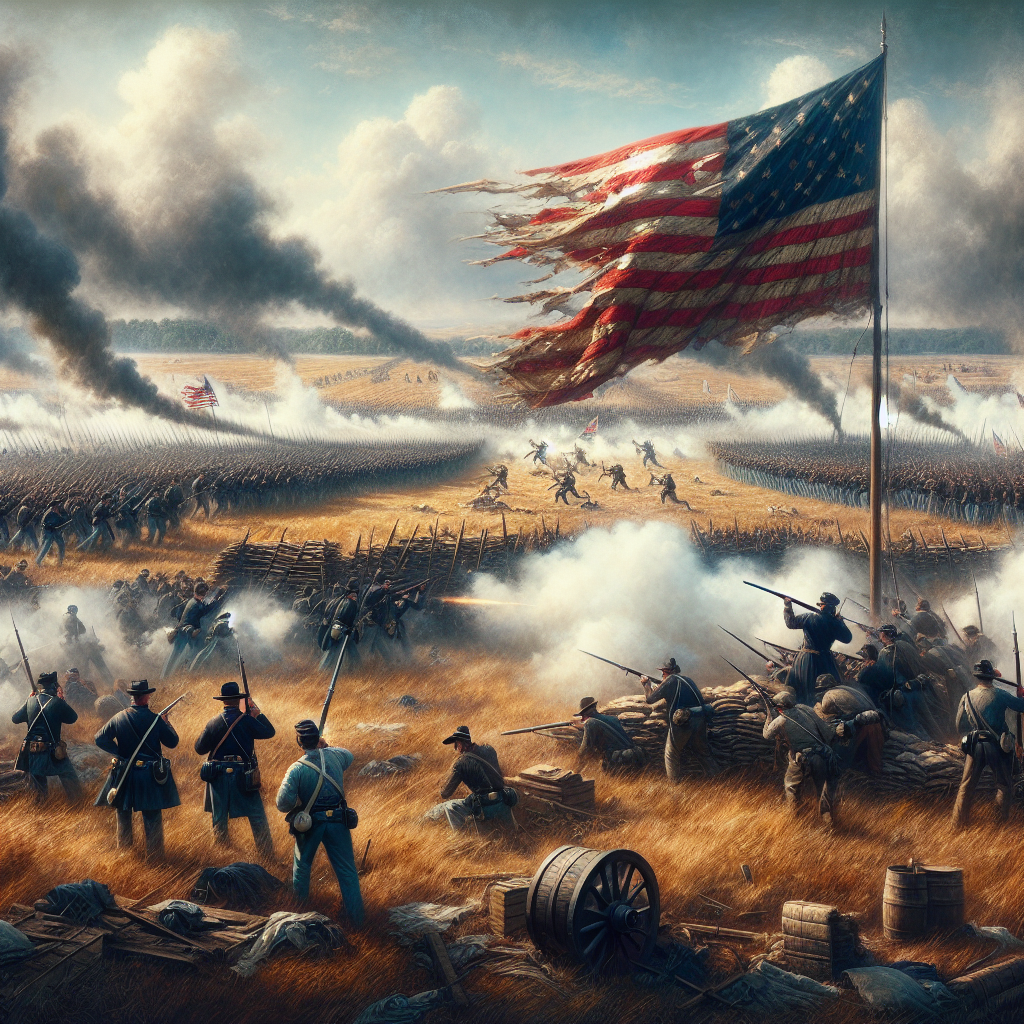
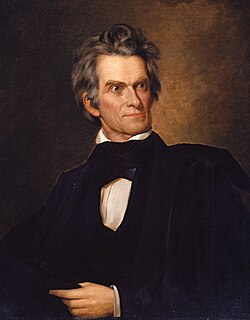
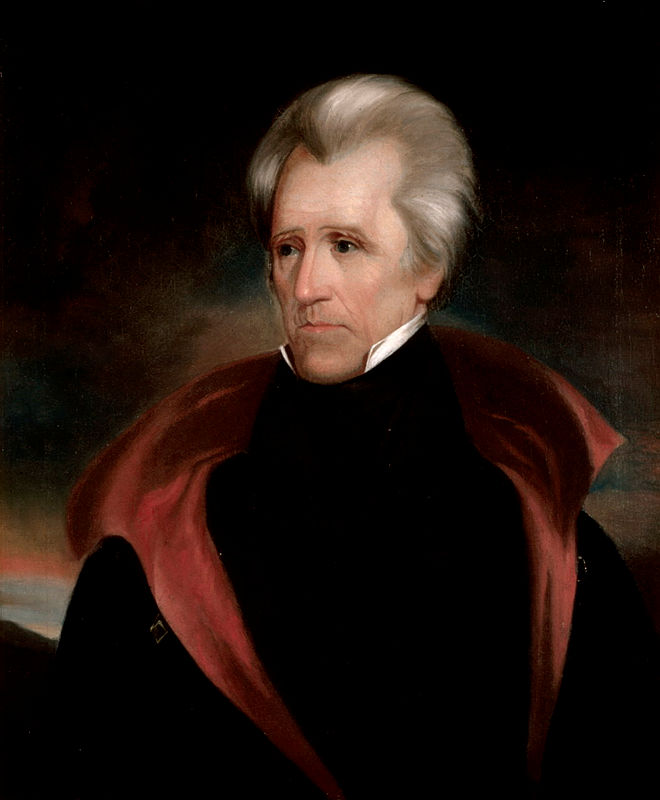
South Carolina has started more crises than any state its size has any right to claim. It was the first state to secede from the Union, on December 20, 1860, six weeks after Lincoln's election. Confederate forces fired on Fort Sumter in Charleston Harbor on April 12, 1861, opening the Civil War. Decades earlier, South Carolina had threatened to nullify federal tariff law and leave the Union over economics — the Nullification Crisis of 1832 — forcing Andrew Jackson into the first great constitutional confrontation between a state and the federal government. John C. Calhoun, South Carolina's most influential senator and the intellectual architect of nullification and states' rights theory, gave the state its political philosophy.
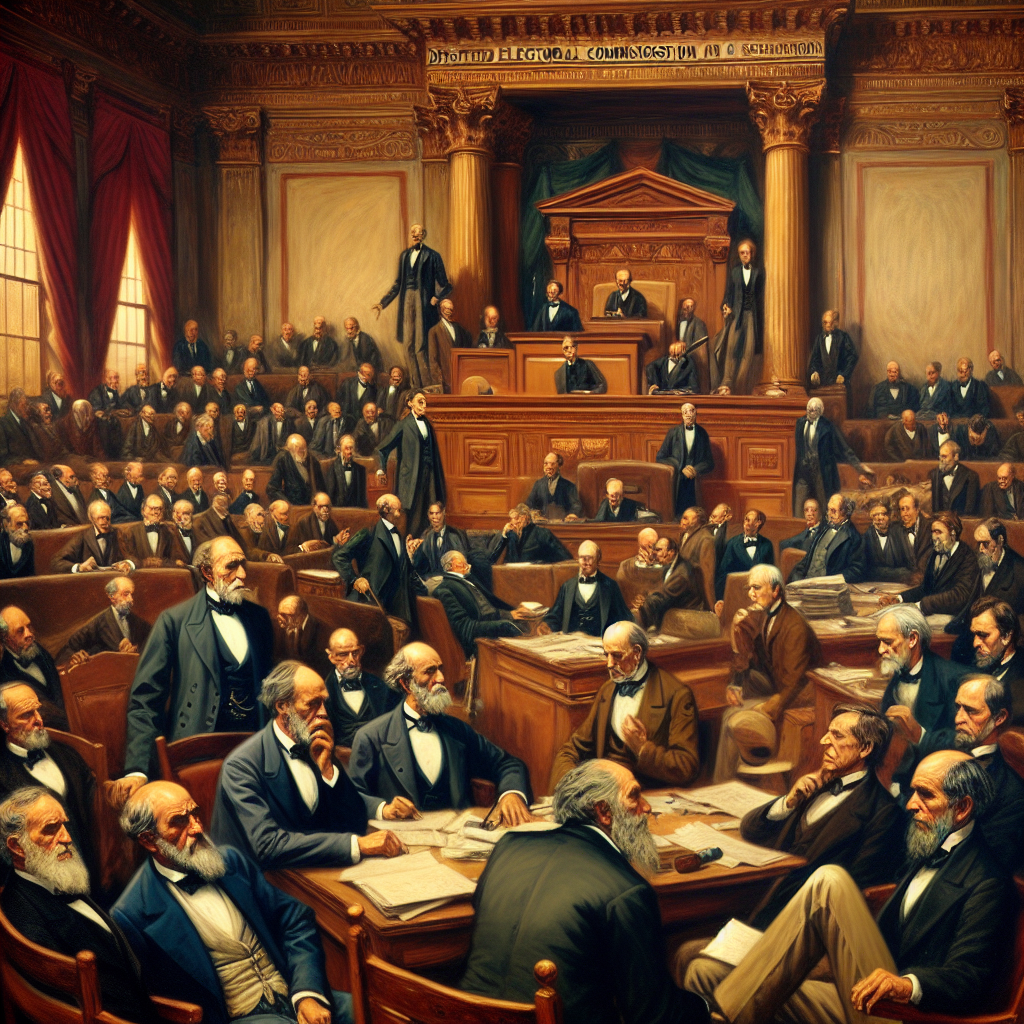
The state's wealth before the Civil War was built almost entirely on enslaved labor. The plantation economy of the Lowcountry — rice, indigo, and later cotton — made South Carolina one of the richest colonies in North America and one of the most brutally dependent on slavery. By 1860, enslaved people outnumbered white South Carolinians. After the war, Reconstruction brought a period of Black political representation — South Carolina sent Black congressmen to Washington and elected Black officials at the state level — before white supremacist violence and the Compromise of 1877 dismantled it.
South Carolina's modern political history has been marked by continued tension between its Confederate memory and its increasingly diverse present. The 2015 mass shooting at Emanuel African Methodist Episcopal Church in Charleston by a white supremacist, followed by the removal of the Confederate battle flag from the State House grounds, brought that tension into sharp national focus. The state remains deeply conservative but is home to a significant African American population whose political participation has shaped its recent elections.


| Capital | Columbia |
| Admitted | May 23, 1788 (8th state) |
| Nickname | Palmetto State |
| Seceded | December 20, 1860 — first state to leave the Union |
| Civil War opening | Confederate bombardment of Fort Sumter, April 12, 1861 |
| Key figure | John C. Calhoun — senator and nullification theorist |
| Area | 32,020 square miles |
| Population | Approximately 5.1 million (2020 census) |
| Years | 1663 |
| Location | Columbia, South Carolina |