Election of 1828
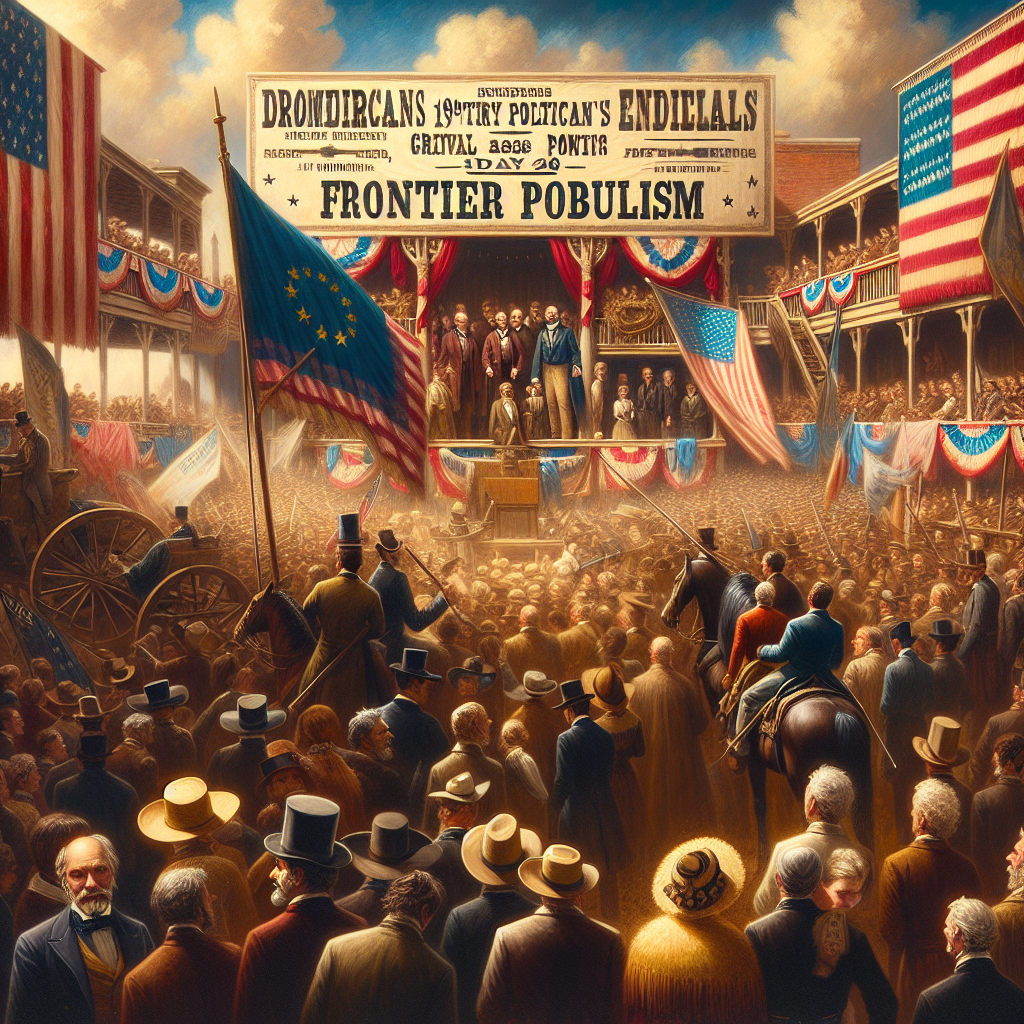
The election of 1828 was less a contest between two candidates than a verdict on what American democracy was supposed to mean. Andrew Jackson, the hero of New Orleans, ran against incumbent John Quincy Adams in a direct rematch of 1824 — the election Jackson had won in popular votes but lost in the House of Representatives, a result his supporters called the corrupt bargain. Four years of accumulated fury, the expansion of white male suffrage in most states, and a grassroots campaign unlike anything the country had seen produced a Jackson landslide.
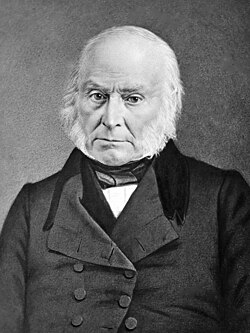
Adams represented the old model of governance: educated, restrained, appointed by established elites, contemptuous of campaign politics. Jackson represented something new — direct appeal to ordinary voters, frontier toughness, and resentment of privilege. The campaign was also extraordinarily vicious. Adams supporters accused Jackson of murder, adultery, and bigamy; Jackson's camp accused Adams and Henry Clay of corrupt deal-making. Jackson's wife Rachel died of a heart attack weeks after the election, and Jackson blamed the stress of the attacks on her character. He never forgave his enemies for it.
Jackson's victory inaugurated the era of mass democratic politics in America. Voter turnout more than doubled compared to 1824. His inauguration drew thousands of ordinary citizens to Washington — and to the White House itself, which was mobbed by celebrants who stood on the furniture and broke the china. The Democratic Party Jackson built around his coalition would remain one of the two major parties in American politics for the next two centuries.
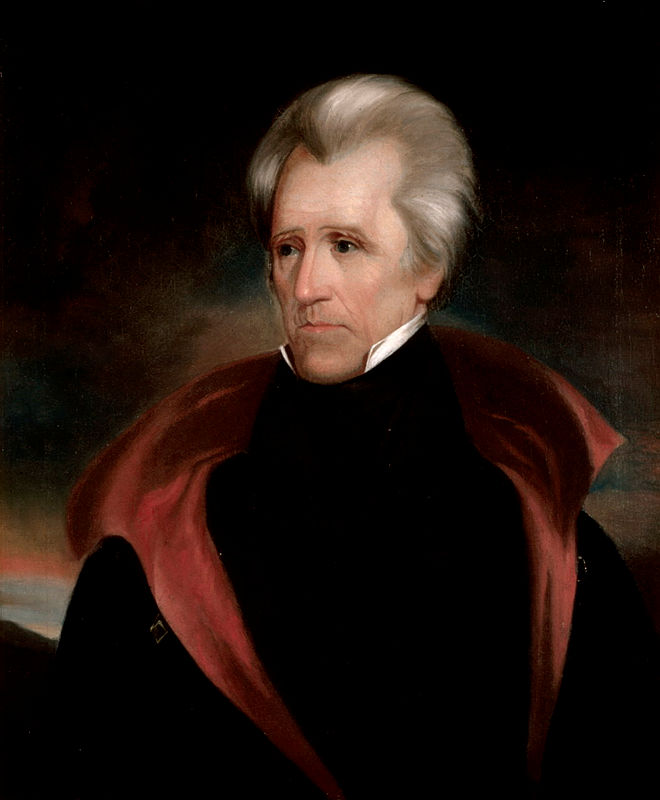
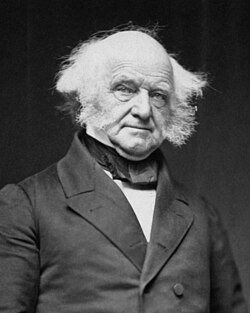
| Winner | Andrew Jackson (Democrat) |
| Candidates | Andrew Jackson (D) def. John Quincy Adams (NR) |
| Runner-up | John Quincy Adams (National Republican) |
| Popular Vote | Jackson 55.9%, Adams 43.9% |
| Electoral Vote | Jackson 178, Adams 83 |
| Key issue | Corrupt bargain of 1824; democracy vs. elite rule |
| Significance | Birth of modern mass electoral politics |
| Preceded by | Election of 1824 — the "corrupt bargain" |
| Date | October–November 1828 |
| Location | Washington, D.C. |