Cuban Missile Crisis
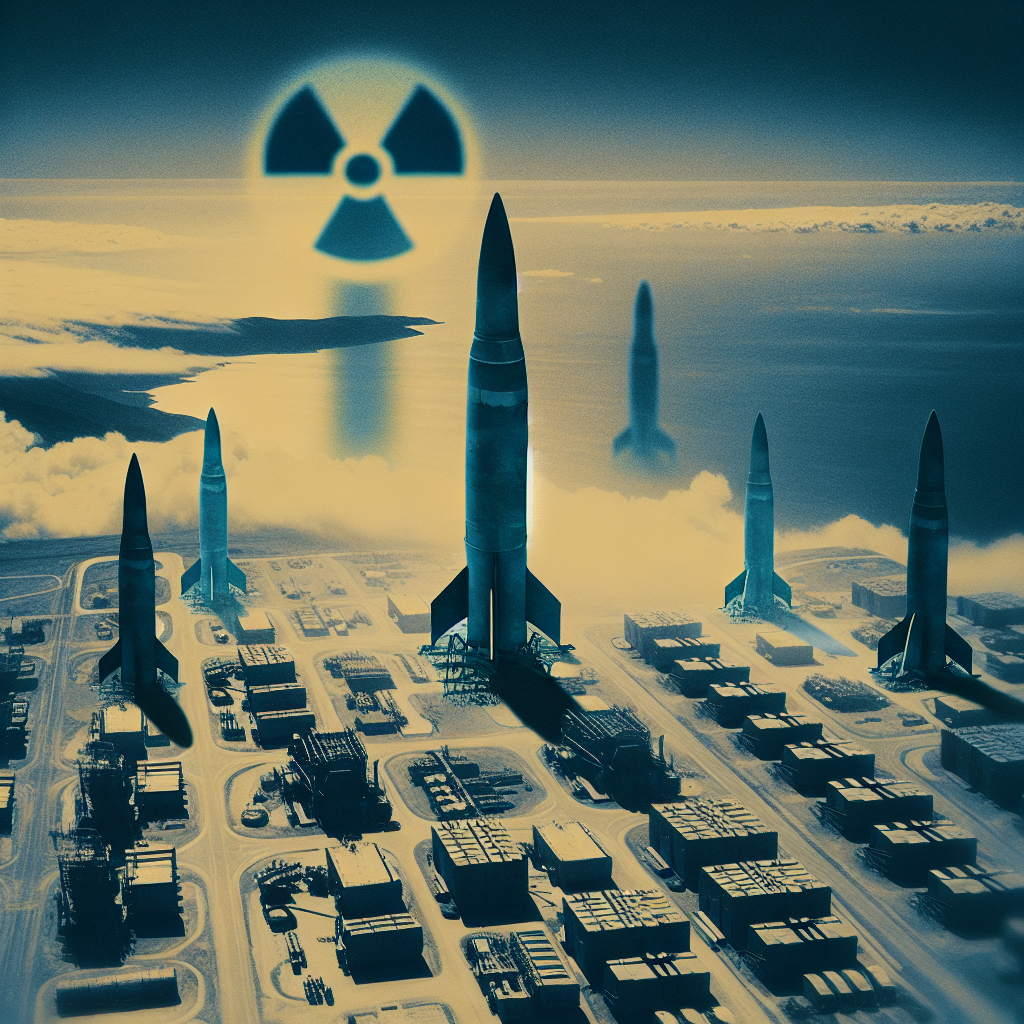
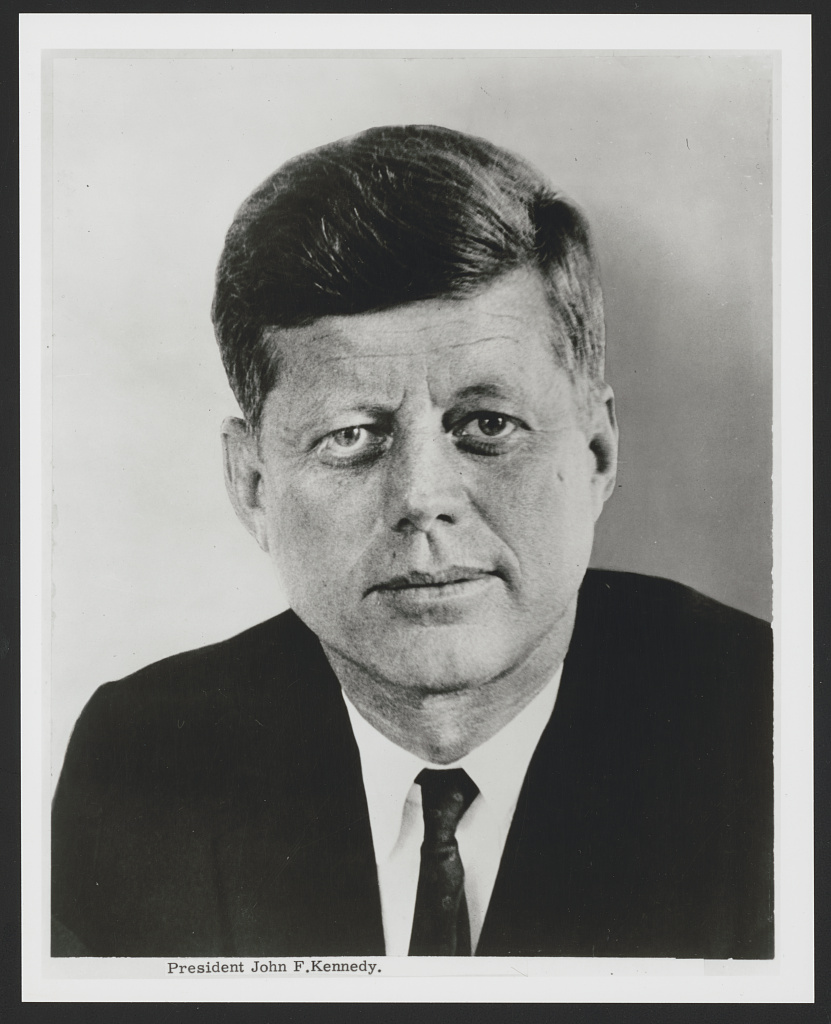
For 13 days in October 1962, the United States and the Soviet Union stood closer to nuclear war than at any moment before or since. When American U-2 spy planes photographed Soviet ballistic missile installations under construction in Cuba, President Kennedy faced a choice with no clean options: attack and risk nuclear retaliation, negotiate and appear weak, or find something in between. The Cuban Missile Crisis stripped the Cold War of its abstraction and made the stakes brutally, visibly concrete.
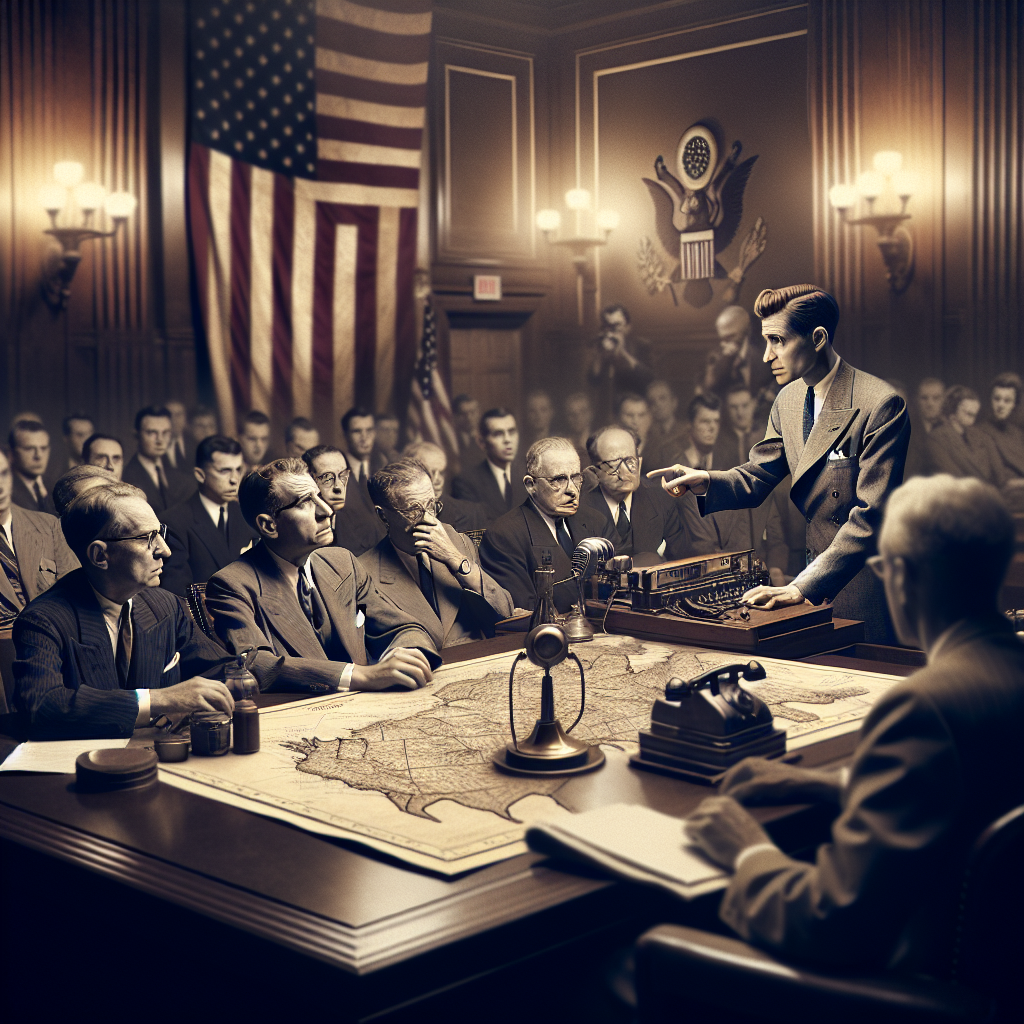
Kennedy rejected his military advisors' push for immediate air strikes and instead imposed a naval quarantine around Cuba, demanding the Soviets dismantle the sites. Soviet ships carrying additional military equipment steamed toward the blockade line. Inside the White House, the ExComm — a secret advisory group — debated invasion, preemptive strikes, and terms for negotiation around the clock. For several days, the outcome was not theater. It was genuinely uncertain.
Resolution came through back-channel diplomacy and mutual face-saving. The Soviets agreed to remove the missiles; the United States publicly pledged not to invade Cuba and secretly agreed to remove its own Jupiter missiles from Turkey. Kennedy presented it as an American victory. Khrushchev was eventually removed from power, in part because Soviet hardliners felt humiliated by the outcome. The crisis led directly to the creation of the Moscow–Washington hotline and the 1963 Partial Nuclear Test Ban Treaty — the first meaningful arms control agreement of the nuclear age.
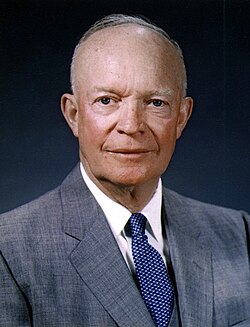
| Dates | October 16–28, 1962 |
| Duration | 13 days |
| Key Figures | JFK, Nikita Khrushchev, Robert F. Kennedy, Fidel Castro, Dean Rusk |
| Trigger | Soviet missile sites discovered in Cuba by U-2 aircraft |
| Outcome | Soviet missiles removed; U.S. pledged non-invasion of Cuba |
| Legacy | Moscow–Washington hotline; Partial Nuclear Test Ban Treaty (1963) |
| Date | October 16–28, 1962 |
| Location | Washington, D.C. |