The Peace Corps
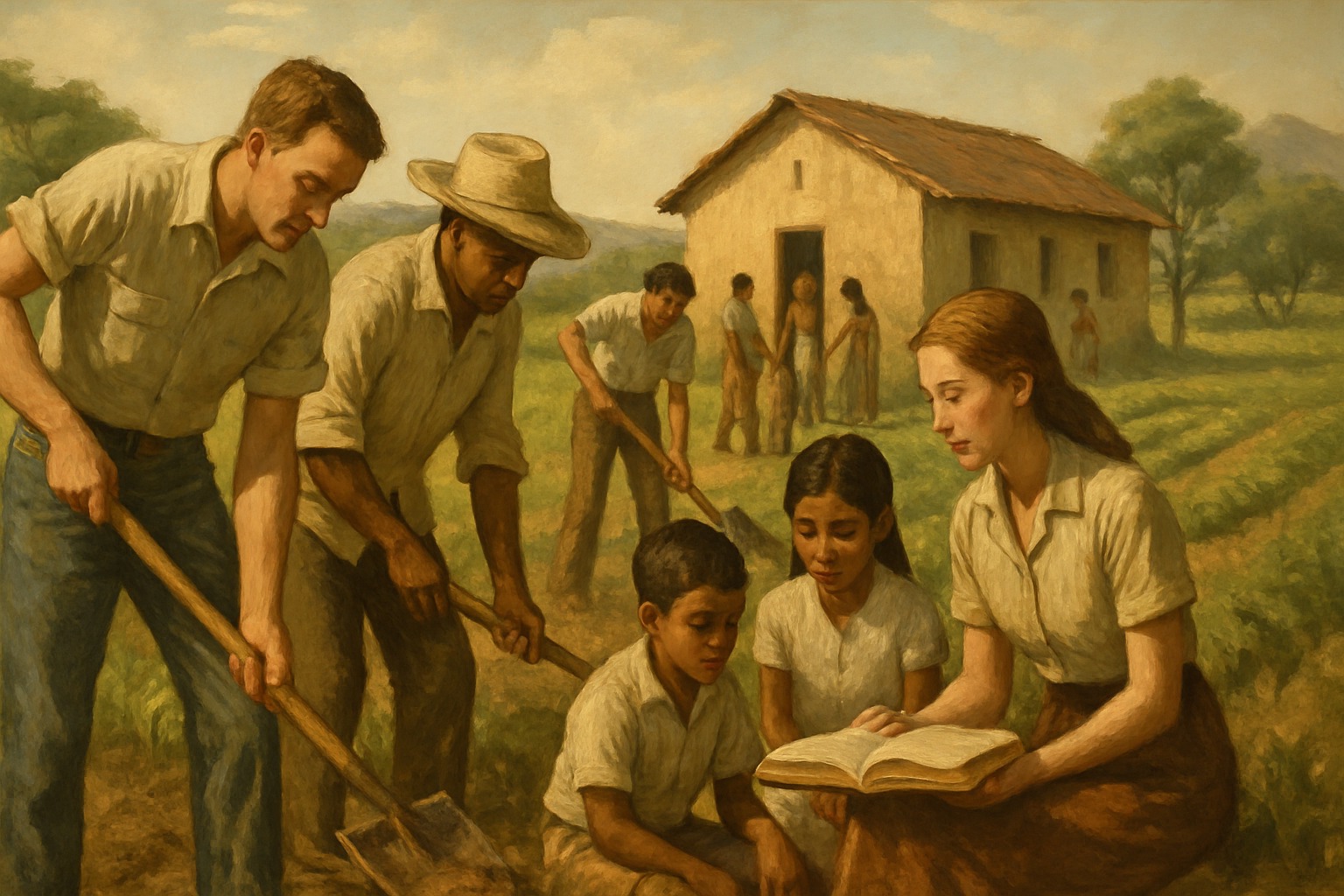
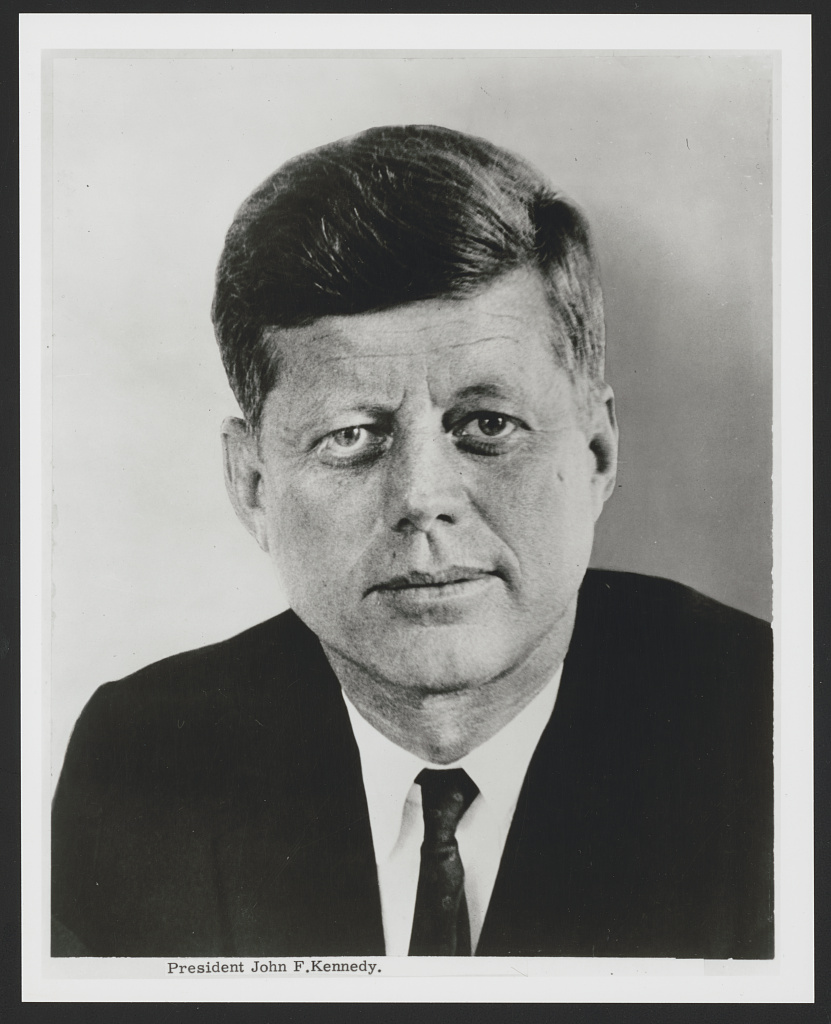
On a late night in 1960, campaigning at the University of Michigan, John F. Kennedy challenged a crowd of students to give years of their lives to serving in the developing world. The response was so enthusiastic that the idea became a signature of his presidency, and in 1961 he established the Peace Corps by executive order. It sent young American volunteers abroad to work as teachers, health workers, and agricultural advisers in the poorer nations of the world.
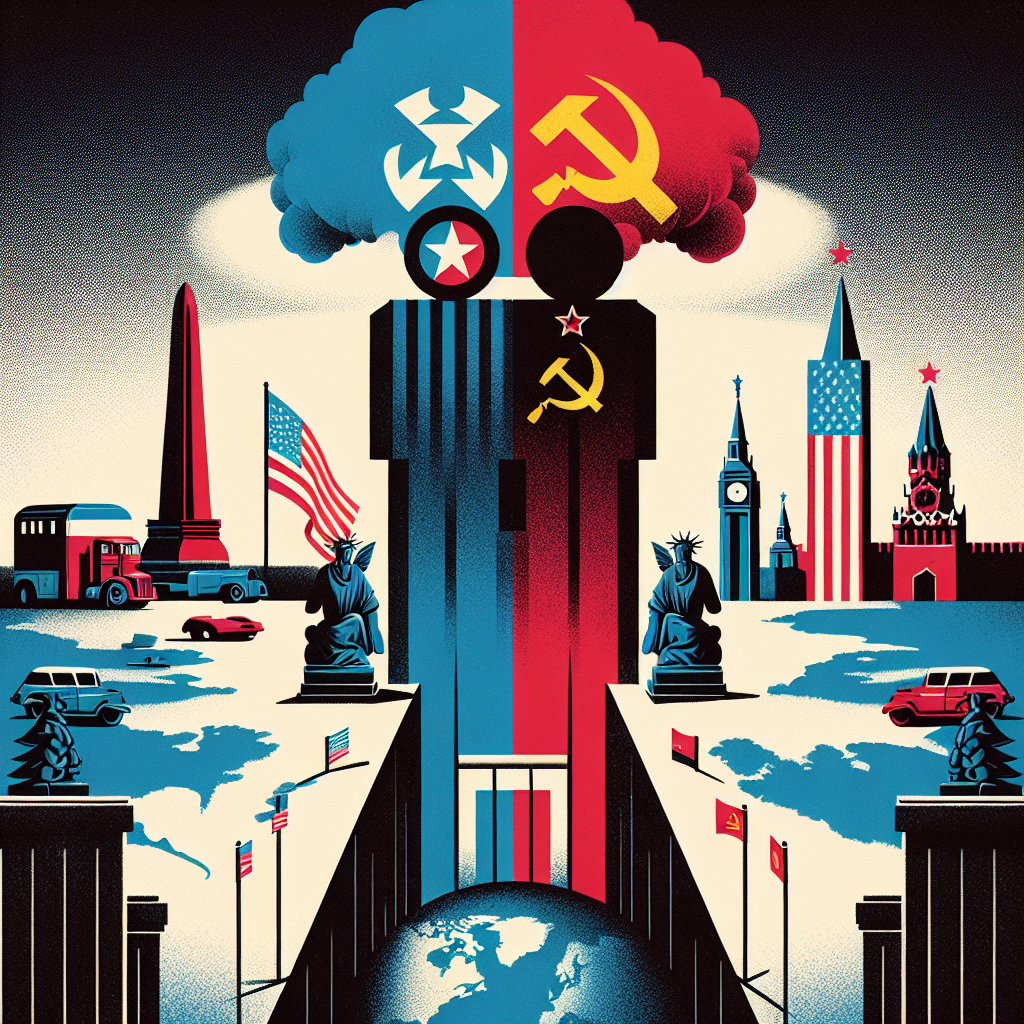
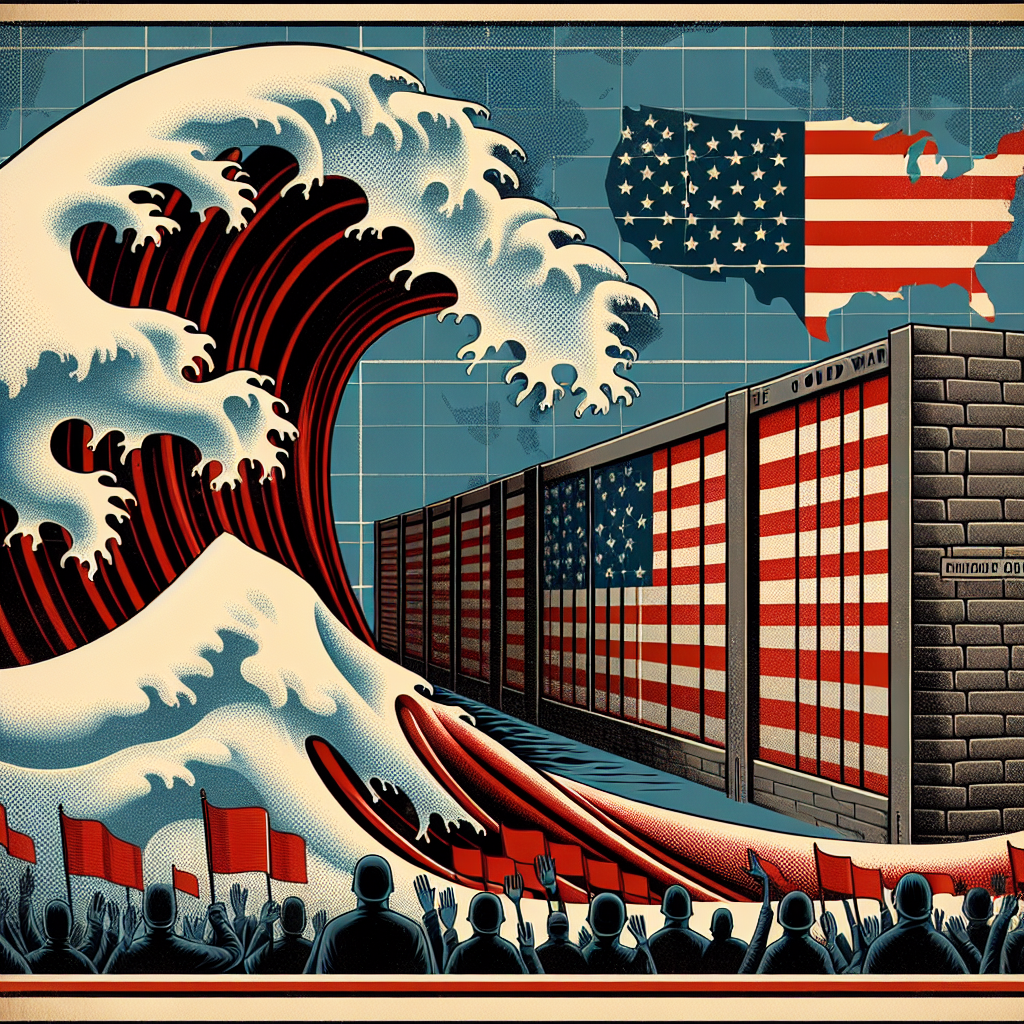
The Peace Corps was an instrument of Cold War idealism. Its volunteers offered practical help — digging wells, teaching English, improving crops — but the program also aimed to win goodwill for the United States and counter the appeal of communism in newly independent nations. Kennedy named his brother-in-law Sargent Shriver its first director, and within a few years thousands of Americans were serving in dozens of countries across Africa, Asia, and Latin America.
The experience cut both ways. Volunteers brought skills and enthusiasm, but they also returned home changed, carrying a firsthand knowledge of the wider world that reshaped how many Americans saw their country's place in it. Critics questioned how much lasting development a two-year volunteer could achieve and warned against a whiff of paternalism, yet the program retained a broad and bipartisan popularity that few government initiatives ever match.
More than six decades on, the Peace Corps endures as one of the most enduring expressions of American idealism, having sent hundreds of thousands of volunteers overseas. Its blend of service, diplomacy, and cross-cultural exchange embodied a hopeful strand of the 1960s — the belief that ordinary citizens could carry the best of their country into the world, one village at a time.
| Founded | 1961 |
| Created by | President John F. Kennedy |
| First director | Sargent Shriver |
| Mission | Volunteer service abroad |
| Fields | Education, health, agriculture |
| Purpose | Development and Cold War goodwill |
| Date | Founded 1961 |
| Location | Washington, D.C. |