Assassination of Robert F. Kennedy

Shortly after midnight on June 5, 1968, Robert F. Kennedy stepped from the stage of the Ambassador Hotel ballroom in Los Angeles, having just won the California Democratic primary. Minutes later, he lay dying on the kitchen floor, shot by Sirhan Sirhan, a 24-year-old Palestinian immigrant. He died the following day — becoming the second Kennedy brother killed by an assassin's bullet in less than five years.
RFK had entered the 1968 presidential race just 82 days earlier, igniting a coalition that bridged white working-class voters and Black Americans, Vietnam War opponents and the urban poor. His California victory made him the clear frontrunner for the Democratic nomination. His death left the party fractured; the chaos of the Chicago convention that August deepened the wound. Richard Nixon won the presidency in November, and the political world Kennedy had been assembling simply ceased to exist.
The assassination spurred landmark legislation. Congress passed the Gun Control Act of 1968 within months, and the Secret Service was formally authorized to protect presidential candidates — a protection Kennedy himself had not yet received that night at the Ambassador. Sirhan was convicted of first-degree murder in 1969 and remains incarcerated, the subject of periodic parole hearings that reliably reopen the wound.

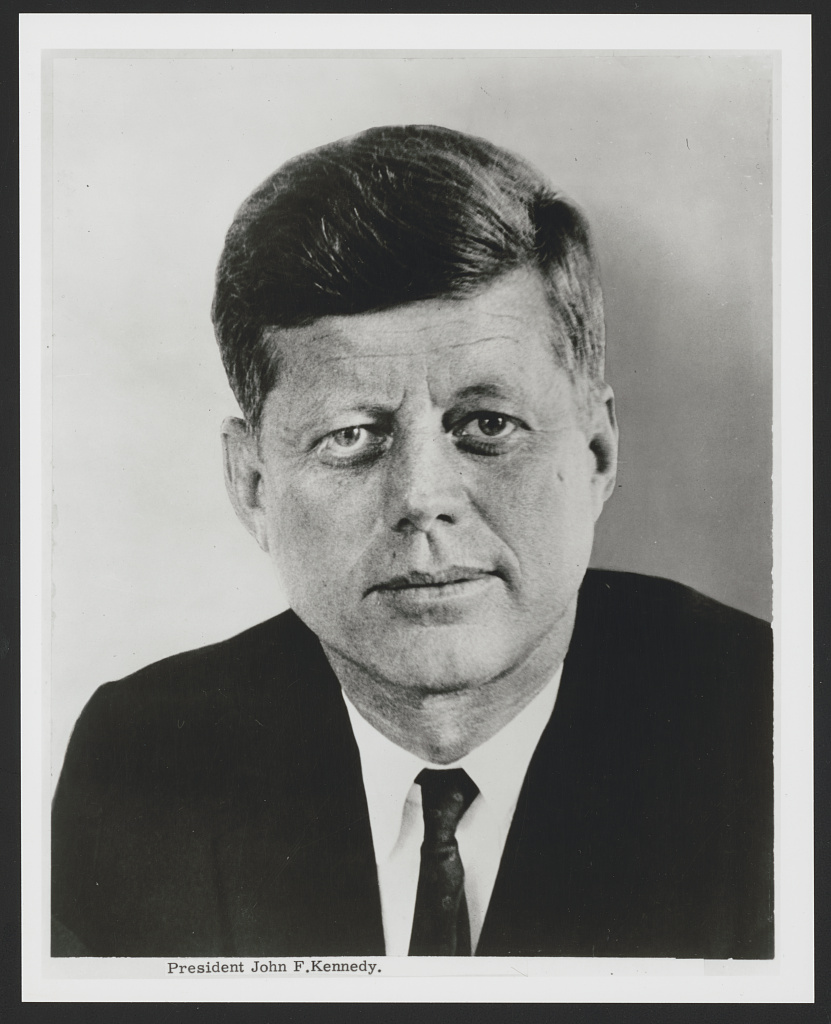

| Date | June 5–6, 1968 |
| Location | Ambassador Hotel, Los Angeles, California |
| Victim | Senator Robert F. Kennedy, age 42 |
| Assassin | Sirhan Bishara Sirhan |
| Outcome | Kennedy died June 6, 1968, at Good Samaritan Hospital |
| Verdict | Sirhan convicted of first-degree murder, 1969 |
| Date | June 5–6, 1968 |
| Location | Los Angeles, California |