John Tyler
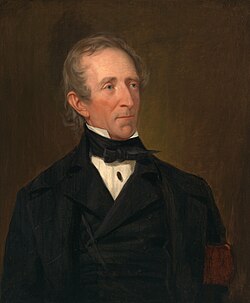
No one voted for John Tyler to be president. When William Henry Harrison died 31 days into office, Tyler was expected to serve as a caretaker — a placeholder until the next election. Tyler had other ideas. Declaring himself fully president rather than merely acting in that capacity, he established the succession precedent that governed every presidential death for the next 125 years and anchored the constitutional standard later ratified by the 25th Amendment in 1967.
The Whig Party that put Tyler on the ticket as a geographic concession promptly expelled him after he vetoed their banking legislation — twice. Dubbed "His Accidency" by opponents, Tyler governed without a party, without a cabinet (most of whom resigned), and without reliable congressional support. Yet he accomplished more than his detractors admitted: he resolved a border dispute with Britain through the Webster-Ashburton Treaty and set Texas annexation in motion in the final days of his term.
Tyler's legacy carries a dark postscript. In 1861, he was elected to the Confederate House of Representatives — the only former U.S. president to take up arms against the government he once led. He died before taking his seat. The federal government issued no official acknowledgment of his death, and it would be more than a century before Washington offered any formal recognition.


| Born | March 29, 1790 — Charles City County, Virginia |
| Died | January 18, 1862 — Richmond, Virginia |
| Party | Whig (expelled 1841); unaffiliated thereafter |
| Term | April 6, 1841 – March 4, 1845 |
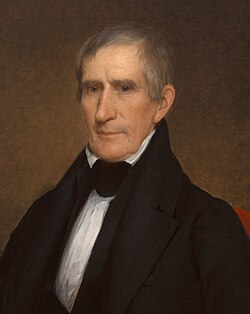
| Preceded by | William Henry Harrison |
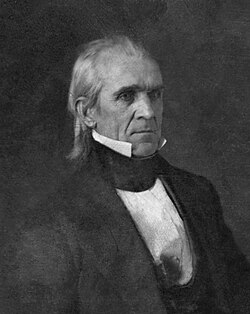
| Succeeded by | James K. Polk |
| Notable | First VP to assume presidency; only ex-president to serve the Confederacy |
| Years | 1790–1862 |
| Location | Charles City County, Virginia |