Panic of 1837
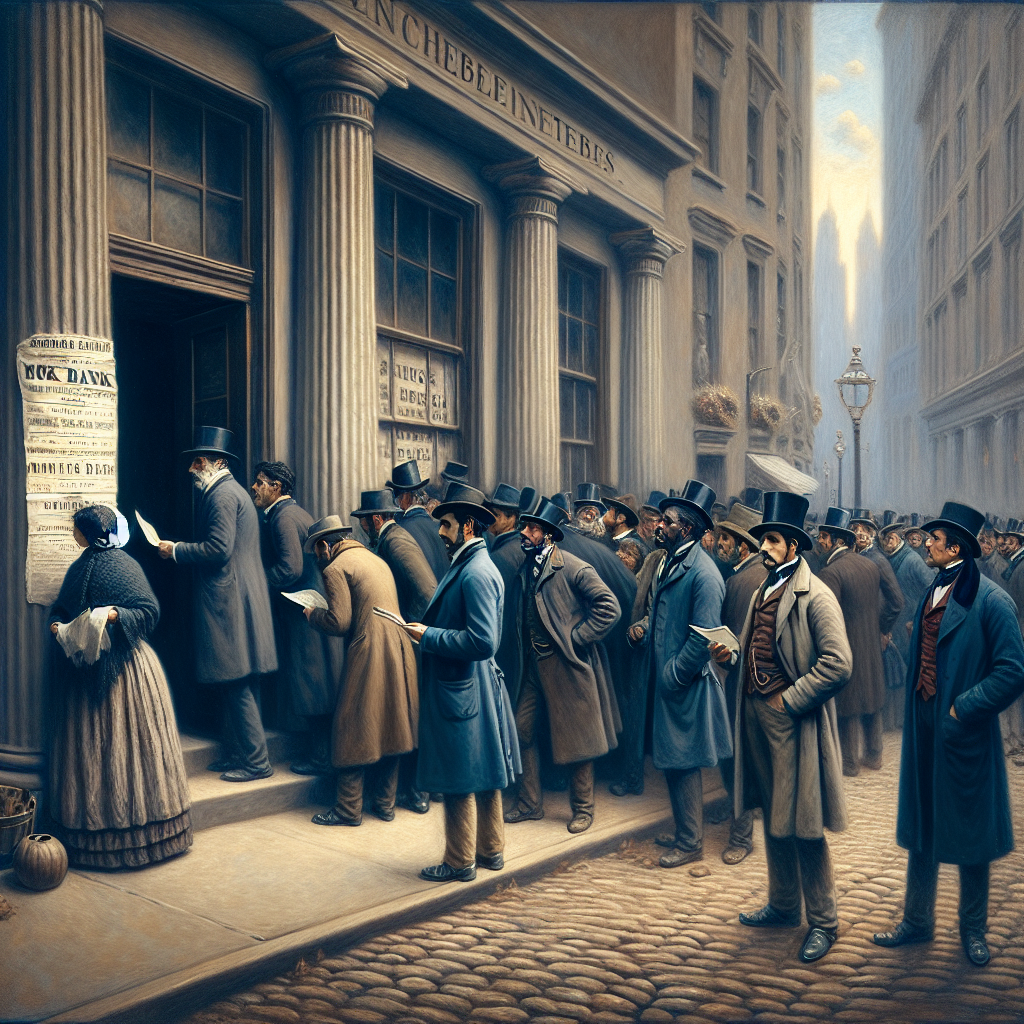
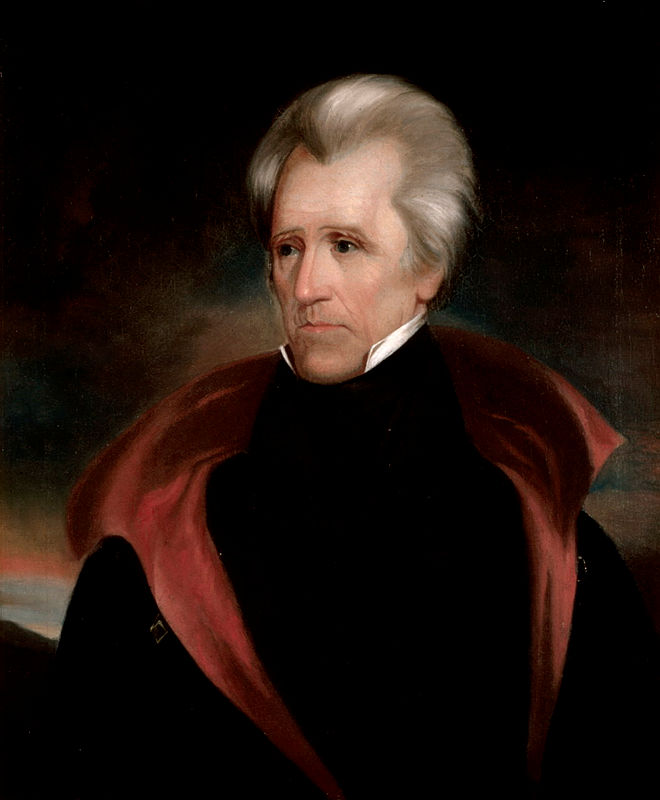
The Panic of 1837 began in May of that year when banks in New York City suspended specie payments — refusing to redeem paper currency in gold or silver — triggering a cascade of bank failures across the country. Within weeks hundreds of banks had closed, businesses had shuttered, and unemployment had spiked sharply in the major commercial cities. The crisis was years in the making. Andrew Jackson's destruction of the Second Bank of the United States in 1832–1836 had removed the primary regulator of the money supply; his Specie Circular of 1836, requiring payment for government land in gold or silver rather than bank notes, had drained hard currency from the East and helped precipitate the contraction.
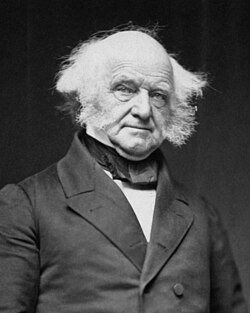
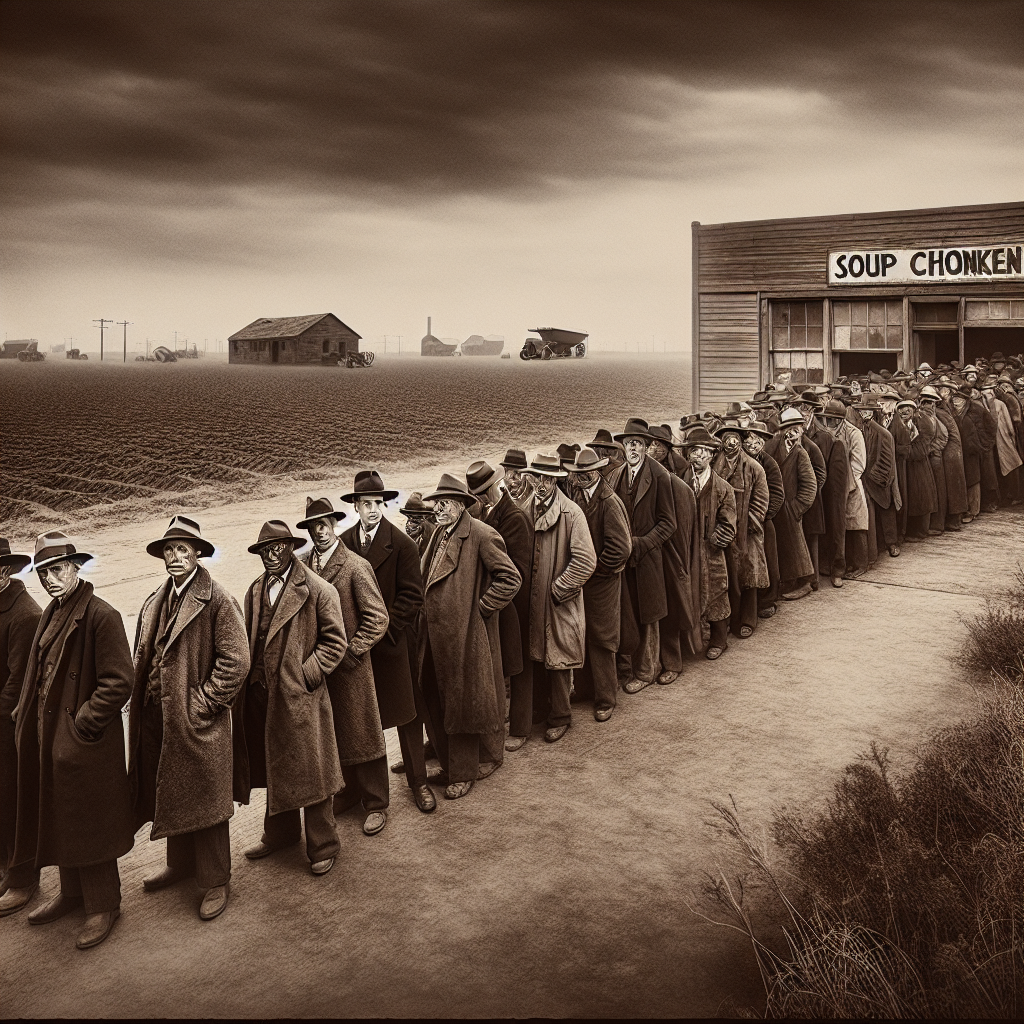
The depression that followed the panic lasted until roughly 1843 — seven years of high unemployment, deflated commodity prices, collapsed land values, and widespread business failure. Martin Van Buren, who had taken office six weeks before the panic began, bore the political consequences of a crisis he had inherited rather than created. His response — proposing an Independent Treasury System to hold federal funds separately from private banks, removing the government from the banking system entirely — was economically coherent but provided no immediate relief. It passed in 1840, too late to save his presidency.
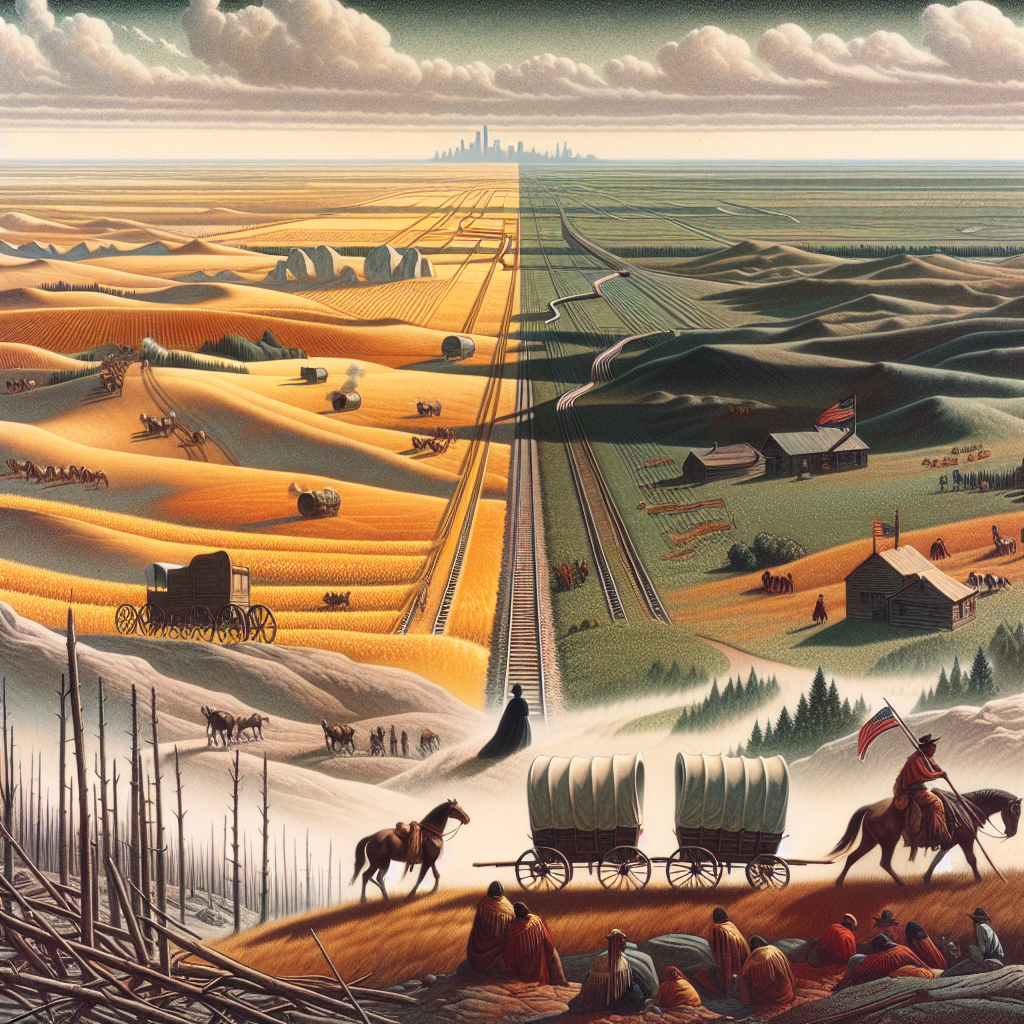
The Panic of 1837 accelerated several structural shifts in the American economy. It discredited the state-chartered banking system that had proliferated after the Bank of the United States was destroyed and contributed to the eventual creation of a more regulated national banking framework during the Civil War. It also pushed hundreds of thousands of Americans west, as land prices in the established states collapsed and the prospect of cheap western land became more attractive. The panic is one of the less-remembered American financial crises but one of the most consequential for the political and economic history of the Jacksonian era.
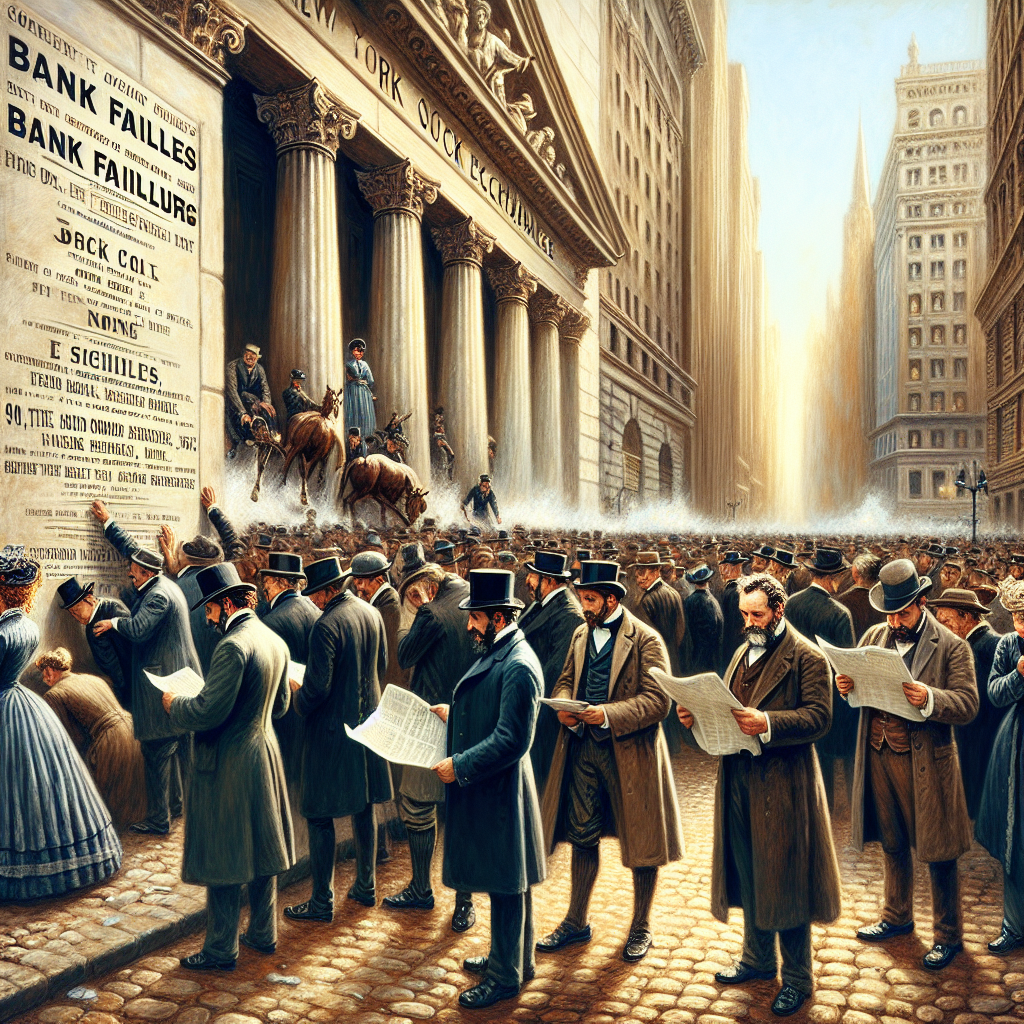
| Began | May 1837 — New York banks suspend specie payments |
| Duration | Depression lasted approximately 1837–1843 |
| Causes | Destruction of Second Bank of the U.S.; Specie Circular (1836) |
| Political victim | President Martin Van Buren — denied renomination |
| Van Buren's response | Independent Treasury Act, passed 1840 |
| Scale | Hundreds of bank failures; widespread unemployment |
| Long-term effect | Accelerated westward migration; banking reform pressure |
| Years | 1837–1843 |
| Location | New York City, New York |