Martin Van Buren
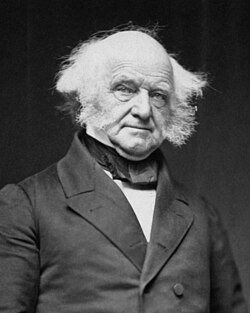
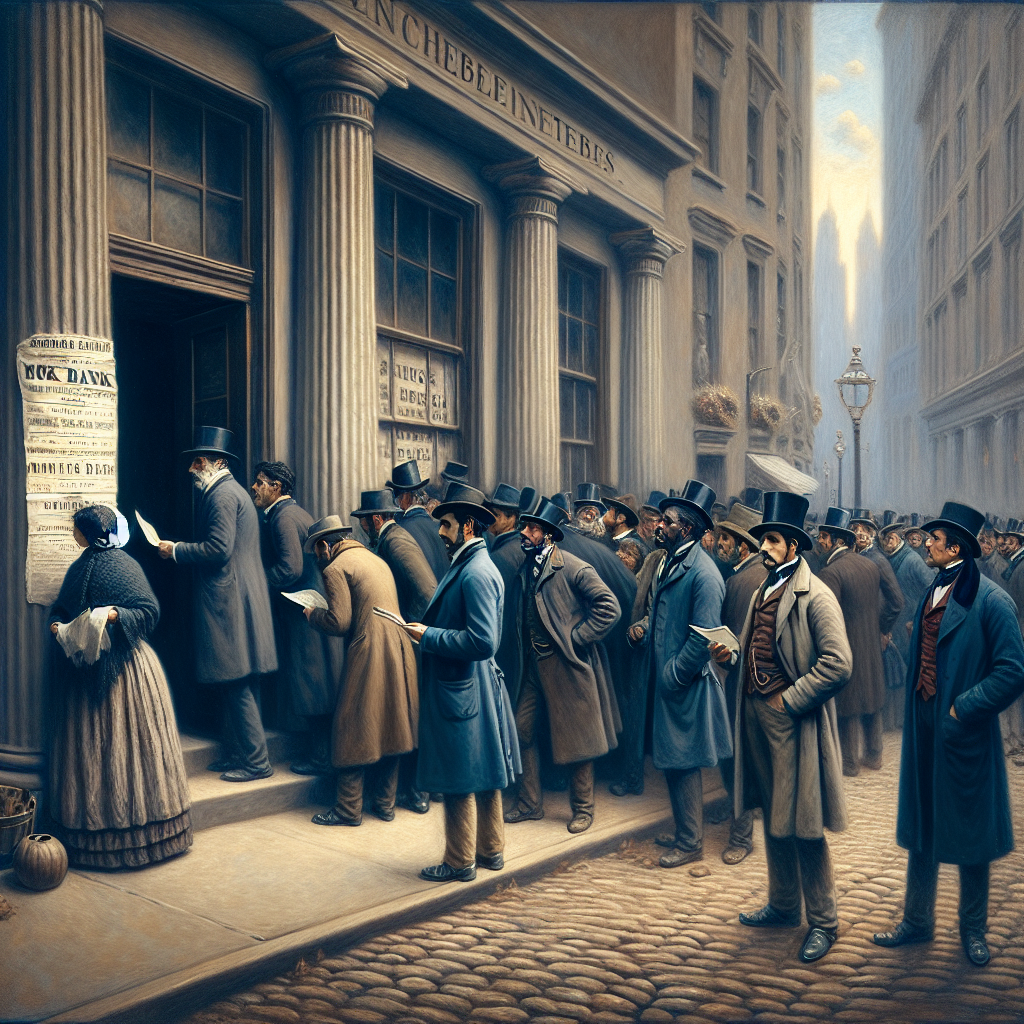
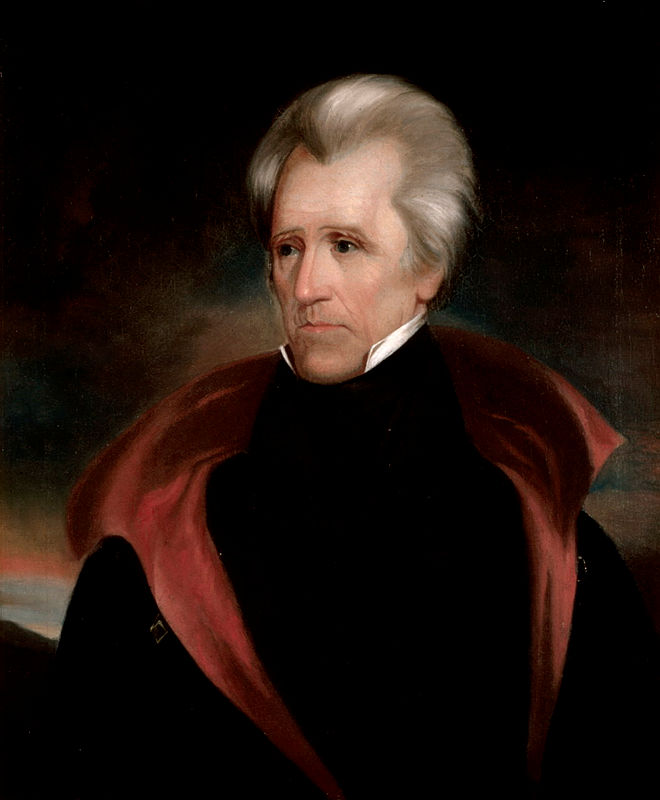
Martin Van Buren arrived at the White House in March 1837 as the hand-picked successor of Andrew Jackson — and within weeks, the economy collapsed around him. The Panic of 1837 triggered a depression that lasted most of his term, turning public opinion sharply against a president who had barely begun. The son of a Dutch tavern keeper in Kinderhook, New York, Van Buren was the first president born as an American citizen rather than a British subject, a distinction that felt considerably less significant when banks were shuttering and unemployment was rising.
Van Buren's political skills had built him to this moment. He was the principal architect of the modern Democratic Party — a master of organization who had engineered Jackson's rise before seeking the presidency himself. But the instincts that made him a brilliant tactician, caution and calculation above all, proved ill-suited to crisis. His response to the Panic was to pursue an independent treasury system that would remove federal funds from private banks, a structurally sound idea that took years to pass and did nothing to relieve immediate suffering.
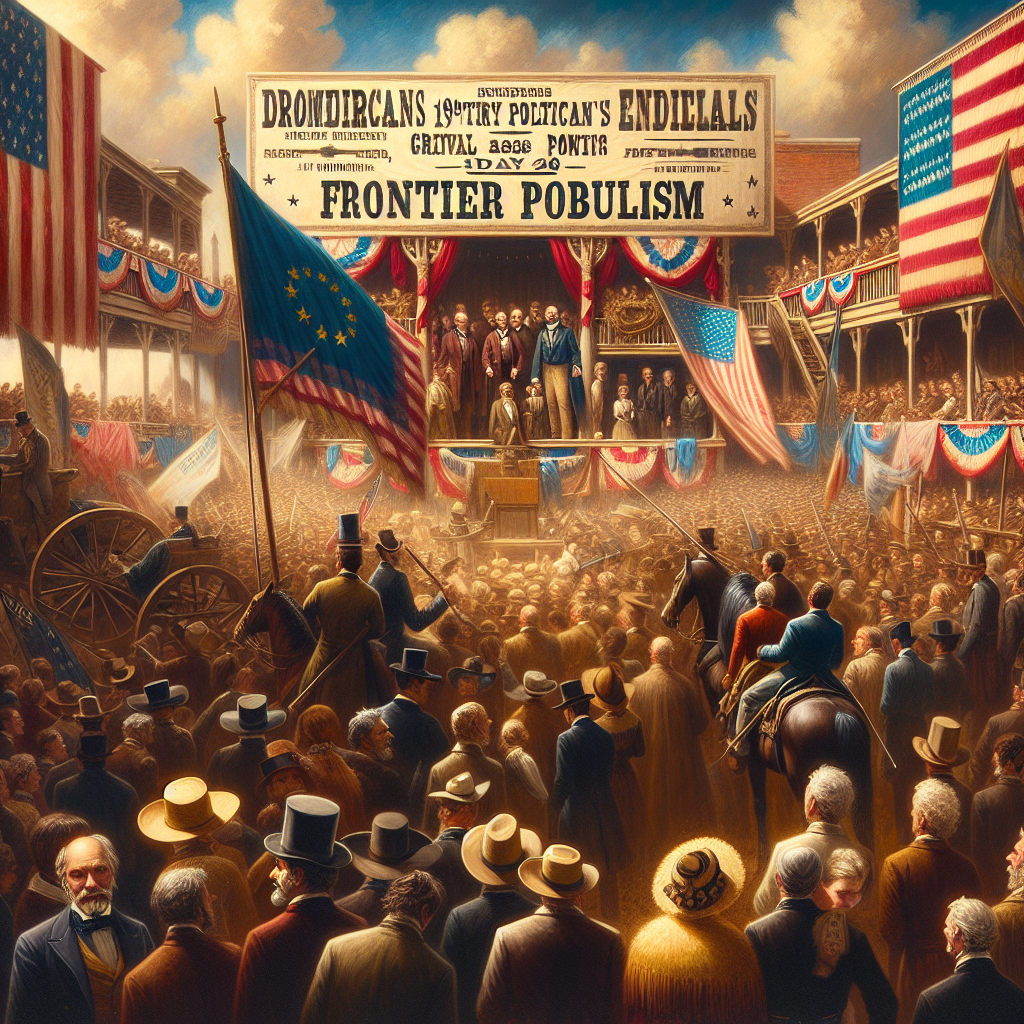
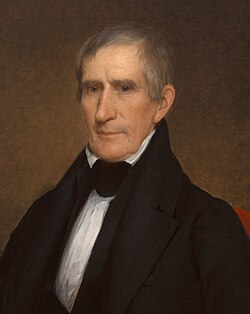
He sought a second term in 1840 and was routed by William Henry Harrison in a campaign that mocked him as an out-of-touch aristocrat — ironic for the son of a tavern keeper. He ran again in 1848 as the Free Soil candidate, siphoning enough votes in New York to hand the presidency to Zachary Taylor. History has not been generous to Van Buren, but his construction of durable party machinery reshaped American politics for generations.

| Born | December 5, 1782 — Kinderhook, New York |
| Died | July 24, 1862 — Kinderhook, New York |
| Party | Democrat |
| Term | March 4, 1837 – March 4, 1841 |
| Vice President | Richard Mentor Johnson |
| Preceded by | Andrew Jackson |
| Succeeded by | William Henry Harrison |
| Key Crisis | Panic of 1837 |
| Years | 1782–1862 |
| Location | Kinderhook, New York |