The Second Bank of the United States
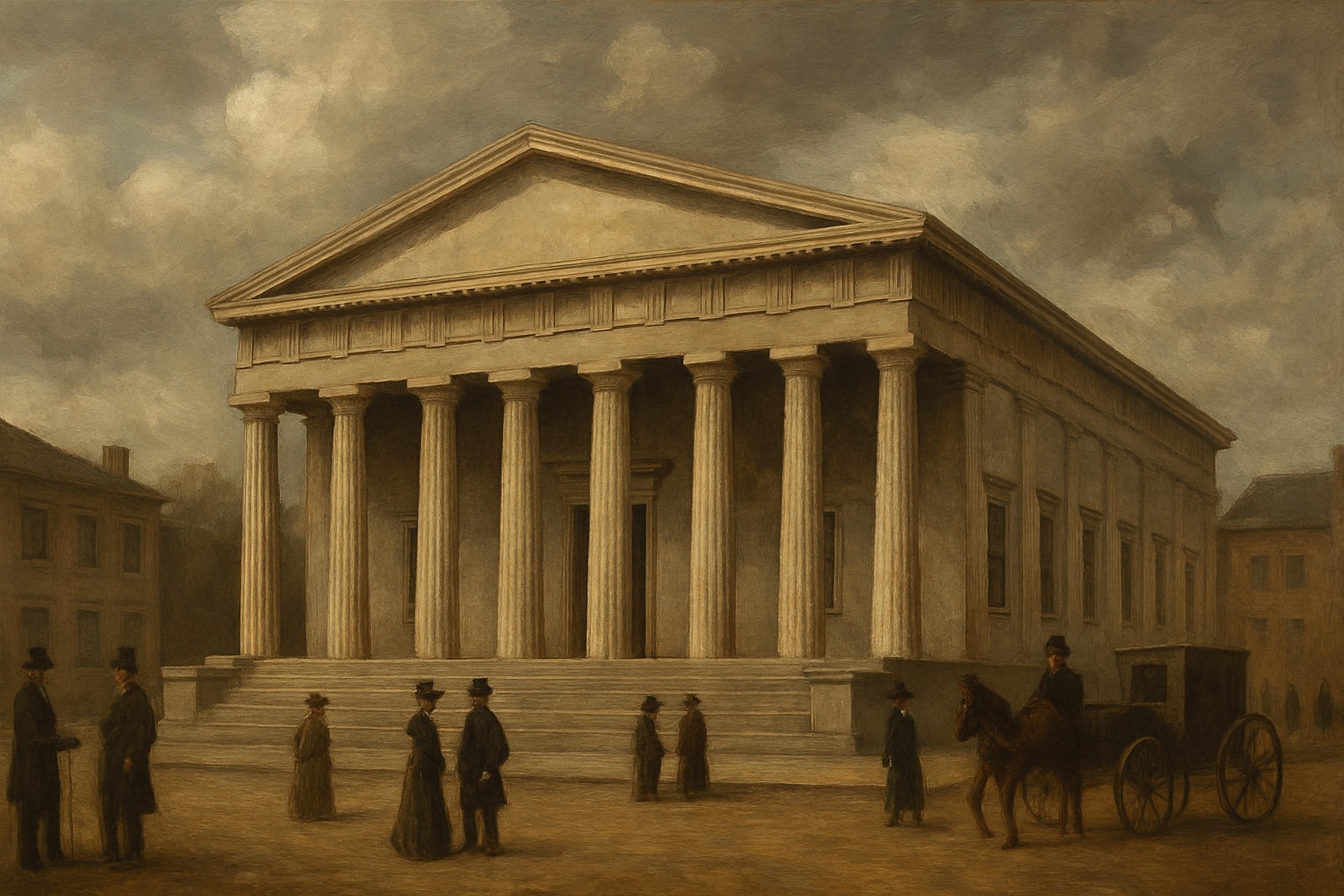
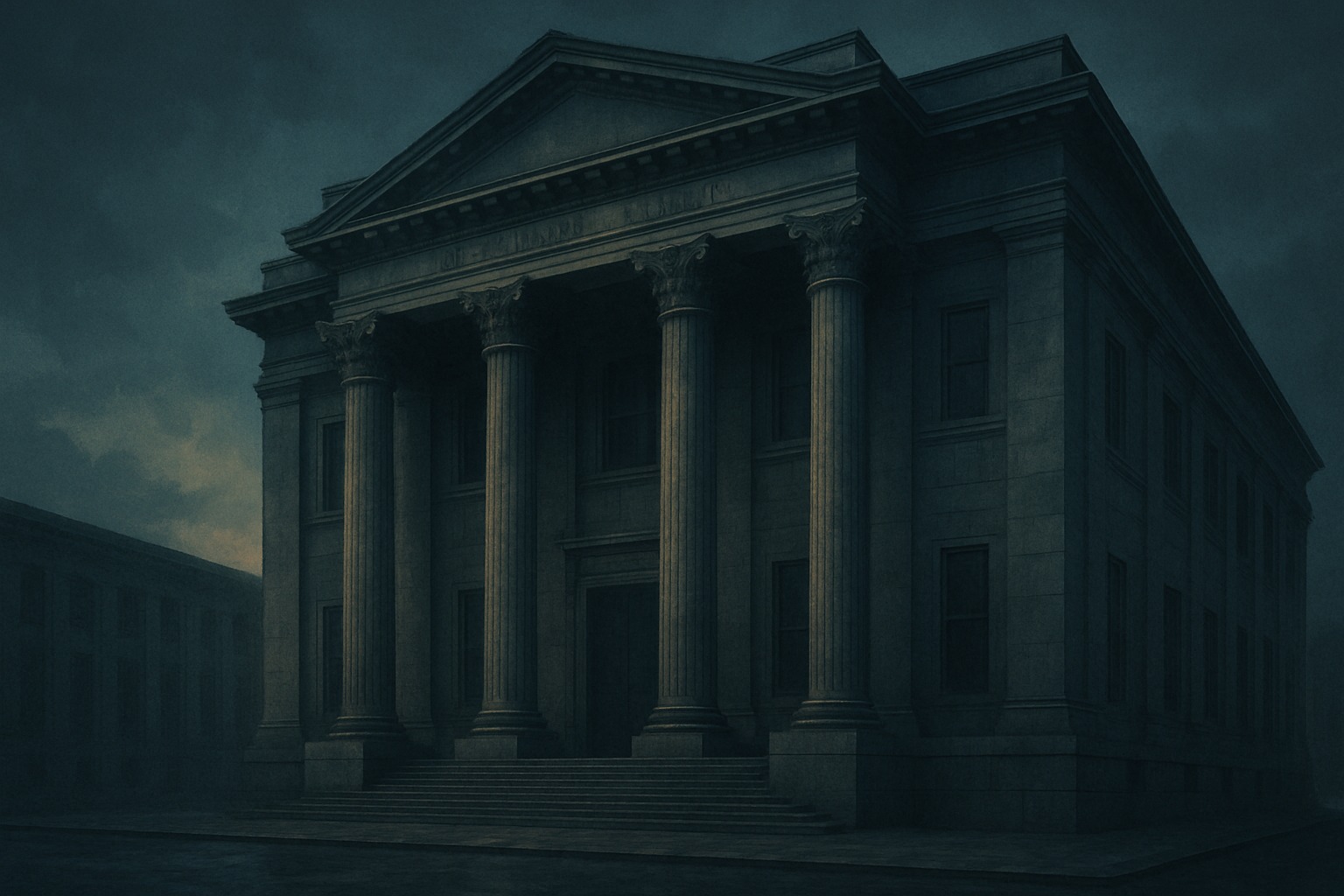
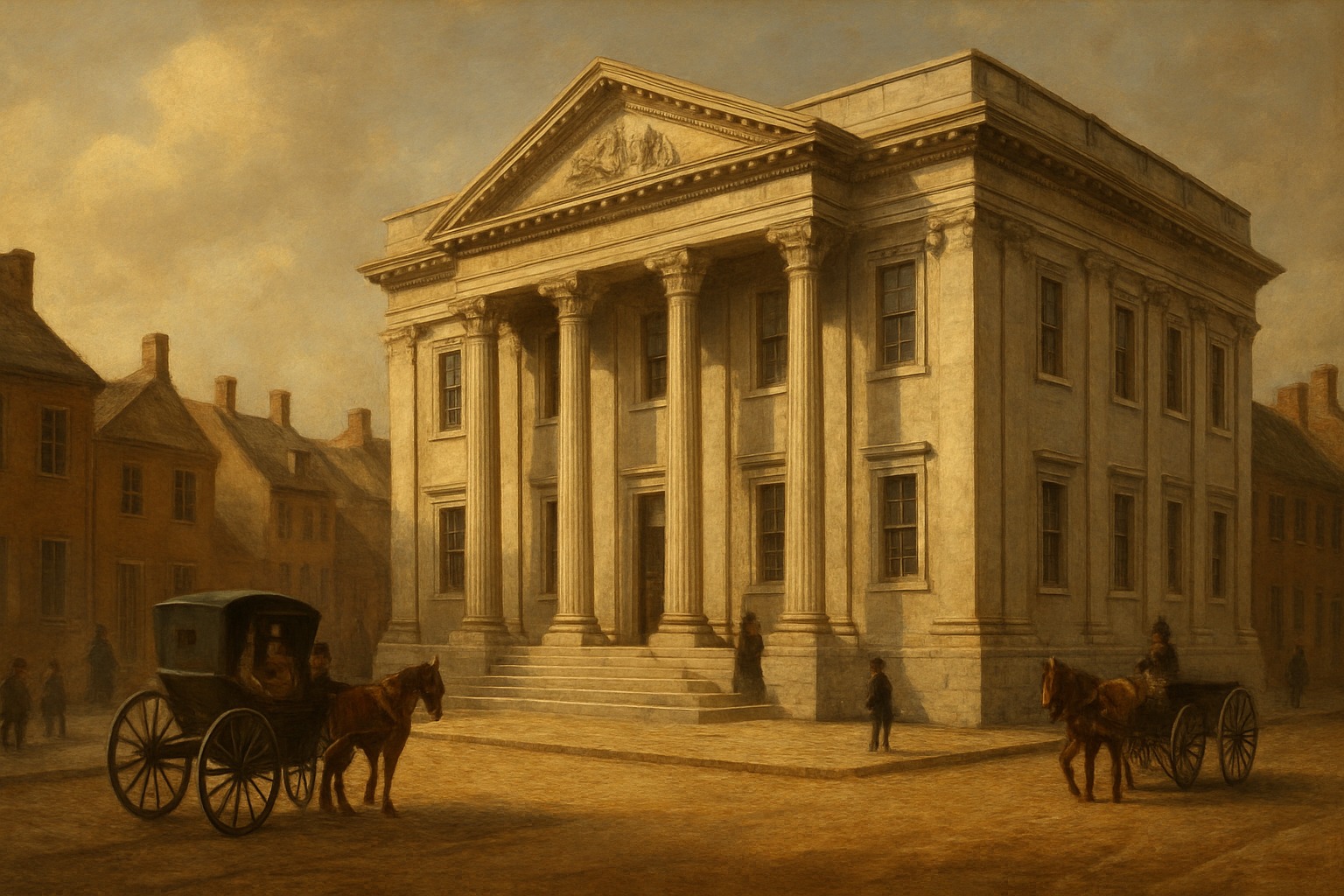
Congress revived the idea of a national bank in 1816, five years after letting the first one die and one year after a war whose financing the lapse had crippled. The Second Bank of the United States received a twenty-year charter, a larger capital of thirty-five million dollars, and the same mixed public-private ownership as its predecessor. Seated in Philadelphia in a marble temple modeled on the Parthenon, it grew under its president Nicholas Biddle into the most powerful financial institution in the country, holding federal deposits and regulating credit across a rapidly expanding nation.
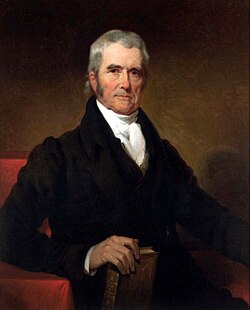
Its authority was tested almost immediately. When Maryland tried to tax the bank's Baltimore branch out of existence, the dispute reached the Supreme Court as McCulloch v. Maryland in 1819. Chief Justice John Marshall upheld the bank's constitutionality on Hamiltonian grounds and ruled that a state could not tax a federal instrument, a decision that cemented both implied powers and federal supremacy. Yet the bank also drew blame for the Panic of 1819, when its sudden tightening of credit helped tip the country into its first major depression.
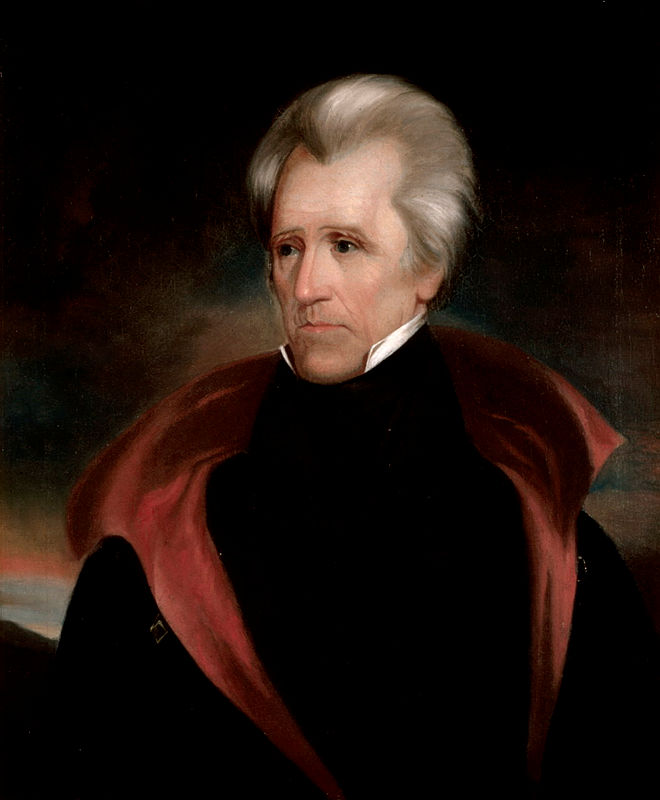
The institution met its match in Andrew Jackson. The president distrusted paper money, concentrated wealth, and a bank he saw as a privileged monster answerable to no voter. When Biddle and Jackson's rivals forced an early recharter bill through Congress in 1832, Jackson vetoed it in a thunderous message casting the bank as an engine of the rich against the common man. He won reelection on the issue, then ordered federal deposits withdrawn and scattered among state "pet banks," draining the institution of its power before its charter even ended.
The charter expired in 1836, and the bank limped on briefly as a private corporation chartered by Pennsylvania before failing in the Panic of 1837. Its destruction left the United States without a central bank for the better part of a century, an absence that made the boom-and-bust cycles of the 1800s sharper and the panics harder to contain. Not until the Federal Reserve was created in 1913 would the country again build the kind of institution Hamilton had imagined and Jackson had torn down.
| Chartered | 1816, for a 20-year term |
| Location | Philadelphia, Pennsylvania |
| Capital | $35 million |
| President | Nicholas Biddle |
| Key ruling | McCulloch v. Maryland (1819) |
| Destroyed by | Andrew Jackson's veto and removal of deposits |
| Charter ended | 1836 |
| Date | 1816–1836 |
| Location | Philadelphia, Pennsylvania |