The Environmental Movement
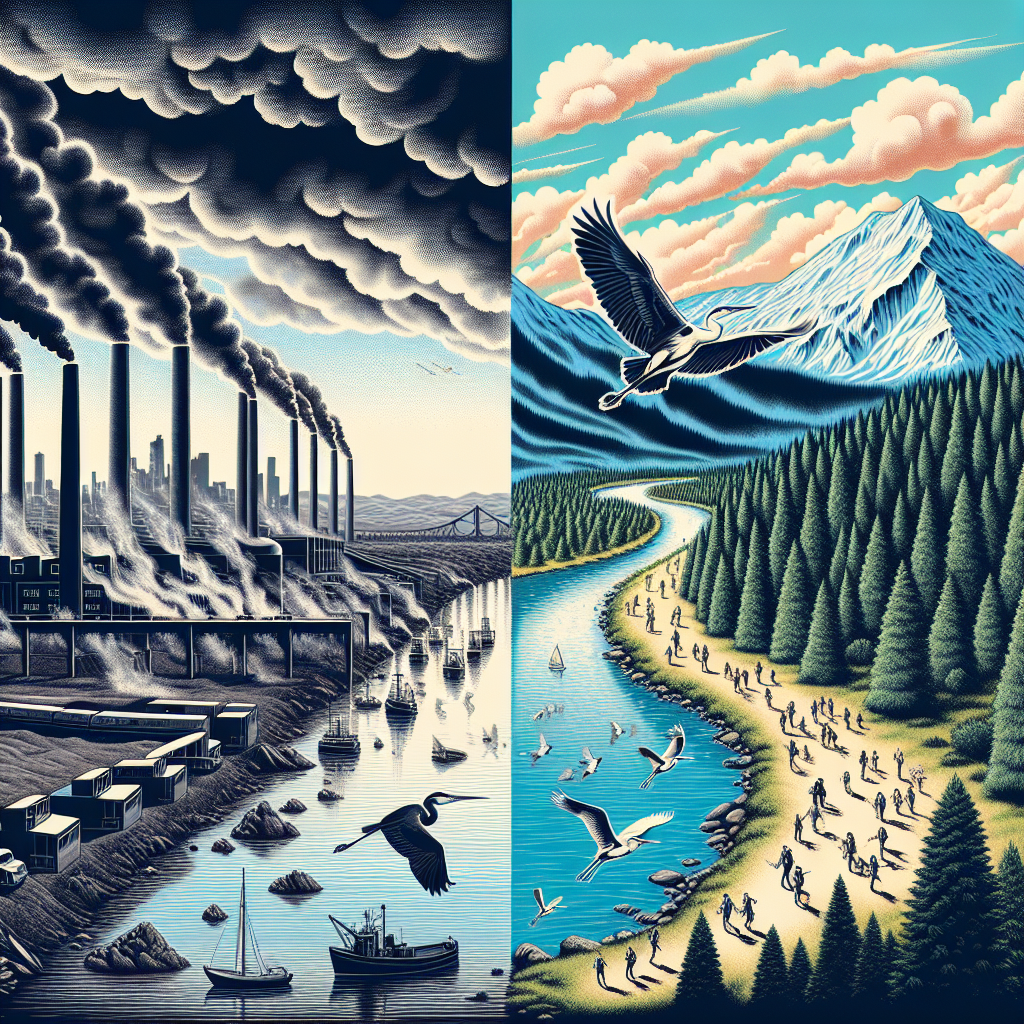
The American environmental movement has two distinct origins that took a century to fully merge. The first was the conservation impulse of the Progressive Era — Theodore Roosevelt and Gifford Pinchot's campaign to manage the nation's forests and natural resources rationally, reserving them from exploitation rather than from all human use. The second was the preservationist tradition of John Muir, who founded the Sierra Club in 1892 and fought to protect wilderness not as a resource but as a value in itself — an argument he lost when the Hetch Hetchy Valley in Yosemite was dammed in 1913, and that has been re-litigated in American courtrooms and legislatures ever since.
Rachel Carson's "Silent Spring," published in 1962, was the document that transformed conservation into environmentalism. Carson, a marine biologist, documented the effect of pesticides — particularly DDT — on bird populations, food chains, and human health with methodological care that made her findings nearly impossible to dismiss and a lucidity that made them impossible to ignore. The chemical industry spent millions trying to do both. The book sold over two million copies, triggered a presidential scientific inquiry, and is credited as the founding document of the modern environmental movement. It cost Carson her reputation with part of the scientific establishment; she died of cancer two years after publication.
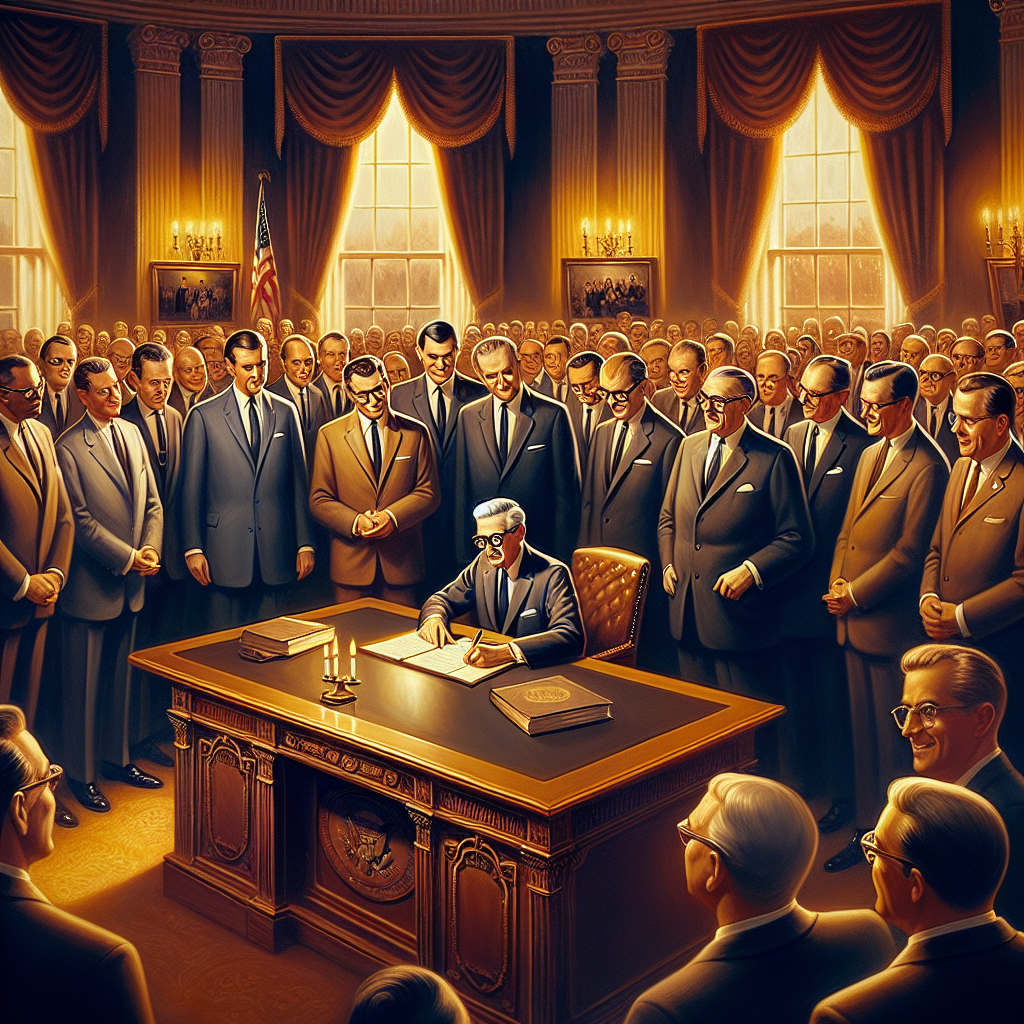
Earth Day, April 22, 1970, was the largest civic demonstration in American history to that point — 20 million participants in communities across the country, organized by Senator Gaylord Nelson of Wisconsin after he witnessed the wreckage of a 1969 oil spill in Santa Barbara. The Nixon administration, calculating political opportunity in the groundswell, responded with environmental laws that remain the foundation of American environmental regulation: the Clean Air Act (1970), the Clean Water Act (1972), the Endangered Species Act (1973), and the Environmental Protection Agency (1970). Nixon signed them all. He has since been described, with only slight irony, as the most environmentally consequential president in American history.
The movement's later decades were defined by the collision of environmental regulation with economic interest — a collision that hardened into the partisan alignment that makes climate change the most politically calcified scientific issue in American public life. The Reagan administration's rollbacks, the spotted owl fights of the 1990s, and the repeated failure to pass comprehensive climate legislation all traced to a political dynamic in which environmental protection had become synonymous with one party and economic freedom with the other. The original bipartisan consensus that produced the EPA — riding a wave of public disgust at rivers that literally caught fire — dissolved by 1980 and has not been reconstituted since.

| Conservation precursors | Theodore Roosevelt, Gifford Pinchot, John Muir (1890s–1910s) |
| Founding document | "Silent Spring," Rachel Carson, 1962 |
| First Earth Day | April 22, 1970 — 20 million participants |
| Key legislation | Clean Air Act (1970), Clean Water Act (1972), ESA (1973) |
| EPA established | December 2, 1970 (Nixon administration) |
| DDT banned | 1972 |
| Key organizations | Sierra Club (1892), Audubon Society (1905), NRDC (1970), Greenpeace (1971) |