Civil Disobedience
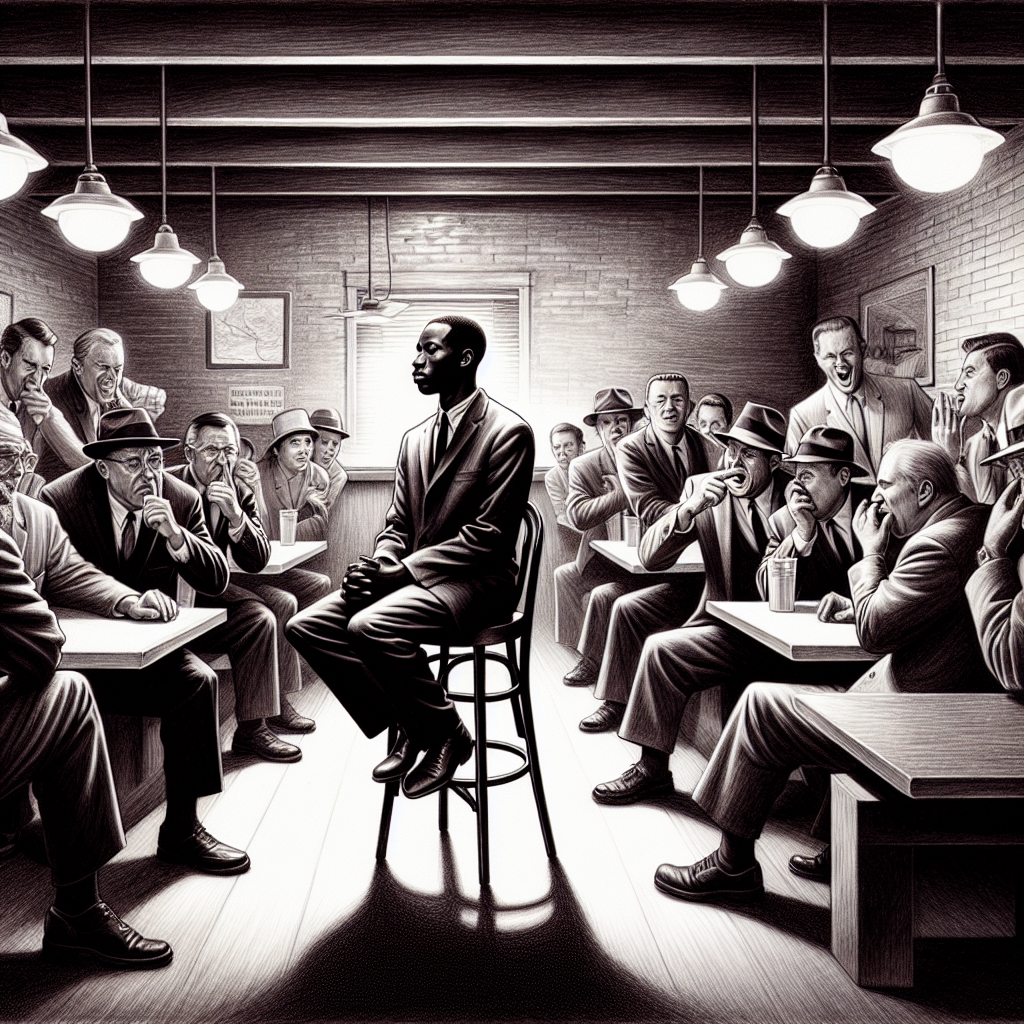
Henry David Thoreau spent one night in a Concord, Massachusetts jail in July 1846, locked up for refusing to pay a poll tax that, in his view, made him complicit in slavery and the Mexican-American War. The experience produced one of the most consequential essays in American political thought. Thoreau's "Resistance to Civil Government" — later republished as "Civil Disobedience" — argued that individual conscience was the highest law, and that obedience to an unjust government was itself a moral failure.
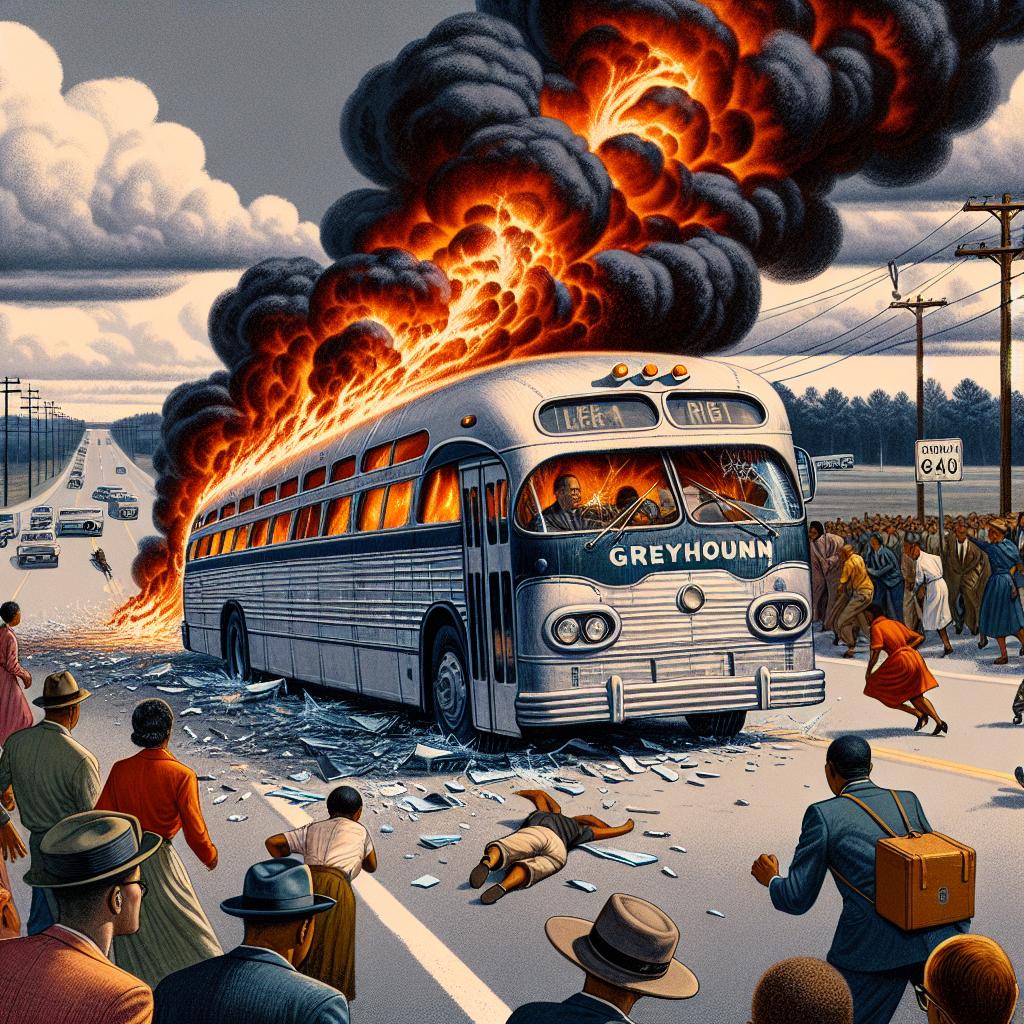
Thoreau's ideas traveled far. Gandhi acknowledged them as foundational to his campaigns in South Africa and India. Martin Luther King Jr. read the essay at Morehouse College and carried it into the American civil rights movement. The sit-ins, freedom rides, and marches of the 1950s and 1960s were Thoreau's theory made flesh — deliberately provoking arrest to expose the machinery of unjust law and force the majority to confront what was being done in its name.
Civil disobedience carries a strict internal logic: practitioners accept legal punishment rather than evade it, because submission to arrest demonstrates respect for law in general while rejecting one specific injustice. This willingness to suffer consequences is precisely what gives the tactic its moral force — and what separates it from ordinary lawbreaking. Evasion merely makes the protester a fugitive; arrest makes them a witness.



| Origin | Henry David Thoreau, "Resistance to Civil Government," 1849 |
| Later title | "Civil Disobedience" (posthumous republication) |
| Key practitioners | Thoreau, Gandhi, Martin Luther King Jr., Rosa Parks |
| American examples | Montgomery Bus Boycott (1955), Greensboro sit-ins (1960), Freedom Rides (1961) |
| Core principle | Nonviolent, public, accepts legal consequences |
| Years | 1849 |
| Location | Concord, Massachusetts |