The Student Nonviolent Coordinating Committee
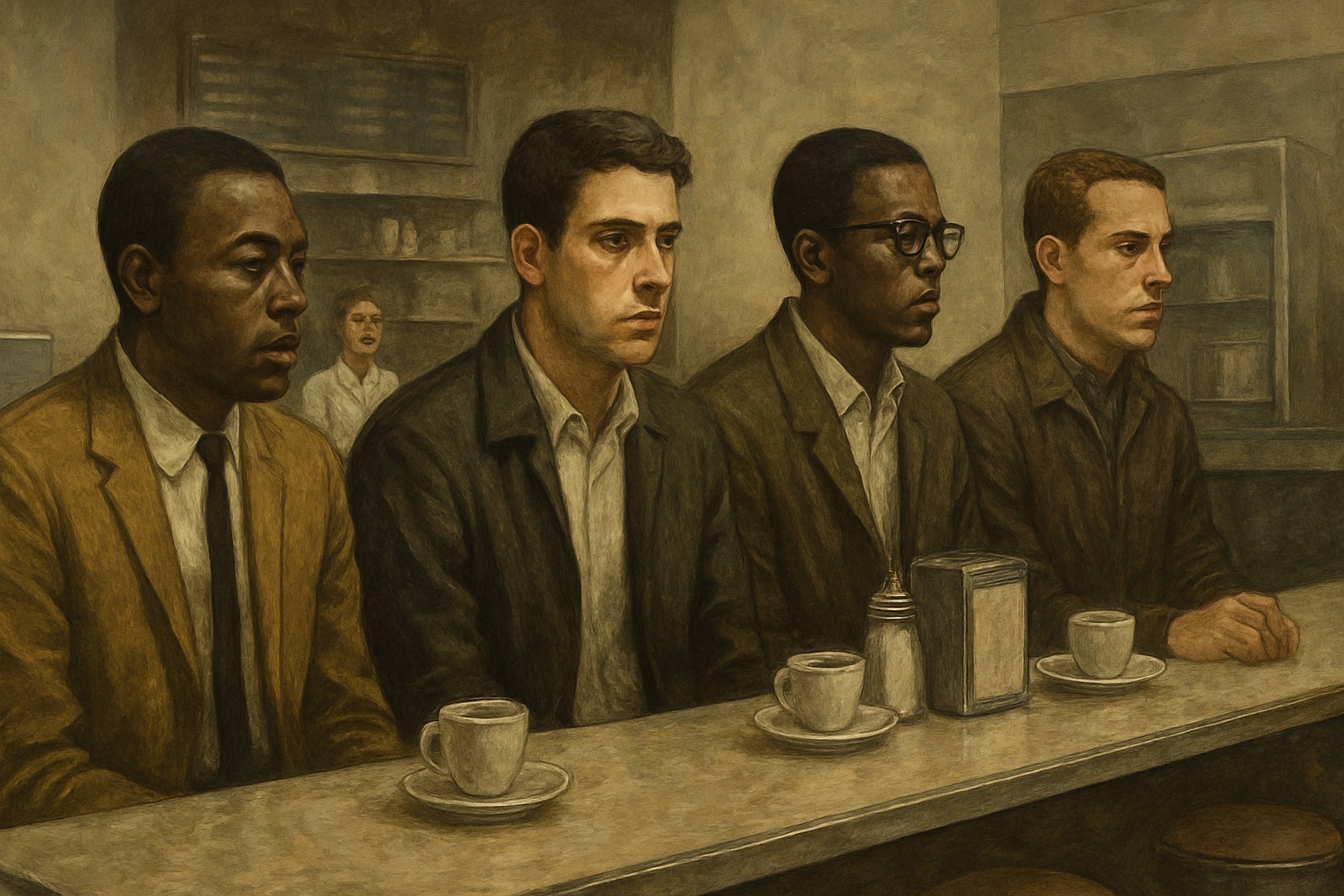
When Black college students began sitting in at segregated lunch counters across the South in early 1960, the veteran organizer Ella Baker urged them to build a group of their own rather than fold into the older civil rights organizations. The result, founded that spring at Shaw University in North Carolina, was the Student Nonviolent Coordinating Committee — a band of young activists who would become the movement's boldest and most fearless foot soldiers.
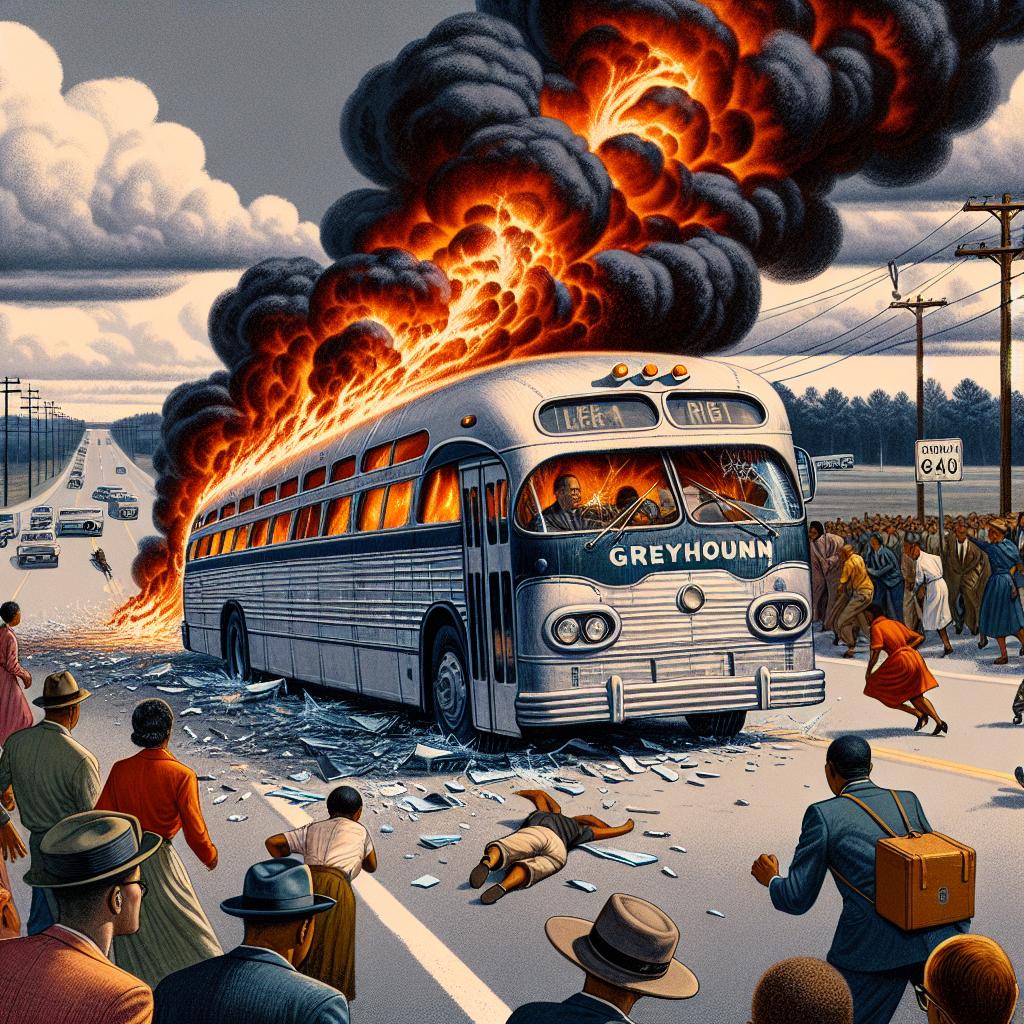
SNCC took the struggle into the most dangerous corners of the Deep South. Its members joined the Freedom Rides that integrated interstate travel at the risk of savage beatings, and they moved into rural Mississippi and Alabama to register Black voters where doing so could get a person killed. The 1964 Freedom Summer, which brought hundreds of volunteers to Mississippi, was largely SNCC's work, and it cost the lives of activists murdered for the effort.
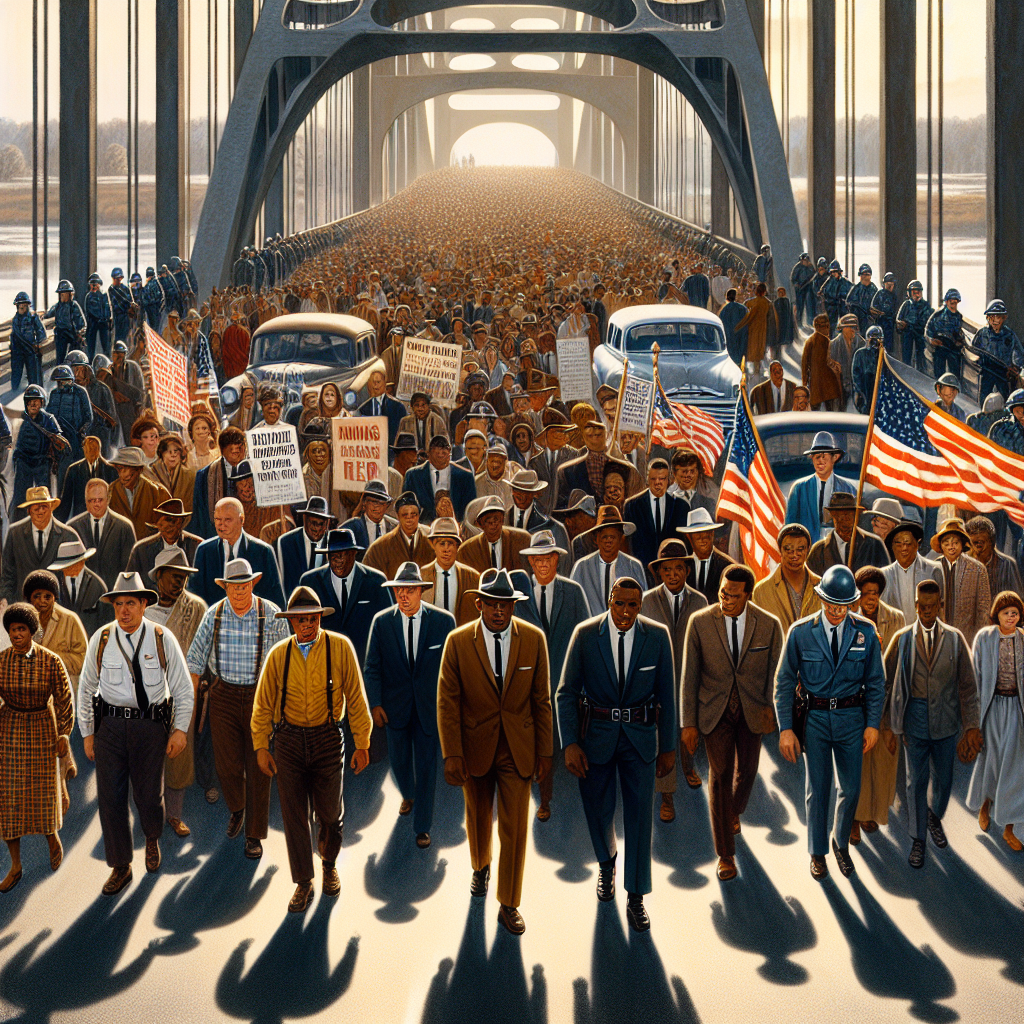
The organization was a training ground for a generation of leaders. The future congressman John Lewis chaired it and was beaten nearly to death at Selma, while Stokely Carmichael rose through its ranks. It was Carmichael who, in 1966, gave voice to a growing impatience by raising the cry of Black Power, marking SNCC's turn away from nonviolence and integration toward a more radical politics.
That radicalization, along with government pressure and internal strife, unraveled the organization by the end of the 1960s. But in its brief, incandescent life SNCC had registered thousands of voters, forced the nation to confront the violence of segregation, and shaped the strategy and spirit of the movement. Its insistence that ordinary people could organize their own liberation left a mark on American activism that long outlasted the group itself.
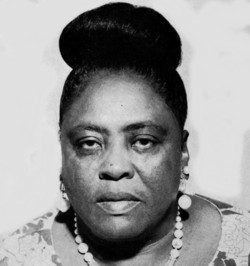
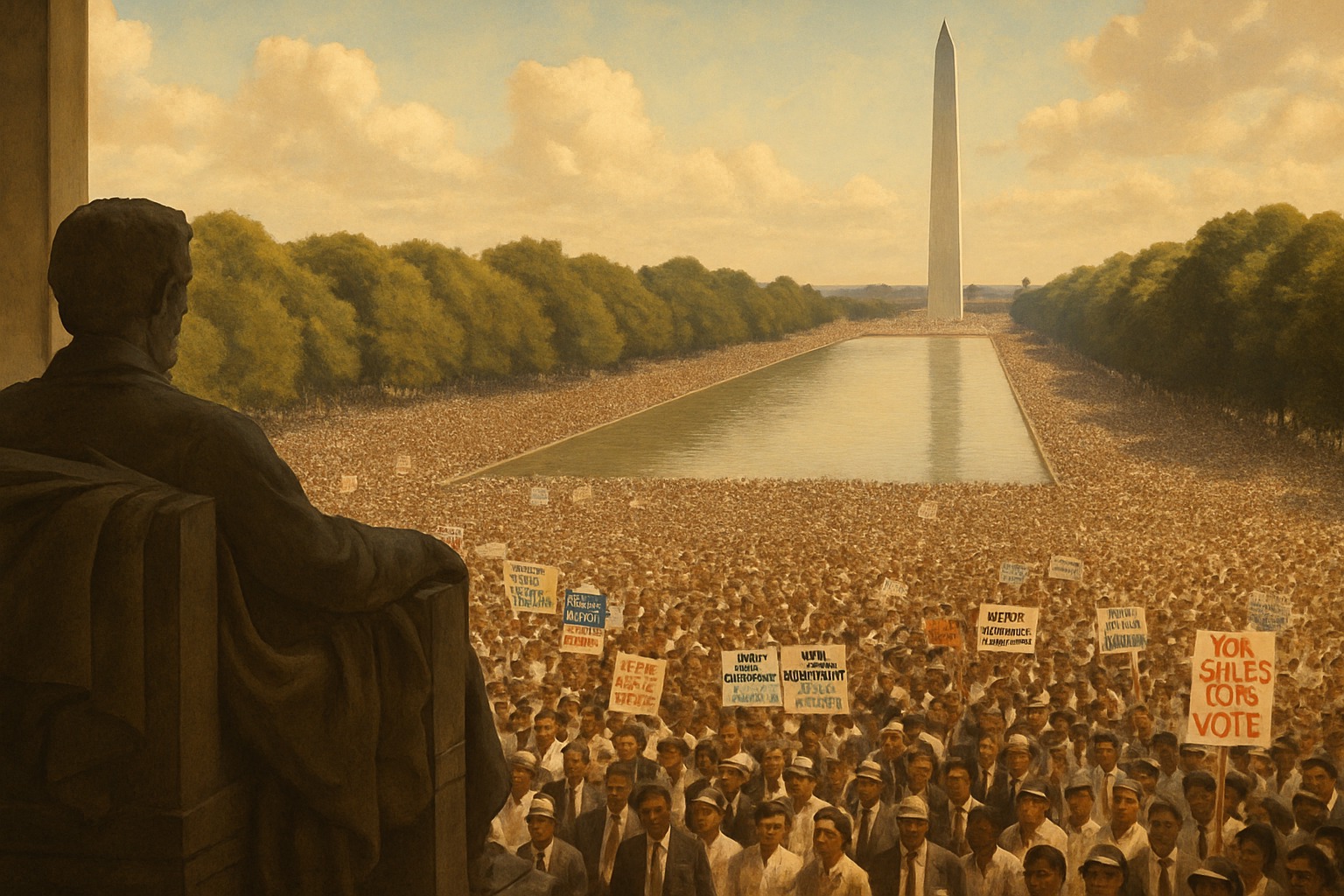
| Founded | 1960, Raleigh, North Carolina |
| Mentor | Ella Baker |
| Tactics | Sit-ins, Freedom Rides, voter registration |
| Freedom Summer | Mississippi, 1964 |
| Leaders | John Lewis, Stokely Carmichael |
| Later turn | Black Power (1966) |
| Date | 1960–1970 |
| Location | Raleigh, North Carolina |