NAFTA
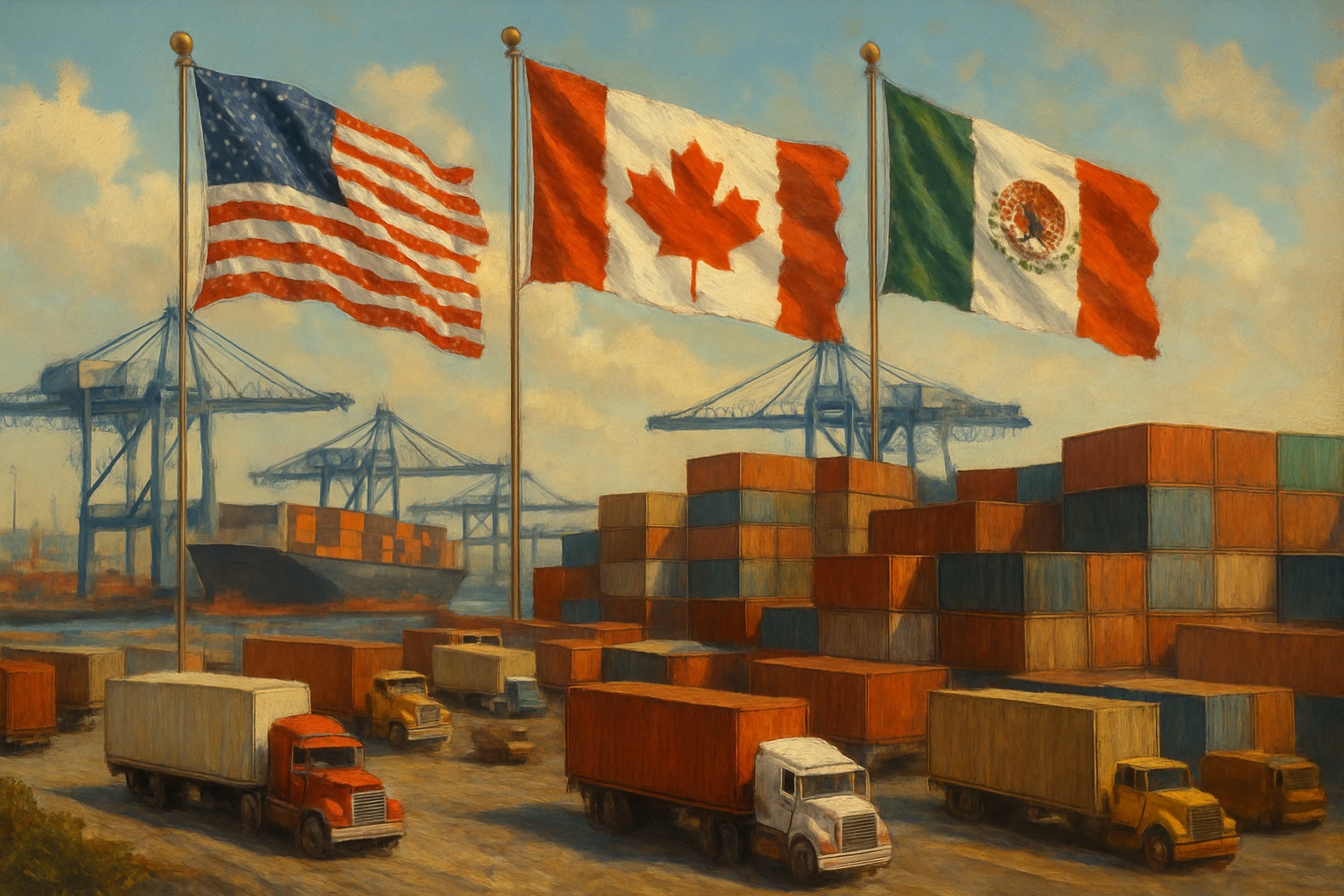
The North American Free Trade Agreement took effect on January 1, 1994, creating one of the largest free-trade zones in the world by linking the economies of the United States, Canada, and Mexico. Negotiated under President George H. W. Bush and signed into law by President Bill Clinton, it phased out most tariffs and trade barriers across the continent, betting that freer commerce would make all three nations more prosperous.
NAFTA was politically divisive from the start. Its backers argued it would lower consumer prices, open vast markets to American goods, and anchor Mexico's economic modernization. Opponents, led by labor unions and figures such as third-party candidate Ross Perot — who warned of a "giant sucking sound" of jobs heading south — predicted it would drain American manufacturing to lower-wage Mexico.
The verdict that followed was genuinely mixed. Trade among the three countries roughly tripled, and many industries, especially agriculture and autos, integrated their supply chains across borders. But manufacturing communities in parts of the United States did lose jobs, and economists still debate how much of that loss to attribute to NAFTA as opposed to automation and broader globalization.
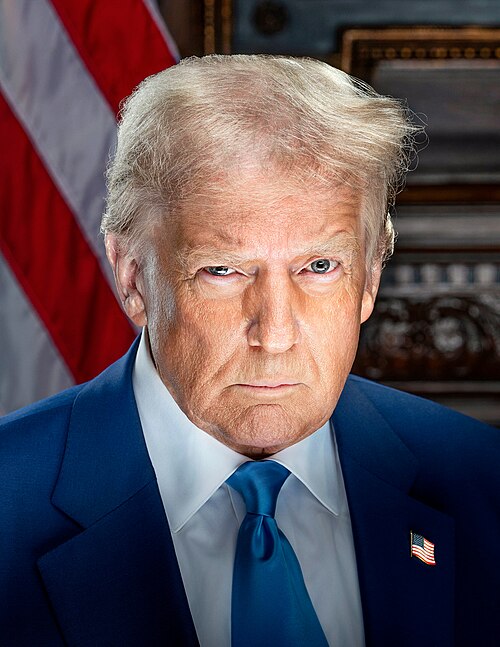
The agreement became a lasting symbol in American politics of the costs and benefits of globalization, fueling a populist backlash on both the left and right. Donald Trump campaigned against it as "the worst trade deal ever," and in 2020 it was replaced by a renegotiated successor, the United States-Mexico-Canada Agreement, which preserved most of its structure while updating its terms.
| Took Effect | January 1, 1994 |
| Members | United States, Canada, Mexico |
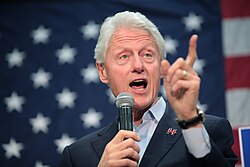
| Signed By | President Bill Clinton (negotiated under G.H.W. Bush) |
| Aim | Phase out tariffs and trade barriers |
| Debate | Cheaper goods vs. manufacturing job losses |
| Replaced By | USMCA, effective July 1, 2020 |
| Date | In effect January 1, 1994 – July 1, 2020 |
| Location | North America |