Presidential Homes and Libraries: A Road Trip
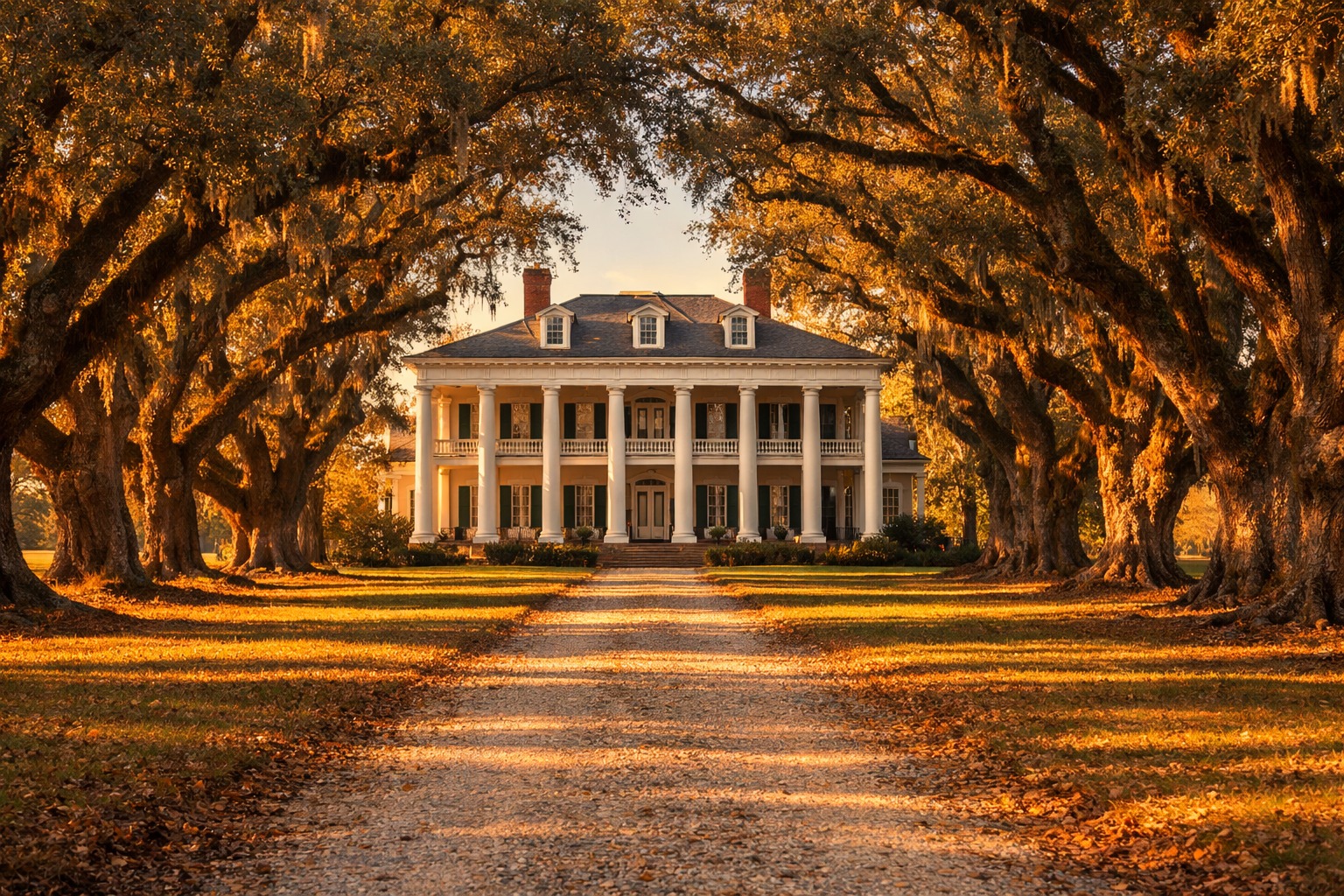
Ten presidential homes, strung loosely across the map, make a road trip that never strays far from an interstate: a Virginia cluster near the capital, a swing south to Tennessee and west to the Texas hill country, a stop in Ohio, and a final leg up the Hudson Valley to Long Island. None of it requires more than a handful of driving days if taken region by region, and every stop links to the fuller BriefHistory entry on the house itself.
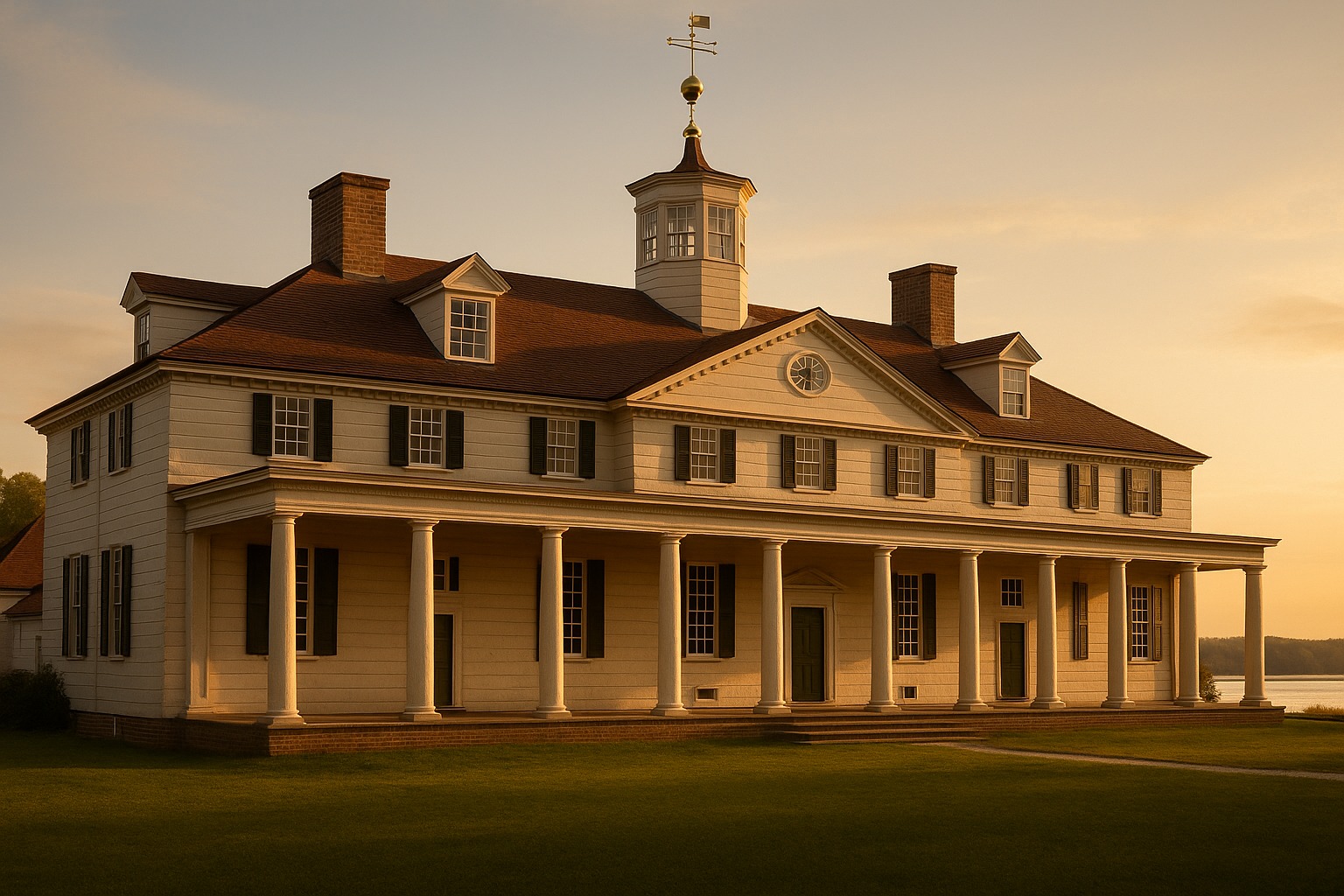
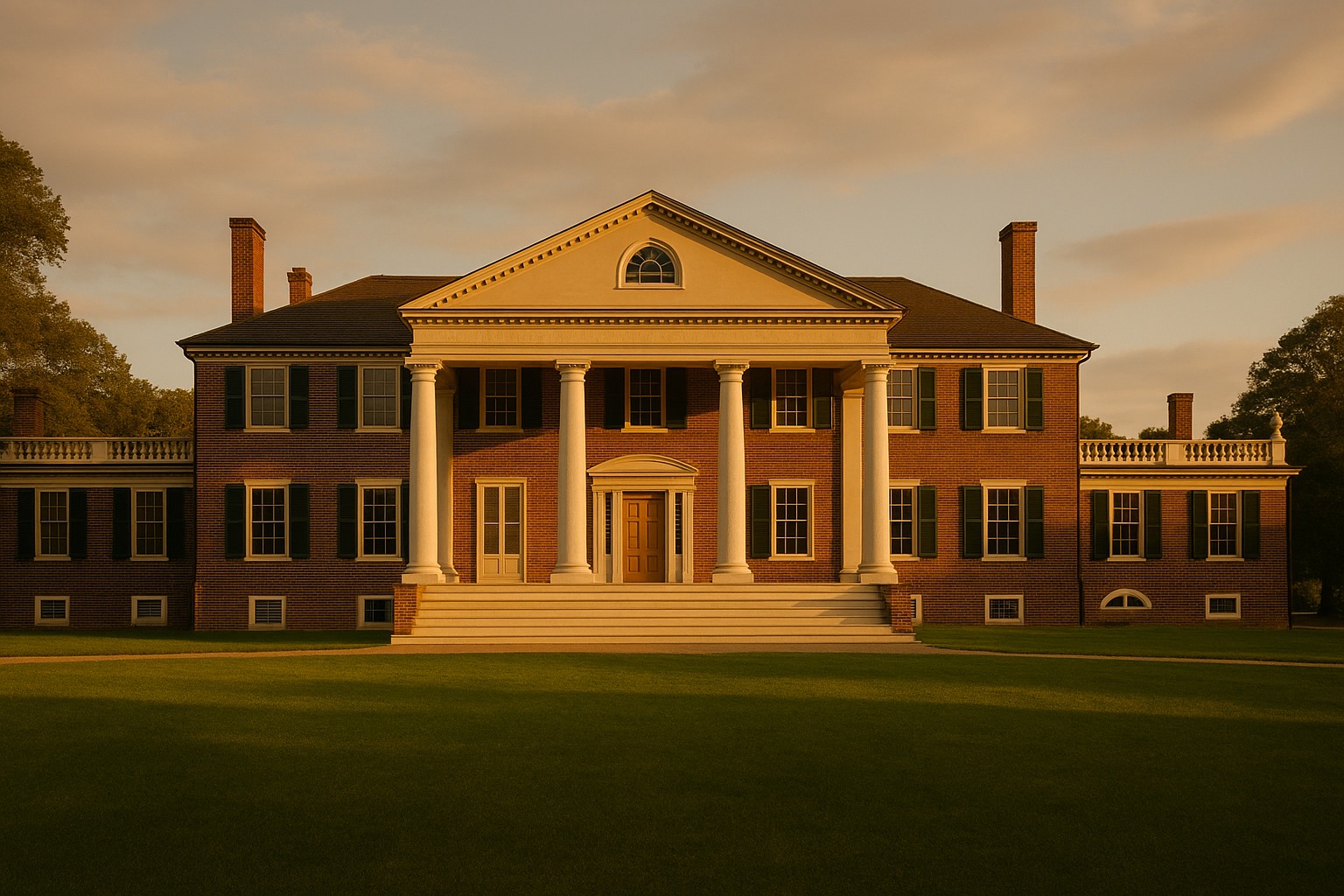
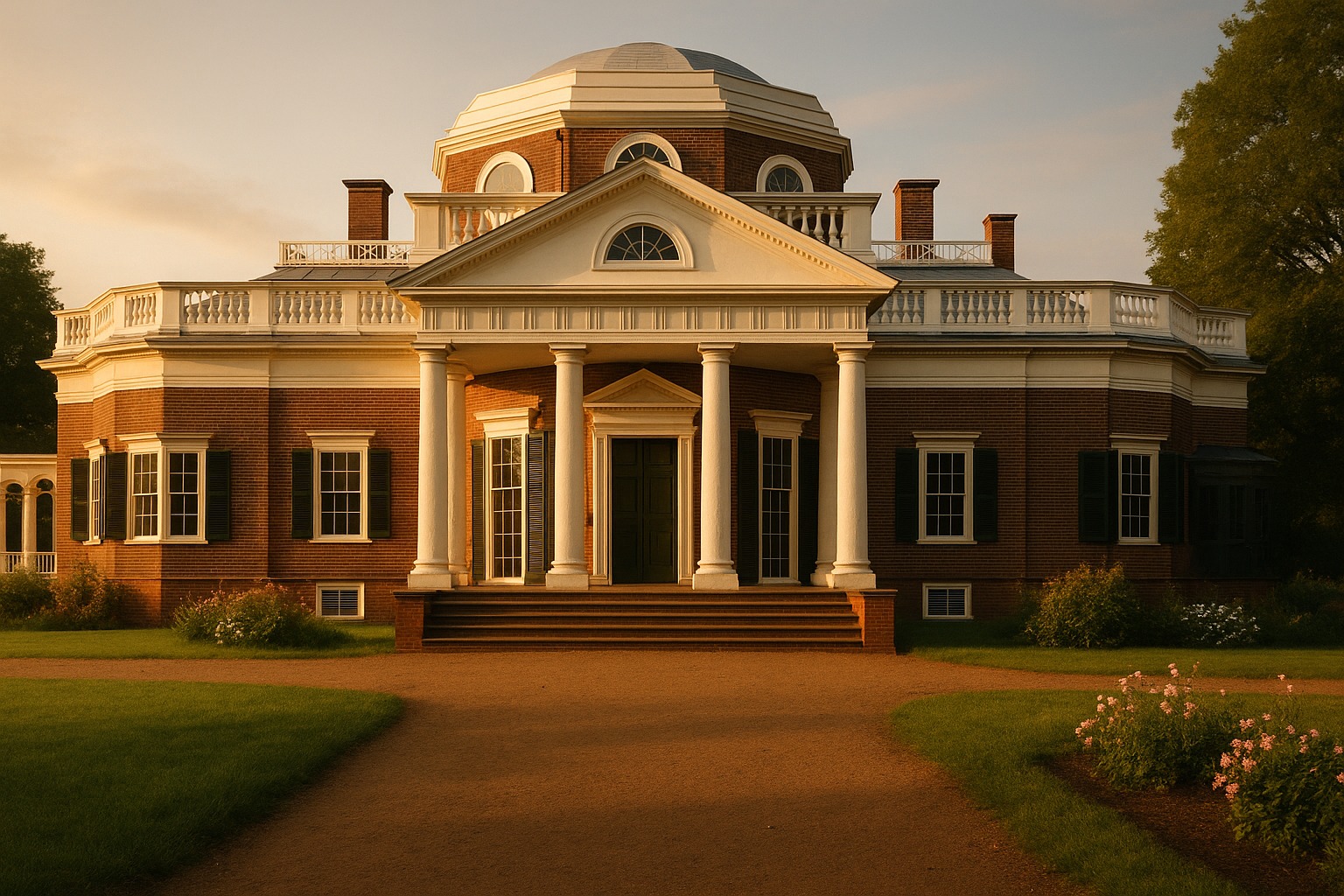
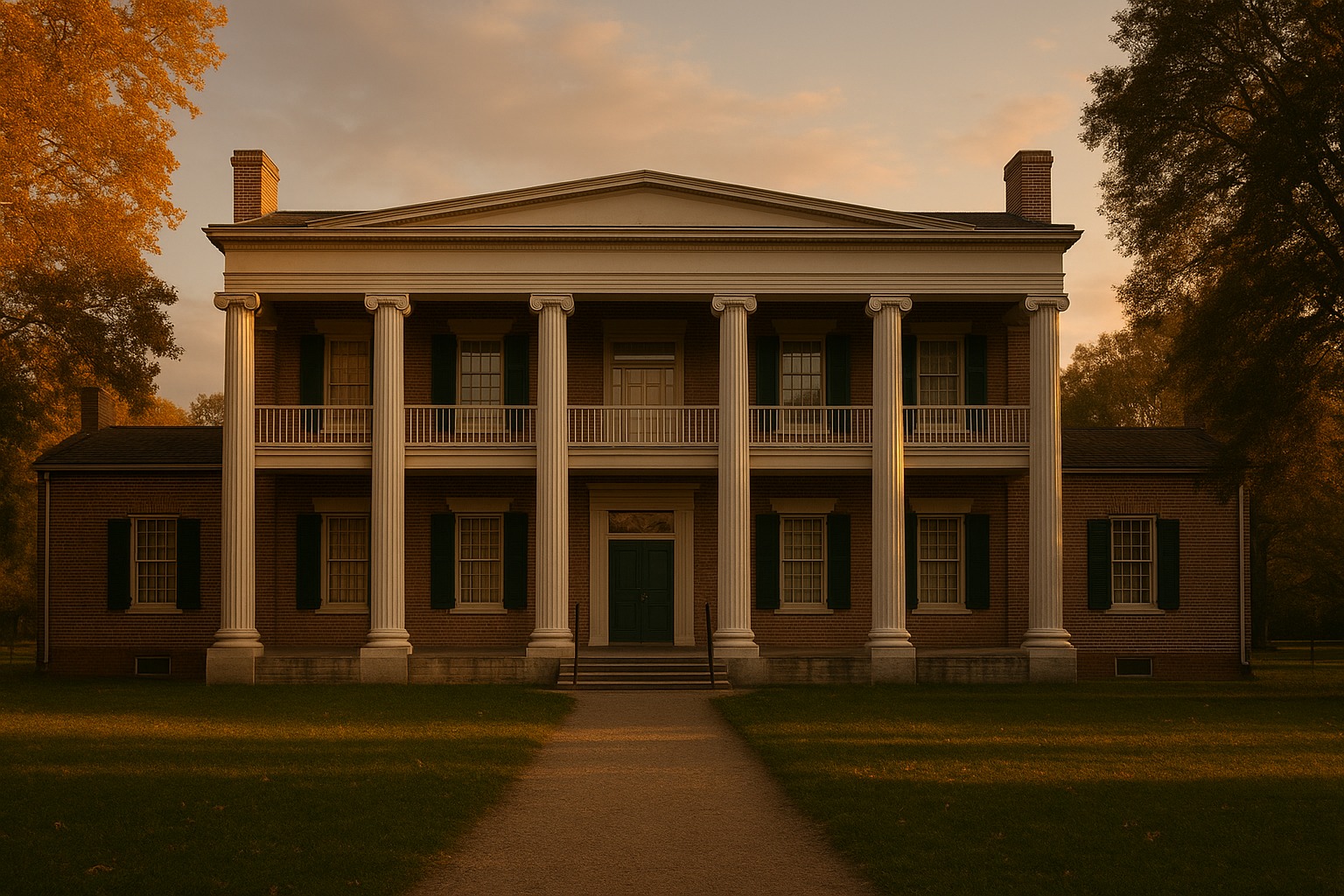
What the route cannot avoid, and should not try to, is that most of these houses were working plantations before they were landmarks. Mount Vernon held more than 300 enslaved people at George Washington's death; Monticello was run by roughly 130 enslaved workers at any given time over Thomas Jefferson's life, Sally Hemings among them; Montpelier, the Hermitage, and Ash Lawn-Highland depended on enslaved labor in the same way. The historic sites themselves have largely stopped treating that as background detail — Mount Vernon's research into its enslaved community and Monticello's Mulberry Row tours now sit alongside the architecture as part of what a visitor is there to see, and this guide follows their lead rather than the older tour-brochure version of these houses.
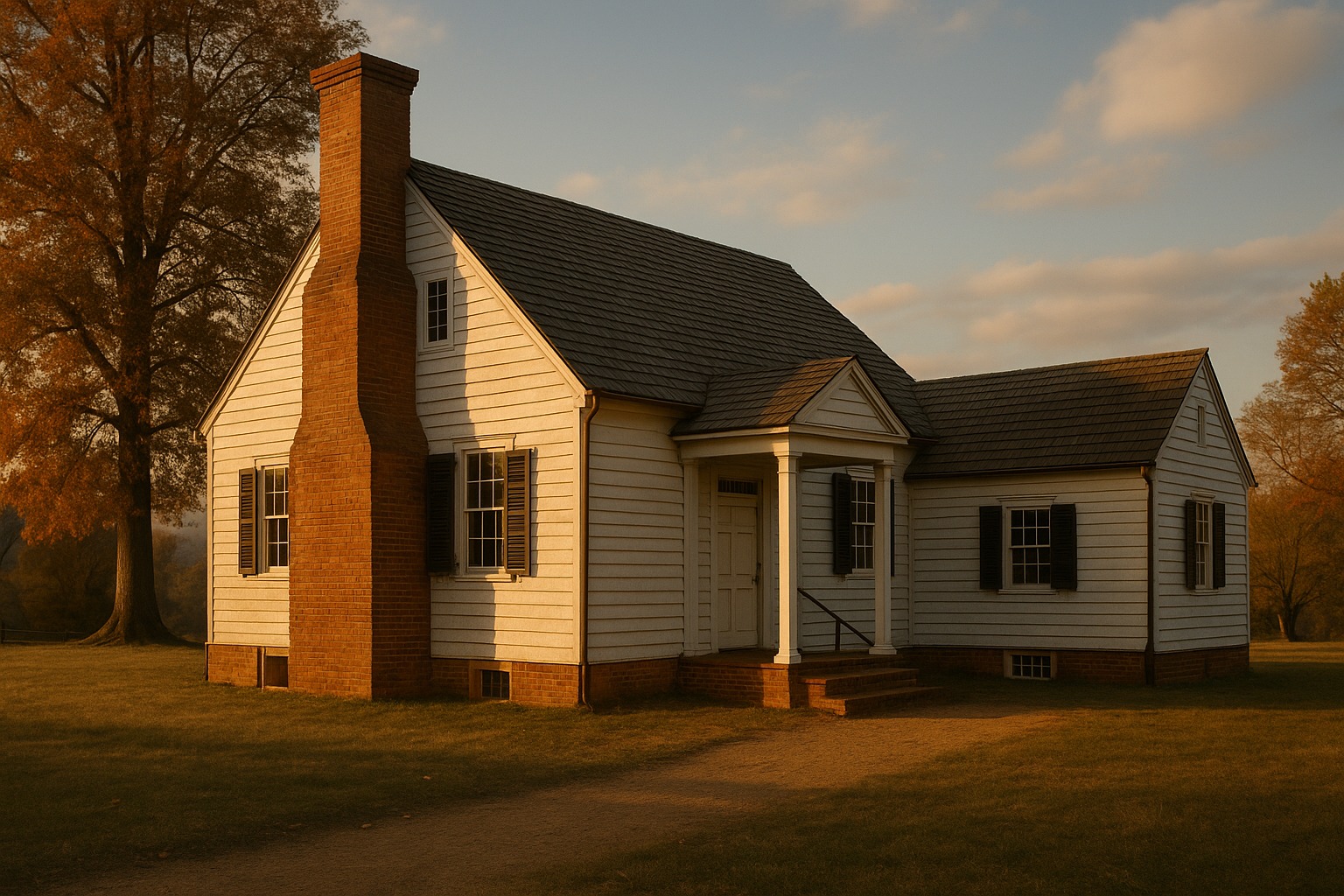
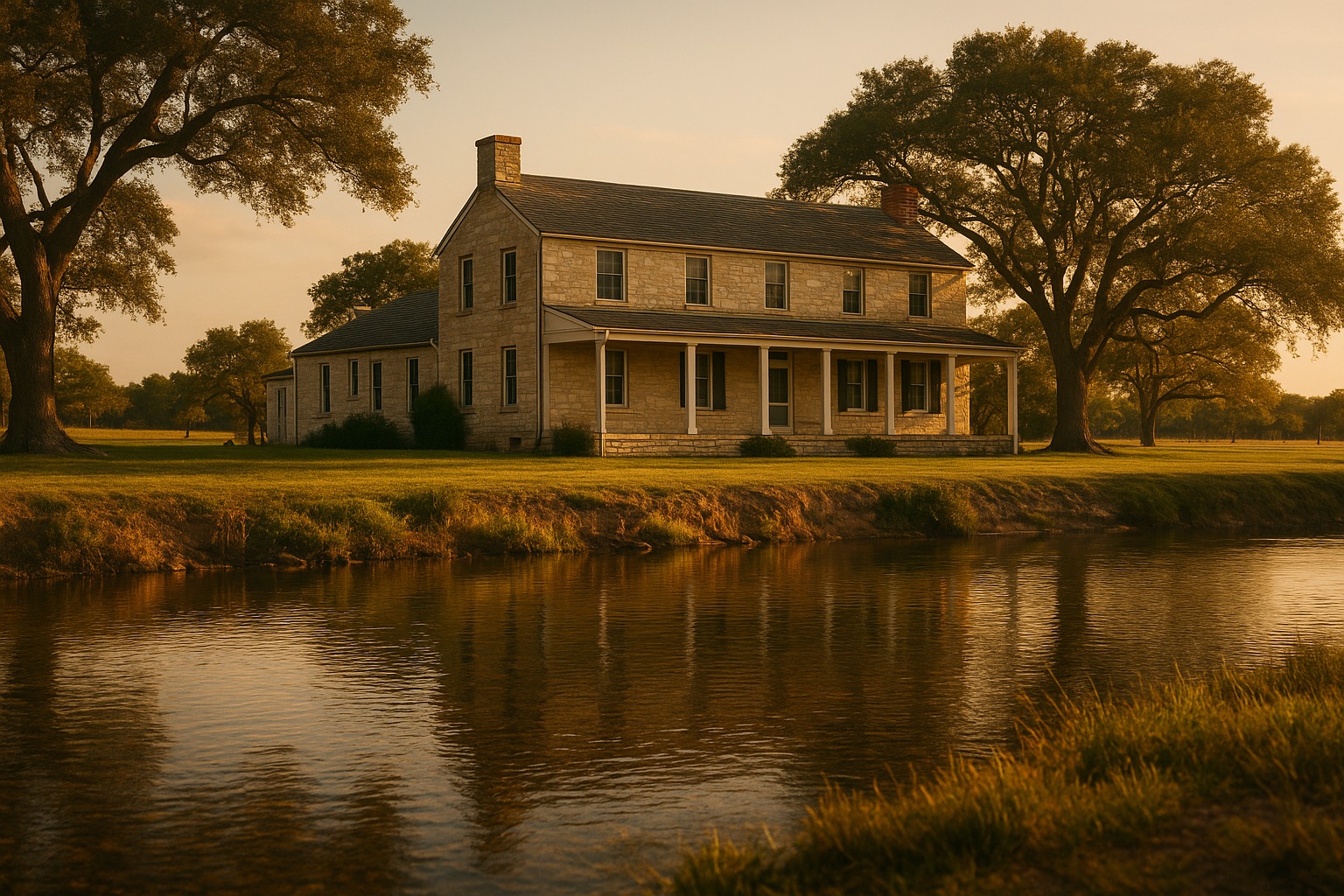
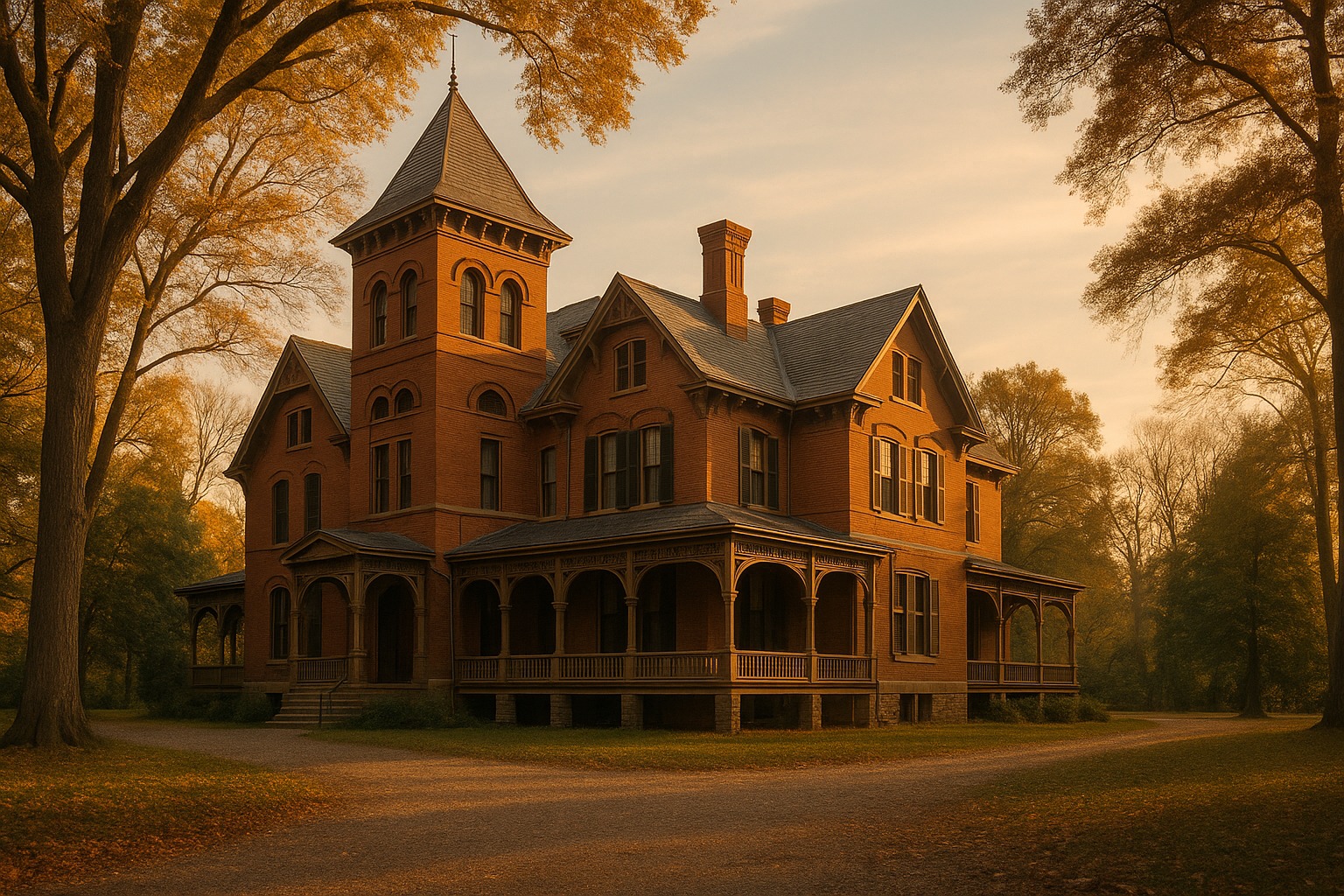
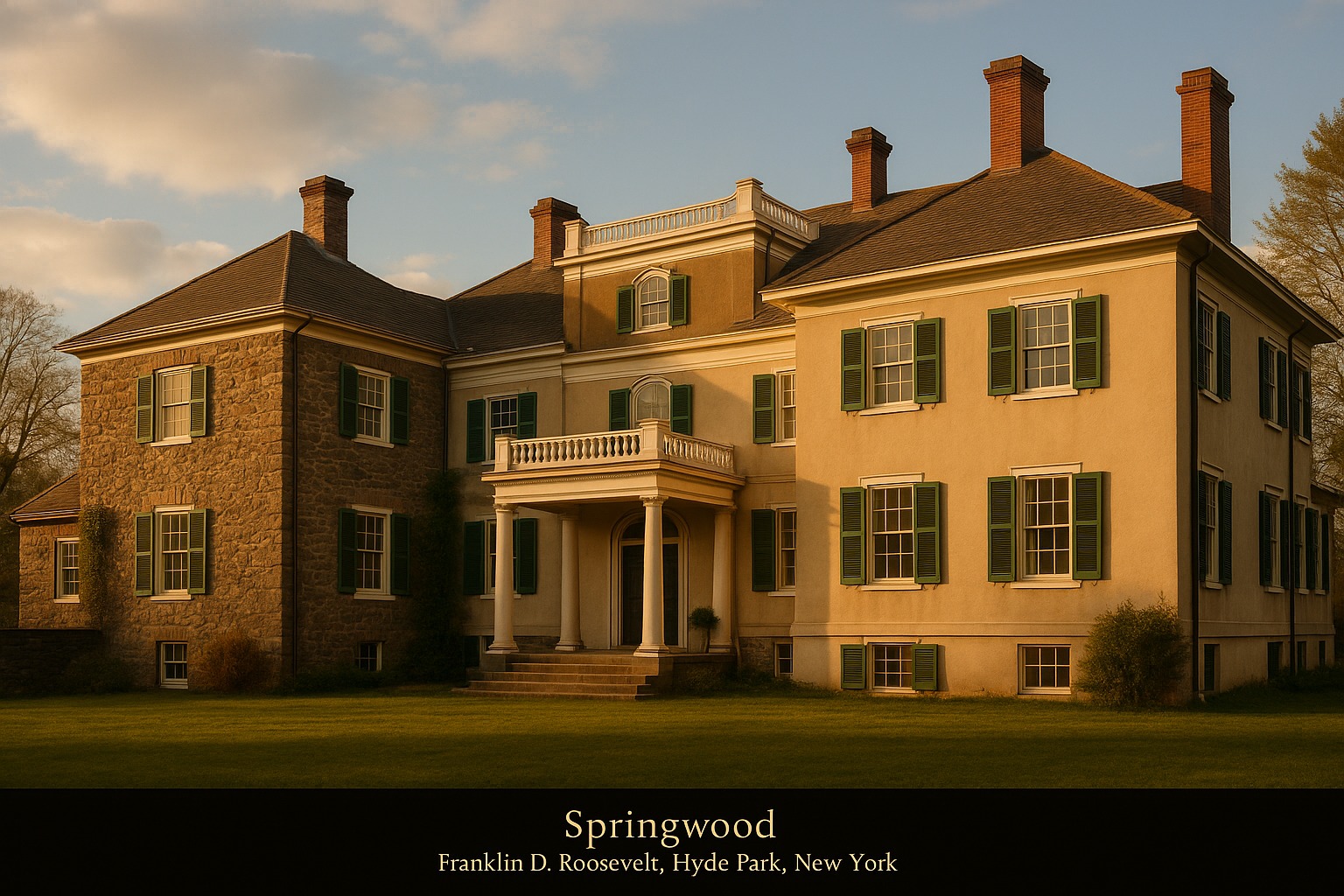
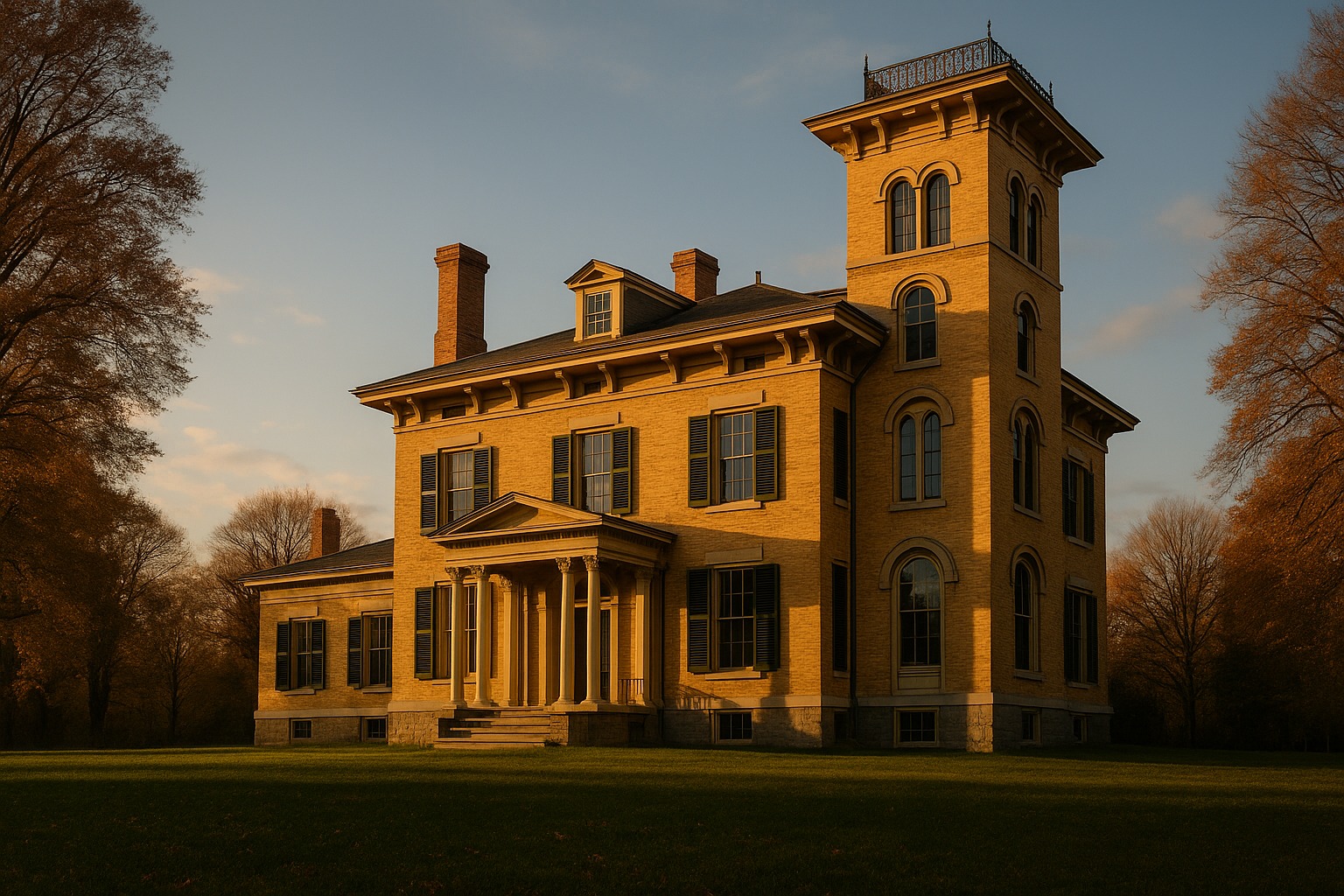
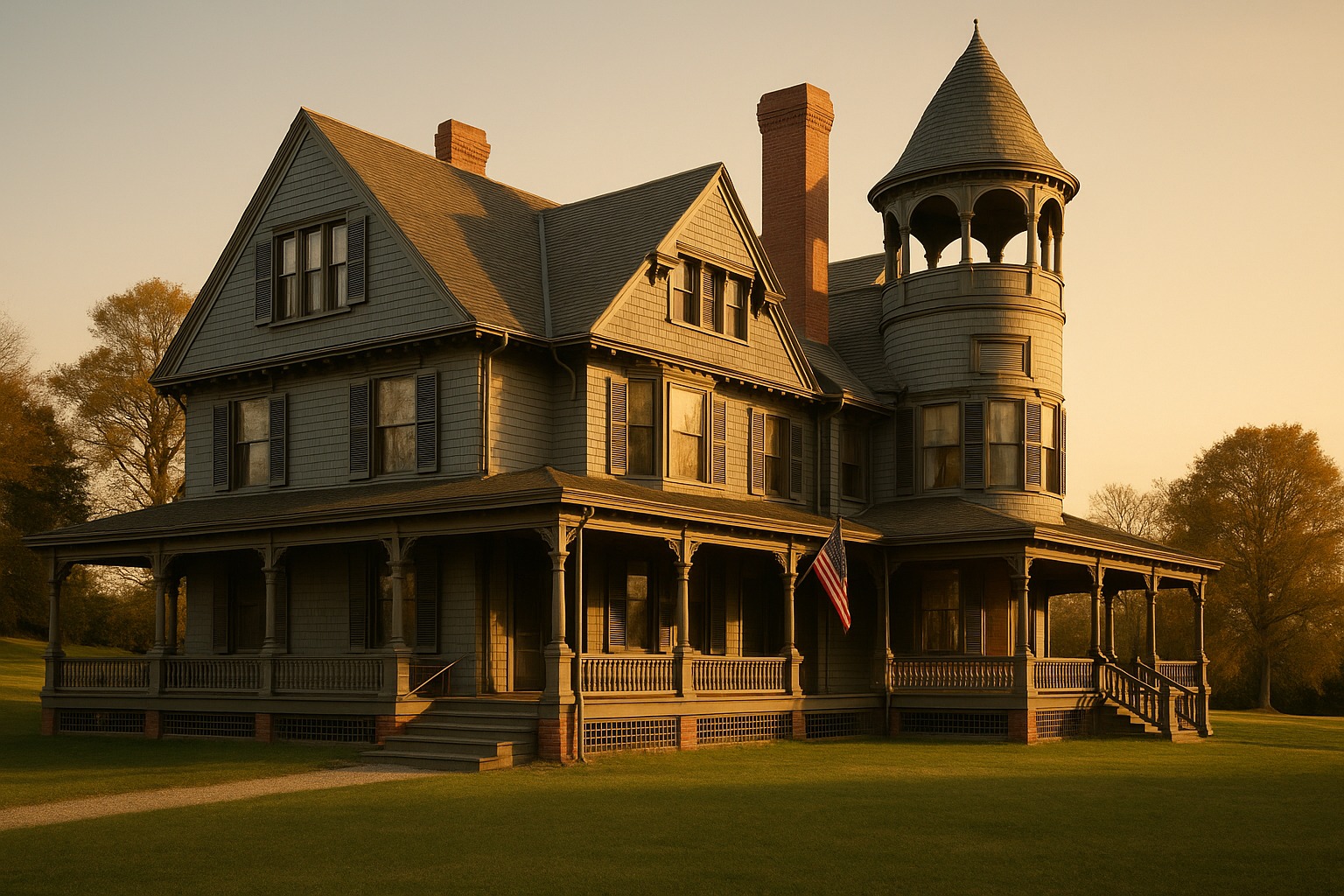
The later stops tell a different story. Sagamore Hill, Springwood, the LBJ Ranch, Lindenwald, and Spiegel Grove were not plantations but personal retreats and, in two cases, the literal origin of the presidential library system — a shift from agrarian estate to media-era getaway that tracks the presidency's own change over a century and a half. A few sites carry their own smaller contested history, too: Ash Lawn-Highland's long-standing main house turned out, under 21st-century archaeology, to likely be something else entirely. The annotations below flag what to expect at each stop, including the parts that don't fit neatly into a brochure.
For the women who ran several of these same houses, see First Ladies of the United States. For the men who built the nation whose homes this trip visits, see The Founding Fathers: Who They Were and What They Did.