Ash Lawn-Highland
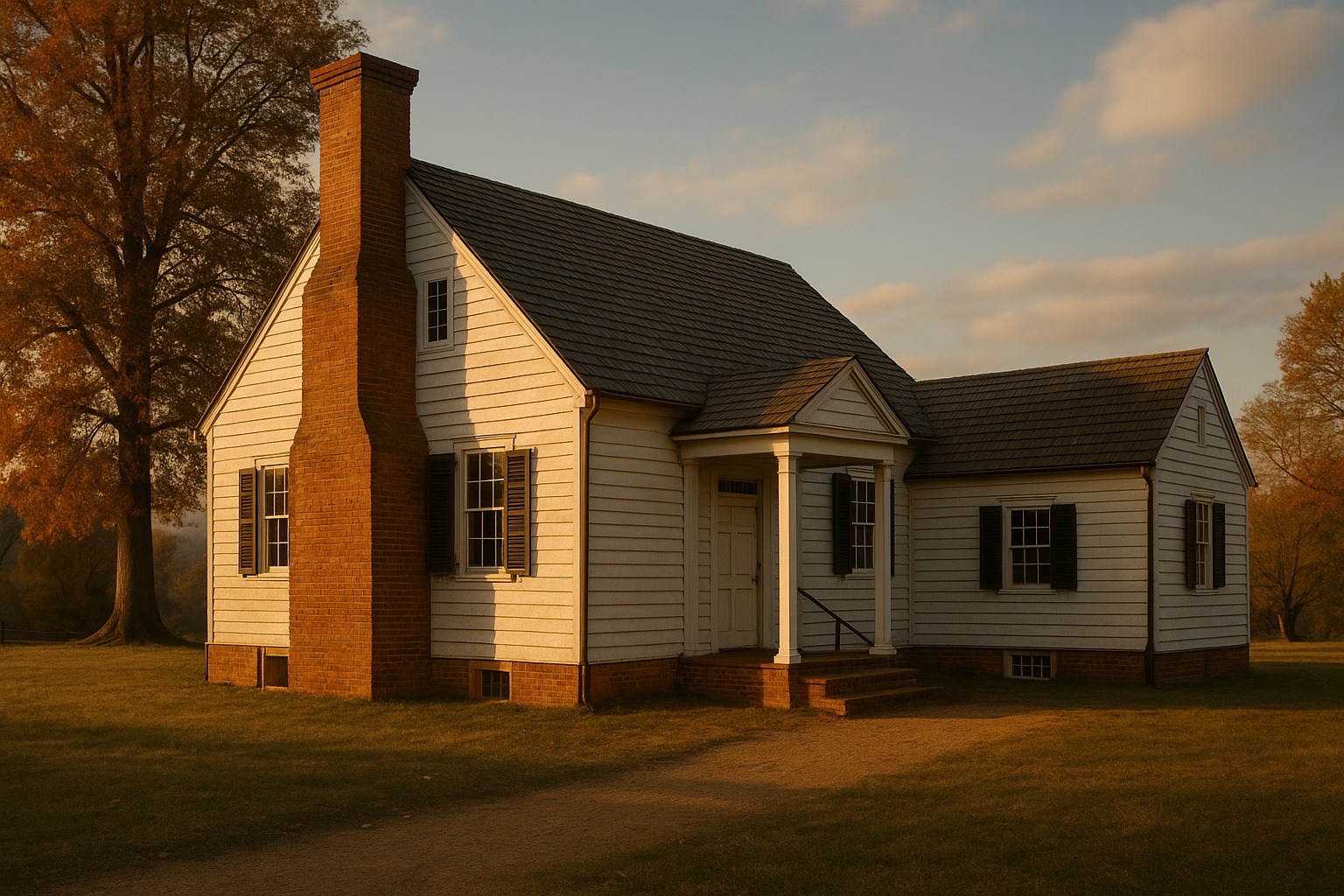
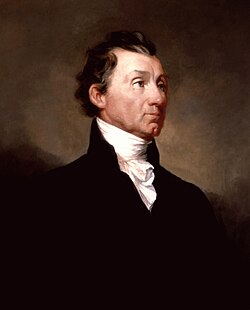
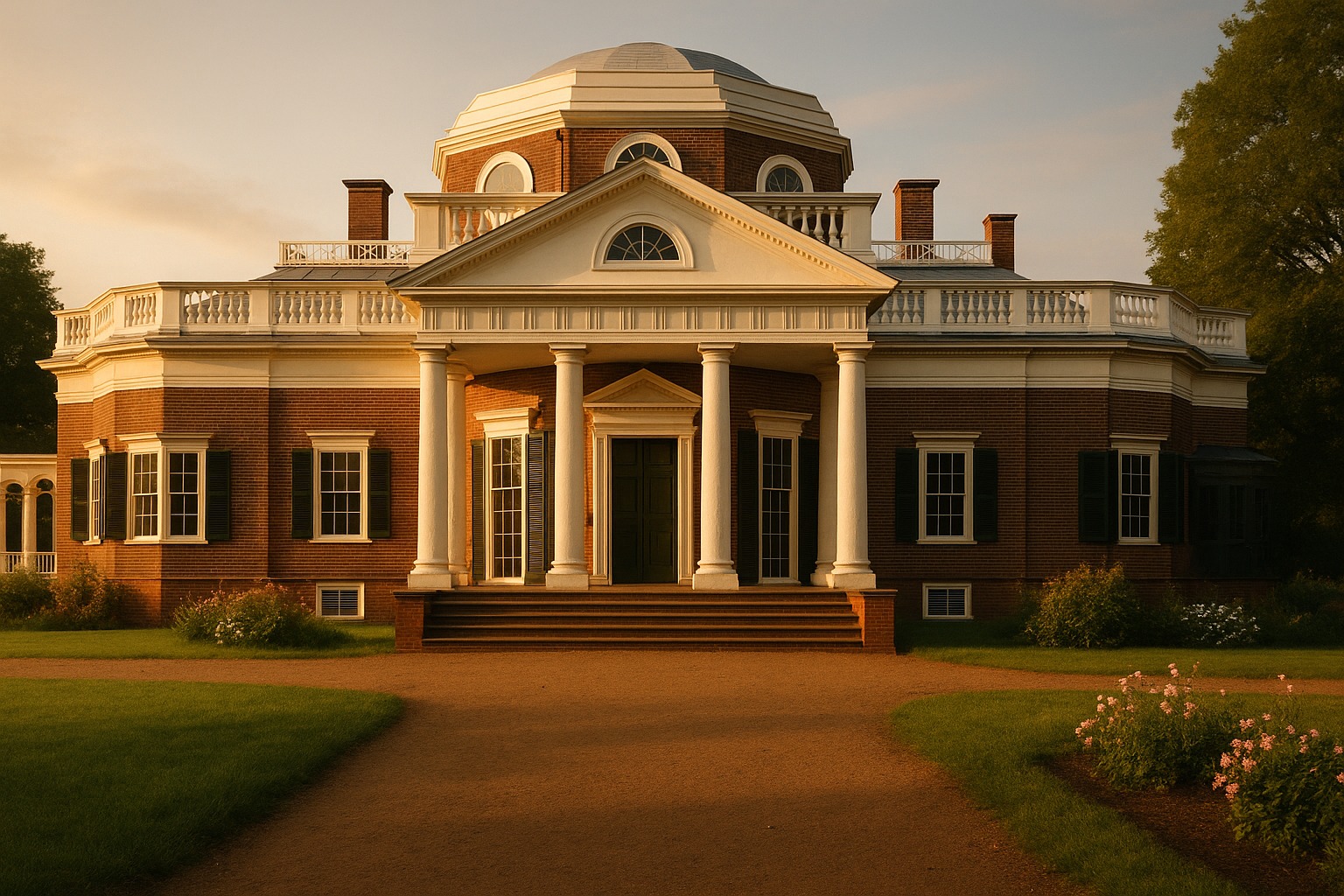
Thomas Jefferson spent years urging his protege James Monroe to settle near Monticello, and Monroe finally bought land two and a half miles away beginning in 1793. He built a comparatively modest frame house around 1799 — plainer and smaller than either Jefferson's or Madison's nearby estates — and named the property Highland. The arrangement gave Jefferson the close circle of like-minded Virginia neighbors he had long wanted, and the two men visited each other on horseback or on foot across the intervening ridge for decades.
Monroe actually lived at Highland only in scattered stretches over more than 30 years of ownership. Diplomatic postings to France, Britain, and Spain, a term as Virginia's governor, service as secretary of state, and then eight years as president kept him away for years at a time, and the estate operated mainly as an income-generating plantation, worked under overseers by as many as 30 to 40 enslaved people while Monroe himself was elsewhere. The arrangement never generated enough income to cover his expenses; chronic debt, worsened by decades of underpaid public service, forced Monroe to sell Highland in 1826, the year before he left office for a different Virginia estate, Oak Hill.
A 20th-century owner renamed the property Ash Lawn, mistakenly believing a grove of ash trees on the grounds justified the name, and the College of William & Mary acquired the site in 1974, operating it under the combined name Ash Lawn-Highland. Archaeological investigations conducted between the 2000s and 2010s overturned decades of assumptions about the property: researchers concluded that the surviving house was likely an overseer's residence or service wing rather than Monroe's actual main house, which appears to have burned at some point — a rare case of a presidential home needing to be re-identified more than a century and a half after the fact.
| Land purchased | Beginning 1793 |
| House built | Around 1799 |
| Enslaved people at peak | 30 to 40 |
| Sold by Monroe | 1826 |
| Acquired by College of William & Mary | 1974 |
| Later research revised | Identification of the surviving house |
| Date | Land purchased beginning 1793 |
| Location | Charlottesville, Virginia |