Sagamore Hill
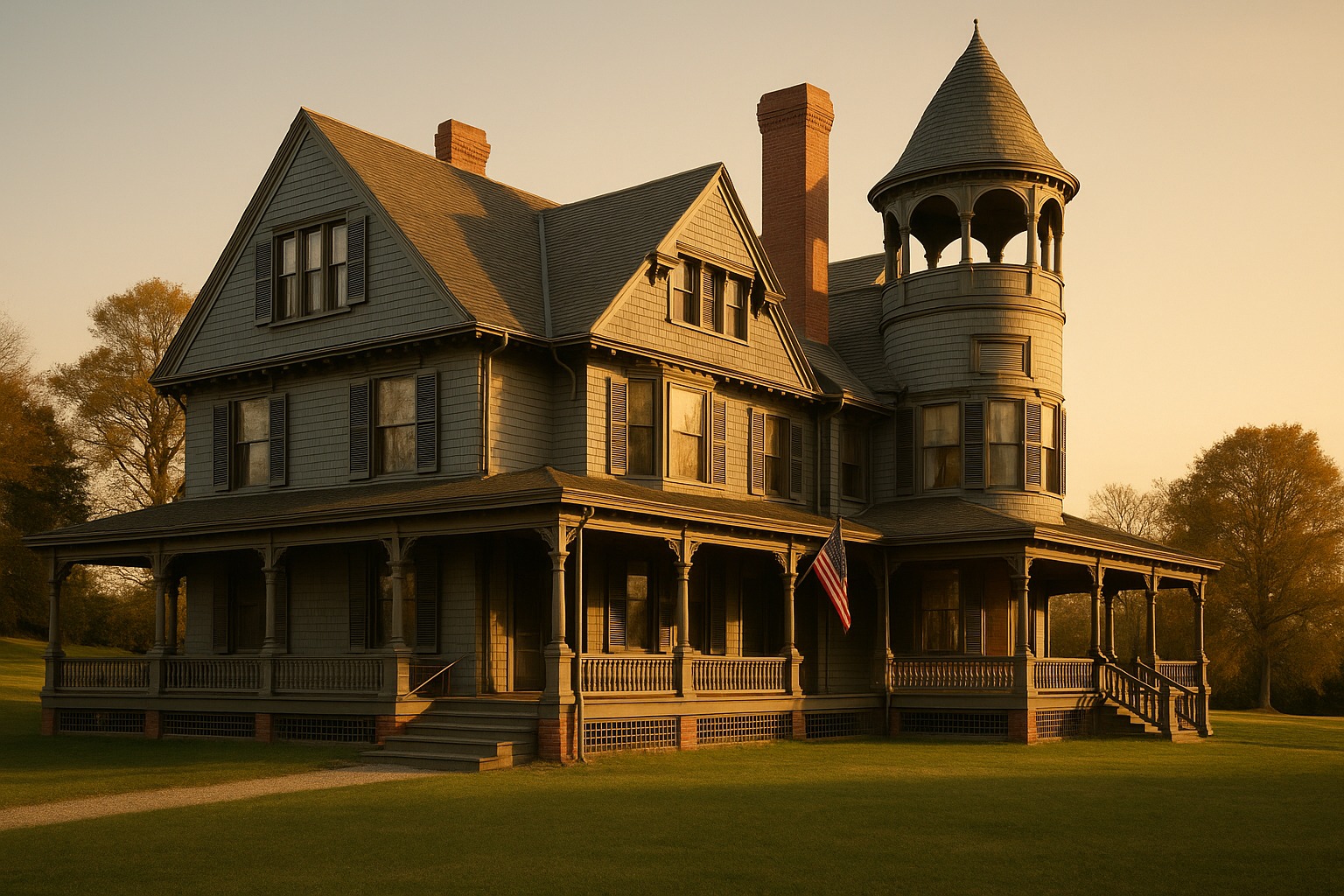
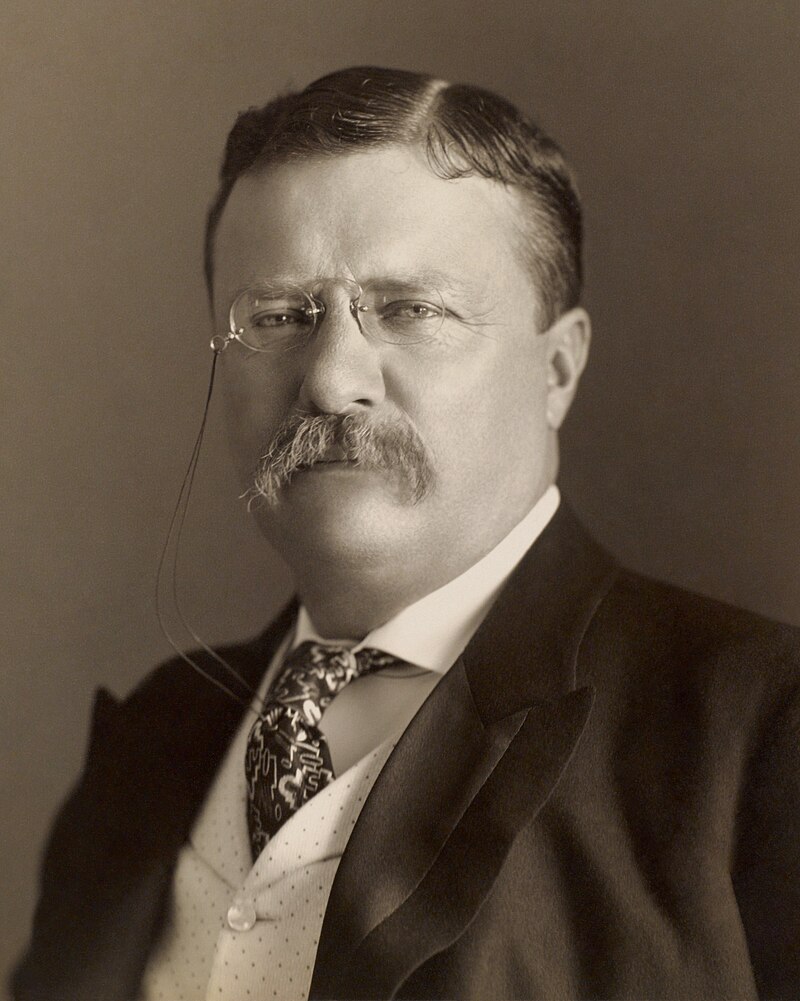
Theodore Roosevelt commissioned the 23-room Queen Anne house at Sagamore Hill in 1884, under circumstances that make the project almost unbearable to read about: he and his first wife, Alice, had planned it together, and then, on Valentine's Day 1884, Alice died of kidney failure following childbirth and Roosevelt's mother died of typhoid fever in the same house on the same day. Roosevelt built the house anyway, moving in the following year with his infant daughter and his new wife, Edith Carow, and made it his primary residence for the rest of his life, through his years as a New York politician, vice president, and president.
Because Roosevelt continued spending summers at Sagamore Hill even while in the White House, reporters began calling it the "Summer White House," a phrase that stuck as the first sustained press nickname for a presidential retreat. He conducted real diplomatic business from the estate, including portions of the 1905 negotiations that ended the Russo-Japanese War and won Roosevelt the Nobel Peace Prize, the first ever awarded to an American. In 1905 he added the North Room, a great hall built specifically to display trophies from his hunting expeditions and receive the foreign dignitaries and political visitors who increasingly came to Oyster Bay rather than Washington.
Roosevelt died at Sagamore Hill in his sleep in January 1919, at 60, and his wife, Edith, continued living in the house until her own death in 1948. The National Park Service took over the property in the early 1960s and has preserved it largely as the family left it, trophy heads, animal-skin rugs, and all — a house that still looks, inside, the way it did when its most famous occupant sat in the North Room receiving ambassadors.
| Built | 1884-1885 |
| Roosevelt moved in | 1885 |
| Nickname | The "Summer White House" |
| North Room added | 1905 |
| Roosevelt died there | January 1919 |
| National Park Service site since | Early 1960s |
| Date | Built 1884-1885 |
| Location | Oyster Bay, New York |