First Ladies of the United States
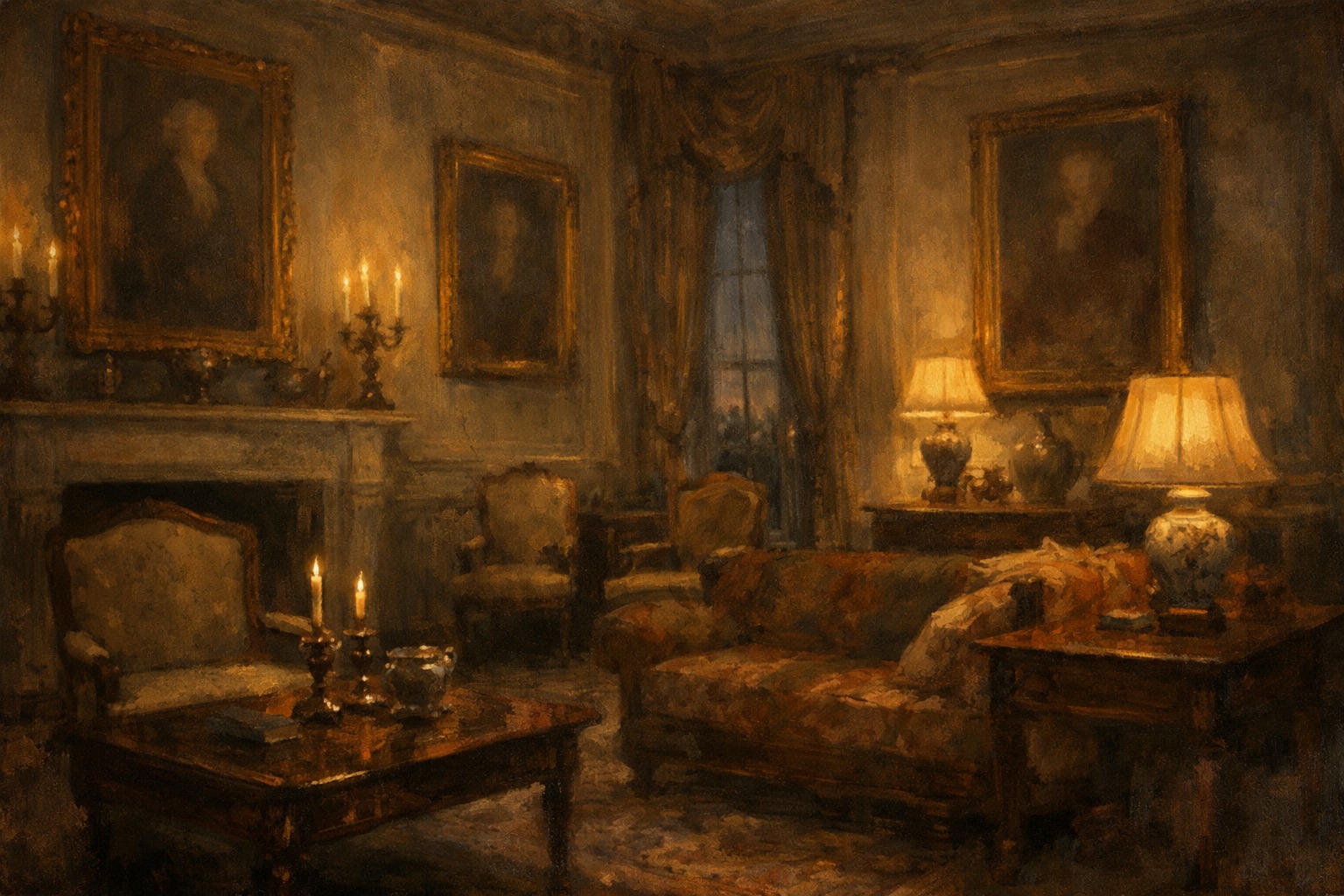
The United States Constitution never mentions a First Lady. There is no salary, no formal job description, no line of succession — only the fact of marriage to the president, and whatever a woman decides to build from it. That gap turned out to be the position's defining feature. Martha Washington had no model to follow when she arrived in New York in 1789, so she built one: weekly receptions, a tone of republican simplicity instead of monarchy, the first working draft of what Americans would expect a president's household to look like. Nearly every First Lady after her has inherited that same blank space and filled it differently.
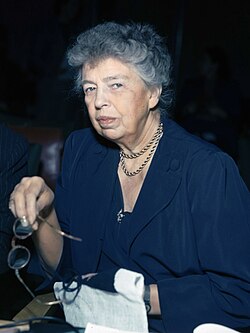
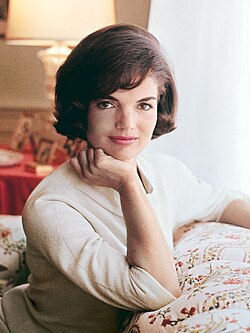
The 15 women gathered here did not simply occupy the role; they argued over what it was for. Dolley Madison converted a dinner table into real political leverage. Edith Roosevelt hired the first White House social secretary and oversaw the 1902 construction that split the president's office from his family's home, turning an improvised household into an actual institution. Eleanor Roosevelt went further still, writing a syndicated newspaper column and holding her own press conferences, building something closer to an independent public office than a supporting one. By the television era, the job had changed again: Jackie Kennedy restored the White House as a museum piece for the cameras, and Nancy Reagan managed her husband's schedule and public image with a control that outside observers alternately admired and distrusted.
Not every chapter here is comfortable. Edith Wilson decided, for more than a year after her husband's stroke in October 1919, who and what reached a president who could no longer govern on his own — an arrangement she defended as mere stewardship and one historians have never fully accepted at face value. The annotations below note that kind of friction rather than smoothing it over, because the real throughline of this list is not a parade of helpmates but a running argument, conducted by 15 very different women, about how much power an unelected, unpaid position can actually hold.
For the men these women stood beside, in order, see U.S. Presidents in Order. For the houses many of them actually lived in and ran, see Presidential Homes and Libraries: A Road Trip.