Monticello
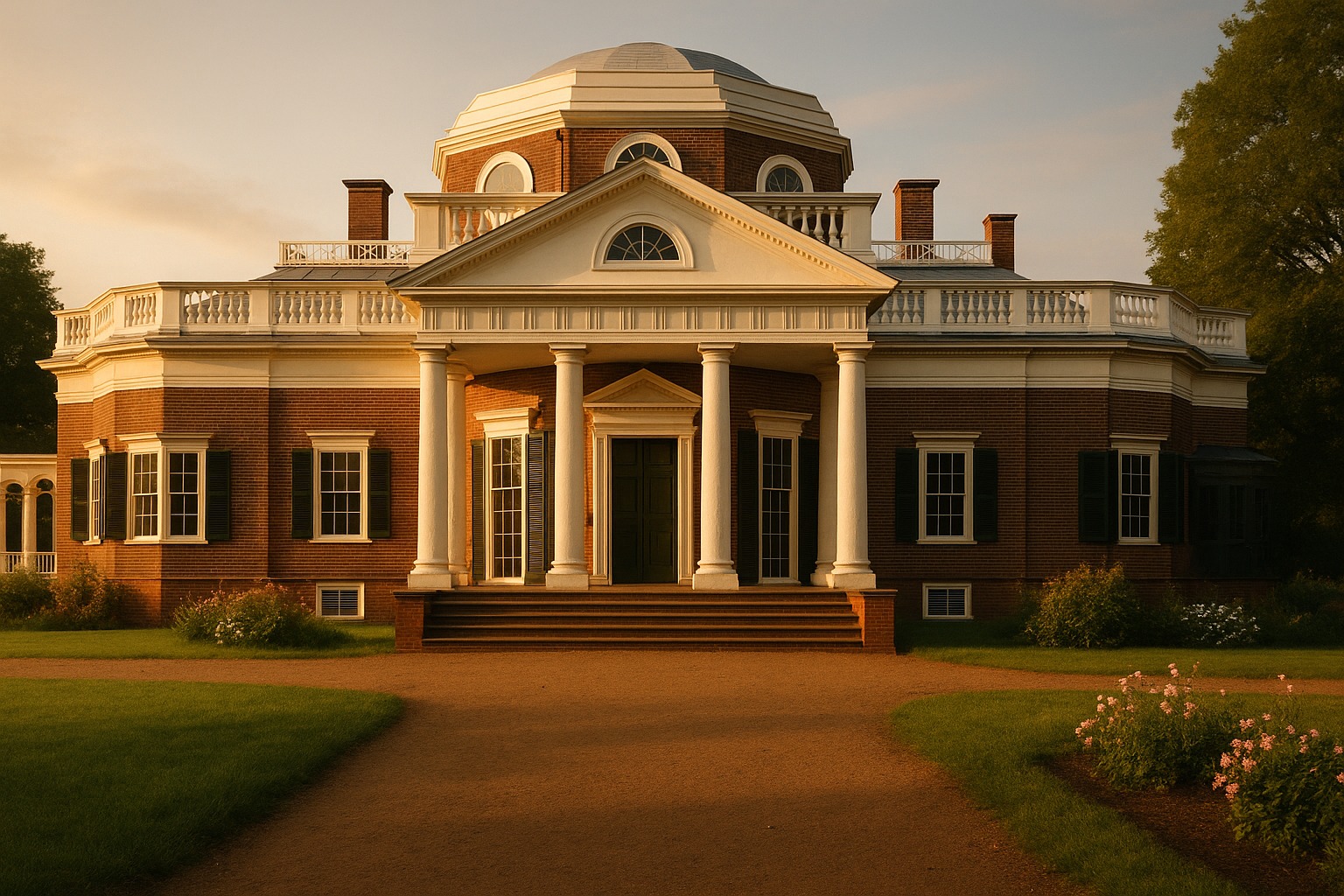
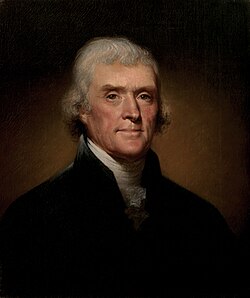
Thomas Jefferson began building atop the 850-foot hill he called Monticello — Italian for "little mountain" — in 1768, at 25, on land inherited from his father. He designed the house himself, with no formal architectural training, drawing on Palladian principles and classical Roman forms he had studied in books and later seen firsthand as minister to France. After five years in Paris, Jefferson returned in 1789 and tore down much of what he had already built, doubling the house's size and adding the signature dome — the first on an American house — along with inventions of his own devising: a dumbwaiter hidden in a dining room fireplace, triple-sash windows, and a weather vane readable from inside the house. He kept altering Monticello for nearly four decades, never quite finishing it.
Jefferson enslaved more than 600 people over his lifetime, with roughly 130 living and working at Monticello at any given time, housed along a roadway known as Mulberry Row that the Thomas Jefferson Foundation has researched and partially reconstructed for visitors. Among them was Sally Hemings, enslaved at Monticello from childhood and the half-sister of Jefferson's late wife, Martha; DNA testing and documentary evidence have established that Jefferson fathered some or all of Hemings's six children, a relationship historians now generally accept as fact rather than rumor. Hemings herself was never freed by Jefferson, though two of her sons eventually left Monticello as free men.
Jefferson died on July 4, 1826 — 50 years to the day after the Declaration of Independence was adopted, and the same day as John Adams, 700 miles away in Massachusetts. He died deeply in debt, the cost of decades of building and entertaining having outpaced the plantation's income, and his heirs were forced to auction off Monticello's land, furnishings, and the enslaved people who lived there to settle his estate. The Thomas Jefferson Foundation purchased the deteriorated house in 1923 and has operated it as a museum since; UNESCO designated Monticello a World Heritage Site in 1987, and its image has appeared on the American nickel since 1938.
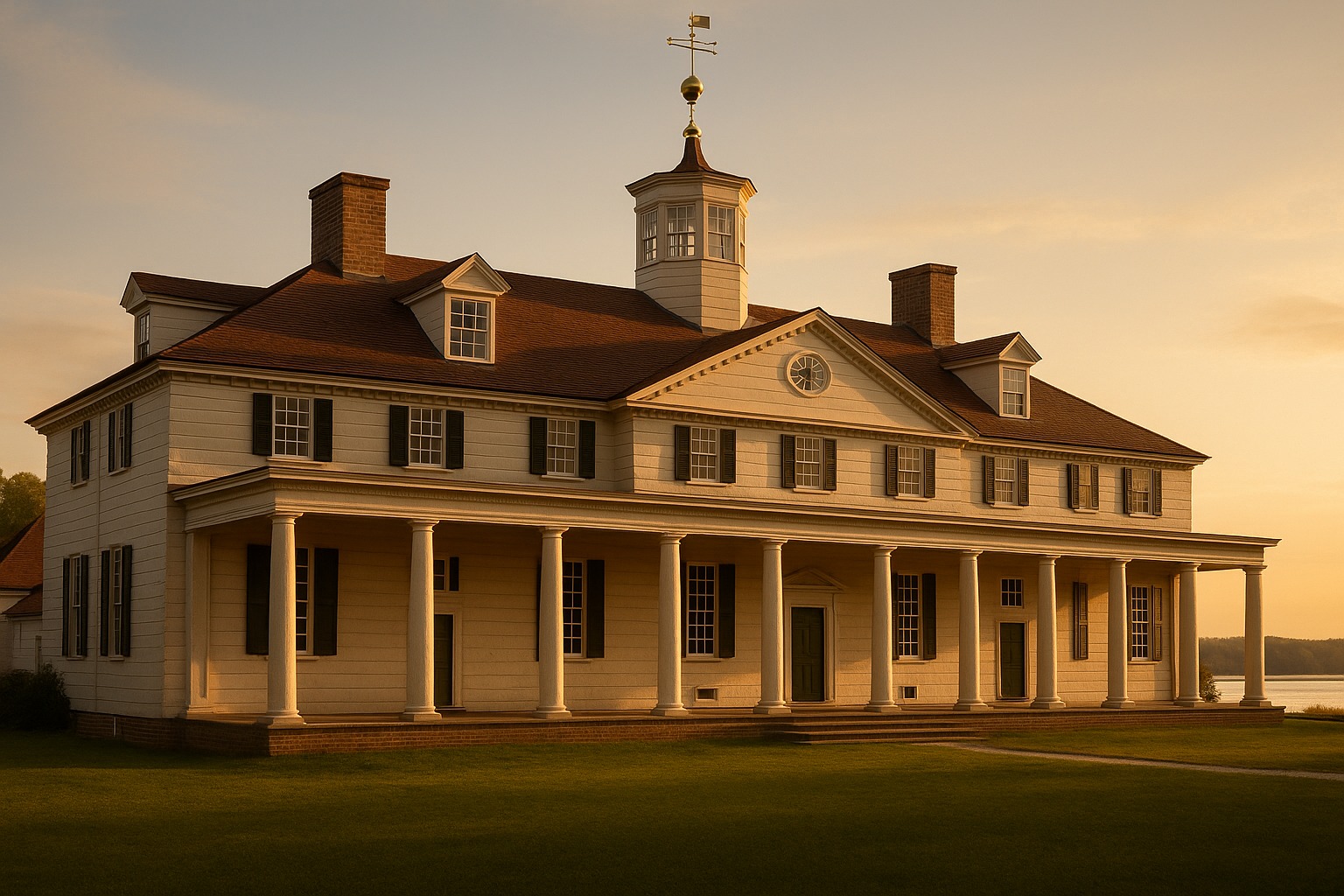
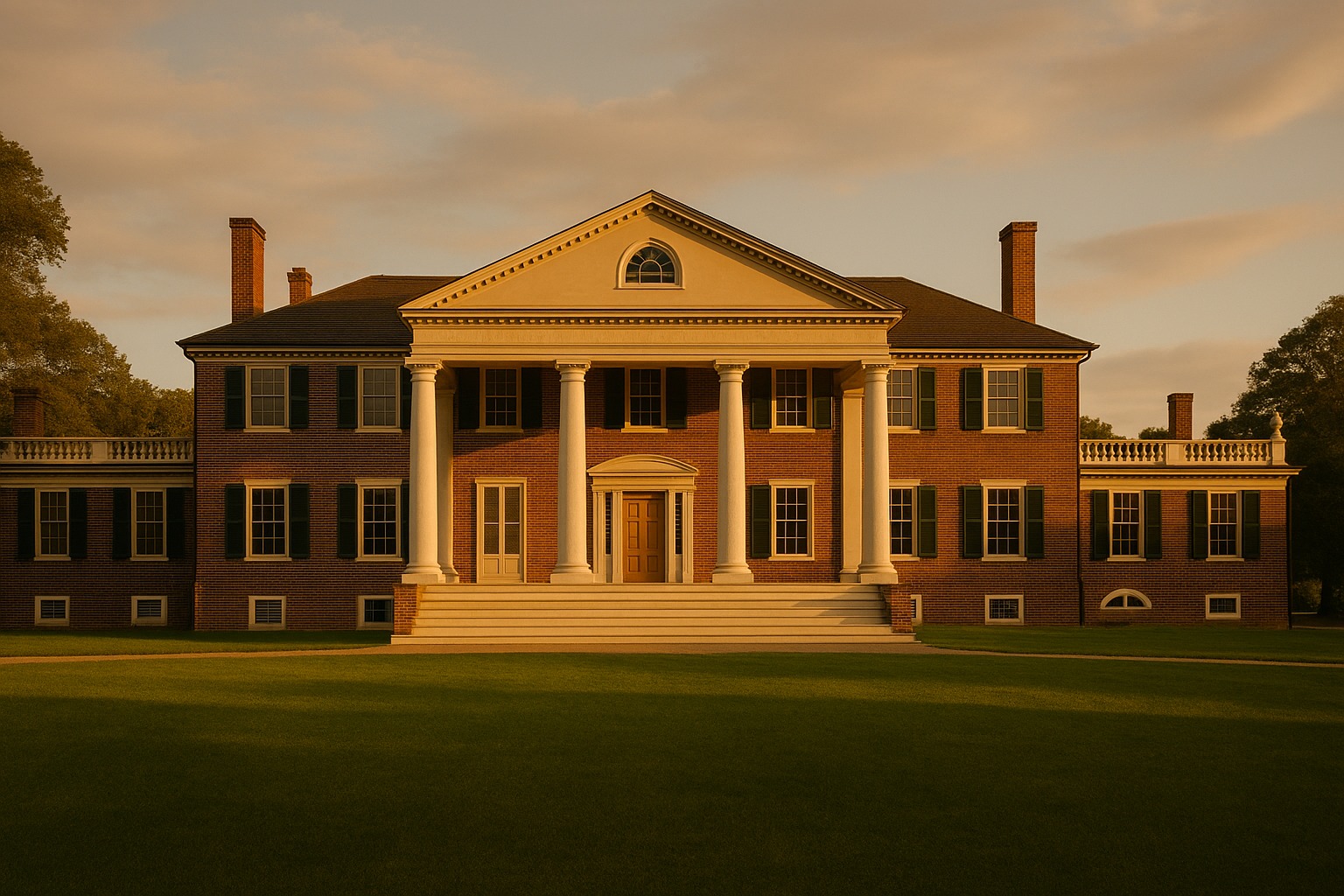
| Construction began | 1768 |
| Rebuilt after Jefferson's return from France | 1789 onward |
| Enslaved people at Monticello (typical) | Around 130 |
| Jefferson died | July 4, 1826 (in debt) |
| Purchased by Thomas Jefferson Foundation | 1923 |
| UNESCO World Heritage Site | 1987 |
| Date | Construction began 1768 |
| Location | Charlottesville, Virginia |