Montpelier
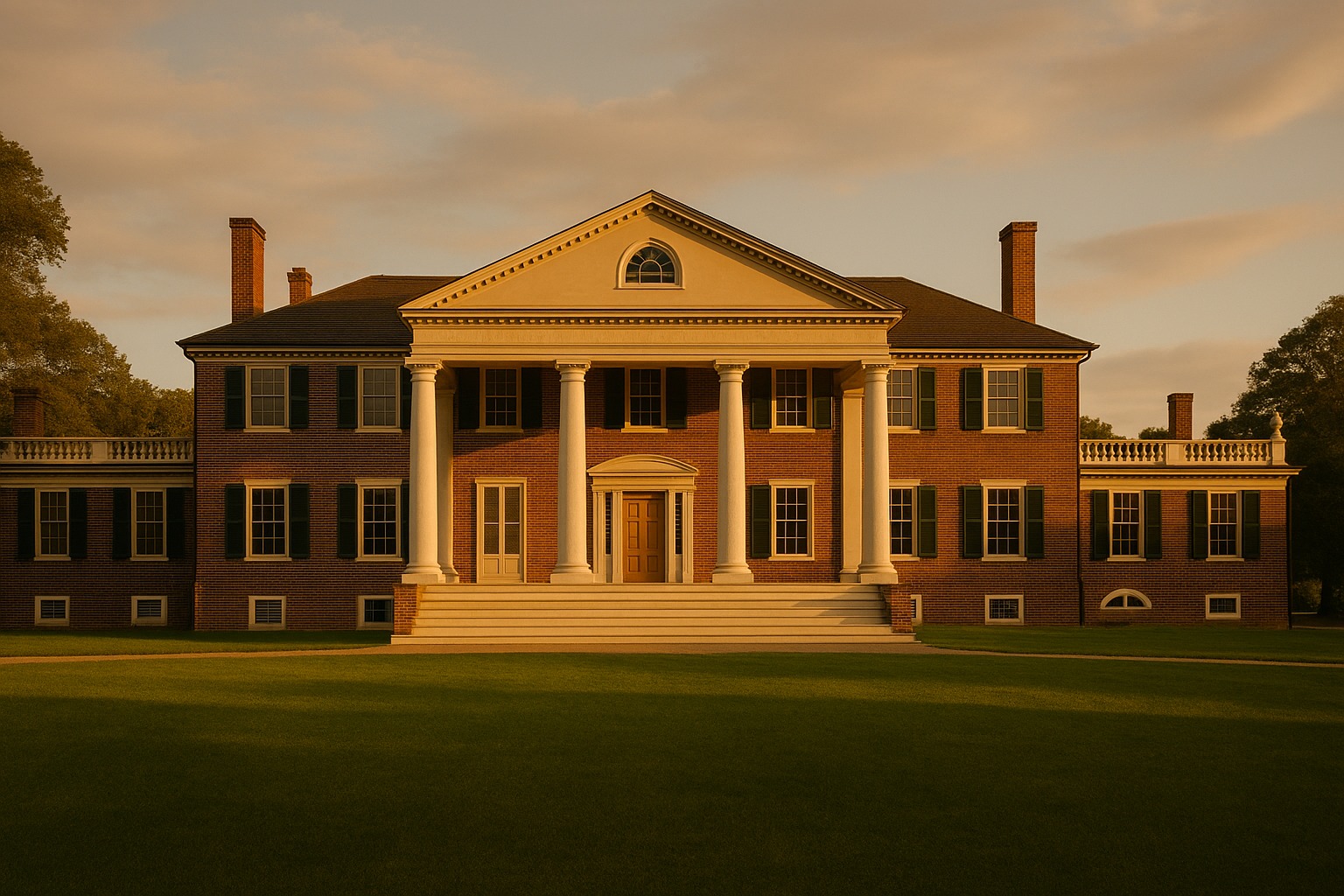
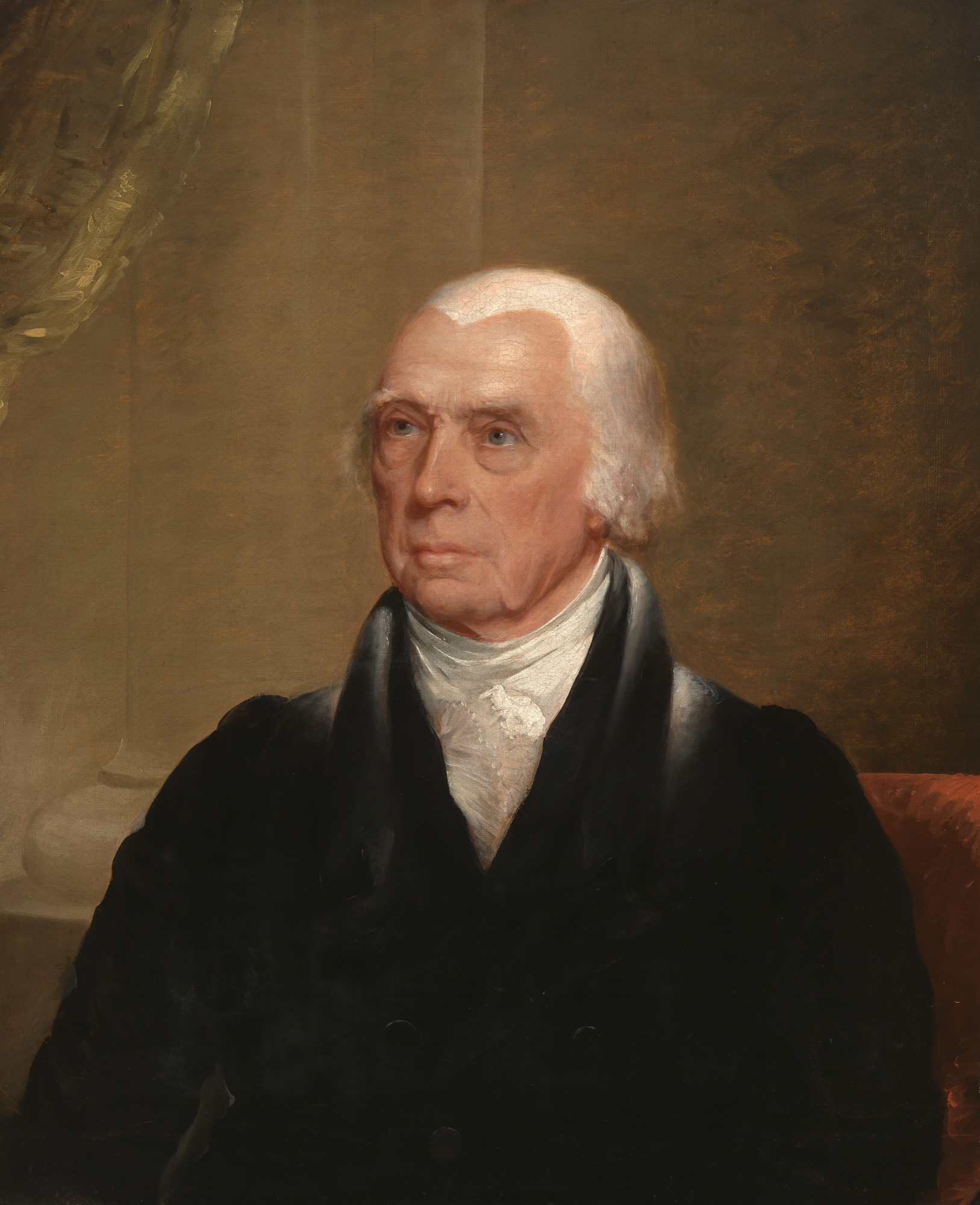
James Madison's father built the original house at Montpelier in the 1760s, and Madison himself expanded it twice — first in 1797, adding a 30-foot wing so he and his new wife, Dolley, could have a household separate from his parents under the same roof, then again between 1809 and 1812, while serving as president, doubling the house again with matching wings and a columned portico that gave it the look of a Southern mansion rather than a working Piedmont farmhouse. Montpelier was also where Madison did much of the reading that produced the Constitution: in the summer before the 1787 convention, he worked through crates of books on failed confederacies that Thomas Jefferson had shipped him from Paris, distilling them into the memorandum that became the basis for the Virginia Plan.
More than 100 enslaved people worked Montpelier's fields and household at the plantation's peak, and Madison, despite writing and speaking about slavery's injustice in more candid terms than most of his slaveholding peers, freed none of them in his lifetime or in his will. His will did direct that none be sold without their consent, a promise his widow, Dolley Madison, broke almost immediately after his death in 1836 — selling dozens of enslaved people, including to traders who separated families, to pay off debts Madison had accumulated running an unprofitable tobacco and grain operation for decades.
Dolley Madison sold Montpelier outright in 1844, and it passed through several owners over the following decades before the duPont family bought it in 1901 and substantially remodeled it, adding a pink stucco exterior and additional wings that roughly doubled its size again. The National Trust for Historic Preservation received the property as a donation in 1983 and spent years on a restoration, completed in 2008, that used paint analysis and archaeological excavation to strip away the duPont-era changes and return the mansion to its appearance during Madison's lifetime.
| Original house built | 1760s |
| Madison's expansions | 1797 and 1809-1812 |
| Enslaved people at peak | More than 100 |
| Madison died | 1836 |
| Donated to National Trust | 1983 |
| Restoration to Madison-era appearance completed | 2008 |
| Date | Original house built 1760s |
| Location | Orange, Virginia |