The Freedom Rides
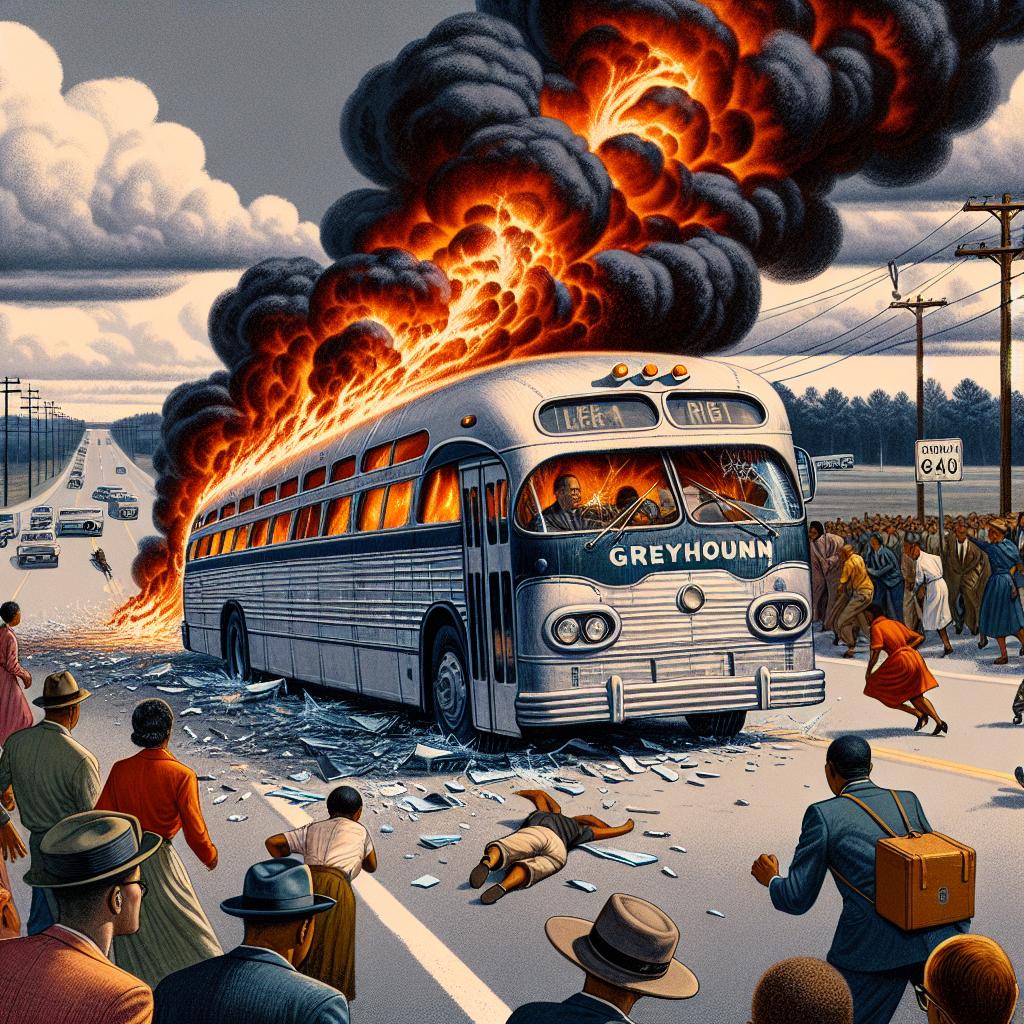
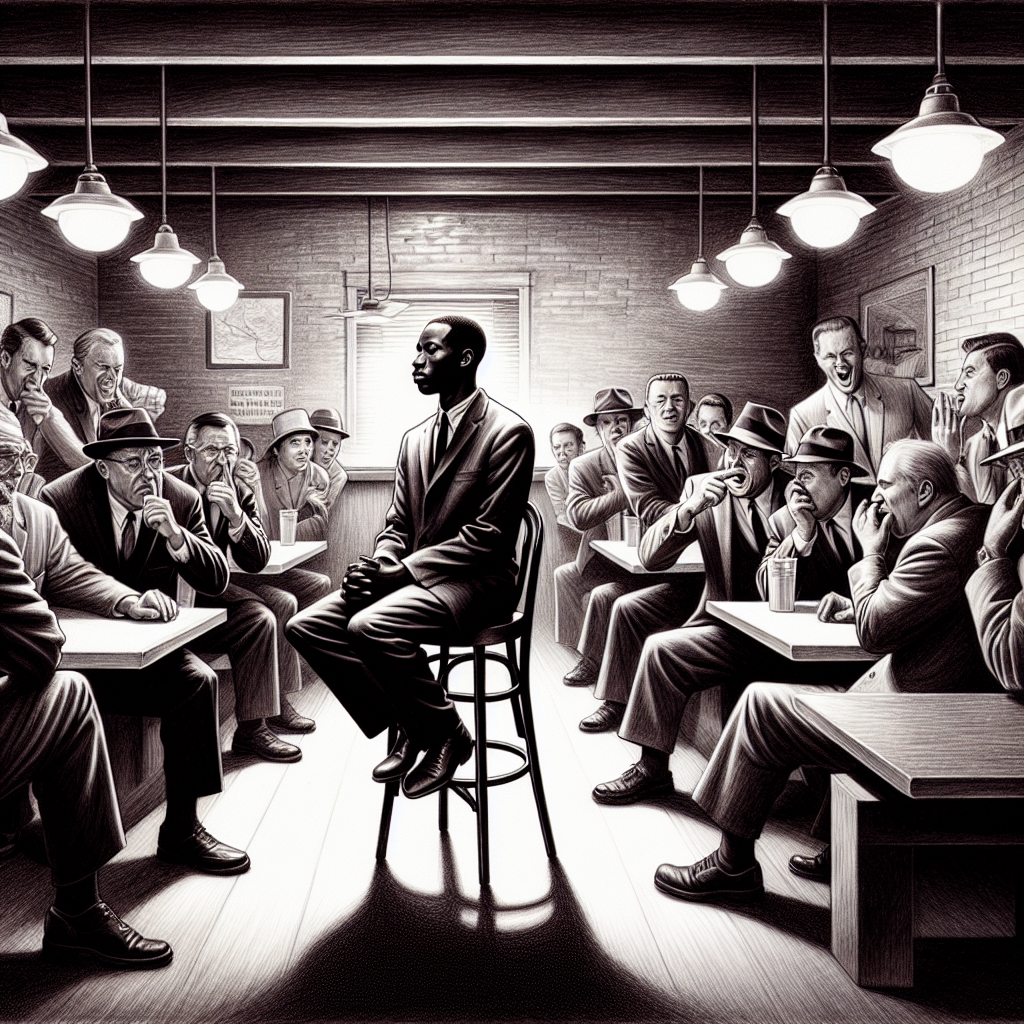
On May 4, 1961, 13 volunteers — seven Black, six white, most of them veterans of earlier sit-in campaigns — boarded two buses in Washington, D.C., and headed south. They were testing Boynton v. Virginia, the 1960 Supreme Court ruling that had extended the desegregation of interstate transportation to bus terminals and waiting rooms. Southern states had simply ignored the ruling; the Interstate Commerce Commission had issued no enforcement regulations. The Freedom Riders intended to make that ignorance impossible to sustain. They were prepared to be arrested. They were not entirely prepared for what happened in Alabama.
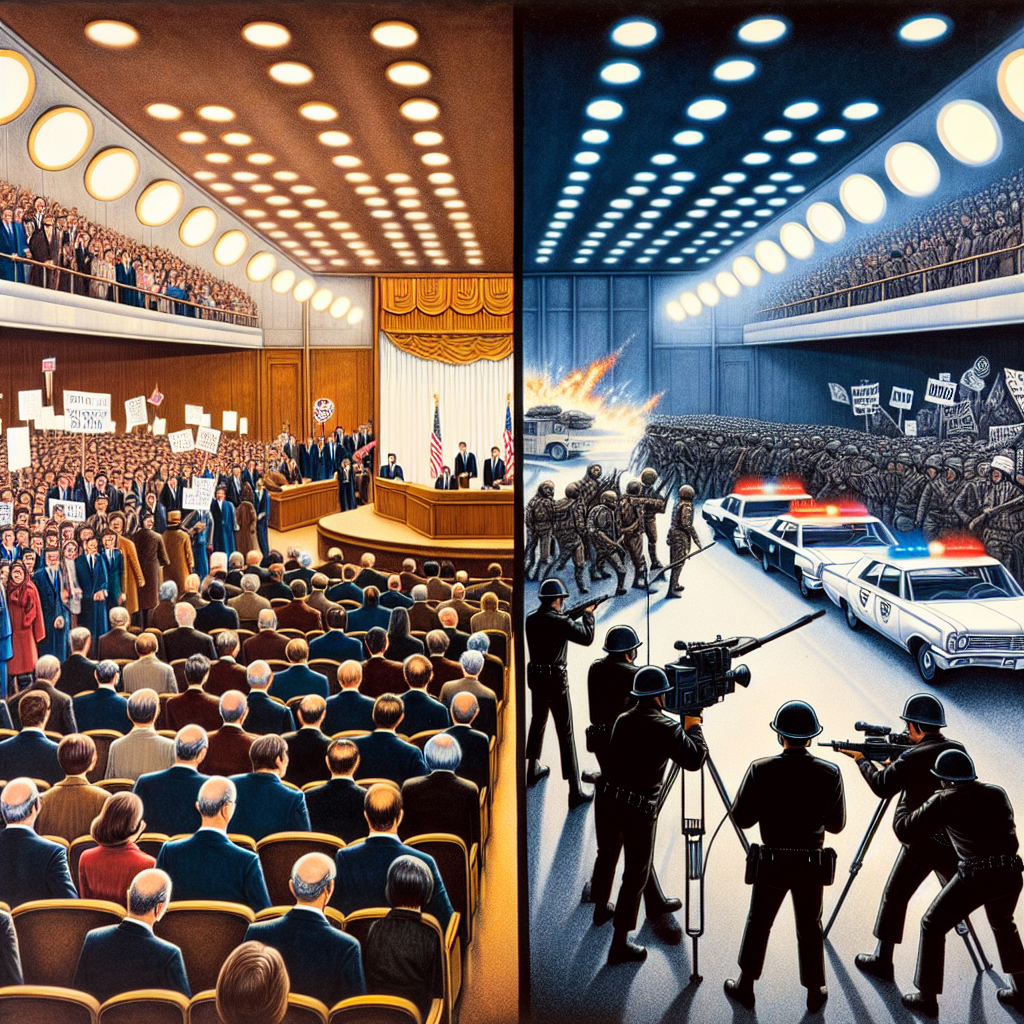
Outside Anniston, Alabama, on May 14, one bus was stopped by a mob, its tires slashed, and firebombed. Riders who escaped the burning vehicle were beaten as they stumbled out. In Birmingham, the second bus arrived to a mob that had been given 15 minutes by local police — with the FBI's awareness and a Klan informant's coordination. The Kennedy administration, consumed by the Bay of Pigs disaster and an upcoming summit with Khrushchev, desperately wanted the rides to stop. Attorney General Robert Kennedy negotiated, pressured, and ultimately dispatched federal marshals when Alabama refused to protect riders in Montgomery. The Kennedys wanted a cooling-off period. John Lewis, whose skull had been fractured in Montgomery, said there was nothing to cool off from.
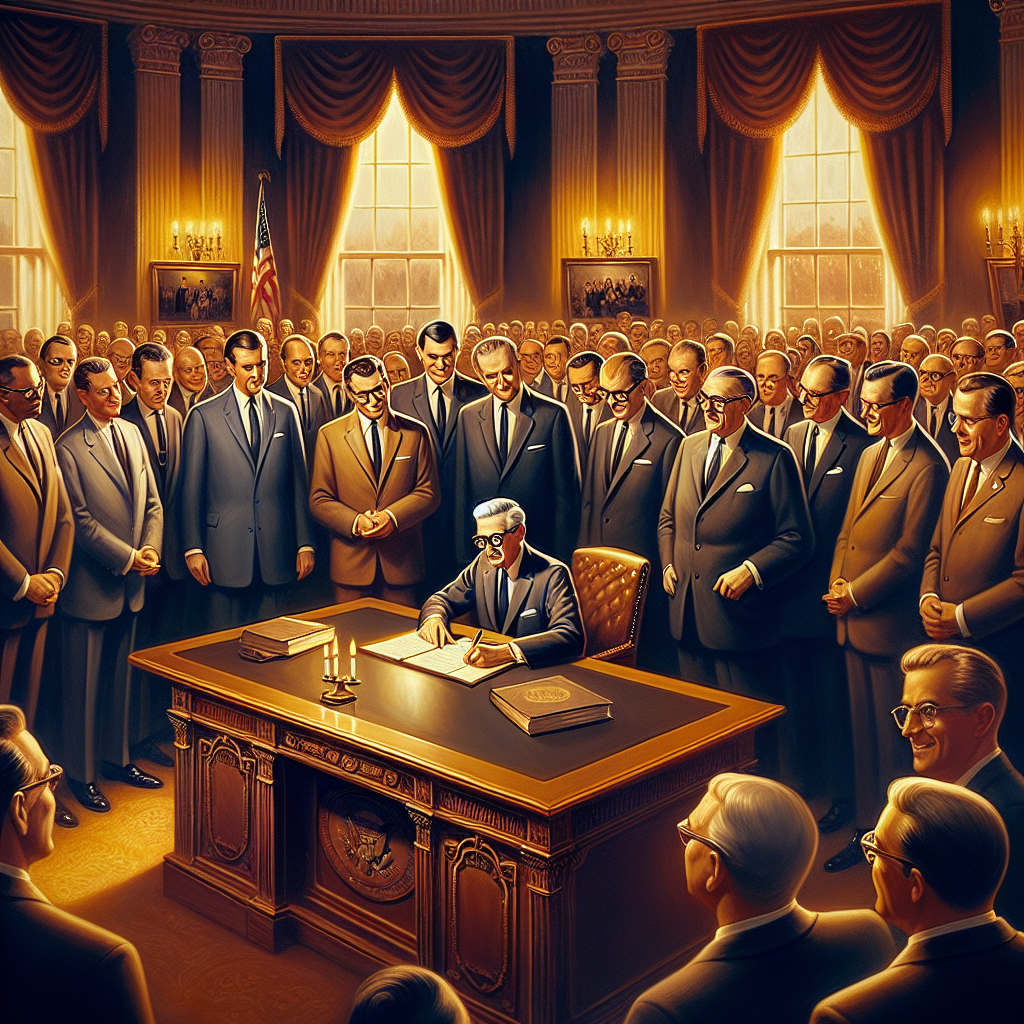
SNCC volunteers continued the rides when the original CORE group was too battered to go on, filling the jails of Jackson, Mississippi, through the summer. More than 400 people were eventually arrested. The Kennedy administration, calculating that televised images of burning buses and beaten Americans were damaging U.S. credibility in the Cold War competition for newly independent nations, pressured the Interstate Commerce Commission to issue the desegregation regulations the Boynton ruling had required. The ICC rules took effect in November 1961. The "Whites Only" signs came down from Southern interstate bus terminals — not because conscience had changed, but because 400 people had decided that riding a bus was worth going to jail for.
| Dates | May 4 – November 1, 1961 |
| Organized by | CORE (Congress of Racial Equality); continued by SNCC |
| Legal basis | Boynton v. Virginia (1960) |
| Key incident | Anniston, Alabama bus firebombing, May 14, 1961 |
| Riders arrested | 400+ |
| Key figure | John Lewis (skull fractured in Montgomery attack) |
| Federal response | U.S. marshals dispatched; ICC petition filed |
| Result | ICC desegregation regulations effective November 1, 1961 |
| Date | May 4 – November 1, 1961 |
| Location | Anniston, Alabama |