Jacksonian Democracy
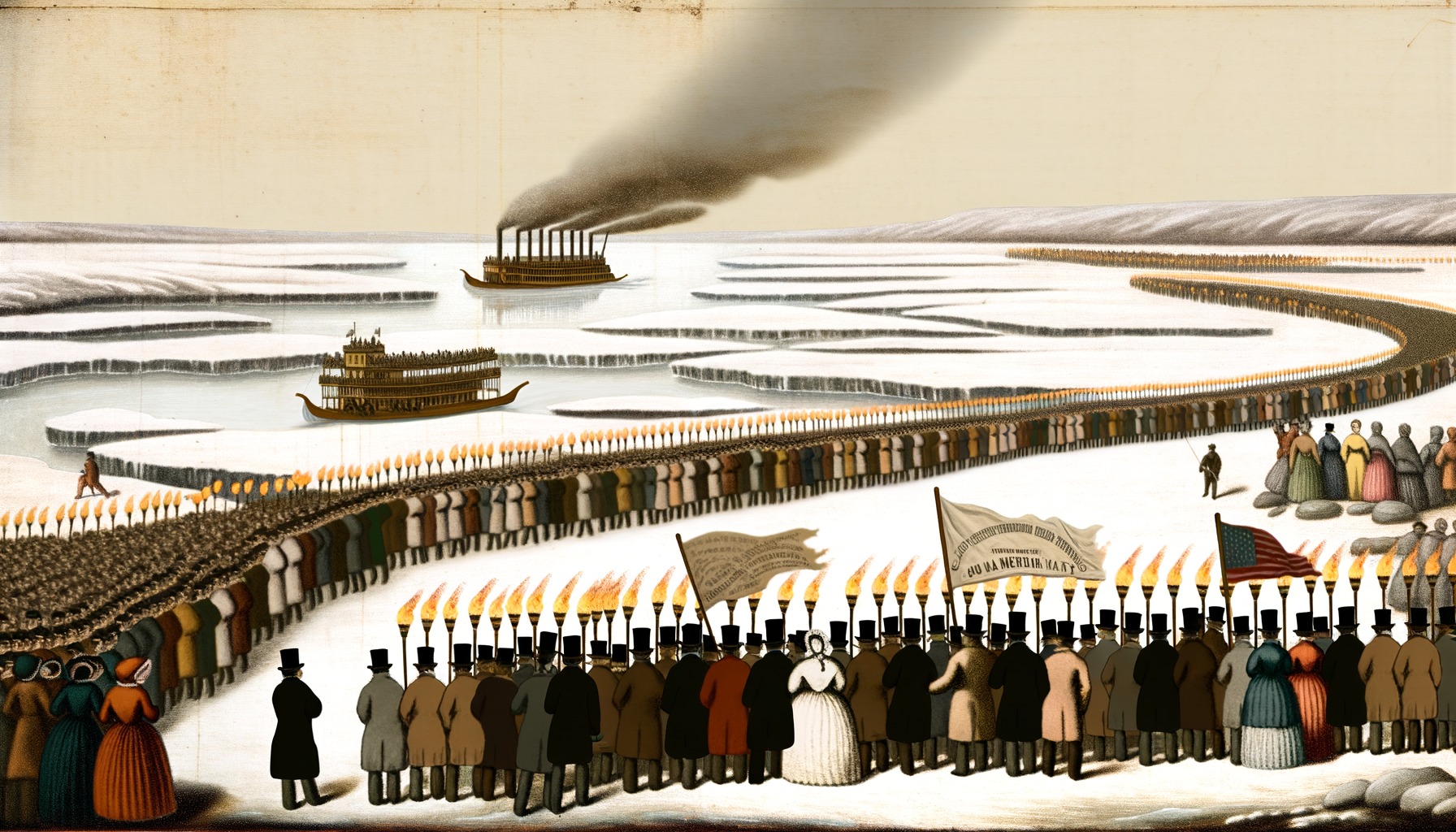
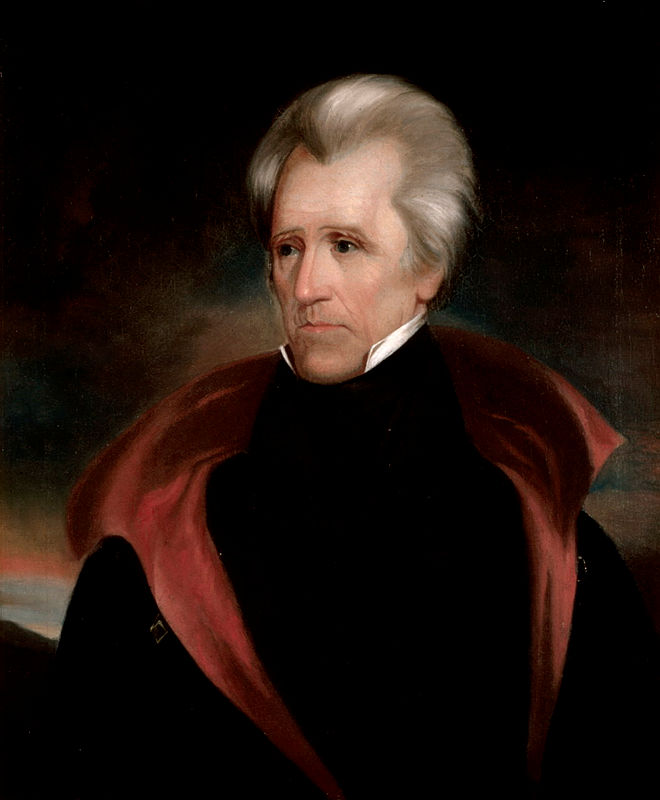
Andrew Jackson's 1828 election was the first American presidential campaign decided by mass mobilization rather than gentlemanly consensus. Property requirements for white male voting had collapsed across most states in the preceding decades; turnout in 1828 was more than double that of 1824. Jackson — a Tennessee general, slaveholder, and political outsider — ran against the entire establishment that had governed since the founding. His victory inaugurated a 20-year era in which "the common man" became the political ideal, mass-circulation newspapers shaped public opinion, and the modern two-party system took shape with the founding of the Whig Party in opposition.
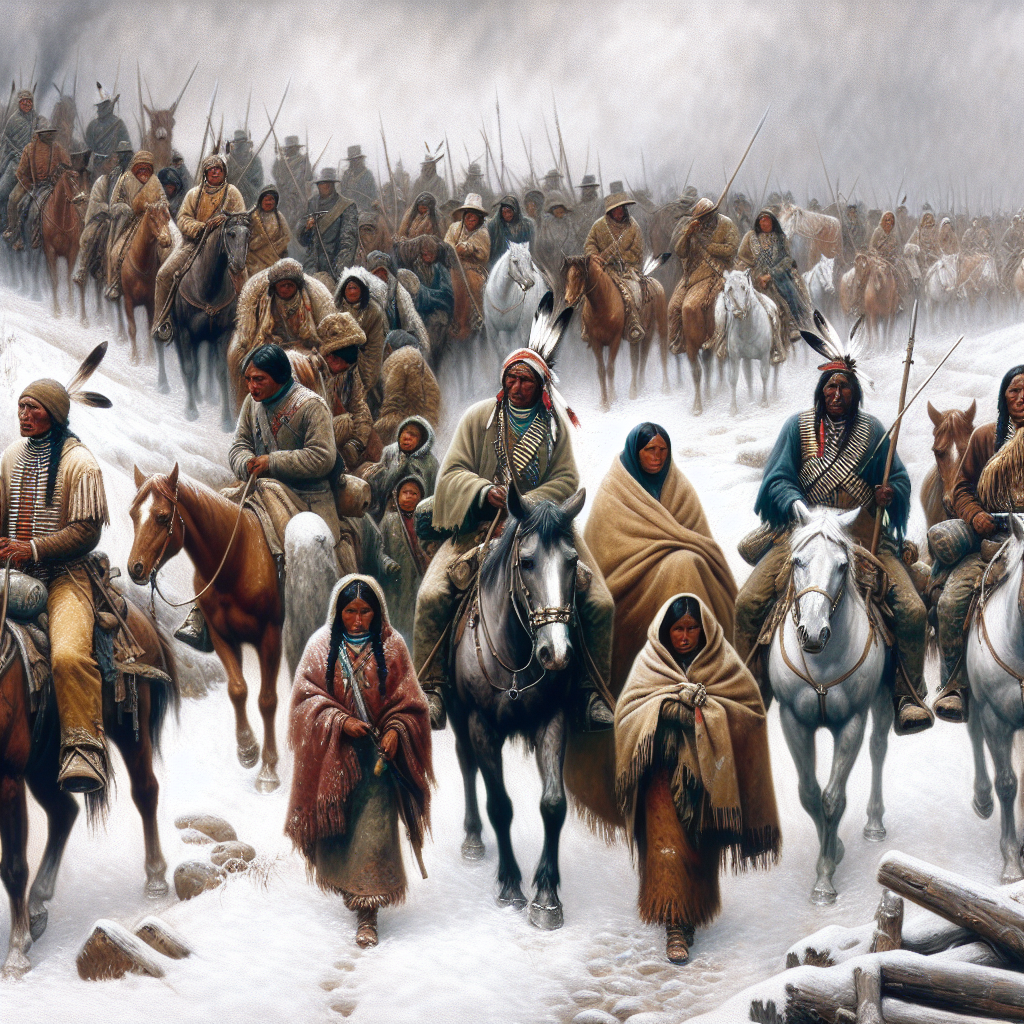
Jackson's presidency expanded democratic participation for white men and constricted it brutally for everyone else. The Indian Removal Act of 1830 forced tens of thousands of Cherokee, Creek, Choctaw, Chickasaw, and Seminole people from their southeastern homelands westward along what became the Trail of Tears, killing an estimated 4,000 Cherokee alone. Jackson dismantled the Second Bank of the United States, a battle that triggered an economic panic in 1837 and reshaped American banking for half a century. The spoils system — rewarding political supporters with government jobs — became the standard practice it would remain until civil service reform after Jackson's death.
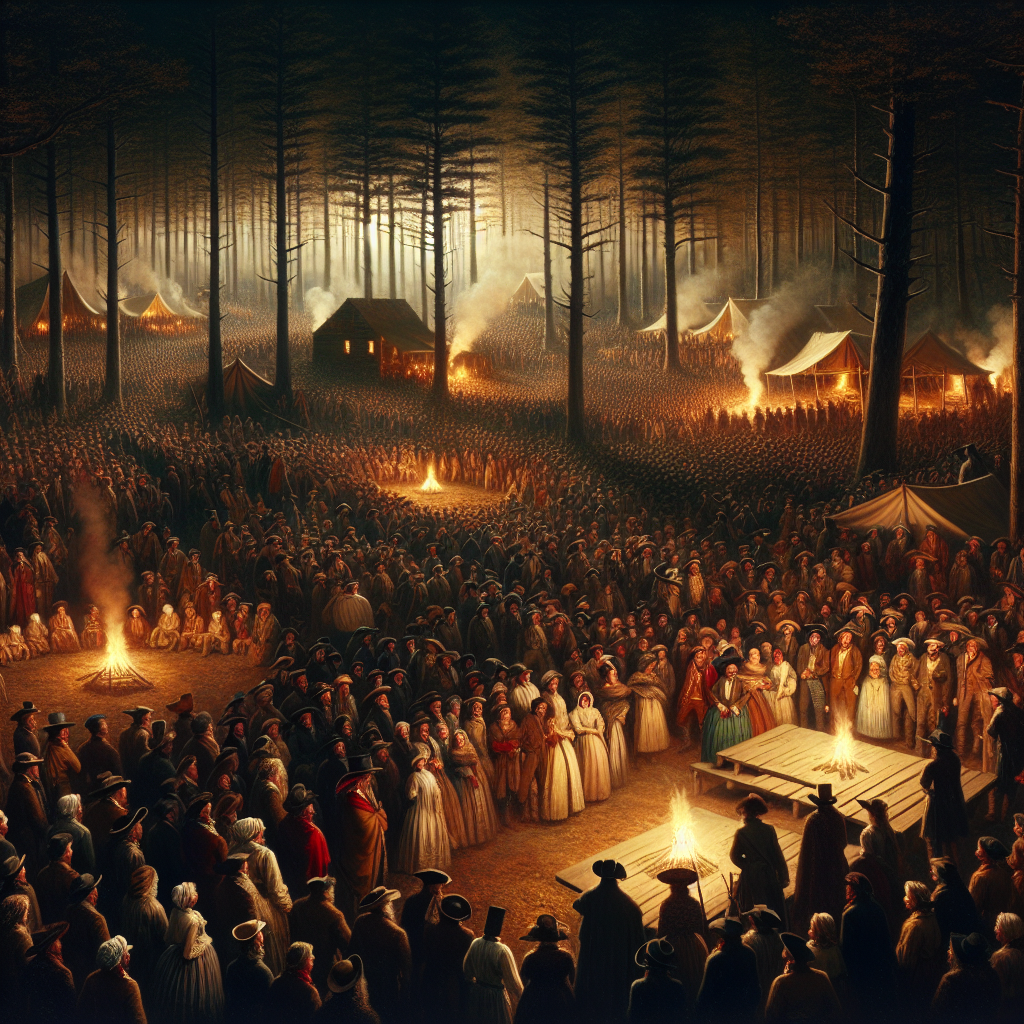
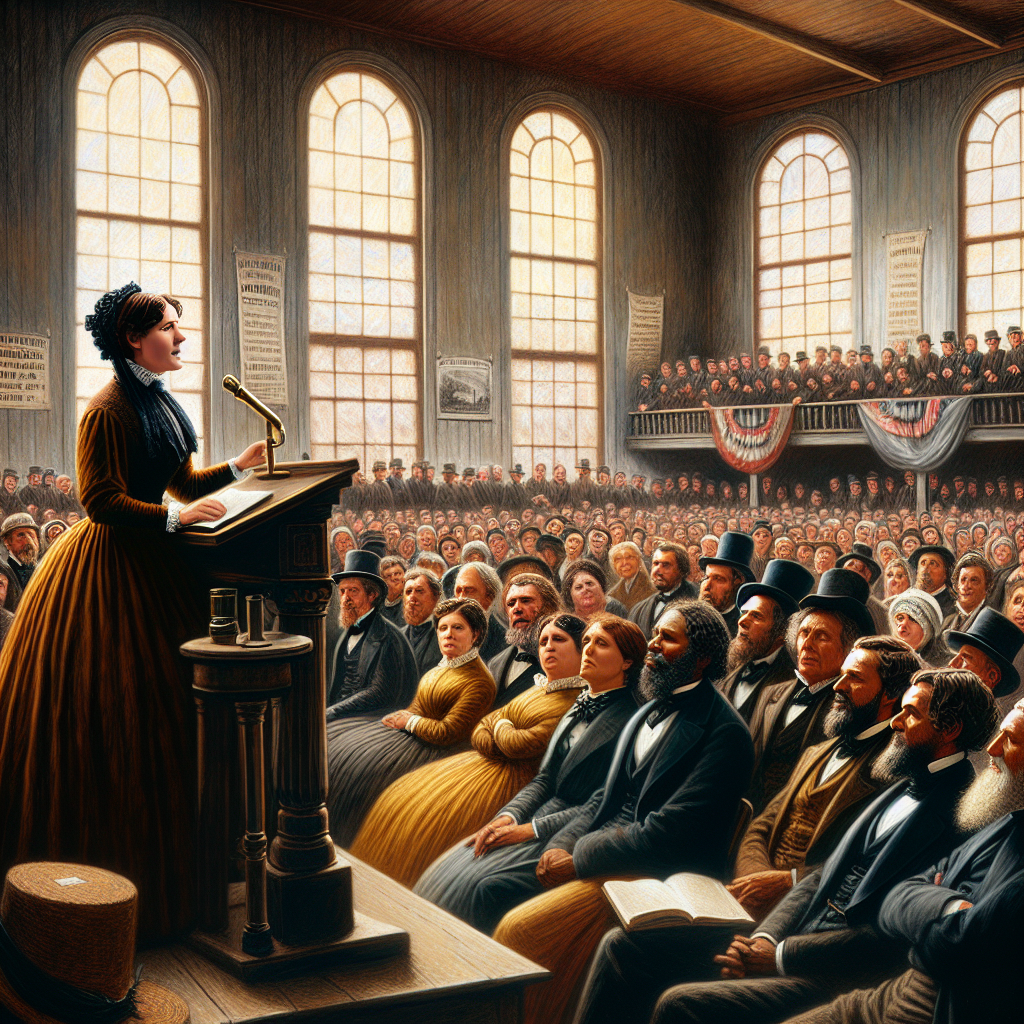
The Jacksonian era was also when the American reform impulse exploded. The Second Great Awakening produced revivalist evangelicalism on a continental scale. Abolitionism gained organizational coherence with William Lloyd Garrison's launch of The Liberator in 1831 and the founding of the American Anti-Slavery Society in 1833. The Seneca Falls Convention of 1848 launched the organized women's rights movement. Temperance, prison reform, and educational reform movements drew hundreds of thousands of participants. Democratic enthusiasm and moral reform fed each other — and accelerated the sectional crisis no one yet knew how to resolve.
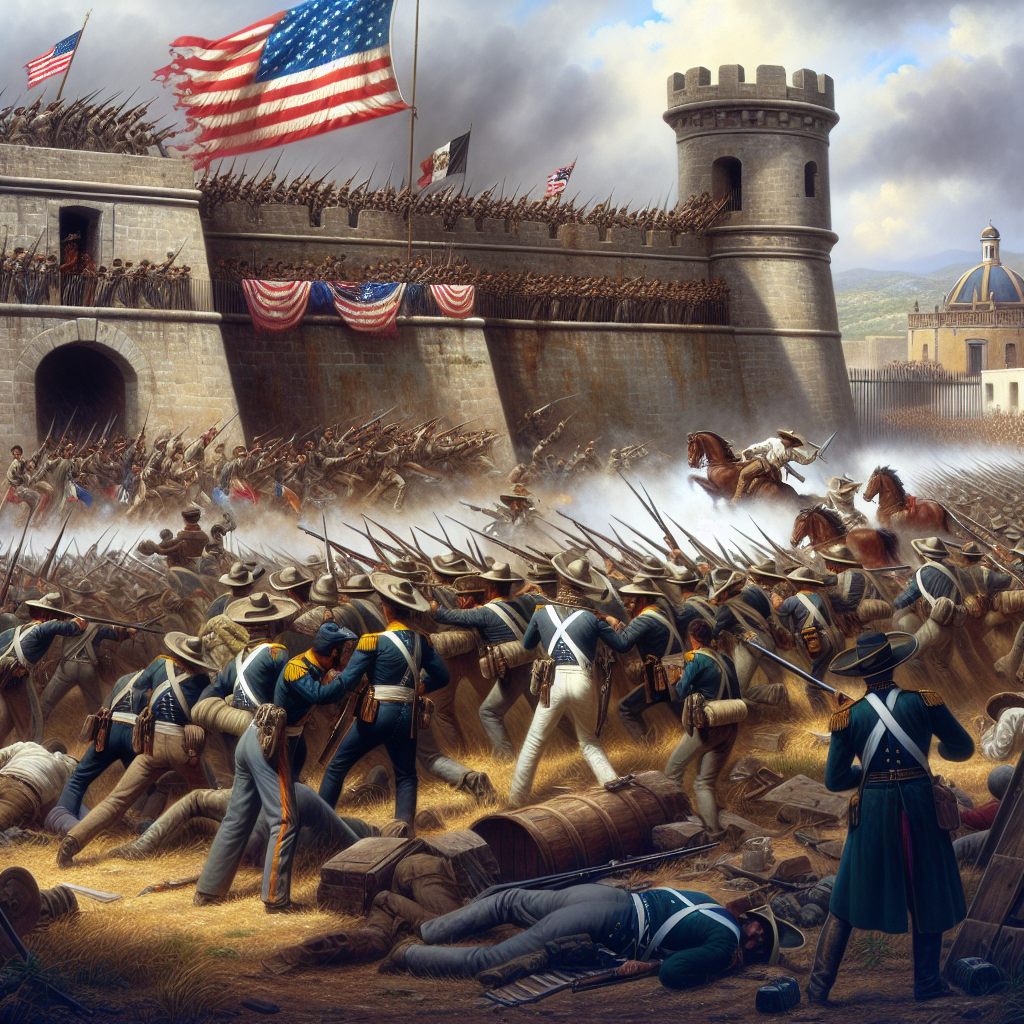
By 1848, the political coalition Jackson built was fracturing along the slavery question his own presidency had refused to confront. The Mexican-American War — fought from 1846 to 1848 to extend American territory across the continent — produced half a million square miles of new land that would have to be classified as slave or free. The Wilmot Proviso, which would have banned slavery in the new territory, passed the House and died in the Senate. The Free Soil Party split off from the Democrats. The age of mass democracy that Jackson had inaugurated would, within twelve years, dissolve into civil war.
| Duration | 20 years (1828–1848) |
| Voting expansion | Property requirements dropped in most states |
| Indian Removal Act | May 28, 1830 |
| Trail of Tears | 1830s — forced removal of southeastern nations |
| Bank War | 1832–1836 — destruction of the Second Bank of the U.S. |
| Panic of 1837 | Major economic collapse following the Bank War |
| Mexican-American War | 1846–1848 |
| Major reform movements | Abolition, women's rights, temperance, evangelicalism |
| Date | March 4, 1829 – February 2, 1848 |
| Location | United States |