Capitalism
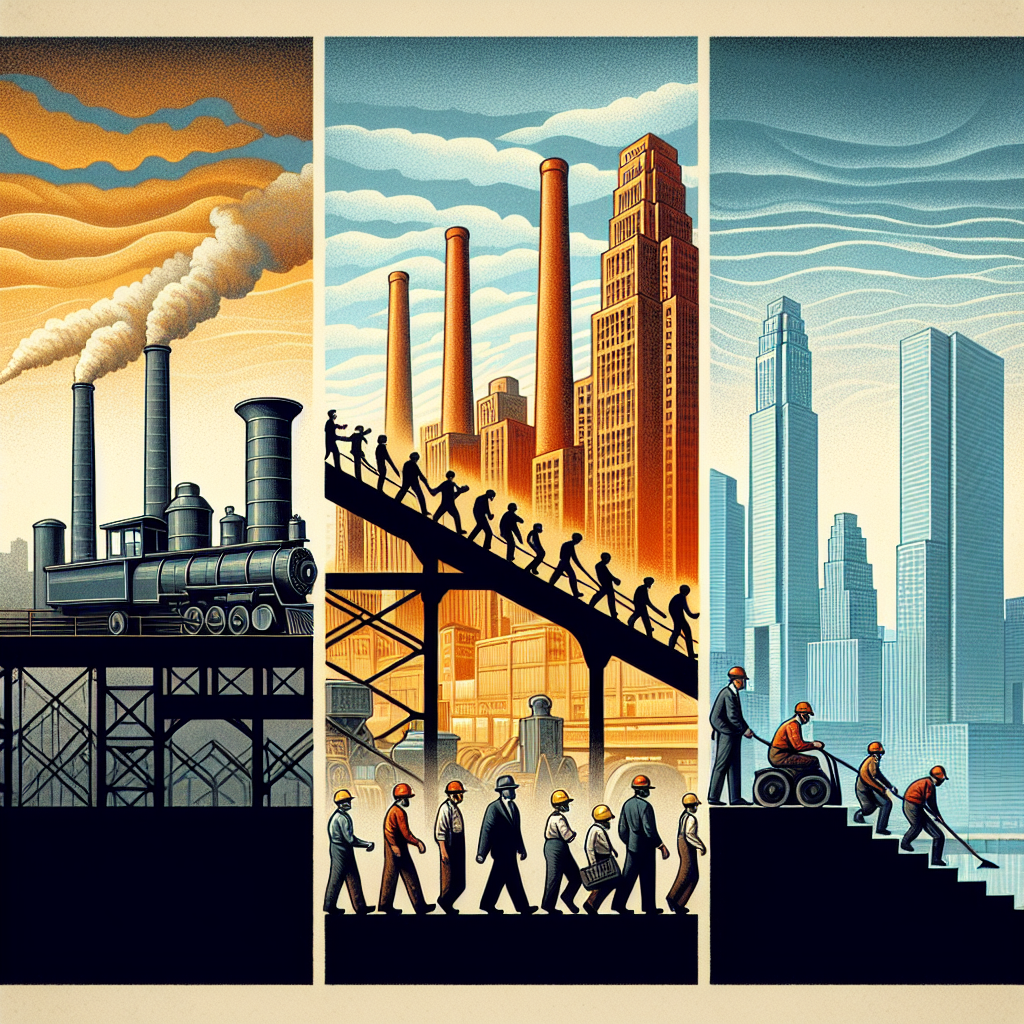
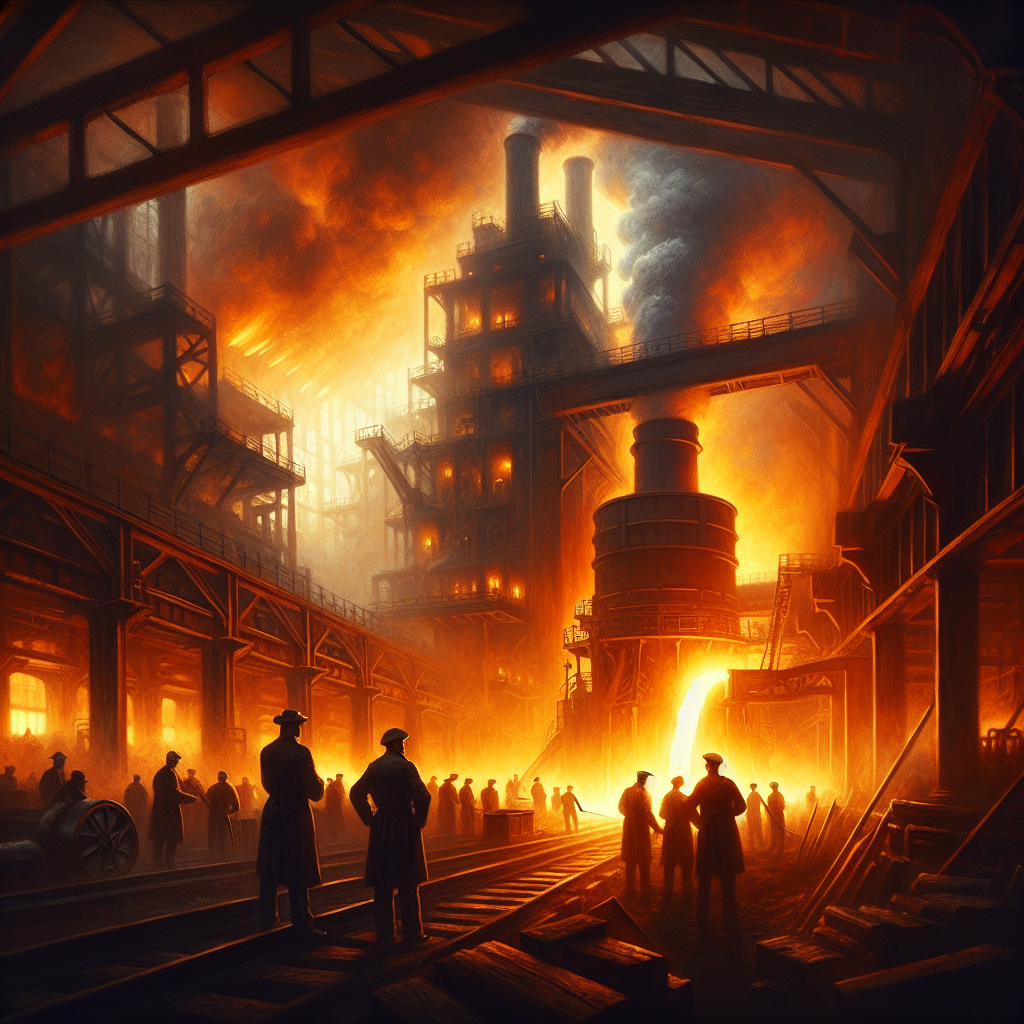
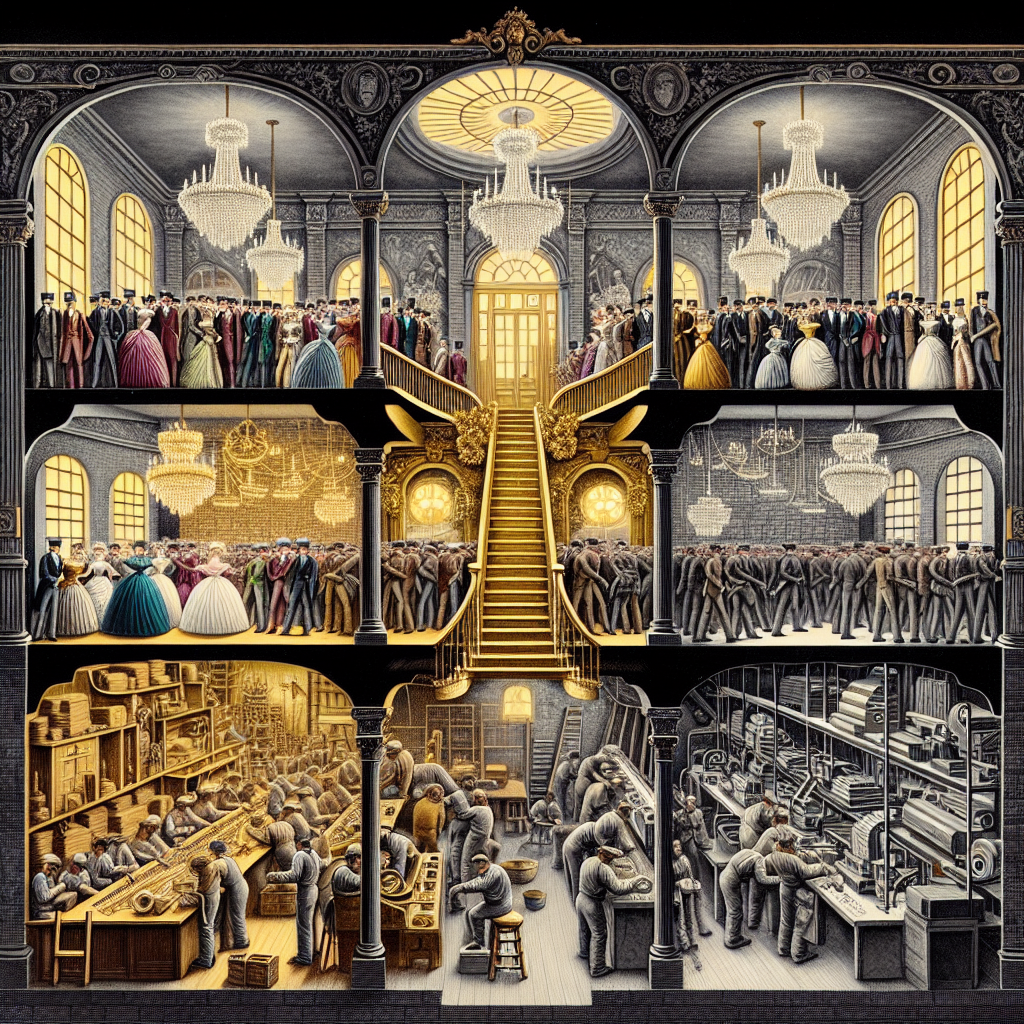
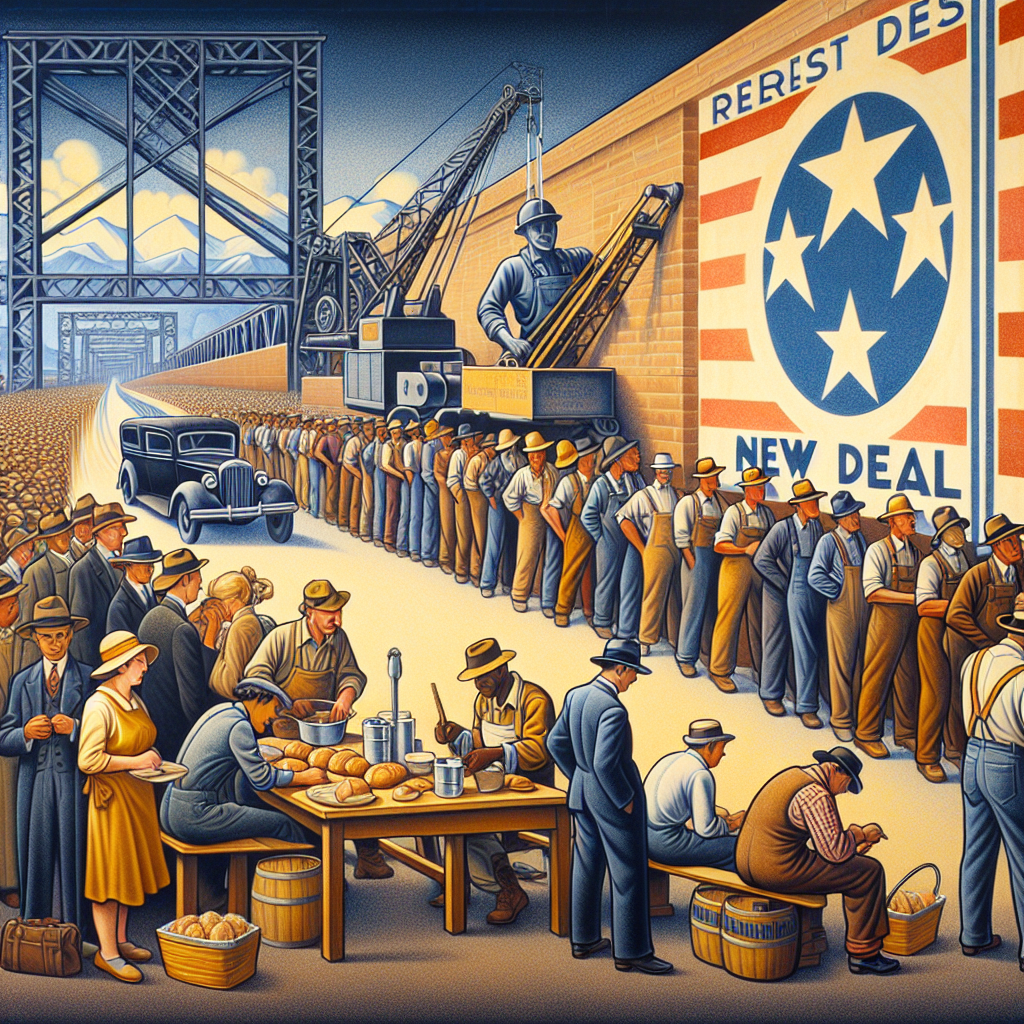
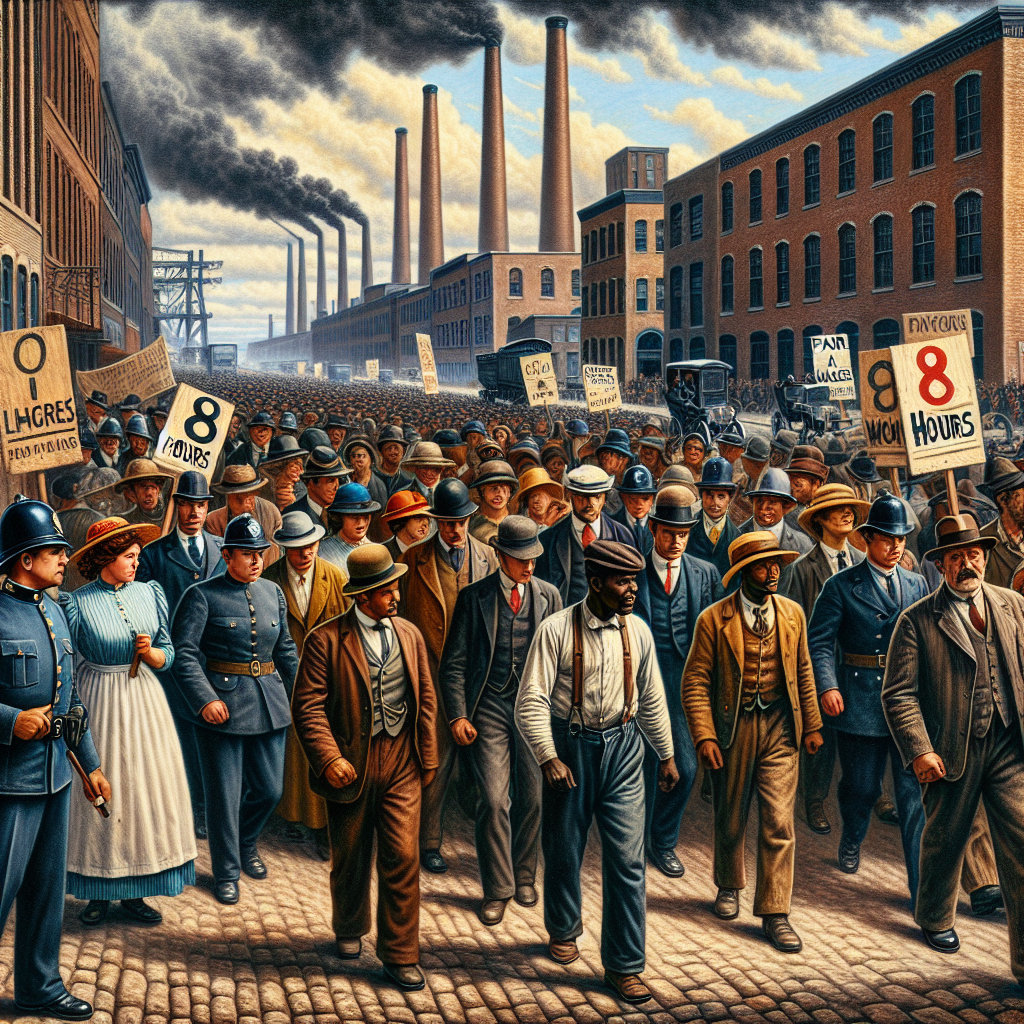
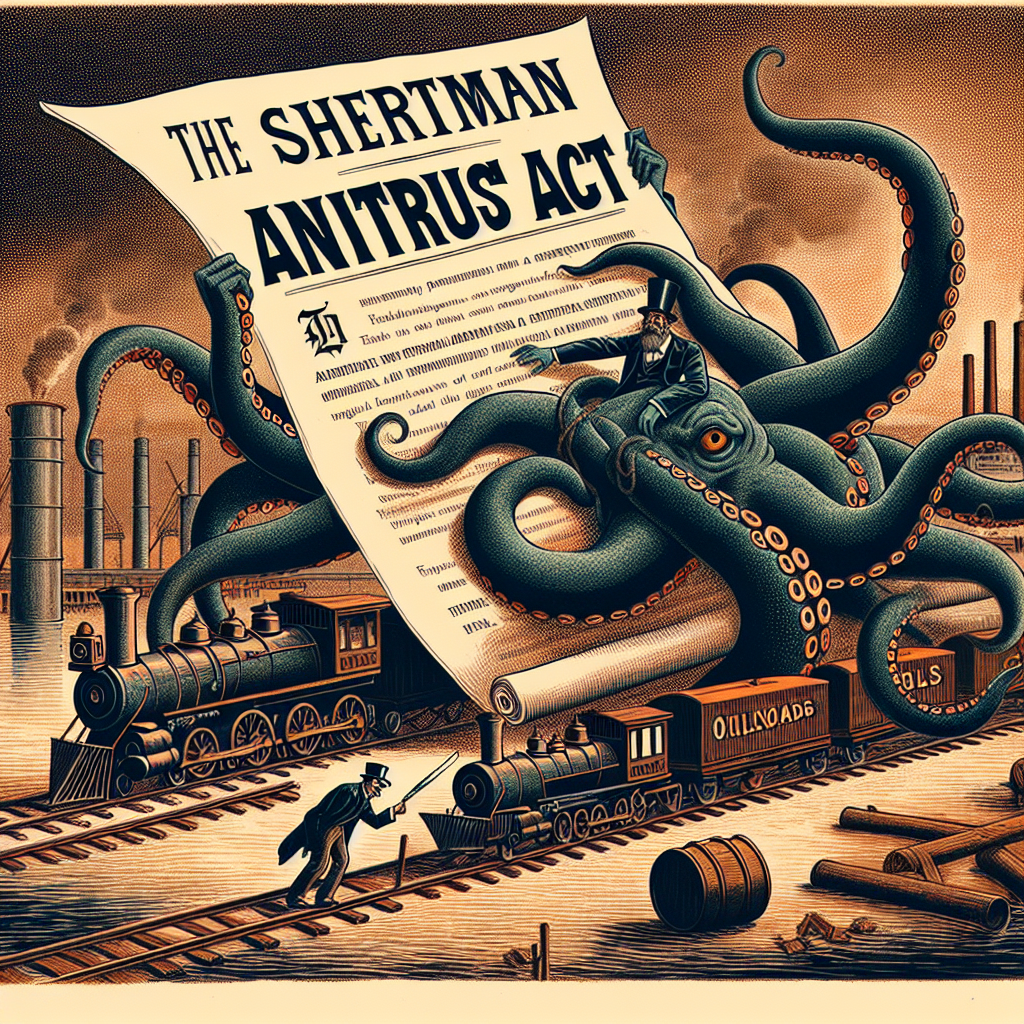
American capitalism has never been a single, coherent system — it has been a series of compromises between market forces, democratic politics, and countervailing social movements that have produced radically different arrangements in different eras. The laissez-faire capitalism of the Gilded Age, in which industrial trusts operated with virtually no federal oversight, produced extraordinary wealth and extraordinary misery in approximately equal measure and generated the progressive reform movements that began to regulate it. The managed capitalism of the New Deal and postwar era produced the most broadly shared prosperity in American history. The deregulated capitalism of the late 20th century increased growth and inequality simultaneously.
The tension between capitalism and democracy has been a constant in American political life since industrialization. Democratic majorities repeatedly demanded constraints on market power — antitrust law, labor regulation, financial oversight, environmental protection — and market actors repeatedly used economic and political power to roll those constraints back. The result has been an ongoing negotiation, never fully settled, over what capitalism is allowed to do and what democratic governance is required to prevent. The New Deal, the Progressive Era reforms, and the civil rights era's economic demands were all, at bottom, attempts by democratic majorities to set the terms of that negotiation on behalf of those the market was failing.
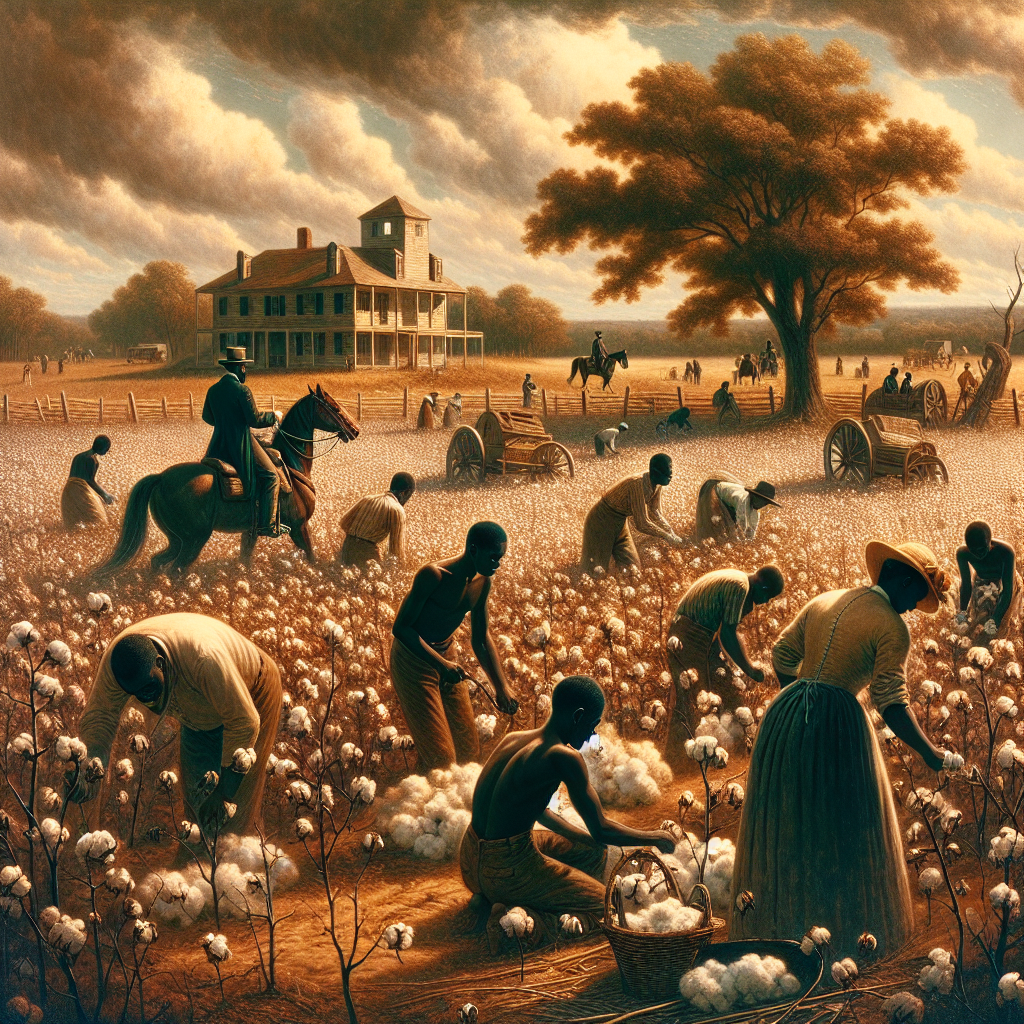
American capitalism's relationship with slavery is a subject of growing historical attention. The cotton economy of the antebellum South was integrated into Northern financial and textile industries in ways that made Northern prosperity partially dependent on enslaved labor — a relationship that the tidy categories of "free labor" and "slave labor" obscure more than they illuminate. The economic legacies of slavery and subsequent discrimination — the wealth gap between Black and white Americans, the geographic concentration of poverty in formerly redlined neighborhoods — are structural features of the American economy that persist long after the legal systems that produced them were dismantled.

| Gilded Age Form | Largely unregulated; trusts, monopolies, no labor protections |
| Progressive Reform | Antitrust law, labor regulations, banking oversight |
| New Deal Capitalism | Banking regulation, labor rights, Social Security, public investment |
| Postwar Peak | Unionized, regulated, high taxes — broadest middle-class growth |
| Late 20th Century | Deregulation, declining unions, rising inequality |
| Slavery Connection | Antebellum cotton economy integrated into Northern industrial capitalism |
| Years | 1776 |
| Location | United States |