The Environmental Protection Agency
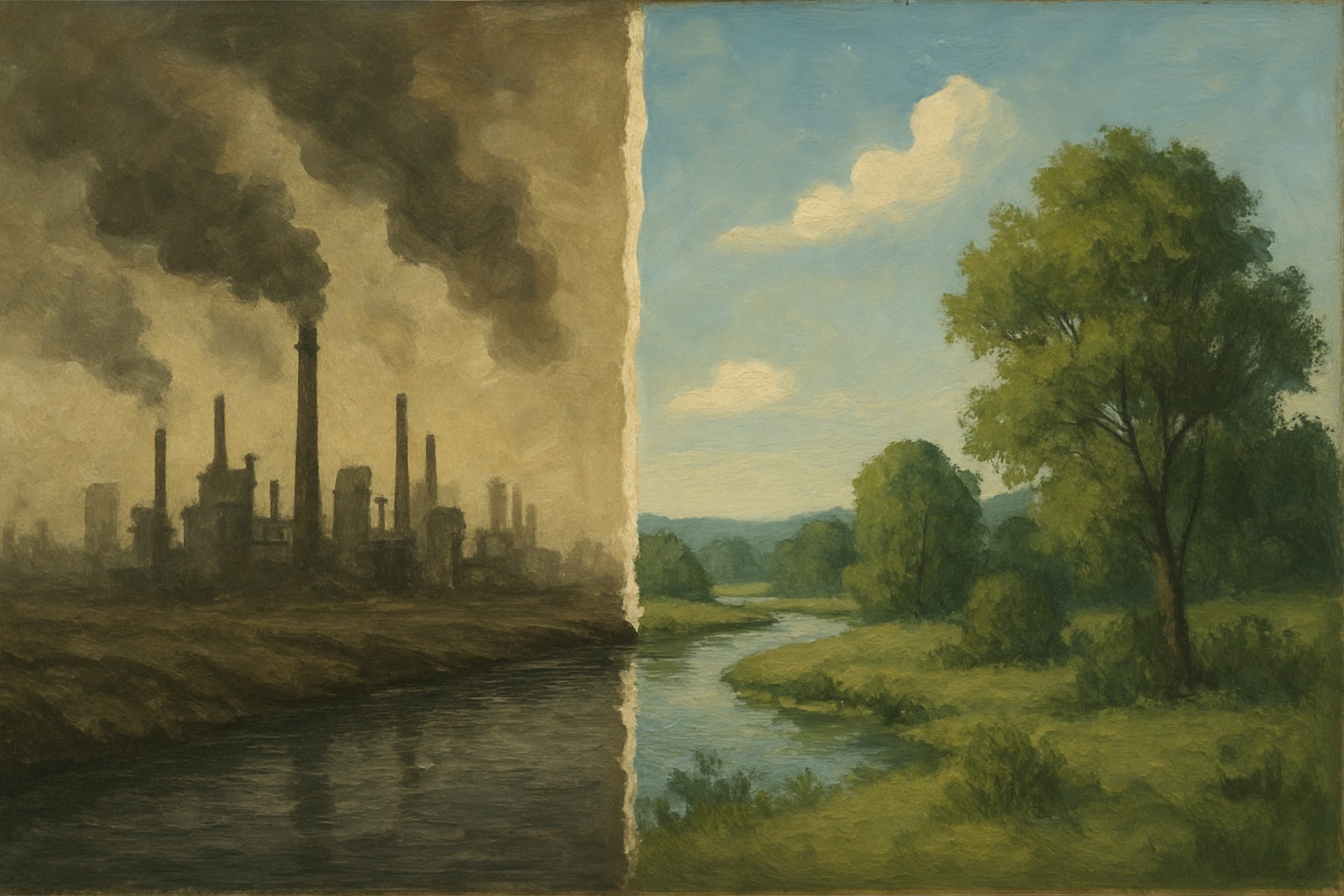
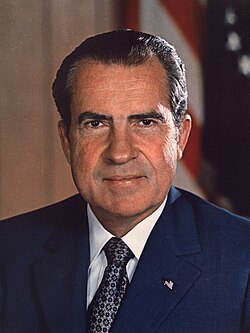
The Environmental Protection Agency opened its doors in December 1970, at the crest of a wave of public alarm over poisoned air, burning rivers, and vanishing wildlife. Rachel Carson's Silent Spring, the Cuyahoga River catching fire, and a massive oil spill off Santa Barbara had turned conservation from a niche cause into a mass movement, and the first Earth Day that April drew some twenty million Americans into the streets. President Richard Nixon, no environmentalist by temperament but alert to the politics, consolidated a scattering of federal pollution programs into a single independent agency charged with protecting human health and the environment.
The new agency was handed real power almost at once. The Clean Air Act of 1970, the Clean Water Act of 1972, and a run of other landmark statutes gave the EPA authority to set and enforce national standards, and its first administrator, William Ruckelshaus, used it — banning most uses of the pesticide DDT, suing polluting cities and corporations, and pressing automakers toward the catalytic converter. For the first time the federal government asserted that clean air and water were national responsibilities, not matters left entirely to states or private conscience.
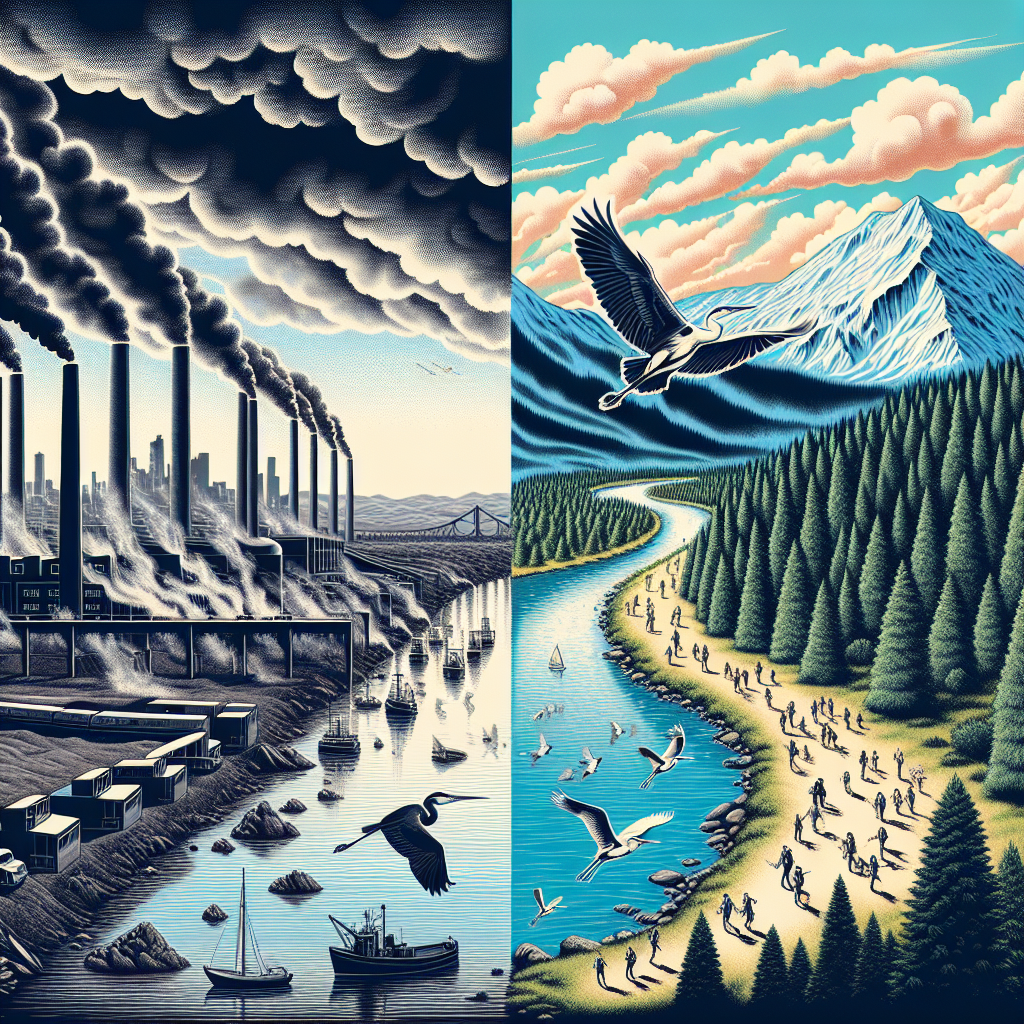
The results were visible within a generation. Rivers that had caught fire ran clean enough to fish, urban smog eased, leaded gasoline disappeared, and species such as the bald eagle recovered from the brink. But the agency's reach also made it a lightning rod. Industries chafed at the cost of compliance, and a durable political argument took hold over whether federal regulation protected the public or throttled the economy — a fight that has swung the EPA's priorities back and forth with each change of administration.
By the twenty-first century the EPA's defining battleground had shifted to climate change. A 2007 Supreme Court ruling held that greenhouse gases were pollutants the agency could regulate under the Clean Air Act, thrusting it into the center of the nation's most divisive environmental debate. Whether tightening or loosening its grip, the EPA remains the institution through which the United States decides how much pollution it will tolerate — the administrative embodiment of a question the country began asking in earnest only in 1970.
| Established | December 2, 1970 |
| Created by | President Richard Nixon (executive reorganization) |
| First Administrator | William Ruckelshaus |
| Key laws | Clean Air Act (1970), Clean Water Act (1972) |
| Early action | Banned most uses of DDT (1972) |
| Status | Independent federal agency |
| Mission | Protect human health and the environment |
| Date | Established December 2, 1970 |
| Location | Washington, D.C. |