San Francisco
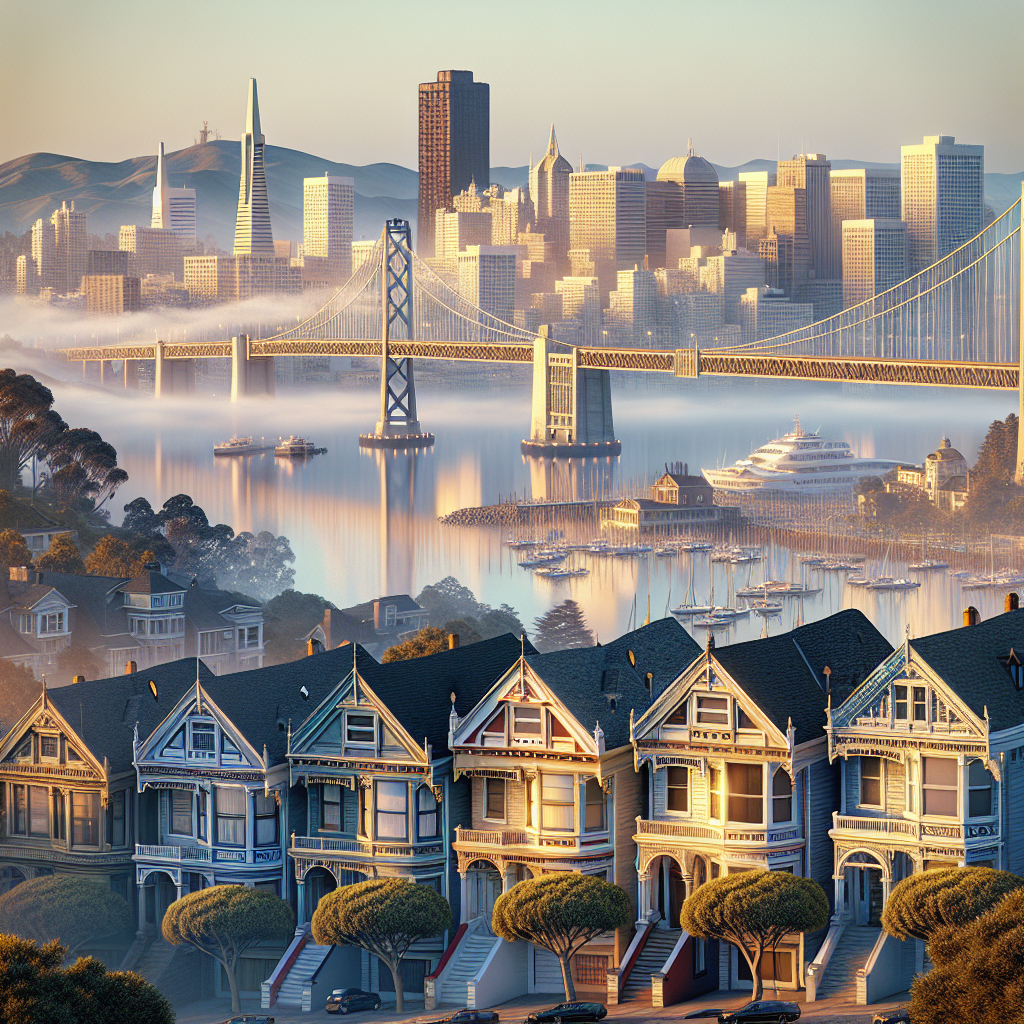
In January 1848, San Francisco was a muddy settlement of perhaps 800 people. By the end of 1849, it had 25,000. The California Gold Rush transformed an obscure Mexican trading post into a boomtown almost overnight and set the pattern for everything that followed: San Francisco has always attracted people who believe the ordinary rules don't apply to them. Every generation found a different version of gold — in shipping, in railroads, in finance, in counterculture, in software — and the city has remade itself around each one.
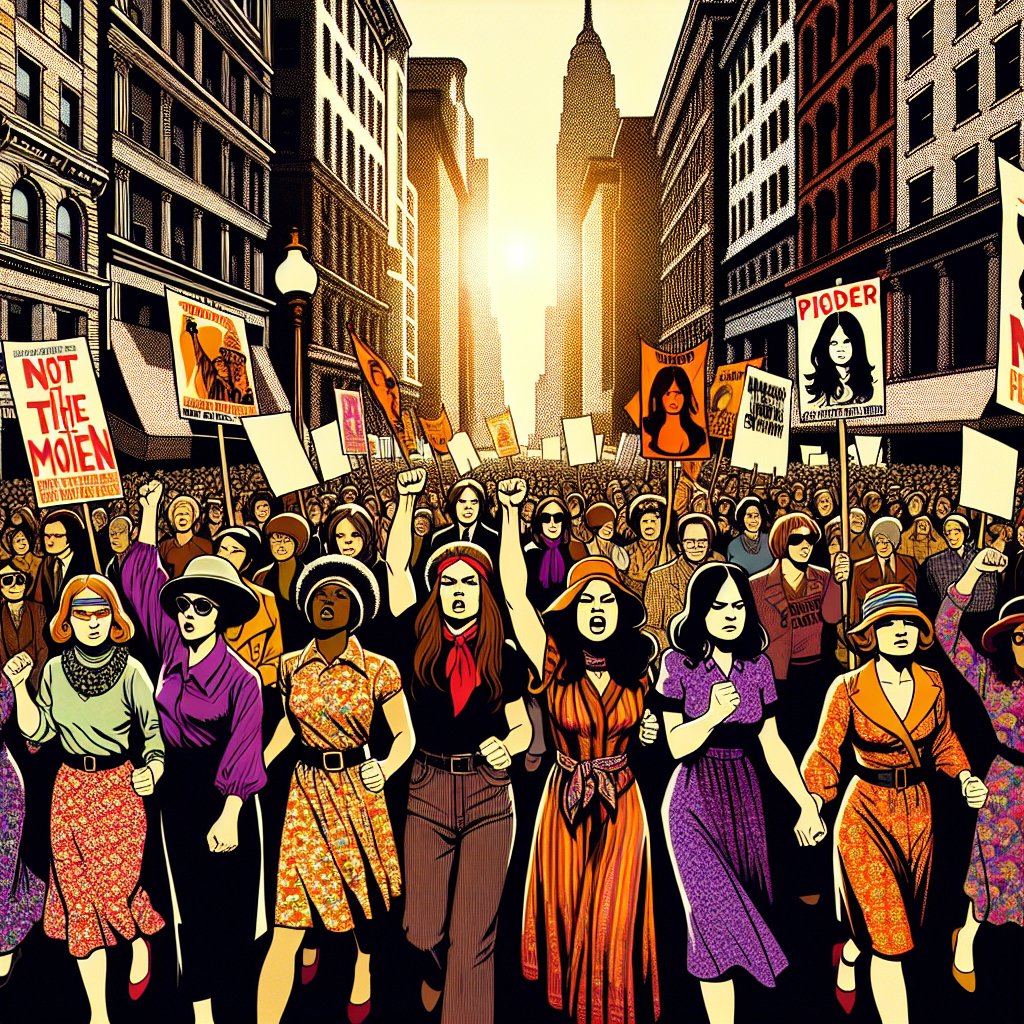
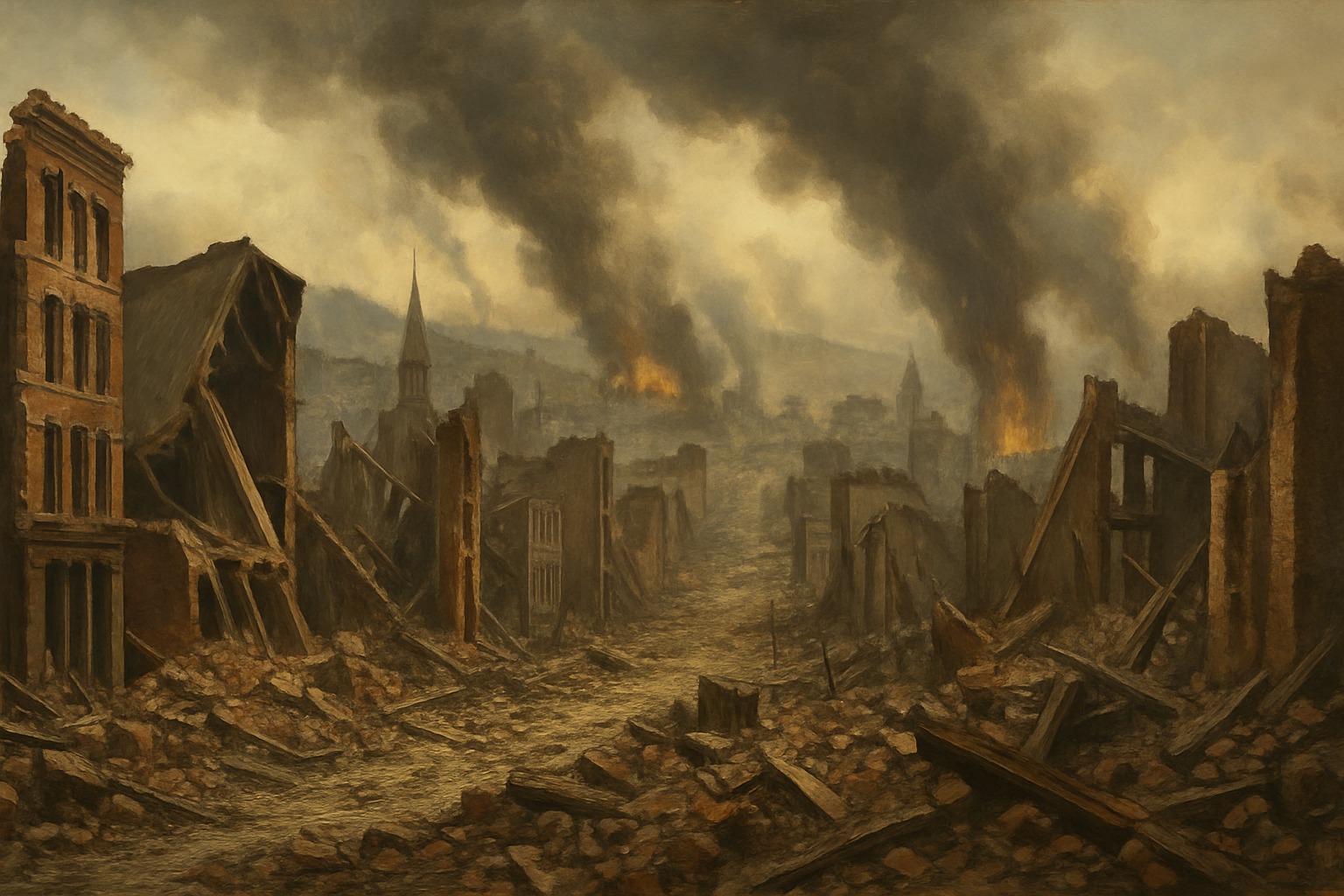
The earthquake and fire of April 18, 1906 destroyed approximately 28,000 buildings and left half the city homeless. San Francisco rebuilt within three years, a feat of civic will and real estate ambition that seemed to confirm the city's mythology. World War II brought hundreds of thousands of workers and soldiers through its ports as the primary Pacific theater departure point, and many of them stayed. The Haight-Ashbury district's 1967 Summer of Love made San Francisco the capital of American counterculture; Harvey Milk's election to the Board of Supervisors in 1977 made it a center of LGBTQ political life; his assassination a year later made it a symbol of its costs.
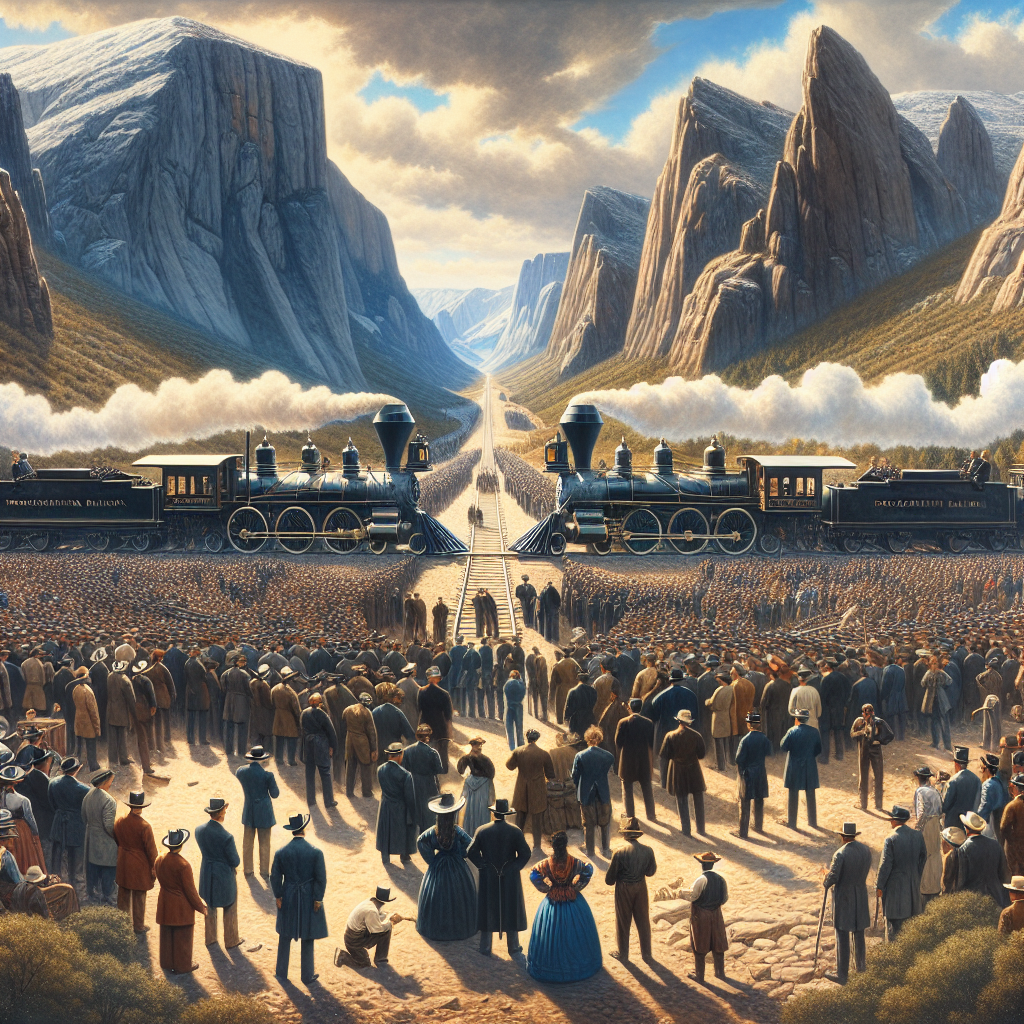
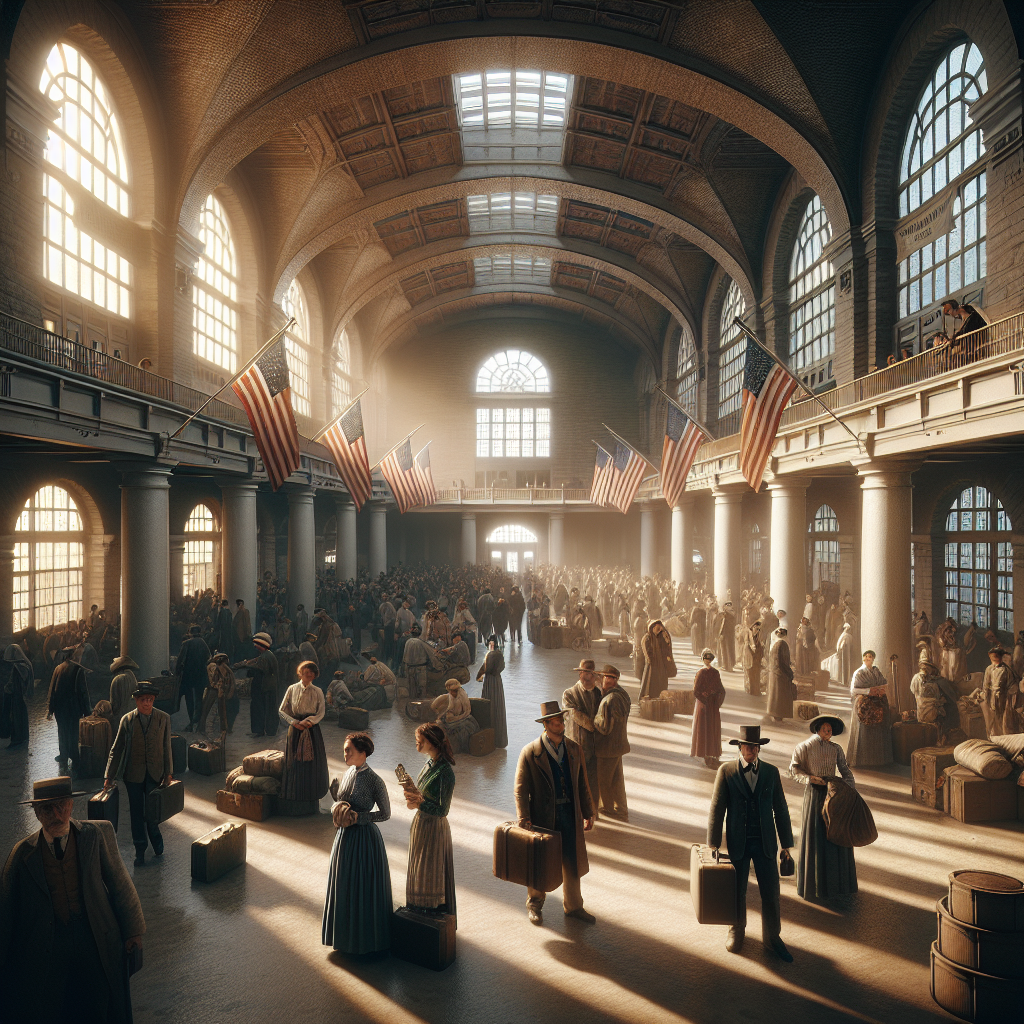
The Gold Rush city was also a study in exclusion. Chinese immigrants who had built the transcontinental railroad were subjected to the Chinese Exclusion Act of 1882 — the first federal law to ban immigration on the basis of race. Japanese American families who had built neighborhoods in the Western Addition were forcibly relocated to internment camps in 1942. Angel Island, in San Francisco Bay, processed Asian immigrants with a harshness that made it the deliberate opposite of Ellis Island, holding some detainees for months or years.
The technology industry's concentration in the surrounding Bay Area since the 1970s has reshaped San Francisco more completely than any earthquake. Companies founded in garages in Menlo Park and Cupertino moved their employees into the city, generating extraordinary wealth, accelerating displacement, and producing a housing crisis that has made San Francisco simultaneously one of the wealthiest and most visibly unequal cities in the United States. The latest reinvention is still underway — and, as always in San Francisco, deeply contested.
| Founded | 1776 (Mission San Francisco de Asís) |
| U.S. acquisition | 1846, following the Mexican-American War |
| Gold Rush boom | 1848–1849 |
| 1906 earthquake | April 18, magnitude ~7.9; ~28,000 buildings destroyed |
| Population | ~874,000 city; ~4.7 million metro |
| Nicknames | The City, Baghdad by the Bay |
| Notable first | First U.S. city to elect an openly gay official (Harvey Milk, 1977) |
| Years | 1776 |
| Location | San Francisco, California |