Tammany Hall
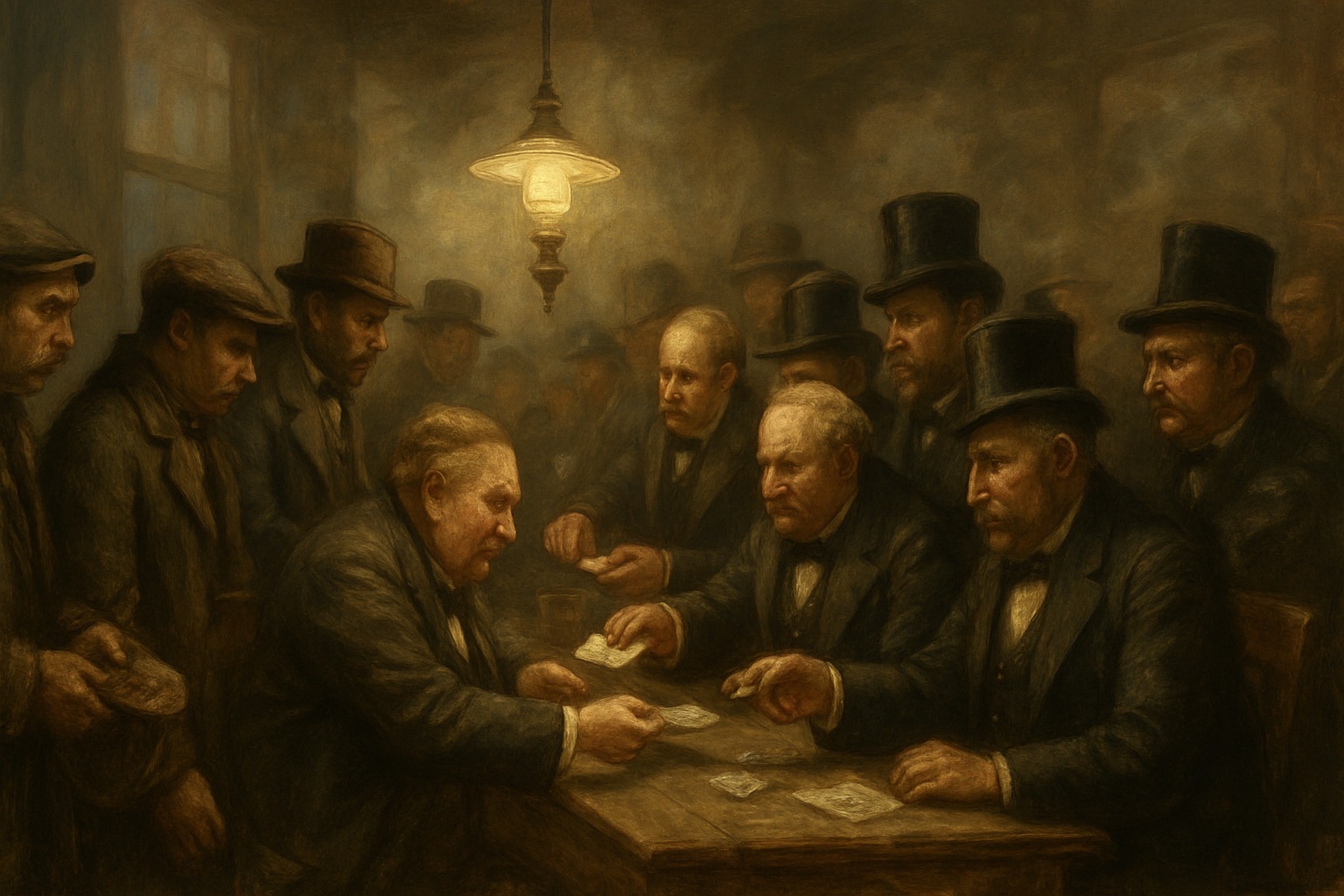
Tammany Hall began as a patriotic social club and became the most notorious political machine in American history. Founded in New York City in 1789, the Society of St. Tammany evolved over the following century into the organization that controlled the city's Democratic Party — and, through it, much of the city itself. It ran on a simple exchange: it delivered jobs, favors, and a helping hand to the working poor, and in return it collected their votes by the thousands.
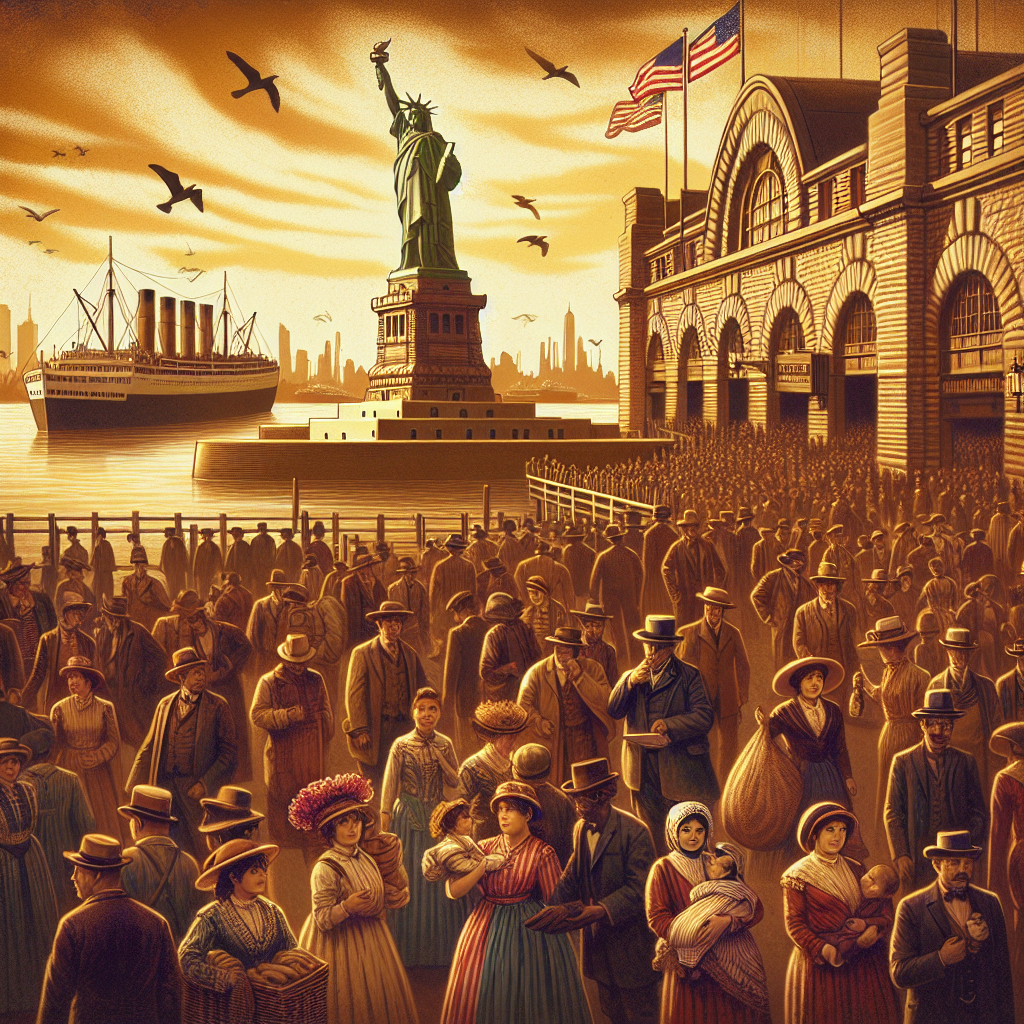
For immigrants pouring off the ships, especially the Irish, Tammany was often the only institution that offered help. Its ward bosses found newcomers work, smoothed their path to citizenship, paid for a funeral or a load of coal in hard times, and asked only for loyalty at the ballot box. In an age before public welfare, the machine functioned as a rough-and-ready social service — financed, its critics charged, by systematic theft from the public treasury.
That theft reached its peak under William Marcy Tweed. In the late 1860s and early 1870s, the Tweed Ring looted the city of tens of millions of dollars through padded contracts and kickbacks, most infamously on a courthouse that cost more than the purchase of Alaska. The cartoonist Thomas Nast skewered Tweed relentlessly in the press, and the boss was finally prosecuted and died in prison — but the machine survived him and rebuilt its power.
Tammany Hall dominated New York politics deep into the twentieth century before the reforms of the Progressive Era, the rise of civil service, and the welfare programs of the New Deal slowly dissolved the bargain it depended on. When government itself began providing what the machine had traded for votes, its grip loosened, and by the 1960s Tammany was finished. It remains the enduring symbol of urban machine politics — corrupt, effective, and strangely humane all at once.

| Founded | 1789 |
| City | New York |
| Type | Democratic political machine |
| Method | Patronage and services traded for votes |
| Notorious boss | William "Boss" Tweed |
| Declined | 1930s–1960s |
| Date | 1789–1960s |
| Location | New York City |