United States v. Nixon
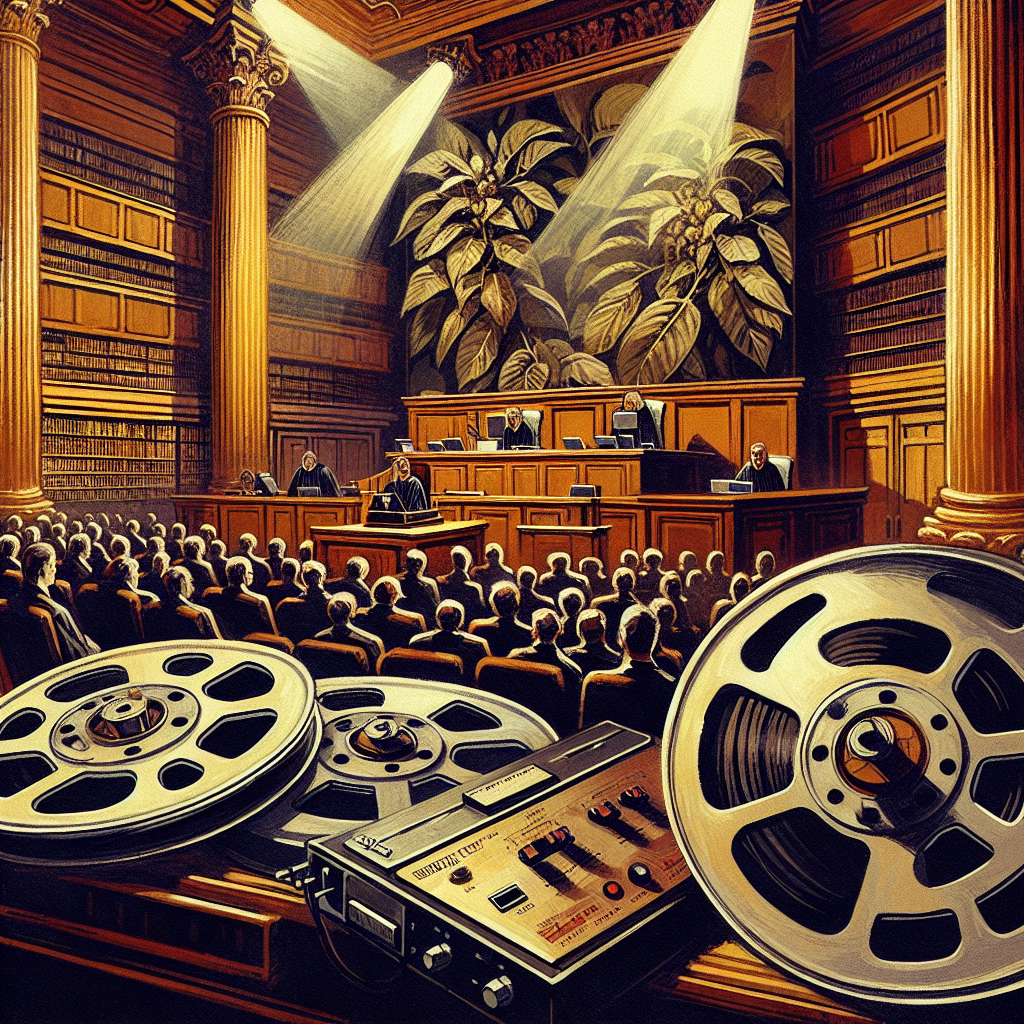
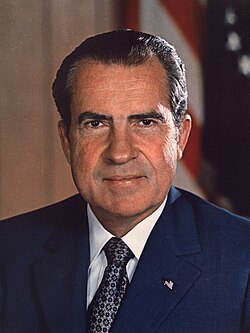
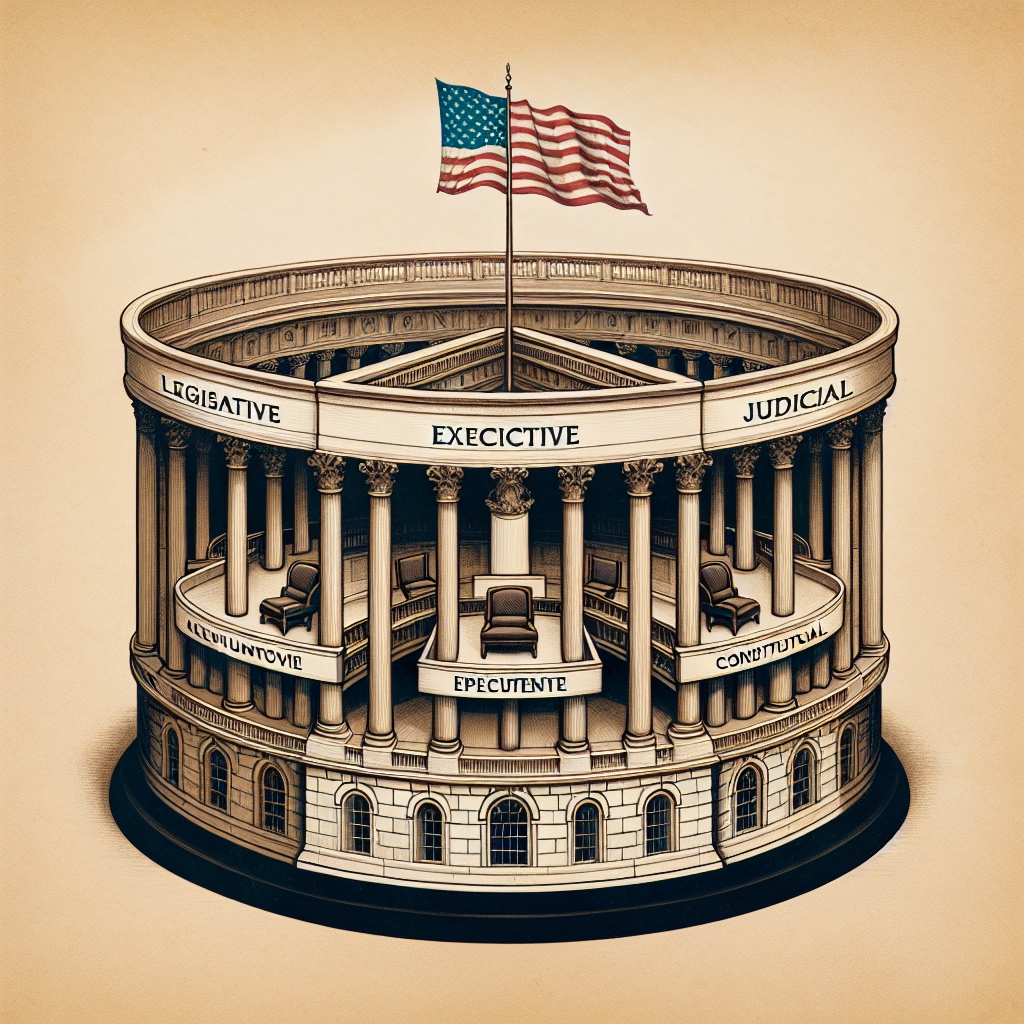
In the summer of 1974, Richard Nixon's presidency rested on a question that had never been definitively answered in American constitutional law: could a president refuse to hand over evidence subpoenaed by a federal court on the grounds of executive privilege? Nixon claimed that confidential communications between a president and his advisers were absolutely protected from judicial scrutiny — that the separation of powers meant the executive branch could not be compelled by the courts. The special prosecutor investigating Watergate had subpoenaed 64 White House tape recordings. Nixon's lawyers told him the Supreme Court would likely rule 8–0 against him. They were exactly right.
The Court's unanimous decision, written by Chief Justice Warren Burger — a Nixon appointee — held that executive privilege was a real constitutional doctrine but not an absolute one. When the president's claim of privilege was set against the demonstrated need of the criminal justice system for specific evidence in a pending trial, the privilege had to yield. The Court ordered Nixon to produce the tapes. Sixteen days later, the "smoking gun" tape was released — a recording from June 23, 1972, that proved Nixon had personally directed the Watergate cover-up six days after the break-in. His remaining congressional support collapsed within 48 hours. Nixon announced his resignation on August 8, 1974.
United States v. Nixon established two principles of lasting constitutional importance. First, it confirmed that executive privilege exists — presidents can protect some internal communications from disclosure. Second, and more consequentially, it established that no one, including the president, is above the law in a criminal proceeding. The decision has been cited in every subsequent dispute over executive privilege and presidential immunity, including the legal battles of the Clinton and Trump administrations. It remains the Supreme Court's most direct confrontation with presidential power and the clearest assertion that the rule of law applies to the office itself.
| Decided | July 24, 1974 |
| Vote | Unanimous (8–0; Rehnquist recused) |
| Author | Chief Justice Warren Burger (Nixon appointee) |
| Issue | Presidential claim of absolute executive privilege |
| Ruling | Executive privilege real but not absolute; tapes must be produced |
| Consequence | "Smoking gun" tape released; Nixon resigned August 8, 1974 |
| Legacy | No president is above the law in criminal proceedings |
| Date | July 24, 1974 |
| Location | Washington, D.C. |