Indian Territory
The land west of Arkansas set aside for removed Native nations, later absorbed into Oklahoma
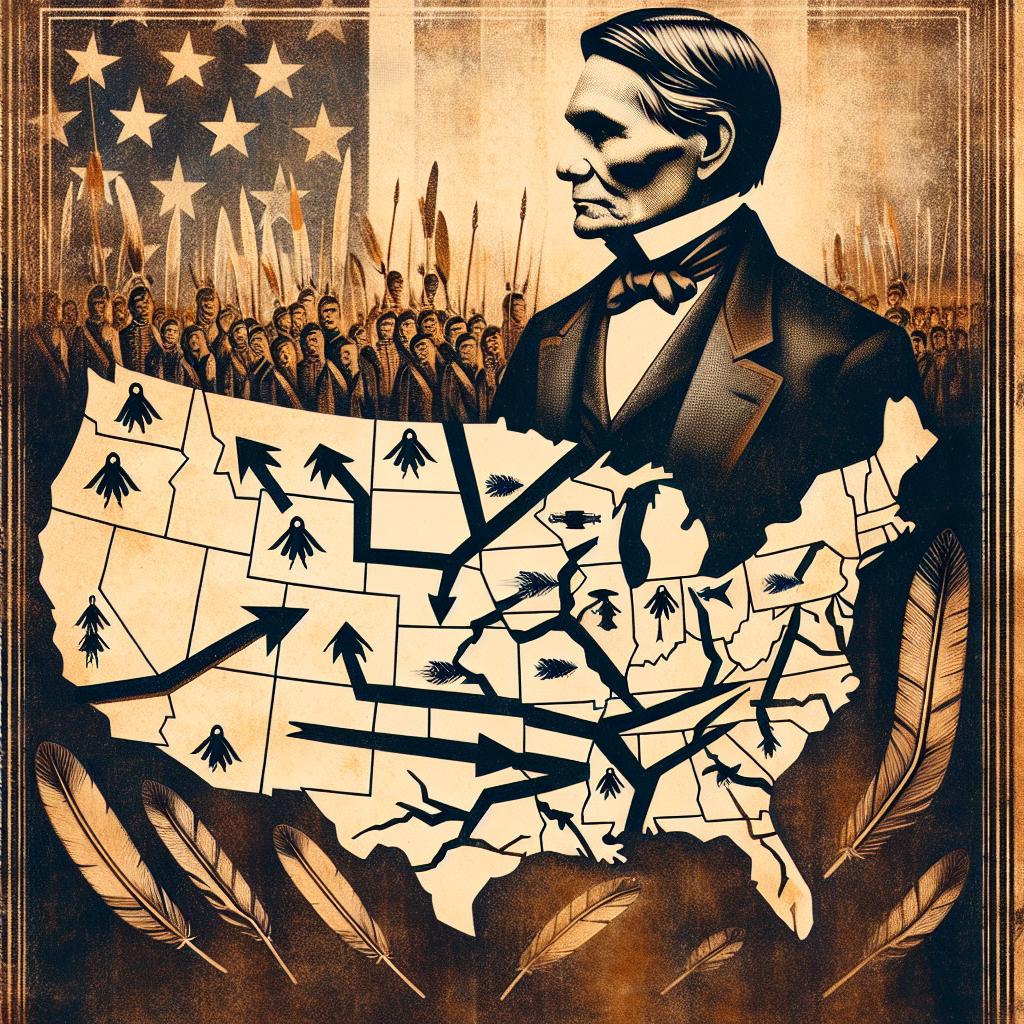
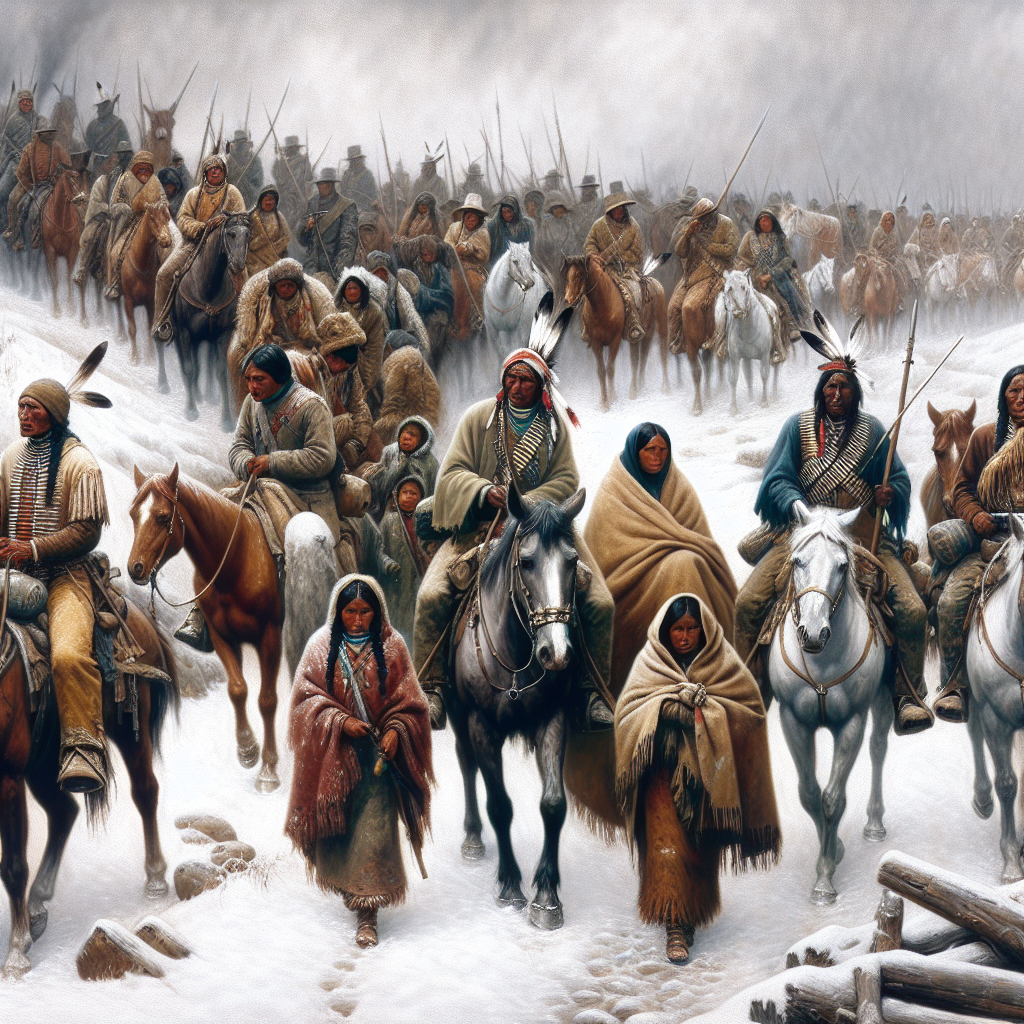
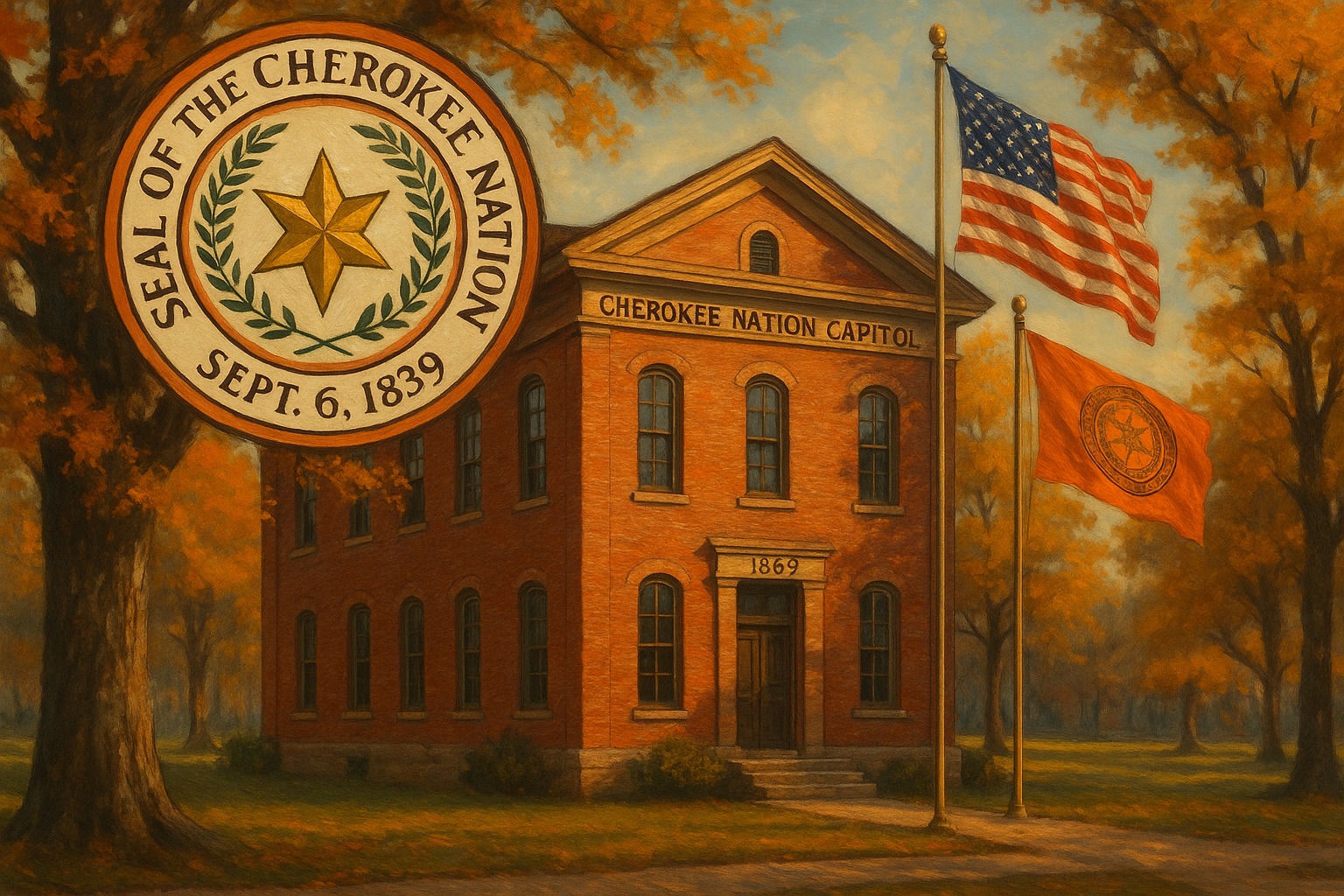
Indian Territory was the name the United States gave to land west of the Mississippi River that it set aside for Native nations forced out of the East. The idea took shape under the Indian Removal Act of 1830, and the Indian Intercourse Act of 1834 described a broad "Indian Country" beyond Missouri and Arkansas. Over the 1830s the Cherokee, Choctaw, Chickasaw, Muscogee (Creek), and Seminole nations were moved there, many of them on the deadly journeys remembered as the Trail of Tears. Unlike most American territories, it never had a territorial government appointed by Congress. Each nation ran its own affairs, with its own constitution, courts, schools, and capital, such as Tahlequah for the Cherokee and Tishomingo for the Chickasaw.
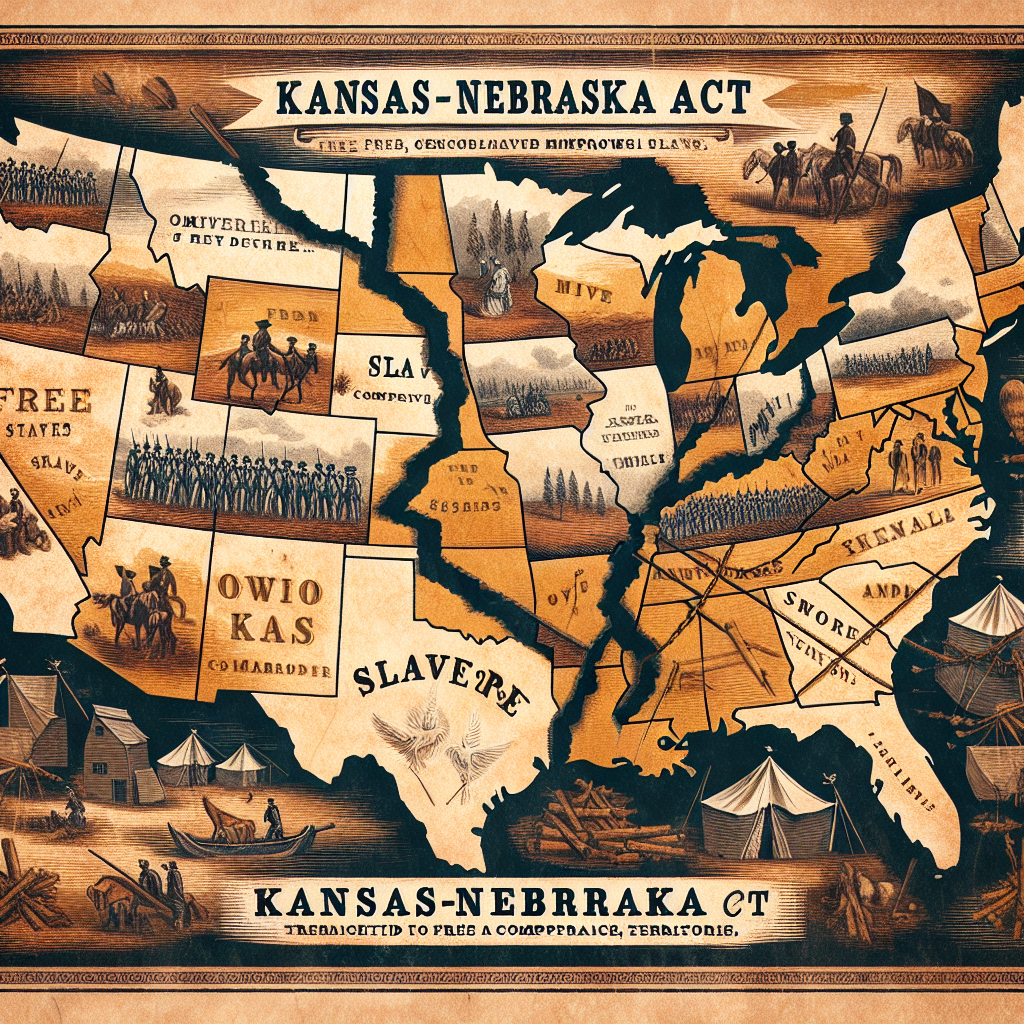
The territory shrank steadily. The Kansas-Nebraska Act of 1854 opened the northern part of the old Indian Country to white settlement, leaving a core roughly matching present-day Oklahoma. During the Civil War several of the nations signed treaties with the Confederacy, and the United States used that as grounds for new treaties in 1866 that took their western lands and allowed railroads through. Dozens of other tribes, including the Osage, Pawnee, Cheyenne, and Arapaho, were later placed on reservations in the west. Settlers known as Boomers pressed to open the region, and on April 22, 1889, the government held the first land run into the Unassigned Lands. In 1890 the western half became Oklahoma Territory, leaving the "Twin Territories" side by side.
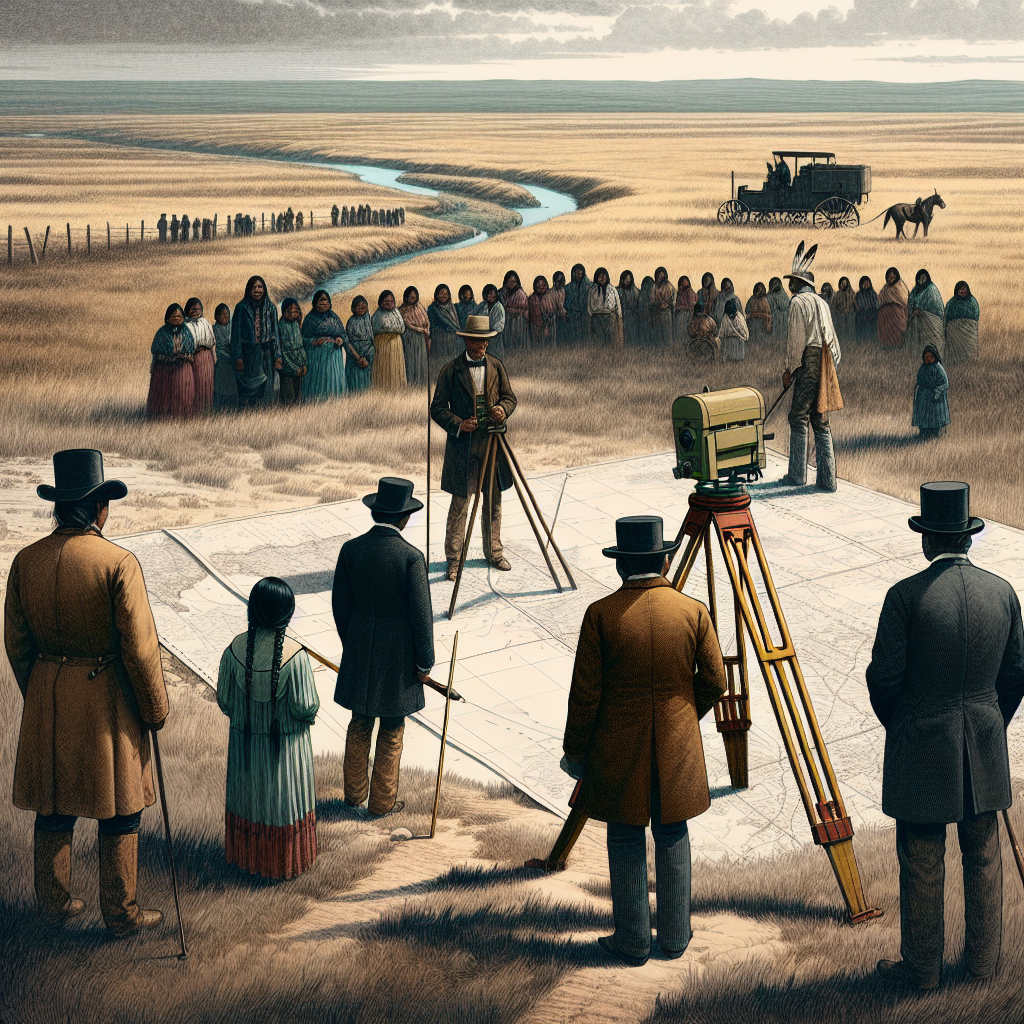
Federal policy then turned to breaking up tribal land. The Dawes Commission, formed in 1893, enrolled citizens of the Five Tribes and divided communal land into individual allotments, and the Curtis Act of 1898 stripped tribal governments of much of their authority. Leaders of the nations proposed a separate Native-led state called Sequoyah at a 1905 convention in Muskogee, but Congress refused. On November 16, 1907, Indian Territory and Oklahoma Territory were joined as the state of Oklahoma. The question of what remained of tribal sovereignty did not end there. In McGirt v. Oklahoma (2020), the Supreme Court ruled that the Muscogee reservation had never been formally abolished for purposes of federal criminal law.