Dakota Territory
Northern Plains territory of 1861–1889, split into North and South Dakota
Dakota Territory was organized by an act of Congress signed on March 2, 1861, two days before Abraham Lincoln took office. It took its name from the Dakota people, one of the three main divisions of the Sioux, and at first stretched across a huge area that included most of present-day Montana and Wyoming as well as the two Dakotas. Its capital was Yankton, a small river town on the Missouri. The creation of Idaho Territory in 1863 and Wyoming Territory in 1868 cut Dakota down to roughly the shape of the two modern states. In its early years it had few settlers, and its population was concentrated in the southeast corner along the Missouri and Big Sioux rivers.
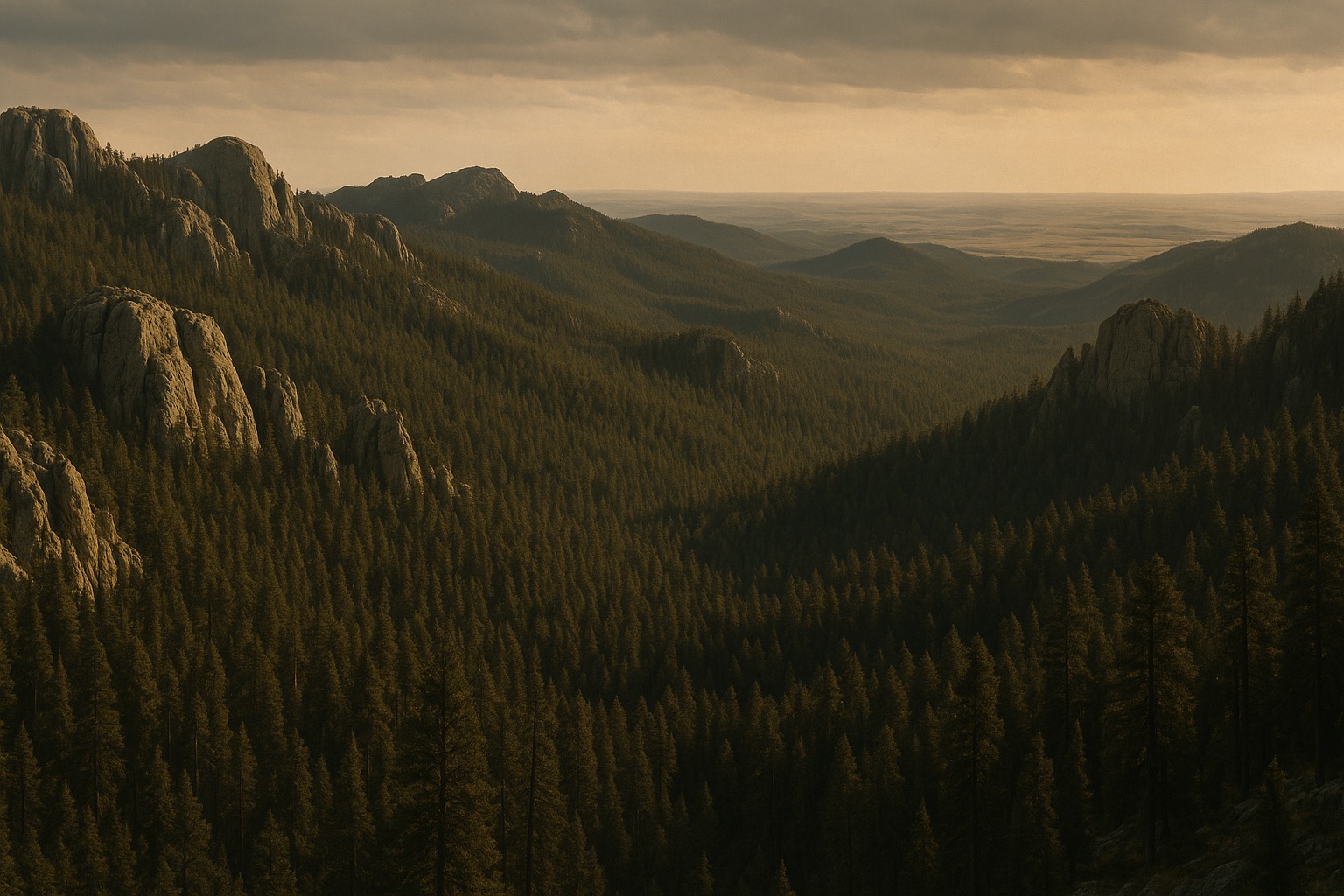
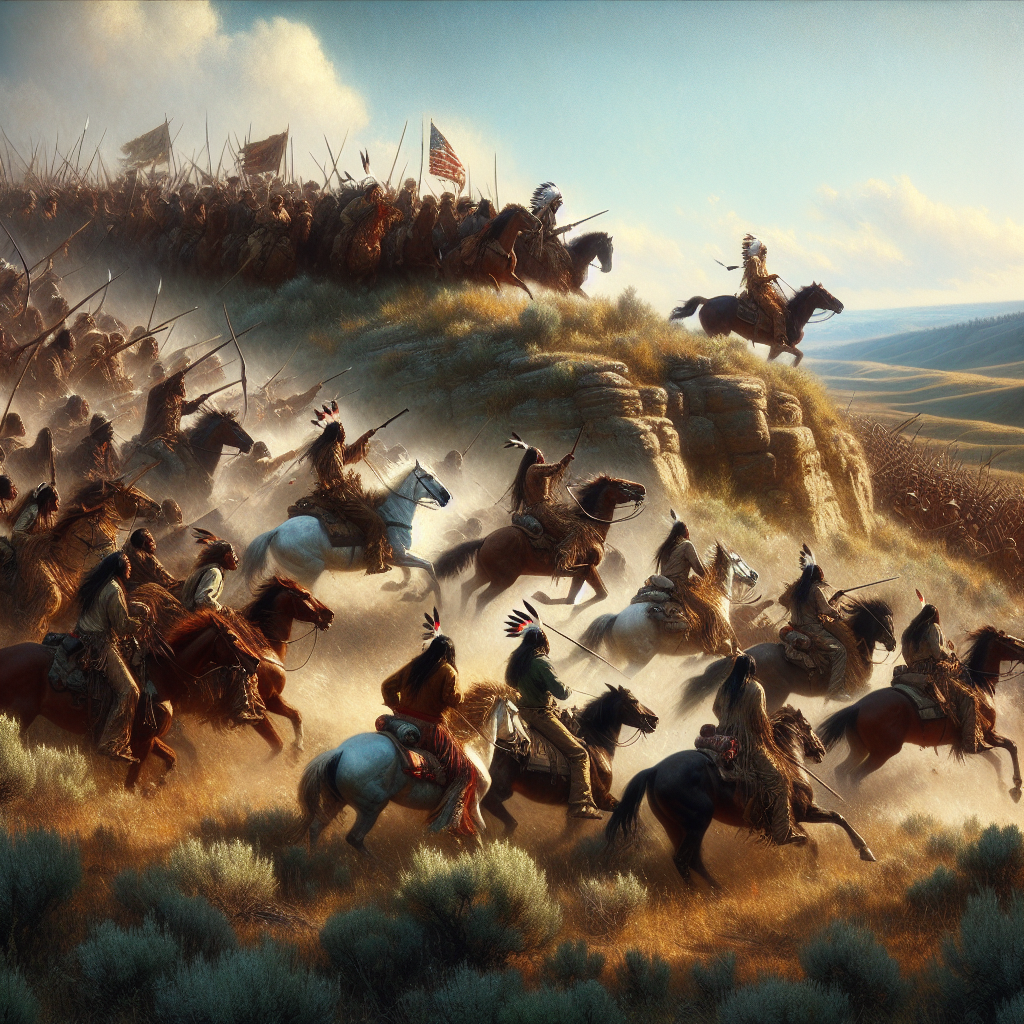
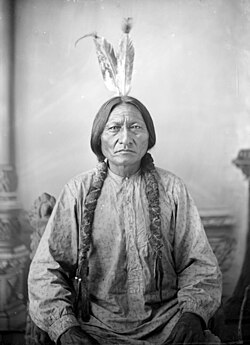
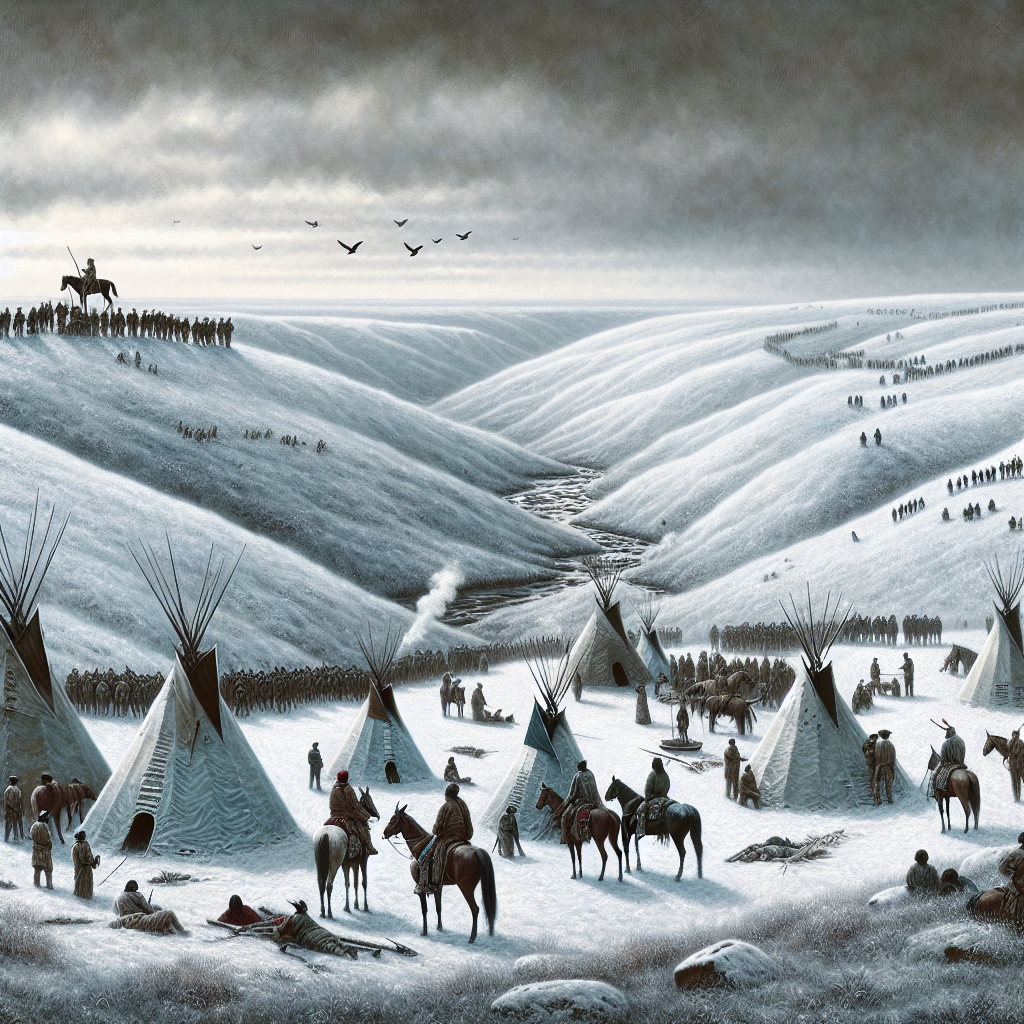
Much of the territory's history was shaped by conflict with the Lakota and other Sioux nations. The Fort Laramie Treaty of 1868 recognized a Great Sioux Reservation covering western Dakota, including the Black Hills. In 1874 an Army expedition led by George Armstrong Custer reported gold in the Black Hills, and miners poured in, founding towns such as Deadwood in violation of the treaty. The government's attempt to force the Lakota onto smaller reservations led to the Great Sioux War, including the defeat of Custer's command at the Little Bighorn in Montana Territory in June 1876. In 1877 Congress took the Black Hills, a seizure the Supreme Court later found unlawful in 1980.
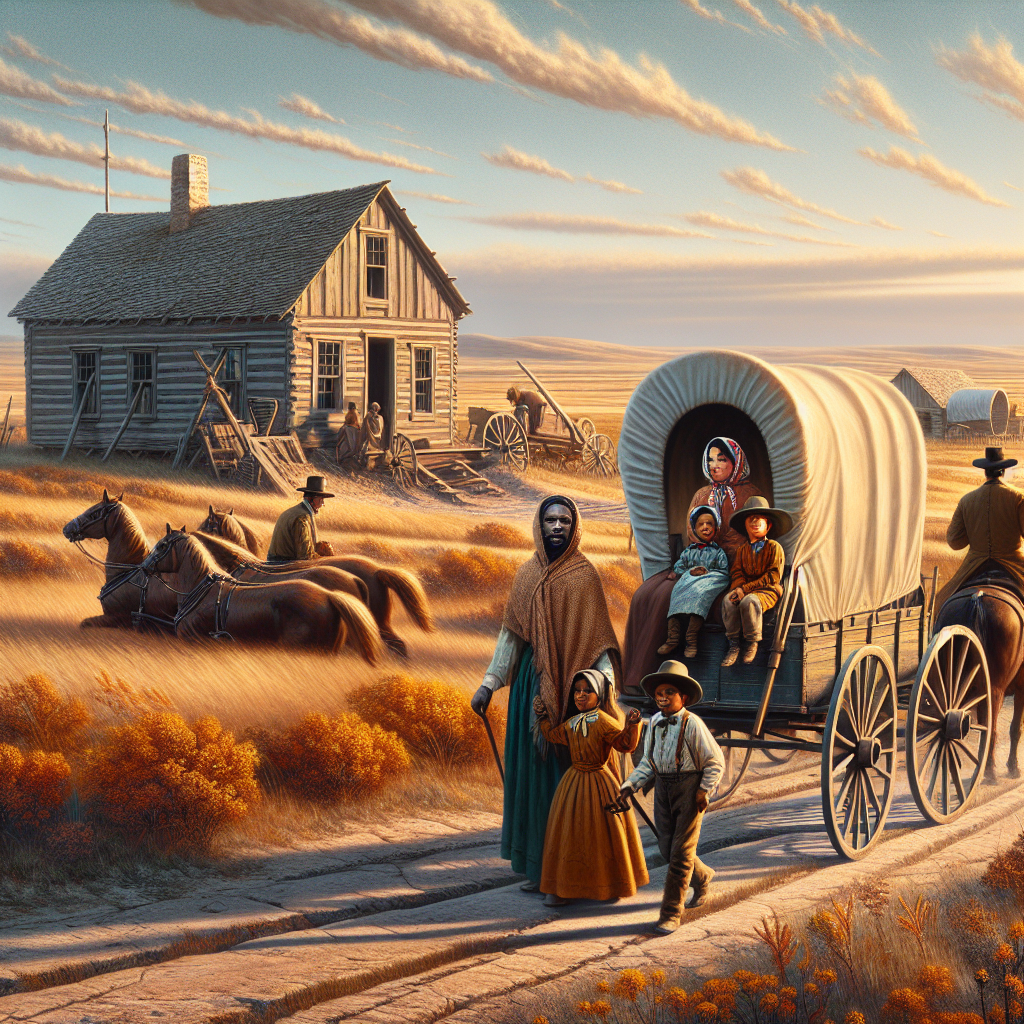
Railroads changed the territory quickly. The Northern Pacific reached Bismarck in 1873, and in the "Great Dakota Boom" of roughly 1878 to 1886 hundreds of thousands of settlers arrived, many claiming land under the Homestead Act. Huge "bonanza farms" grew wheat in the Red River Valley. Bismarck replaced Yankton as capital in 1883. Residents argued over whether to enter the Union as one state or two, and Congress chose two in the Enabling Act of 1889. On November 2, 1889, President Benjamin Harrison signed proclamations admitting North Dakota and South Dakota, shuffling the papers so no one would know which came first. North Dakota is listed as the 39th state and South Dakota as the 40th by alphabetical order.
Related entries
Across the Brief network
People in this entry, on BriefPeople