The American Federation of Labor (AFL-CIO)
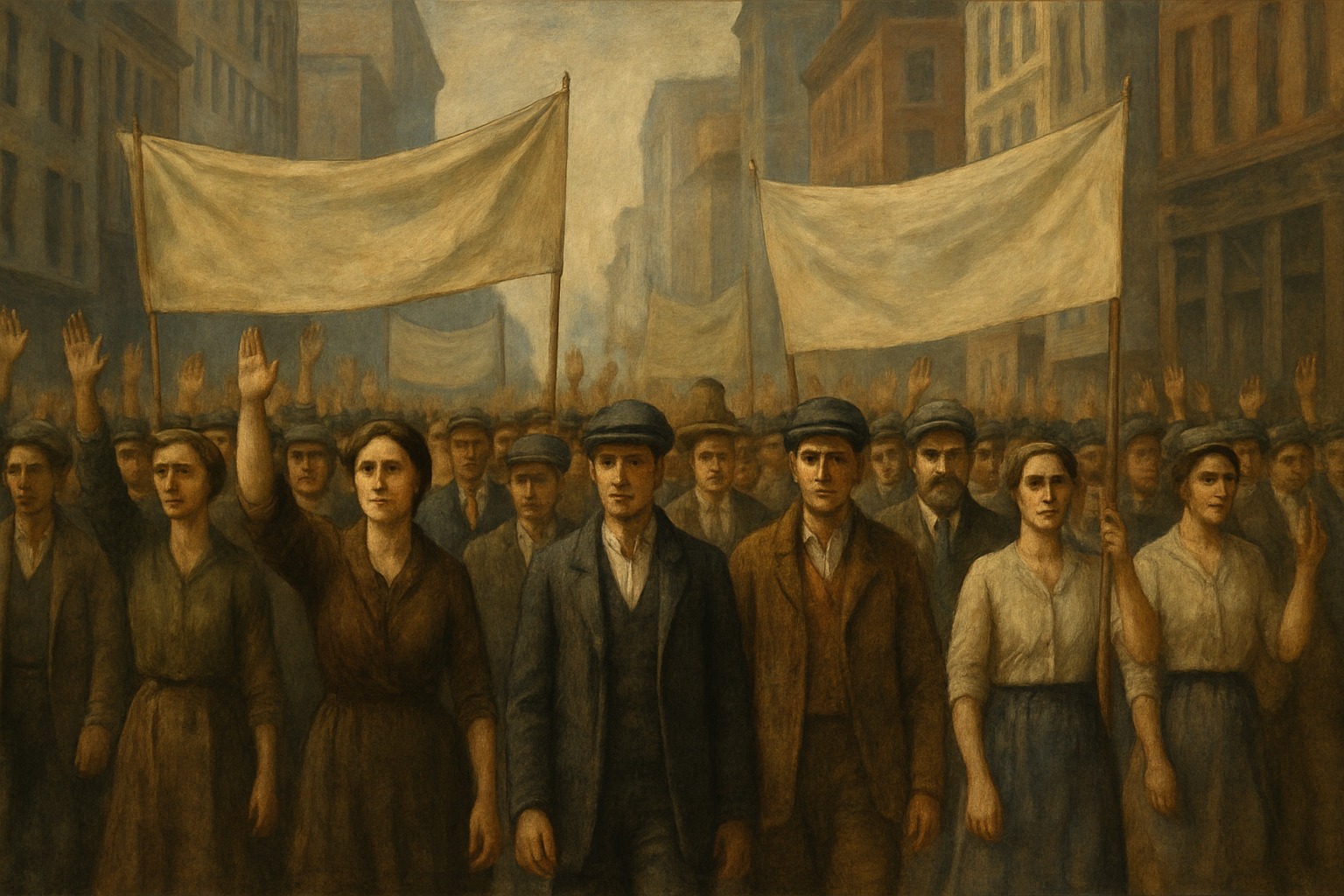
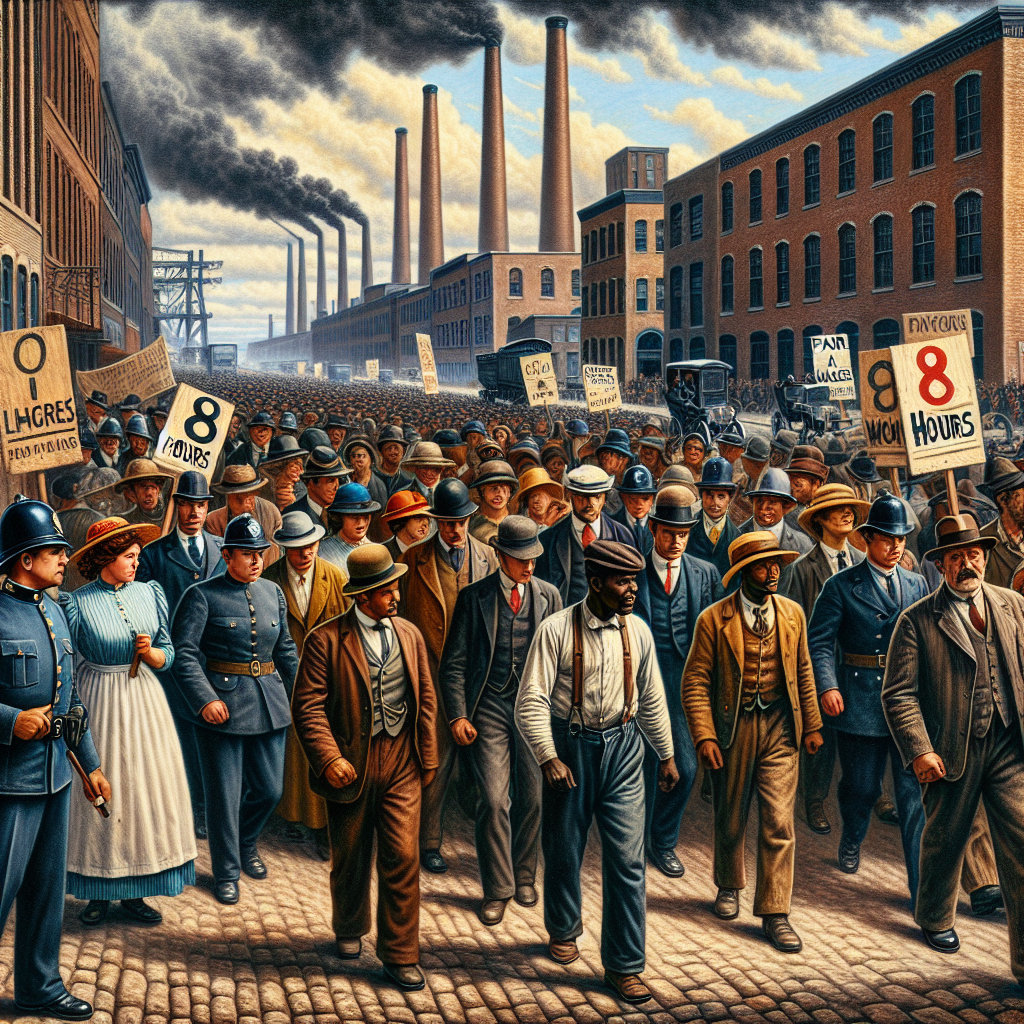
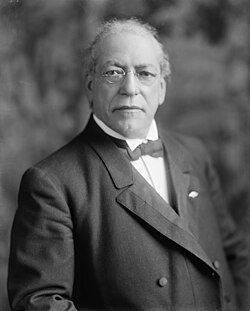
When Samuel Gompers helped found the American Federation of Labor in 1886, he built it on a hard-headed philosophy he called pure and simple unionism. Rather than chase political revolution or utopian schemes, the AFL would organize skilled workers by craft and fight for concrete gains — higher wages, shorter hours, better conditions. It was a deliberate rejection of the broader, more radical labor movements of the day, and its pragmatism helped it survive where they collapsed.
That focus on skilled tradesmen was also the federation's great limitation. By organizing carpenters, cigar makers, and machinists into separate craft unions, the AFL largely left out the unskilled masses of the new factories, and its ranks were often closed to Black workers, women, and recent immigrants. It defined labor's mainstream for decades, but it spoke for a minority of the workforce and drew fire from rivals — the Knights of Labor before it, the radical Industrial Workers of the World alongside it — who wanted to organize everyone.
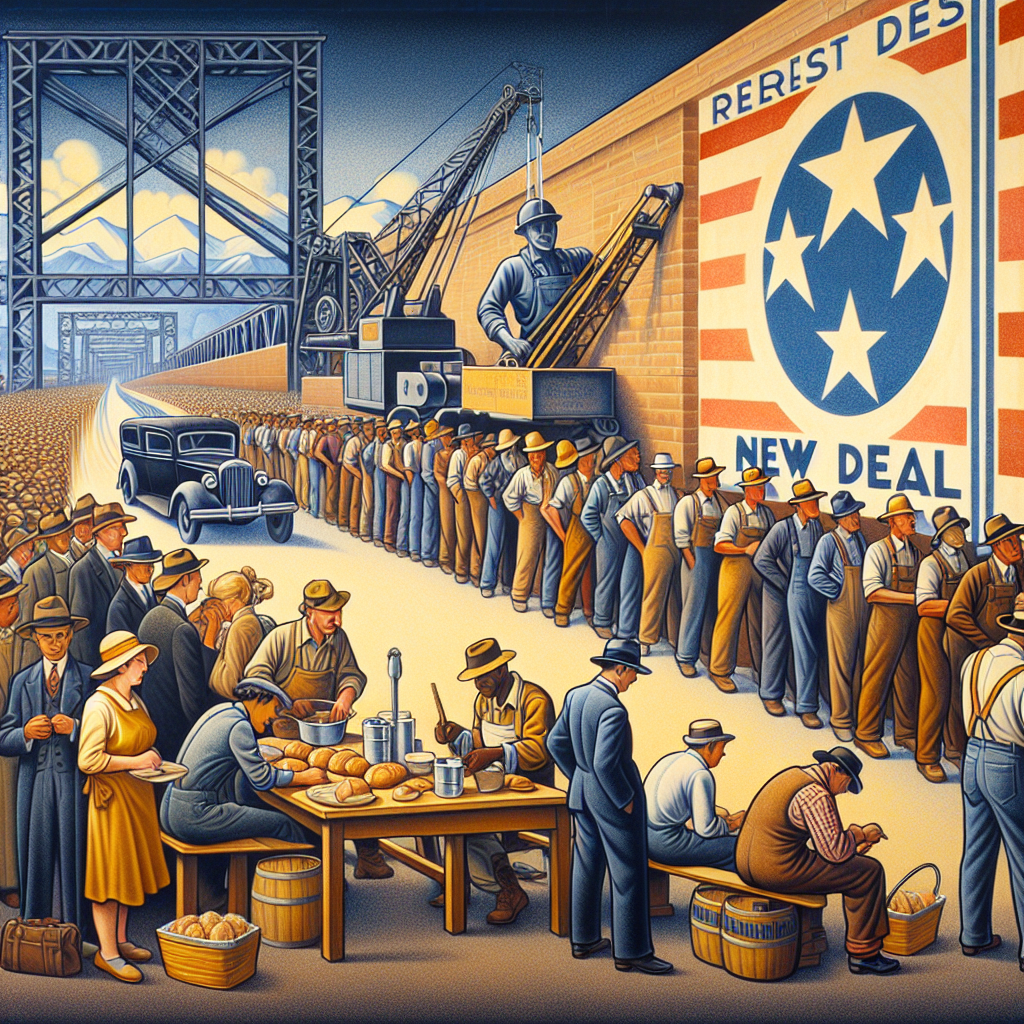
The pressure to organize the great mass-production industries finally split the movement. In 1935 John L. Lewis and others broke away to form the Congress of Industrial Organizations, which signed up steel, auto, and rubber workers by the industry rather than the craft, and won landmark victories in the New Deal years. For twenty years the AFL and CIO competed, until in 1955 they merged under George Meany into the AFL-CIO, uniting most of American organized labor under one banner.
At mid-century the AFL-CIO stood near the peak of labor's power, a political force that helped elect presidents and shape the Great Society. The decades since brought a long decline, as manufacturing shrank, the law tilted against organizing, and union membership fell as a share of the workforce. Still the AFL-CIO endures as the principal federation of American unions, the institutional voice of a labor movement whose fortunes have risen and fallen with the working class it represents.
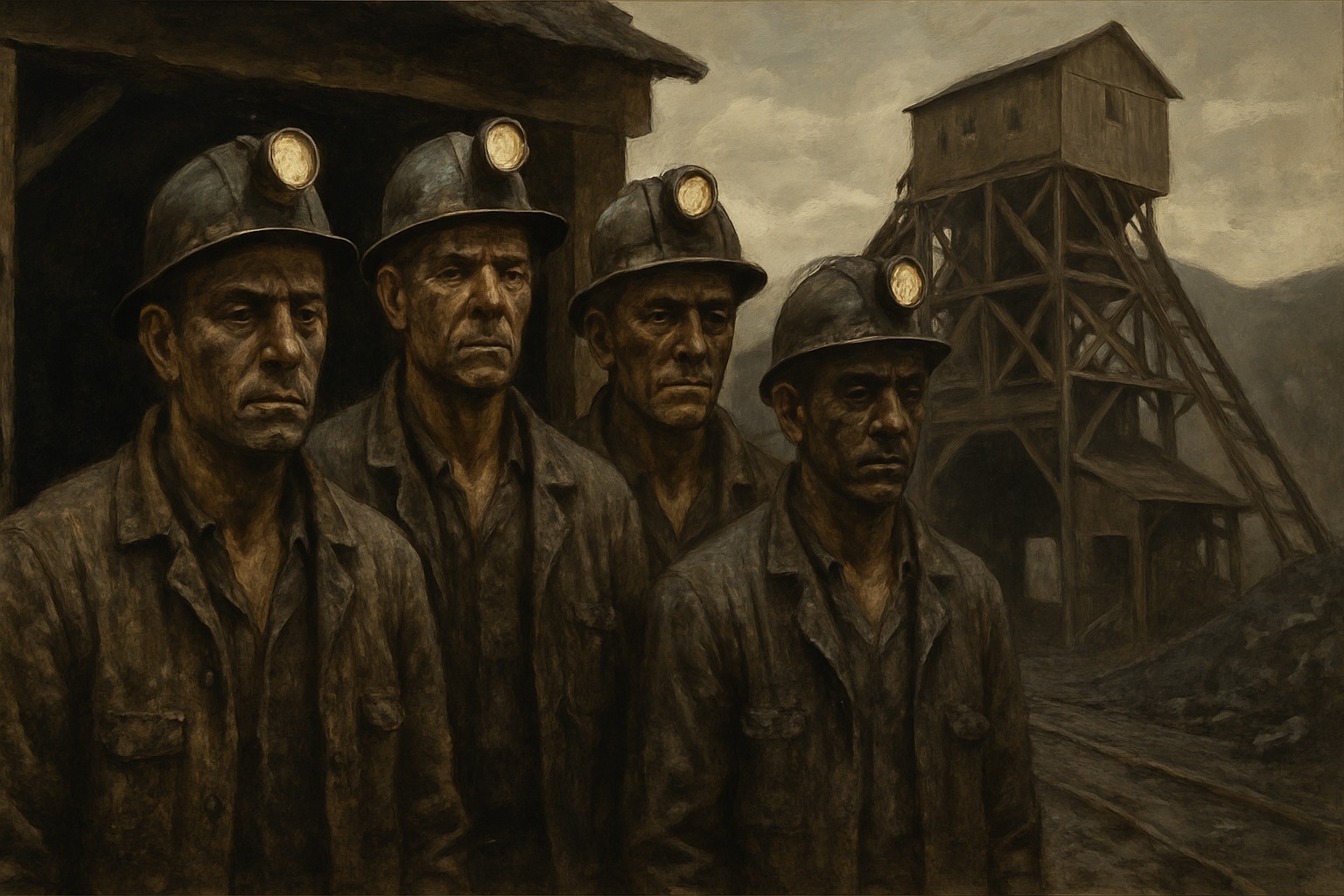
| Founded | 1886 (AFL) |
| Founder | Samuel Gompers |
| Philosophy | "Pure and simple unionism" — wages, hours, conditions |
| Structure | Craft unions of skilled workers |
| CIO split | 1935 (industrial unionism, John L. Lewis) |
| Merger | 1955 — AFL-CIO under George Meany |
| Date | Founded 1886 |
| Location | Washington, D.C. |