Joseph Pulitzer
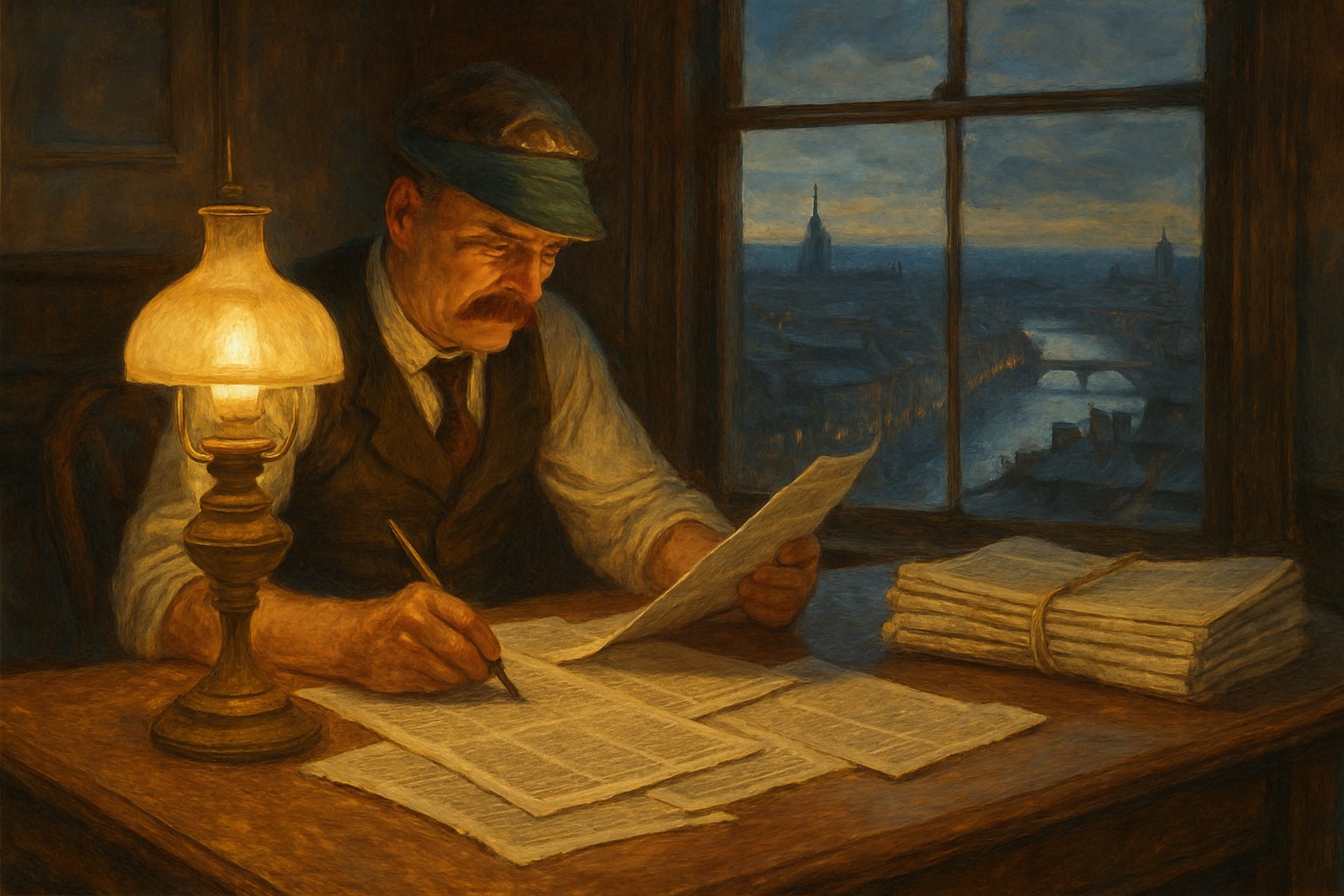
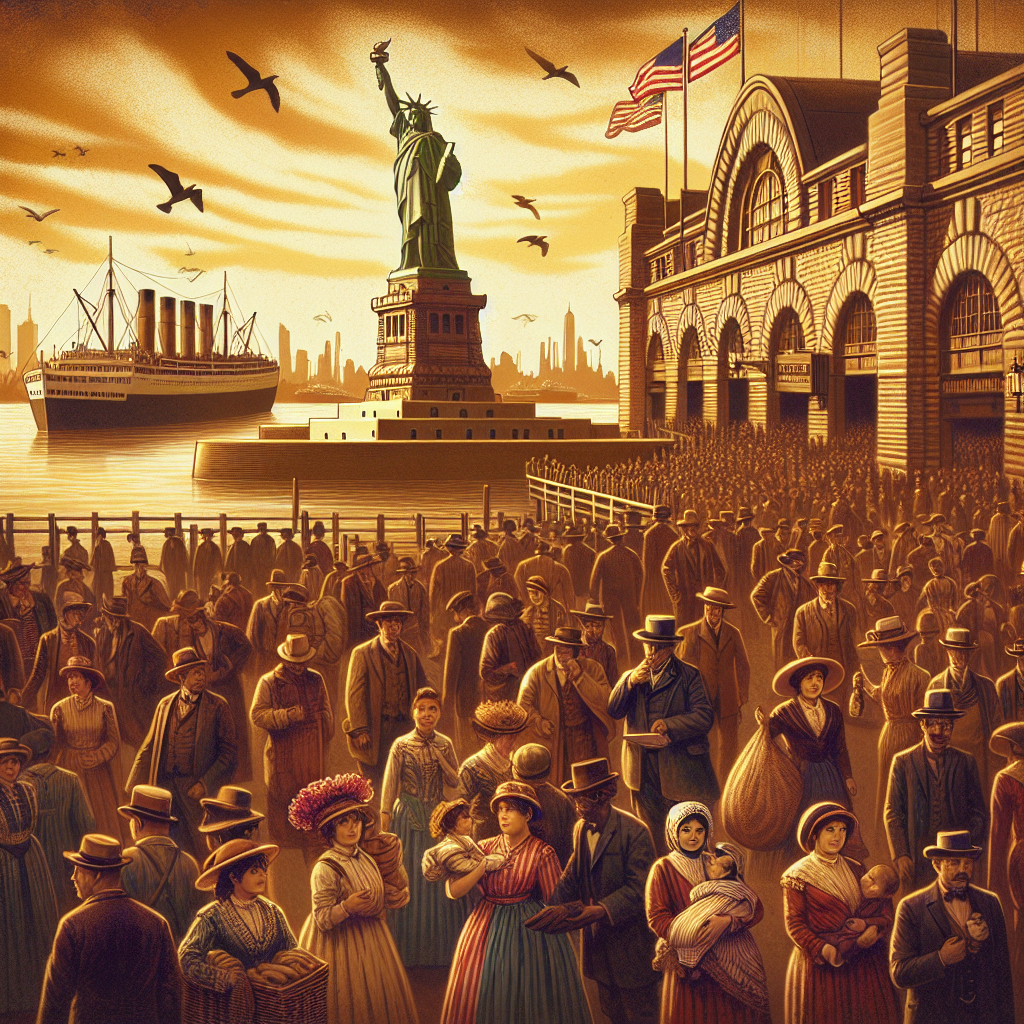
He arrived in America in 1864 as a seventeen-year-old Hungarian with weak eyes and no English, recruited in Europe as a substitute soldier for the Union Army and mustered out the next year with nothing. Rejected for work in New York, Joseph Pulitzer went west to St. Louis, where there was a large German-speaking population, and took jobs as a mule tender, waiter, and law clerk before the German-language Westliche Post hired him as a reporter. He was relentless enough that the paper eventually made him part owner.
In 1878 he bought the failing St. Louis Dispatch at a sheriff's auction and merged it with the Post, creating the Post-Dispatch and with it the formula he carried east — investigate the tax rolls, name the gamblers and the officials protecting them, and print the results in a plain style aimed at people who had not gone to college. In 1883 he bought the New York World from the financier Jay Gould and applied the same method to a city of two million where most of the poor were immigrants like himself.
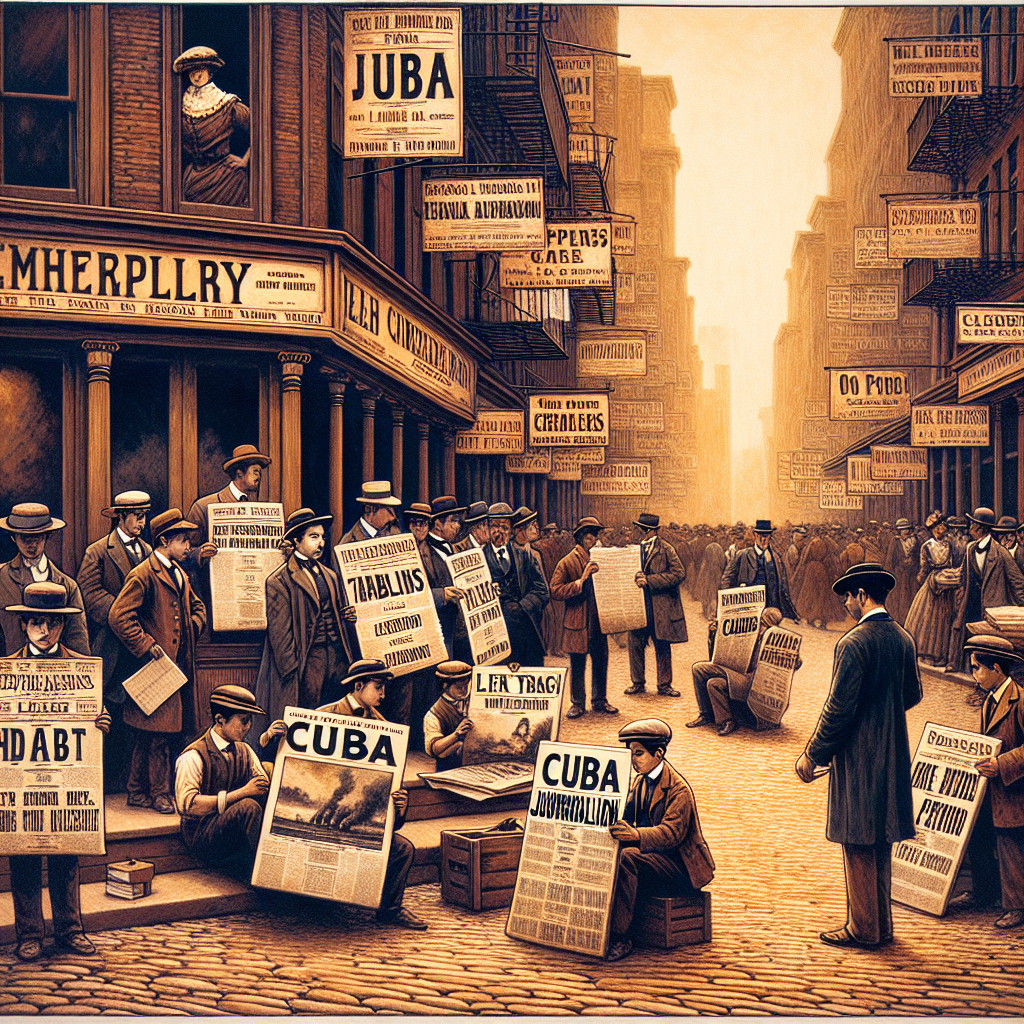
The World combined two things usually thought incompatible. It ran genuine crusades — Nellie Bly committing herself to the Blackwell's Island asylum to expose it, a popular subscription drive in 1885 that raised the pedestal money for the Statue of Liberty from more than a hundred thousand small donors, campaigns against slum landlords and insurance fraud. It also ran screaming headlines, stunts, crime in detail, and comics. When William Randolph Hearst bought the New York Journal in 1895 and began buying away his staff, the two papers escalated into a circulation war whose excesses were named yellow journalism after a comic strip both papers claimed.
Pulitzer lost his sight in his forties and spent his last two decades directing the paper by dictated memoranda from a soundproofed room or a yacht, tormented by noise. His will left roughly two million dollars to Columbia University to found a school of journalism and to endow a set of prizes — an attempt, historians generally read it, to convert a fortune made partly by sensationalism into the professional standards he had also insisted on. The school opened in 1912 and the prizes were first awarded in 1917.

| Born | 1847, Mako, Hungary |
| Arrived | United States, 1864, as a Union Army substitute |
| Built | The St. Louis Post-Dispatch, 1878 |
| Bought | The New York World, 1883, from Jay Gould |
| Rival | William Randolph Hearst, from 1895 |
| Bequest | Columbia journalism school (1912) and the Pulitzer Prizes (1917) |
| Date | 1847-1911 |
| Location | New York City |