William Randolph Hearst
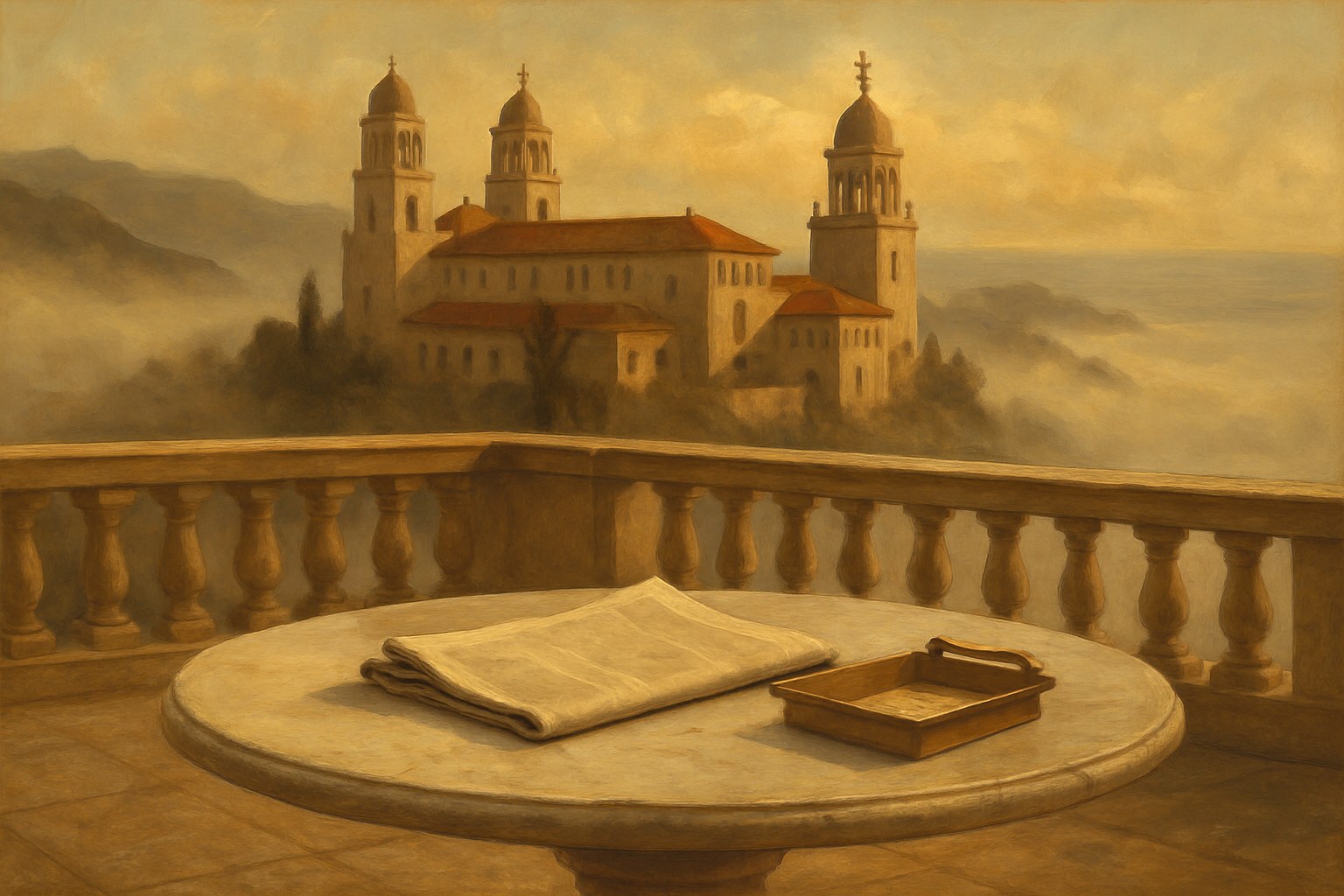
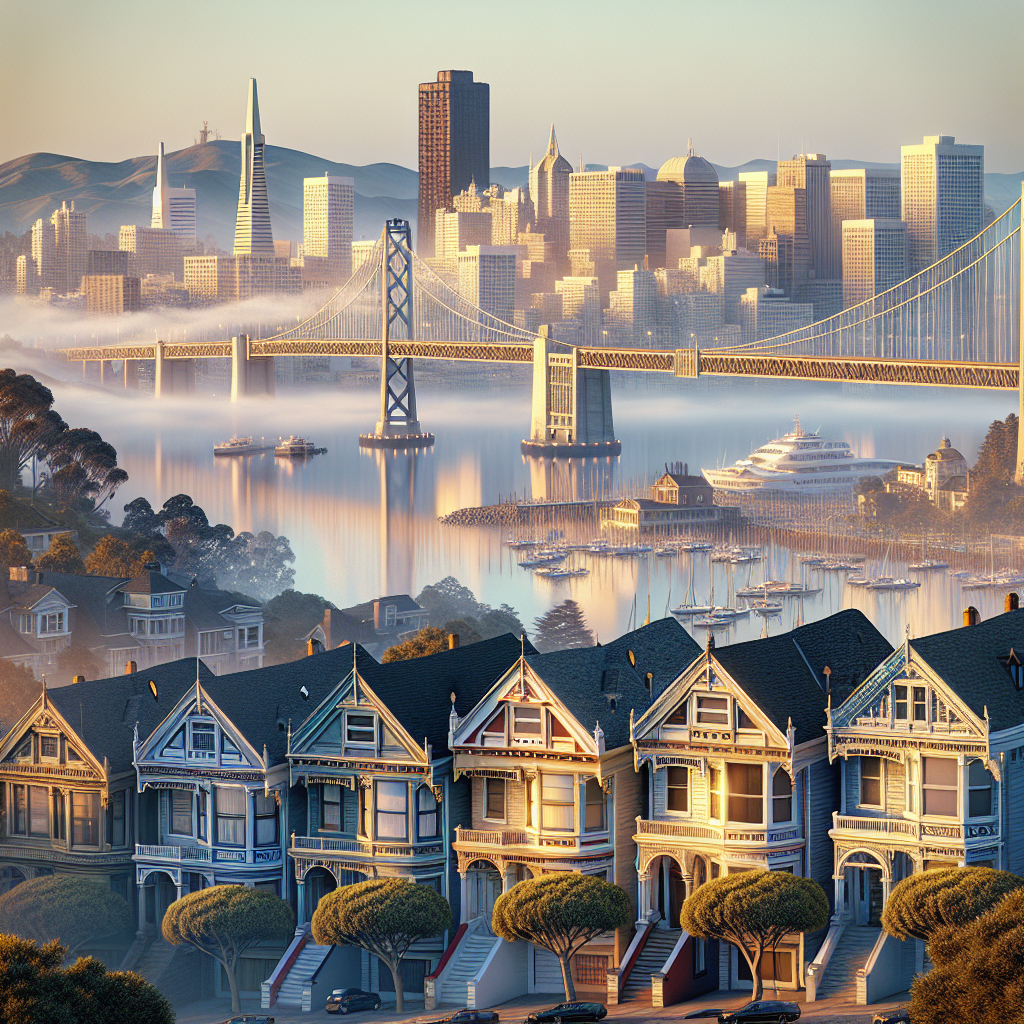
Where Joseph Pulitzer built from nothing, William Randolph Hearst began with a mining fortune. Born in San Francisco in 1863, the only son of the silver millionaire and senator George Hearst, he was expelled from Harvard and in 1887 asked his father for the San Francisco Examiner, a paper the family had taken in payment of a debt. He poured money into it, hired the best writers he could buy, and turned a losing sheet into the dominant paper on the West Coast within a few years.
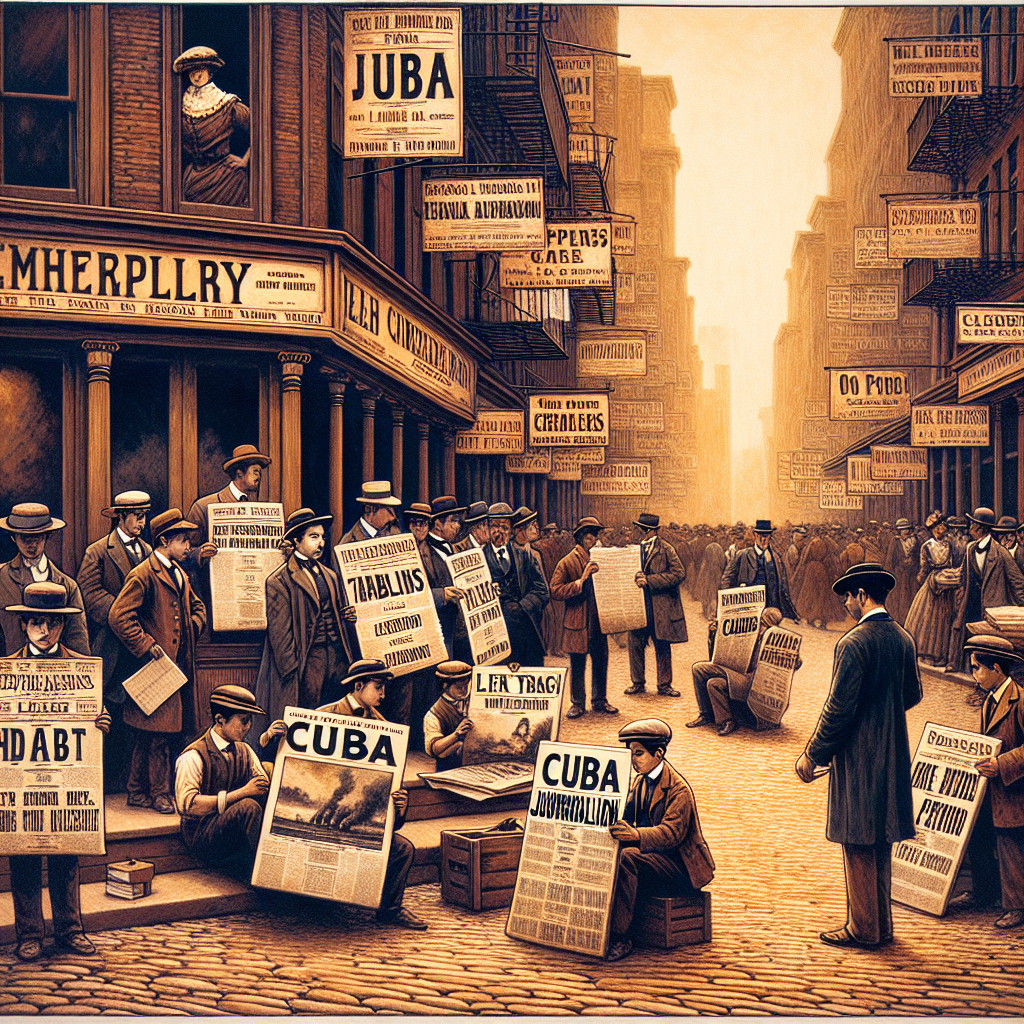
In 1895 he bought the New York Morning Journal and went after Pulitzer directly, cutting the price to a penny and hiring away the World's staff outright, including the cartoonist Richard Outcault, whose Yellow Kid strip ran in both papers and gave the resulting style its name. The Hearst method was money applied to spectacle — enormous headlines, illustrations, crusades, stunts, and reporting that ran ahead of what was known. Circulation on both sides passed a million.
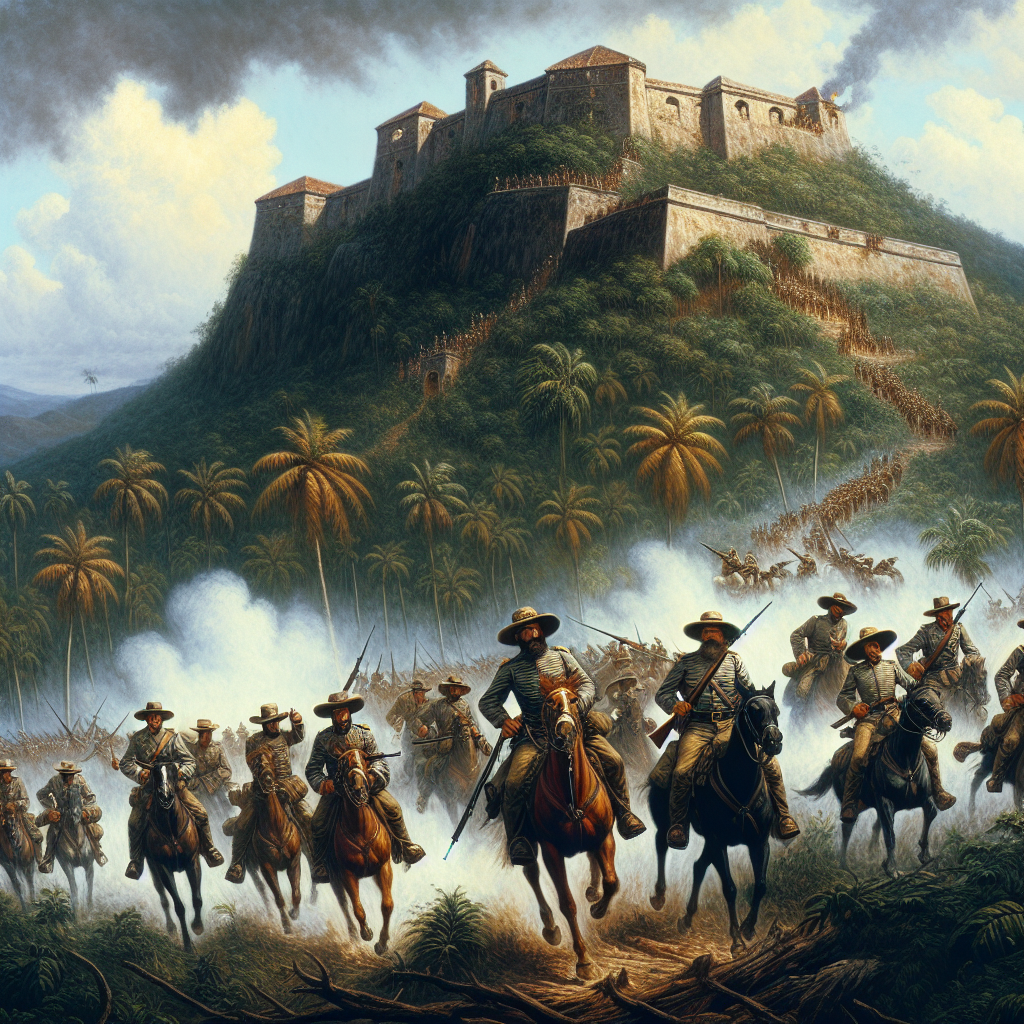
The Cuban insurrection against Spain was the great test case. The Journal ran atrocity stories, printed the stolen De Lome letter mocking President McKinley, and after the battleship Maine exploded in Havana harbor in February 1898 declared it sabotage before any inquiry had reported. The famous exchange in which Hearst supposedly cabled the artist Frederic Remington that he should furnish the pictures and Hearst would furnish the war is not documented — it appears in a 1901 memoir by the journalist James Creelman, no such telegram has ever been produced, and Hearst denied it. Historians also generally judge that the yellow press inflamed opinion without deciding a war that Congress and the administration drove.
Hearst's ambitions outran his results. He served two terms in Congress, lost races for mayor of New York and governor, and was never seriously in reach of the presidency he wanted. His chain grew to nearly thirty papers plus magazines and newsreels, and his politics moved from populist to fiercely anti-New Deal. He built the hilltop estate at San Simeon with the architect Julia Morgan and filled it with imported European art. In 1941 Orson Welles released Citizen Kane, an unmistakable if fictionalized portrait — Hearst worked to suppress it, and the film became the more lasting version of him.
| Born | 1863, San Francisco |
| First paper | The San Francisco Examiner, 1887 |
| New York | Bought the Morning Journal, 1895 |
| Quote | The "you furnish the pictures" telegram is undocumented |
| Politics | Two terms in Congress, defeated for mayor and governor |
| Estate | San Simeon, designed by Julia Morgan |
| Date | 1863-1951 |
| Location | San Simeon, California |