St. Louis

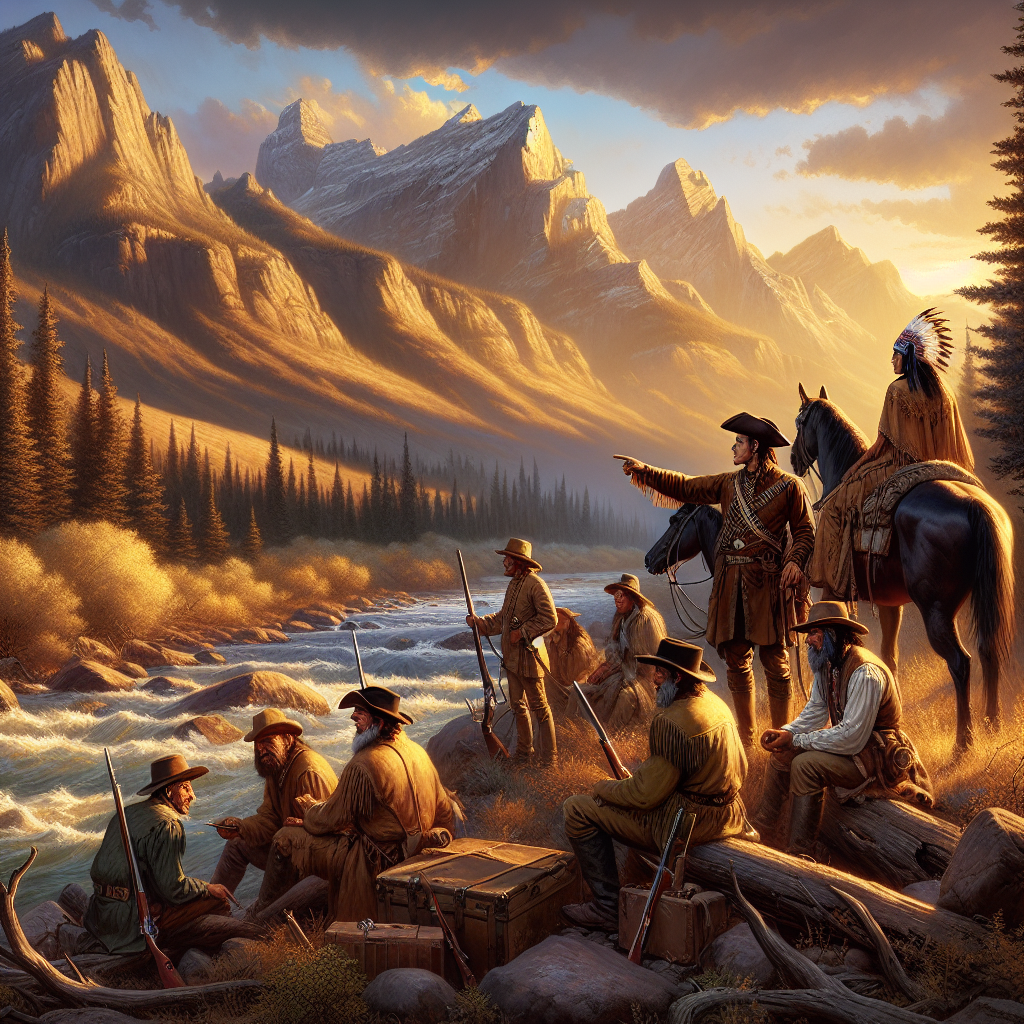
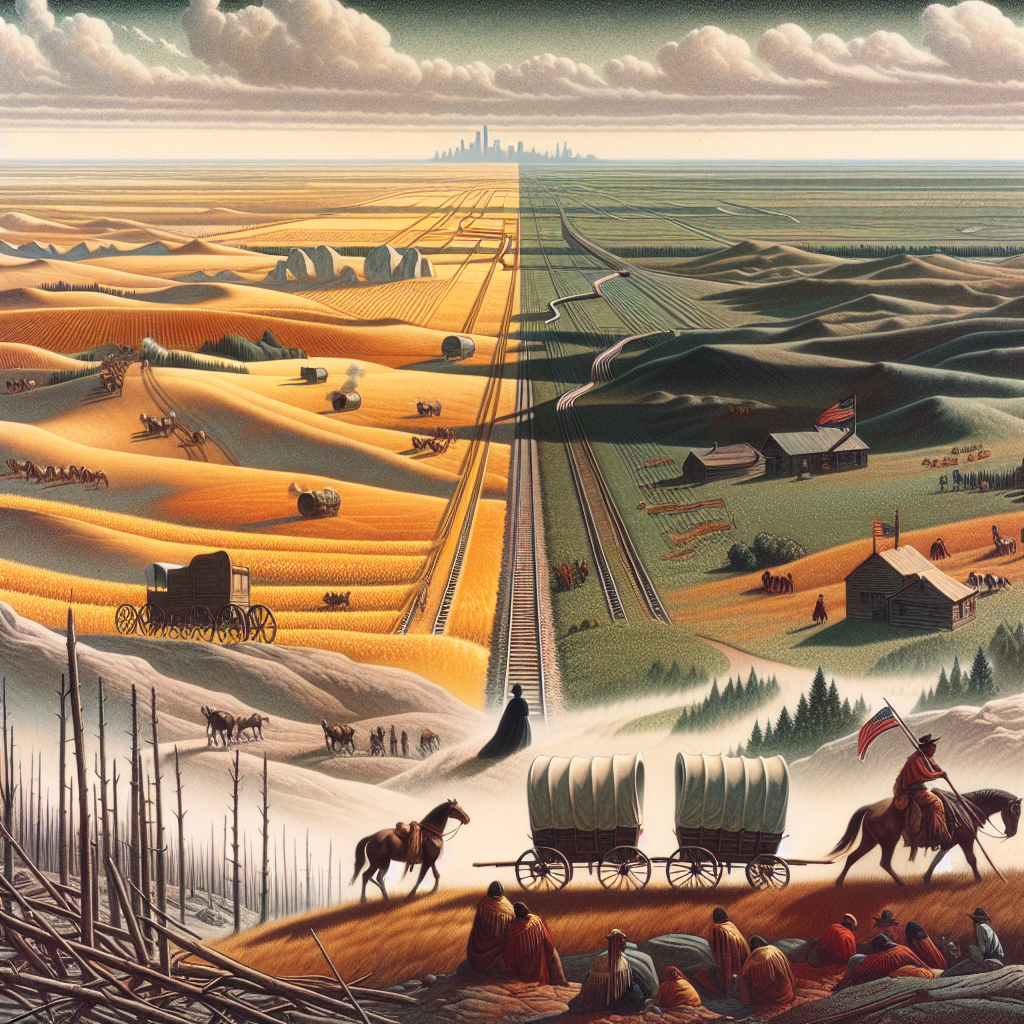
St. Louis sits at the confluence of the Missouri and Mississippi rivers, and for most of the 19th century that geography made it the most strategically important interior city in North America. Lewis and Clark departed from its outskirts in May 1804 at the start of the Corps of Discovery expedition. The fur trade, the Santa Fe Trail, the Oregon Trail, and the California gold rush all funneled through St. Louis, which billed itself with complete accuracy as the Gateway to the West. By 1850 it was the fourth-largest city in the United States, and its position as the jumping-off point for continental expansion seemed to guarantee its dominance of the American interior.
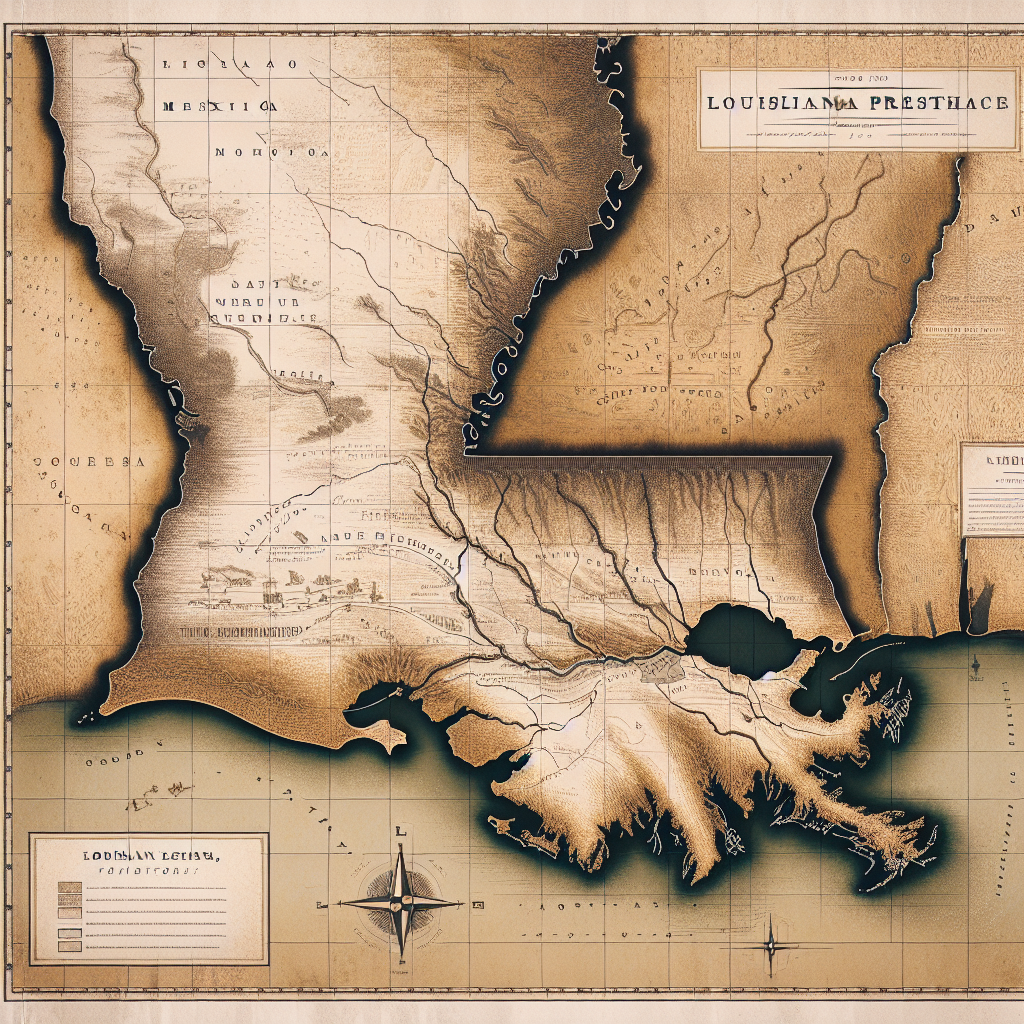
The city's fate turned on the railroads. Chicago, rather than St. Louis, became the hub of the emerging rail network in the 1850s and 1860s, partly because St. Louis businessmen resisted bridging the Mississippi — fearing competition from the eastern shore — until it was too late to catch up. By the turn of the century Chicago had surpassed St. Louis decisively and permanently. The 1904 World's Fair, which St. Louis hosted to celebrate the centennial of the Louisiana Purchase, was a last great assertion of civic ambition, attracting 20 million visitors and introducing the ice cream cone and the hot dog bun to the American diet.
The Dred Scott case, one of the most consequential and catastrophic Supreme Court decisions in American history, originated in St. Louis: Scott had sued for his freedom in the St. Louis Circuit Court in 1846, and the case worked its way through the system until Chief Justice Roger Taney's 1857 ruling that Black Americans had no constitutional rights and that Congress had no authority to restrict slavery in the territories. The Gateway Arch, completed in 1965, stands on the St. Louis riverfront as the nation's tallest monument — a sleek modern structure memorializing the westward expansion whose human costs the city's history contains as fully as any.


| Founded | 1764, by French traders |
| State | Missouri |
| Nickname | Gateway to the West |
| Lewis & Clark | Corps of Discovery departed nearby, May 1804 |
| Dred Scott | Suit for freedom filed in St. Louis Circuit Court, 1846 |
| 1904 World's Fair | Louisiana Purchase Exposition — 20 million visitors |
| Gateway Arch | Completed 1965 — tallest monument in the United States |
| Population | Approximately 301,000 city; 2.8 million metro (2020) |
| Years | 1764 |
| Location | St. Louis, Missouri |