The Supreme Court of the United States
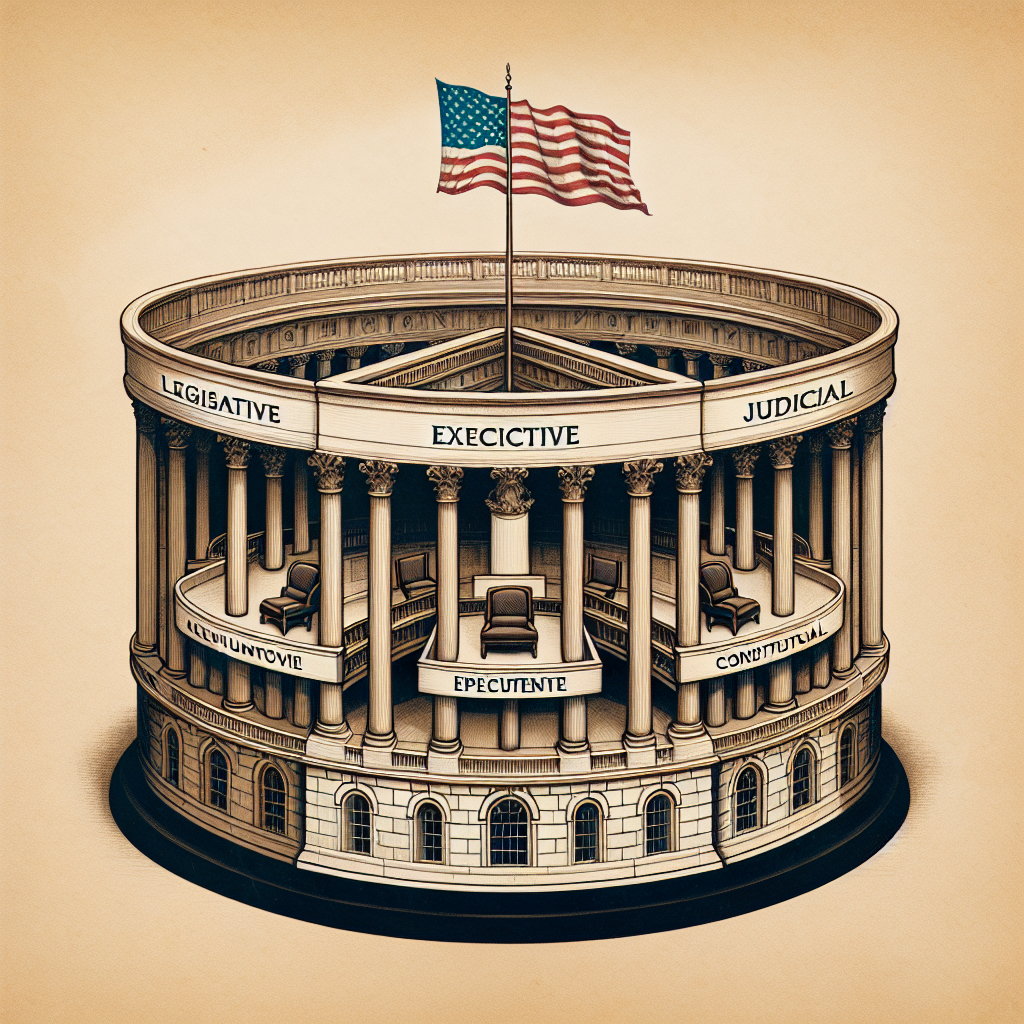
Article III of the Constitution creates one Supreme Court and leaves almost everything else to Congress. It does not say how many justices there should be, where they should sit, or what power they would have over the other branches. The Judiciary Act of 1789 set the number at six, and the Court first convened in New York on February 2, 1790, with John Jay as Chief Justice and almost nothing to do. Several early justices resigned for posts they considered more important.
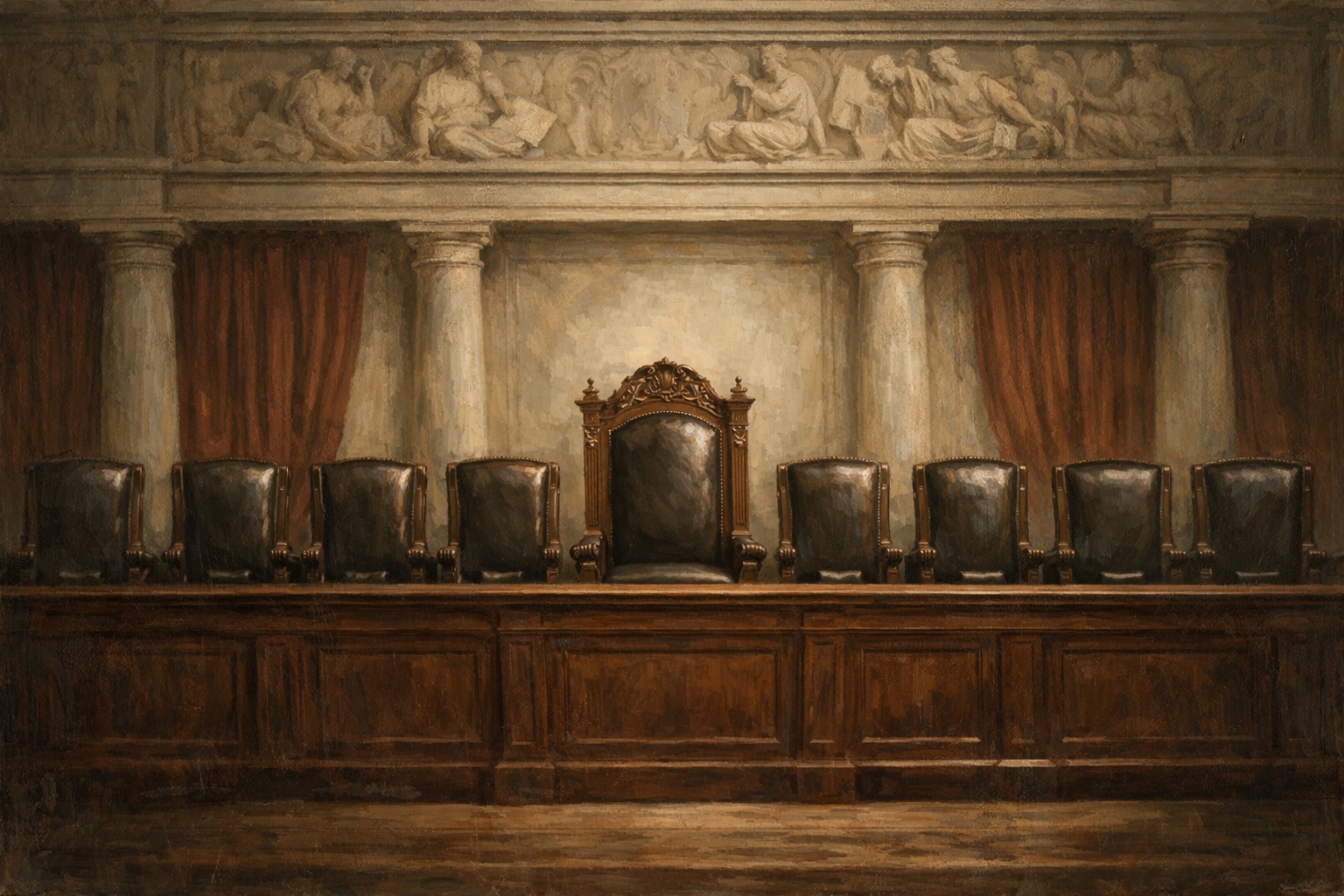
The Court built its own authority. In Marbury v. Madison in 1803 John Marshall claimed the power of judicial review, the right to strike down acts of Congress that conflict with the Constitution, and over the next three decades his Court established the supremacy of federal law over the states. Congress changed the number of seats seven times, from six to as many as ten, before settling on nine in 1869. Every attempt to change it since, most famously Franklin Roosevelt's in 1937, has failed.
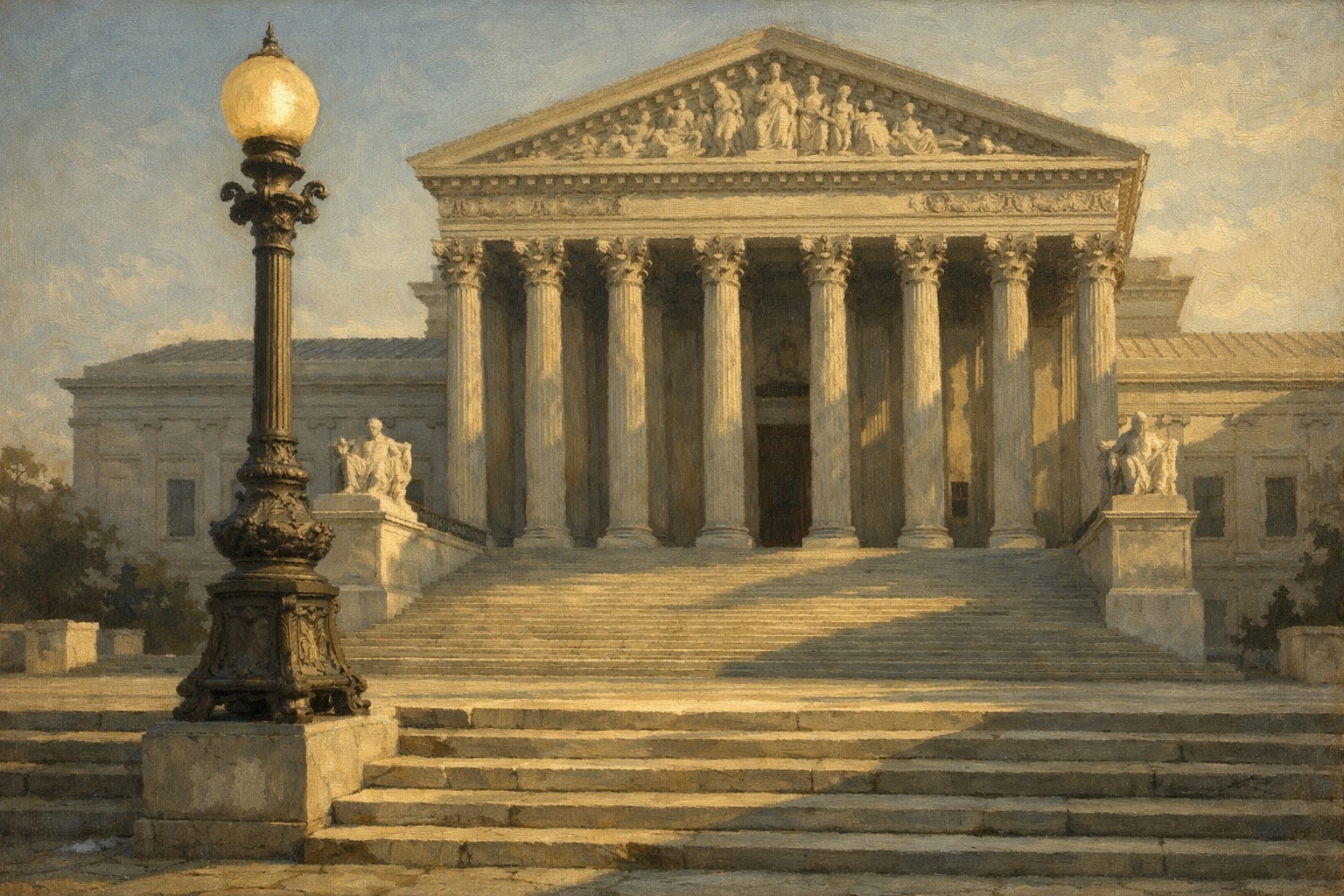
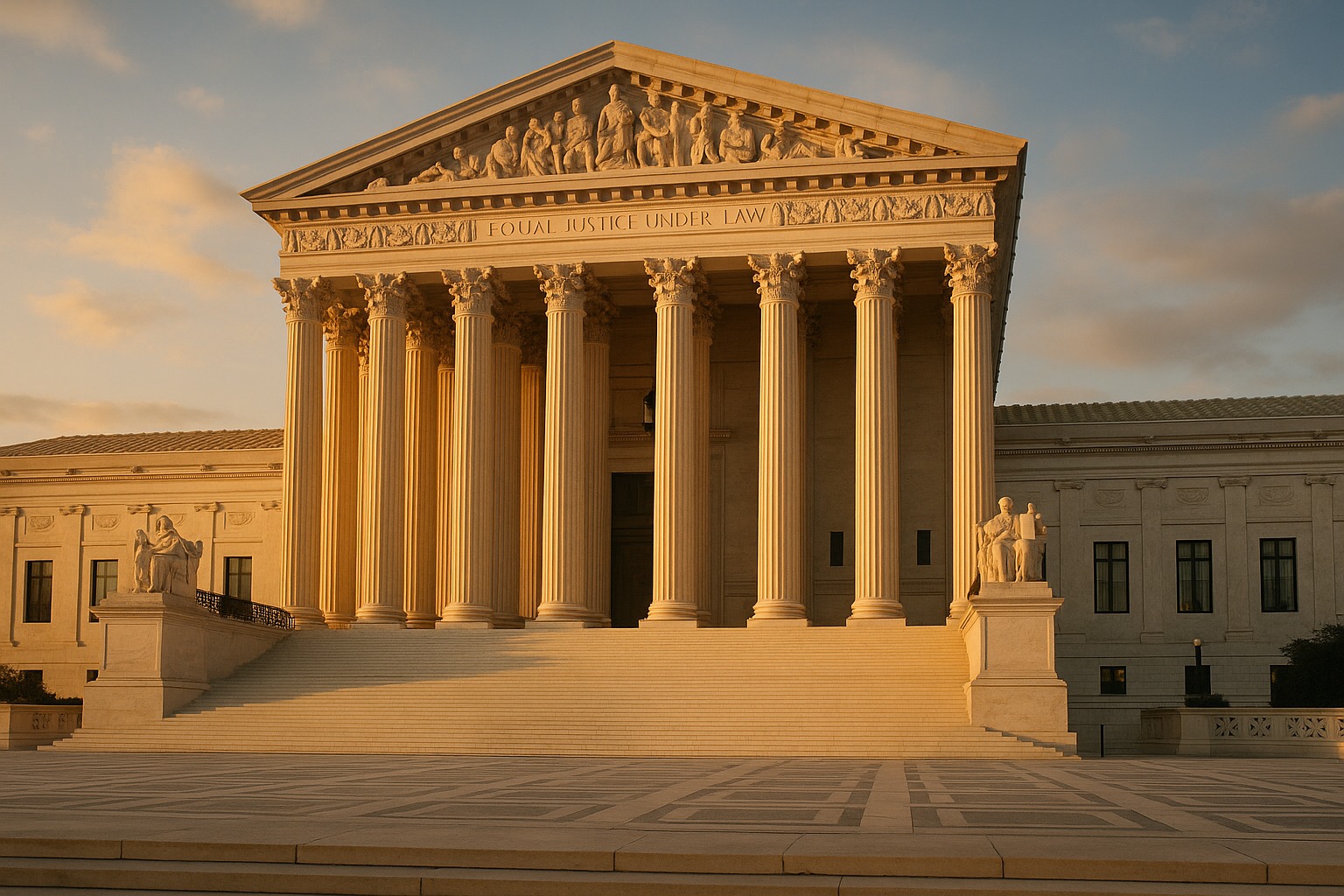
For its first 145 years the Court had no building of its own. It met in a series of borrowed rooms, including a cramped chamber beneath the Senate in the Capitol, until Cass Gilbert's marble temple across the street opened in 1935. The Judges' Bill of 1925 gave the justices near-total control over which cases to hear. Today they receive several thousand petitions a year and decide roughly sixty with full opinions.
Justices serve for life, are nominated by the president, and are confirmed by the Senate, which makes every vacancy a political event. The Court has entrenched injustice, as in Dred Scott and Plessy, and corrected it, as in Brown. It has shifted with the country and against it. Public trust in the institution, once far higher than in Congress or the presidency, has fallen sharply in recent polling, and proposals for term limits and other reforms are again part of national debate.
| Created by | Article III of the Constitution and the Judiciary Act of 1789 |
| First session | February 2, 1790, in New York |
| Seats | Nine since 1869, after seven changes by Congress |
| Home | The Supreme Court Building, opened 1935 |
| Caseload | Several thousand petitions a year, about 60 full decisions |
| Tenure | Life, during good behavior |
| Date | 1789 to today |
| Location | Supreme Court Building, Washington, D.C. |