John Roberts
John Roberts spent most of his career preparing, in effect, for the job he holds. He clerked for William Rehnquist, worked in the Reagan White House counsel's office, and served as deputy solicitor general under George H. W. Bush. In private practice he argued thirty-nine cases before the Supreme Court and became the most sought-after appellate lawyer of his generation. George W. Bush appointed him to the D.C. Circuit in 2003.
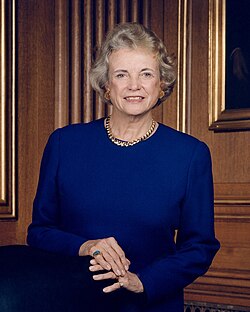
In July 2005 Bush nominated him to replace the retiring Sandra Day O'Connor. When Rehnquist died that September, Bush renominated him as Chief Justice. At his hearings Roberts compared judges to umpires who call balls and strikes but do not make the rules. He was confirmed seventy-eight to twenty-two and took office at fifty, the youngest Chief Justice in two centuries.
His Court has moved decisively right on guns, religion, campaign finance, voting rights, race in admissions, and abortion, and Roberts wrote the opinion in Shelby County v. Holder. He has also cast decisive votes the other way. In 2012 he upheld the Affordable Care Act's individual mandate as a tax, and in Dobbs he would have upheld Mississippi's law without overruling Roe. His opinion in Trump v. United States in 2024 recognized broad presidential immunity from criminal prosecution for official acts, drawing sharp dissents.
Roberts has presented himself as a guardian of the Court's legitimacy, rebuking a president in 2018 for describing an Obama judge and insisting there are no Obama judges or Trump judges. He presided over the first impeachment trial of Donald Trump in 2020. Since the arrival of a six-justice conservative majority in 2020 he has often been the median vote rather than the controlling one, and his tenure has coincided with a steep decline in public confidence in the institution he leads.
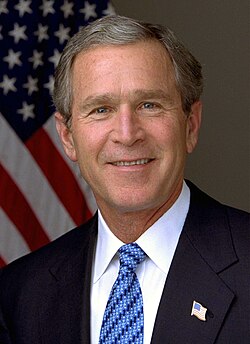



| Serving | Chief Justice since September 29, 2005 |
| Appointed by | George W. Bush |
| Chief Justice | The 17th |
| Confirmation vote | 78 to 22 |
| Before the Court | Argued 39 cases before the Supreme Court, D.C. Circuit judge |
| Key opinions | NFIB v. Sebelius (2012), Shelby County (2013), Trump v. United States (2024) |
| Date | Born 1955 (Chief Justice 2005–) |