American Media
The story of American media is the story of how a vast and diverse country has talked to itself. From the partisan newspapers of the founding era to the social-media feed, each new medium has reshaped not just how Americans get information but how they think, vote, shop, and see one another.
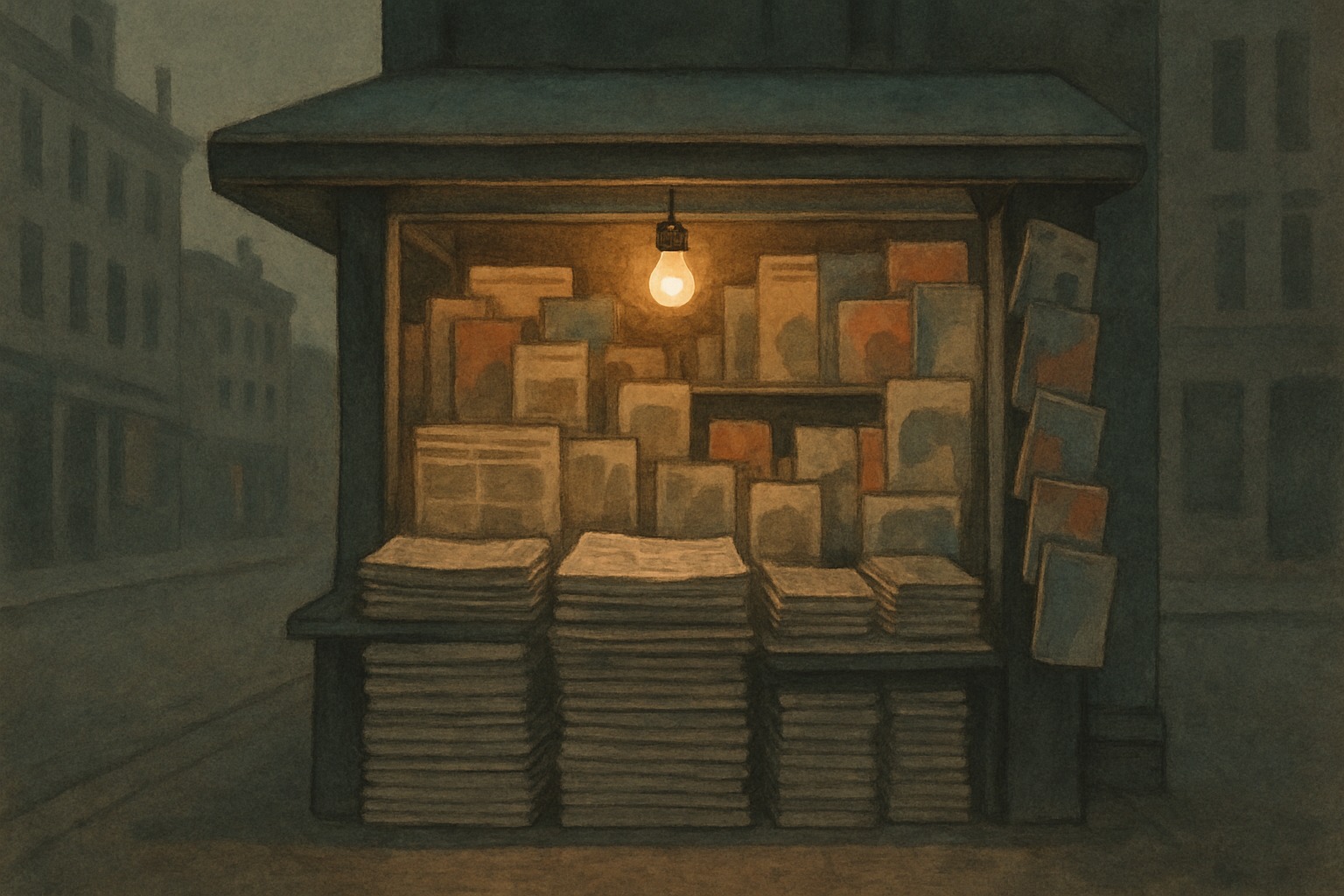
The nineteenth century was the age of print. The cheap "penny press" made newspapers a mass product, the telegraph let news travel at the speed of electricity, and by century's end press barons wielded enormous power — sensational "yellow journalism" could even help push the country toward war, while crusading "muckrakers" exposed corruption to millions.
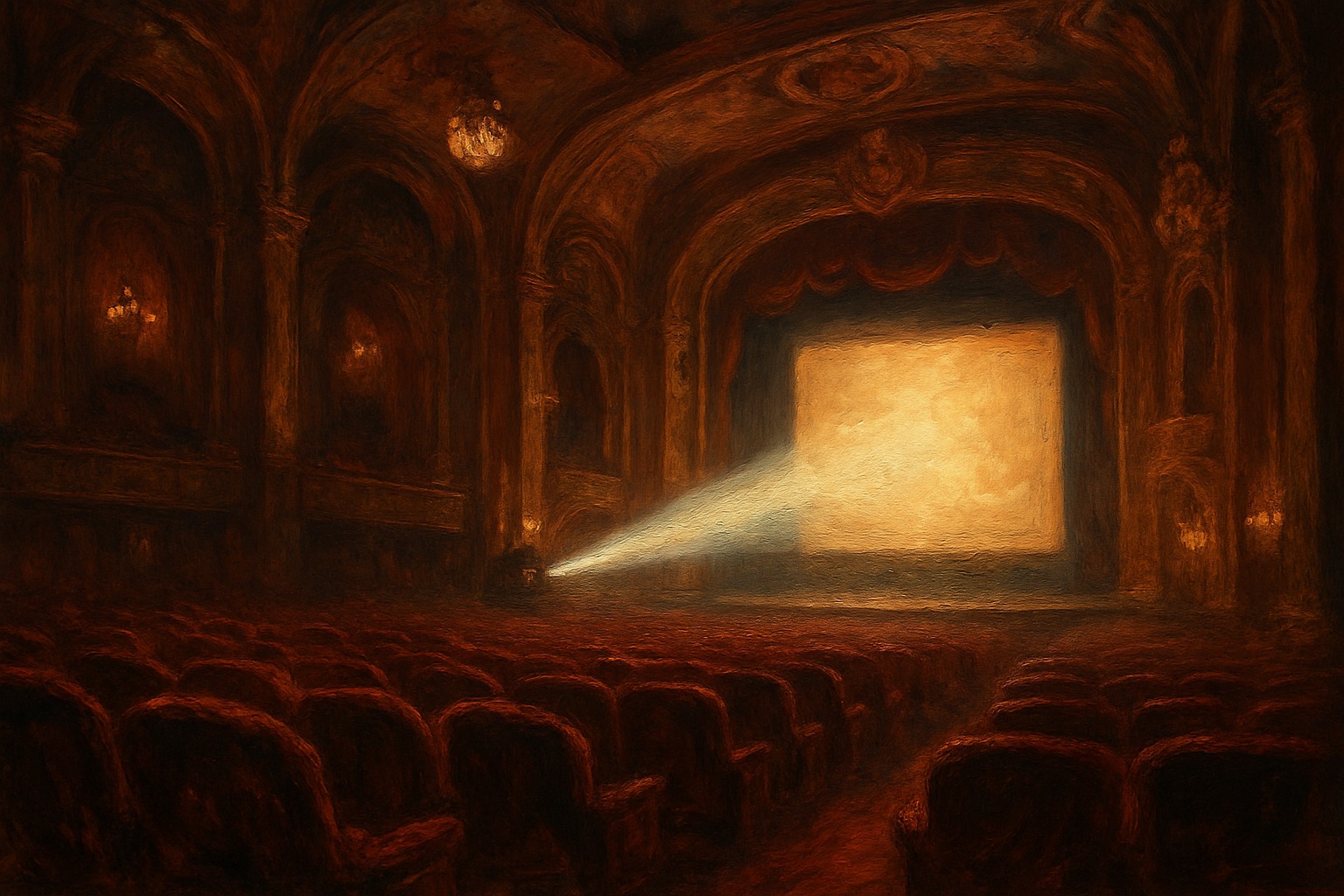
The twentieth century brought broadcasting. Radio carried voices and then television carried images into nearly every home, creating a shared national experience and a new kind of political power — the first medium through which presidents could speak directly to the whole country, and through which the whole country could watch history unfold live.
The digital age then shattered that shared experience. The internet and social media gave everyone a printing press and a broadcast tower, democratizing information while fragmenting the audience, accelerating news to the speed of the feed, and raising new worries about misinformation. Through every shift, the central tension has held: media as both the lifeblood of democracy and a force that can distort it.
| Print Era | Penny press and the telegraph made news a mass product |
| Press Power | Yellow journalism and muckraking, c. 1900 |
| Broadcast Era | Radio and then television entered nearly every home |
| Digital Era | Internet and social media fragmented the audience |
| Tension | Lifeblood of democracy — and a force that can distort it |
| Date | From the penny press to social media |