The Birth of a Nation
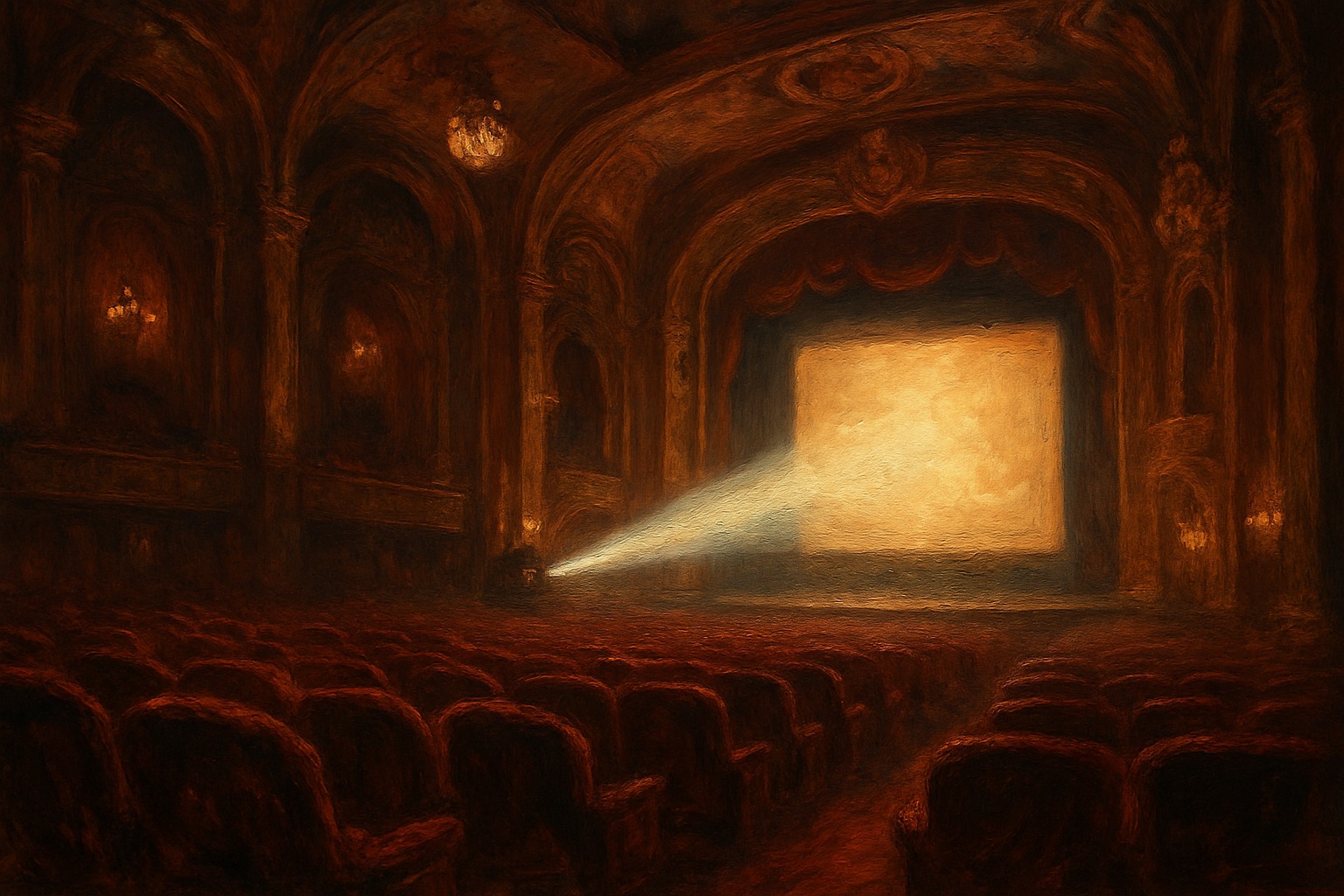
When D.W. Griffith's The Birth of a Nation opened in 1915, audiences had never seen anything like it. More than three hours long at a time when most films ran ten minutes, it told a sweeping Civil War and Reconstruction story with a scale, a moving camera, and an emotional grip that announced the feature film as a serious art form. It was a commercial sensation, the most profitable American film of its time, and it carried within it a vision of history so poisonous that the country is still reckoning with its consequences.
Griffith, a Kentucky-born director and son of a Confederate officer, assembled techniques that became the grammar of narrative cinema. He cross-cut between converging storylines to build suspense, moved from sweeping battle panoramas to intimate close-ups, used tinting and a full orchestral score, and choreographed crowds and cavalry across the screen with a confidence no earlier filmmaker had shown. For sheer command of the medium, the film marked the arrival of the movies as the dominant storytelling form of the new century.
The story it told was a lie dressed as history. Adapted from Thomas Dixon's novel The Clansman, the film portrayed Reconstruction as an orgy of misrule by freed Black people and their Northern allies, cast Black characters — many played by white actors in blackface — as buffoons or sexual menaces, and presented the Ku Klux Klan as heroic rescuers of Southern white civilization. President Woodrow Wilson screened it at the White House, and its prestige lent the Lost Cause myth a vivid, moving-picture authority that print never had.
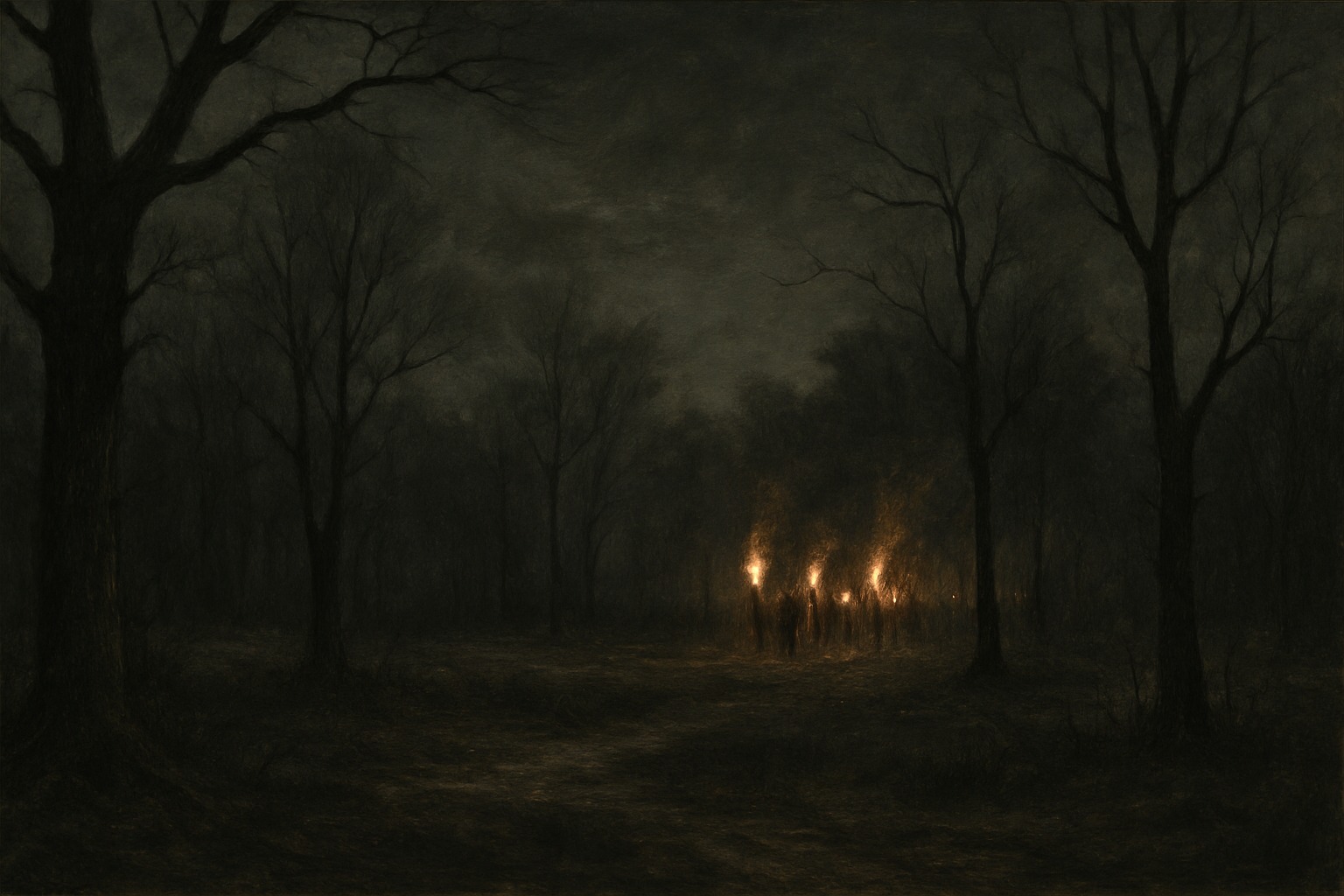
The reaction split the nation. The young NAACP organized protests and boycotts, cities debated banning it, and Black writers denounced its slander, while the film helped inspire the rebirth of the Ku Klux Klan, refounded at Georgia's Stone Mountain in 1915 and swelling into a mass movement within a decade. The Birth of a Nation endures as the central paradox of American film — a work that taught Hollywood how to tell stories and, in the same reels, spread one of the most damaging racial myths in the nation's history.
| Released | 1915 |
| Director | D.W. Griffith |
| Source | Thomas Dixon's novel The Clansman |
| Innovation | Feature length, cross-cutting, close-ups, orchestral score |
| White House | Screened for President Woodrow Wilson |
| Consequence | Spurred the 1915 revival of the Ku Klux Klan |
| Opposition | NAACP protests and boycotts |
| Date | Released 1915 |
| Location | Los Angeles, California |